Kombucha Benefits: 9 Science-Backed Health Effects
Discover the potential health benefits of kombucha, from gut health and antioxidants to liver support and more, backed by emerging research.

Kombucha is a fermented tea beverage gaining popularity for its tangy flavor and potential health advantages. Made by fermenting sweetened tea with a symbiotic culture of bacteria and yeast (SCOBY), it contains probiotics, organic acids, polyphenols, vitamins, and antioxidants that may support various aspects of wellness.
What Is Kombucha?
Kombucha is an effervescent, fermented drink produced by combining sweetened black or green tea with a SCOBY, which ferments the mixture over 7-30 days. This process converts sugar into organic acids like gluconic, acetic, and lactic acid, along with ethanol, carbon dioxide, and bioactive compounds. The resulting beverage is low in sugar, slightly alcoholic (typically under 0.5%), and rich in microbial diversity including yeasts like Saccharomyces and bacteria such as Acetobacter and Gluconacetobacter.
Originating from Northeast Asia over 2,000 years ago, kombucha is now commercially available in flavored varieties with added fruits, herbs, or spices. Home brewing is common but requires careful sanitation to avoid contamination.
9 Science-Backed Kombucha Benefits
Research, primarily from animal and in vitro studies, suggests kombucha’s metabolites offer promising effects. Human trials are limited, so benefits are potential rather than proven.
1. Probiotics and Gut Health
Kombucha’s live bacteria and yeasts act as probiotics, potentially balancing the gut microbiome. Studies show it enhances digestion, reduces inflammation, and alleviates disorders like IBS. Organic acids and glucuronic acid promote beneficial bacteria growth while inhibiting pathogens.
- Improves gut barrier function and microbial diversity.
- May heal stomach ulcers, as shown in mouse models.
- Supports post-exercise gut recovery.
2. Rich in Antioxidants
Polyphenols from tea and fermentation products provide antioxidant activity, scavenging free radicals. Green tea kombucha shows higher radical scavenging than black tea varieties. This may protect against oxidative stress linked to cancer, neurodegeneration, and cardiovascular disease.
3. May Kill Bacteria and Fight Infections
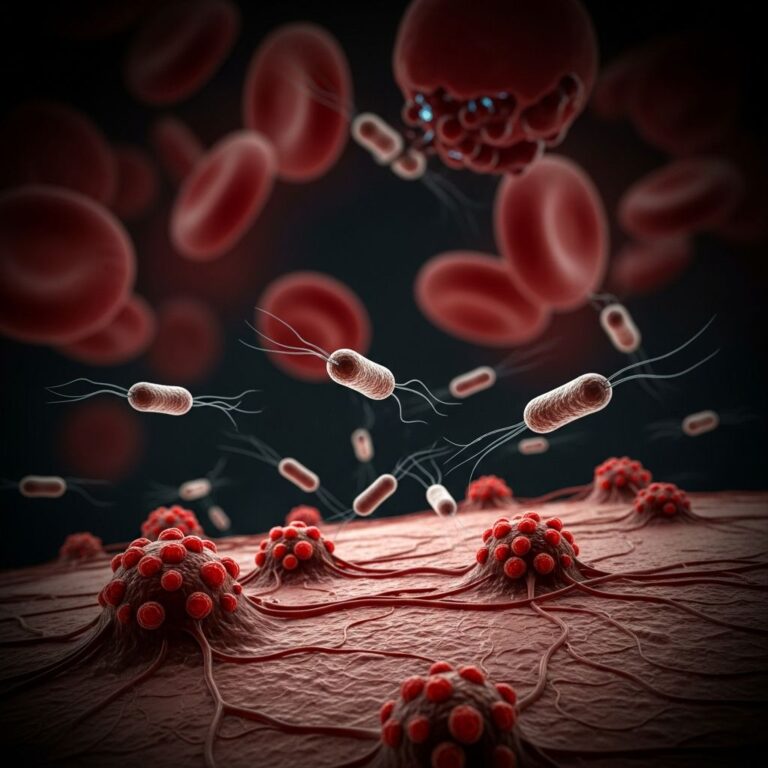
Antimicrobial organic acids (e.g., acetic, gluconic) in kombucha inhibit harmful bacteria like E. coli and Salmonella. In vitro studies confirm its potential against infections, though human evidence is lacking.
4. May Protect the Liver
Glucuronic acid and antioxidants aid liver detoxification by binding toxins for excretion. Animal studies demonstrate hepatoprotective effects against chemical-induced damage, reducing lipid peroxidation and inflammation.
5. May Fight Cancer Cells
Polyphenols, glucaric acid, and other metabolites show anti-cancer potential in cell studies, inducing apoptosis in cancer cells and inhibiting growth. Mouse models indicate protection against toxin-induced cytotoxicity. More research is needed.
6. May Reduce Inflammation and Support Immunity
Anti-inflammatory compounds lower markers like TNF-alpha. Probiotics boost immunity by enhancing gut-associated lymphoid tissue. Studies in mice show stress reduction and immune modulation.
7. May Improve Heart Health
Antioxidants and acids may lower cholesterol, stabilize heart membranes, and protect against myocardial infarction. Rat studies report reduced lipid levels and vascular protection.
8. May Help Manage Diabetes
Hypoglycemic effects observed in diabetic animal models, with kombucha lowering blood sugar, improving insulin sensitivity, and providing renoprotective benefits.
9. Supports Detoxification and Other Benefits
SCOBY acts as a bioabsorbent for heavy metals. Vitamins (B1, B6, B12, C) aid metabolism, mood, and anti-aging. Potential for weight management and exercise recovery.
Related Stories



Kombucha Nutrition Facts
A typical 8-oz (240 ml) serving of commercial kombucha provides:
| Nutrient | Amount | % Daily Value* |
|---|---|---|
| Calories | 30-60 | 2% |
| Total Carbs | 7-12g | 3% |
| Sugars | 2-8g | – |
| Protein | 0g | 0% |
| Vitamin B12 | up to 100% DV | 100% |
| Vitamin C | 10-20% DV | 10-20% |
| Probiotics | Varies (billions CFU) | – |
Low-calorie with trace alcohol; watch added sugars in flavored types.
Potential Downsides and Risks
While generally safe in moderation (4 oz/day), risks include:
- Contamination: Home-brewed kombucha may harbor mold or pathogens if mishandled, leading to nausea, vomiting, or hepatitis.
- Acidity: Erosion of tooth enamel; use a straw.
- Alcohol: Trace amounts (0.5-3% in unpasteurized); avoid if pregnant or sensitive.
- Lactic acidosis: Rare in excess consumption, especially with liver/kidney issues.
- Lead poisoning: From improper ceramic brewing vessels.
Pregnant individuals, immunocompromised, or those with chronic conditions should consult a doctor. Commercial products are pasteurized and safer.
How to Enjoy Kombucha Safely
- Choose low-sugar, pasteurized brands.
- Start with 4-8 oz daily.
- Refrigerate to slow fermentation.
- For home brewing: Sanitize equipment, use glass/stainless steel, ferment 7-10 days at 68-85°F.
- Flavor with ginger, berries, or herbs post-fermentation.
Frequently Asked Questions (FAQs)
Is kombucha good for you?
Potentially yes, due to probiotics, antioxidants, and acids supporting gut, liver, and heart health, per animal/in vitro studies. Human evidence is emerging.
Can kombucha get you drunk?
No, commercial kombucha has <0.5% alcohol. Home brews may reach 3% if over-fermented.
Does kombucha have caffeine?
Yes, 10-15 mg per 8 oz from tea, less than coffee (95 mg).
Is kombucha keto-friendly?
Some low-sugar varieties yes (<5g net carbs); check labels.
Can kids drink kombucha?
In small amounts (diluted), but consult a pediatrician due to acidity and trace alcohol.
How long does kombucha last?
Commercial: 1-3 months refrigerated. Home-brewed: 1-2 weeks.
References
- Kombucha A Functional Beverage for Heart, Gut, Mind and Healthier Lifestyle — International Journal of Social Science and Humanities. 2024. https://journals.kmanpub.com/index.php/Intjssh/article/view/4123
- An overview of probiotic health booster-kombucha tea — PMC – NIH. 2023-02-20. https://pmc.ncbi.nlm.nih.gov/articles/PMC9975612/
- Kombucha: Benefits and risks — Human Performance Resources by CHAMP (HPRC). 2024. https://www.hprc-online.org/nutrition/performance-nutrition/kombucha-benefits-and-risks
Similar Articles








Read full bio of medha deb