Krishna Janmashtami: Traditions, Foods, 56-Dish Chhappan Bhog
Celebrate Lord Krishna's birth with fasting, feasting, rituals and nutritious traditional foods rich in dairy and fruits.
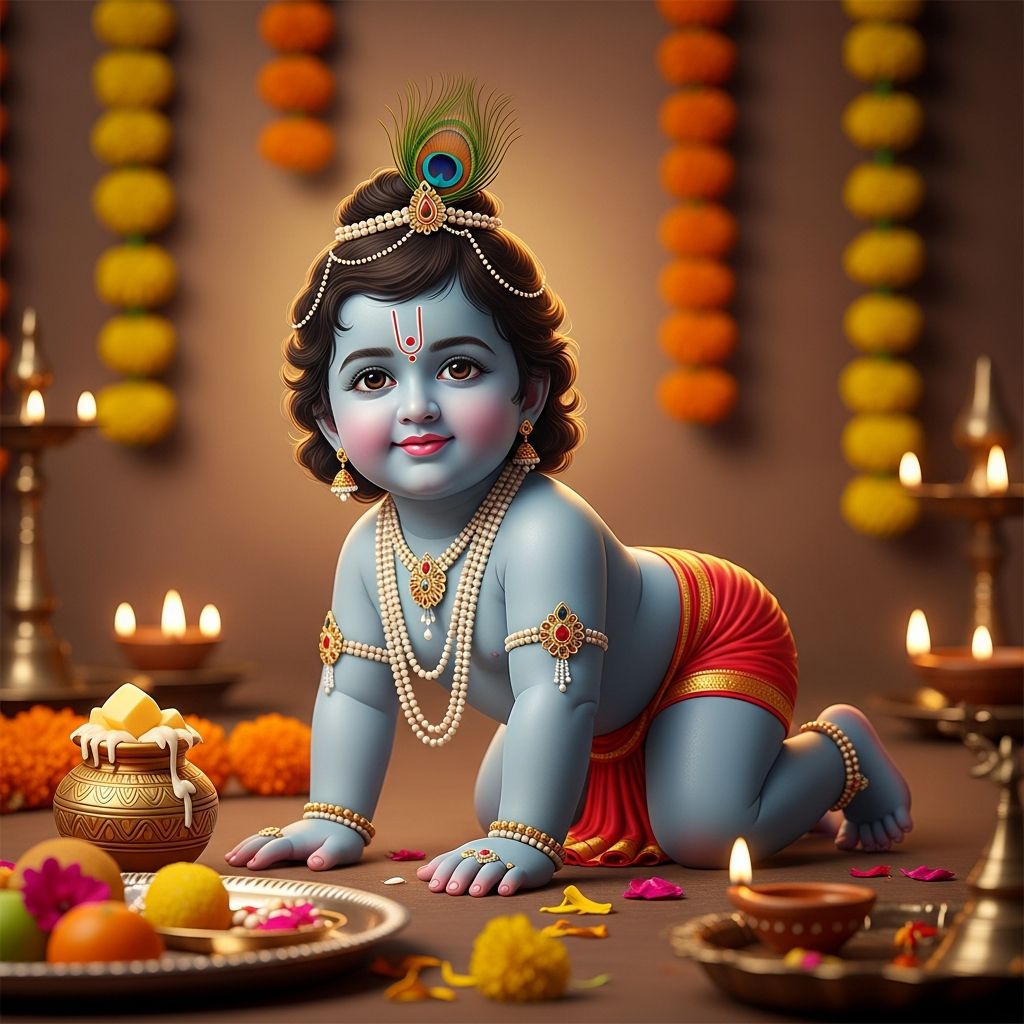
Janmashtami celebrates the birth of Lord Krishna, the eighth avatar of Vishnu, observed with fervent devotion through fasting, prayers, rituals and traditional foods symbolizing purity and joy. Devotees across India and worldwide engage in 24-hour fasts broken at midnight with sattvic offerings like milk products and fruits, Krishna’s childhood favorites.
What is Janmashtami?
Janmashtami, also known as Krishnashtami, Gokulashtami or Sri Krishna Jayanti, marks the midnight birth of Krishna in Mathura prison to Devaki and Vasudeva during the oppressive reign of King Kansa. This Hindu festival falls on the eighth day (ashtami) of the Krishna paksha in the month of Bhadrapada (July-August), emphasizing themes of divine intervention, love and righteousness.
Scriptures like the Bhagavata Purana recount Krishna’s miraculous appearance amid chains breaking and prison doors opening, symbolizing liberation from tyranny. Celebrations blend solemn worship with playful reenactments of his leelas (divine plays), fostering spiritual connection and community joy.
Traditions and Rituals
Janmashtami rituals span fasting, chanting, abhishekam and regional customs, creating an atmosphere of bhakti (devotion). Devotees maintain night vigils awaiting midnight birth ceremonies, decorating homes and temples to welcome Bal Krishna (child Krishna).
- Fasting (Vrat): Most common practice; nirjala (waterless) or phalahar (fruits/milk) fasts from dawn, broken post-midnight with prasad. Honors Krishna’s purity; milk products preferred.
- Chanting and Bhajans: Continuous recitation of mantras, 108 names of Krishna, Bhagavata Purana kathas and devotional songs. Temples resonate with kirtans purifying the mind.
- Abhishekam: Sacred bath of Krishna idol with panchamrit (milk, curd, ghee, honey, sugar water) symbolizing purity, prosperity and bliss. Followed by dressing in new clothes, peacock crown, flute.
- Jhula: Decorated swing for baby Krishna idol, gently rocked with songs evoking Vrindavan gopis’ affection.
- Plays and Raslila: Theatrical performances depicting Krishna’s life events, especially in Mathura-Vrindavan.
Regional Celebrations
India’s diversity shines in Janmashtami observances, from spiritual heartlands to vibrant street festivals.
- Mathura-Vrindavan: Epicenter with temple decorations, raslilas, bhakti processions and 24-hour kirtans. Thousands converge for janmotsav at Krishna Janmabhoomi.
- Maharashtra: Dahi Handi – young men form human pyramids to break curd-filled handis, reenacting Krishna’s butter-stealing mischief.
- South India: Baby Krishna footprints (flour-water mix) from doorstep to altar; houses adorned with rangoli, flowers. Sweet offerings and Bhagavatam recitals.
- Gujarat/Rajasthan/Odisha: Devotional singing, folktales, midnight aarti in traditional attire. Odisha’s Sri Krishna Jayanti features Radha-Madhav puja.
- East/Northeast: Vigils, Bhagavata Purana recitals, dances portraying Krishna-Radha love.
Janmashtami Foods
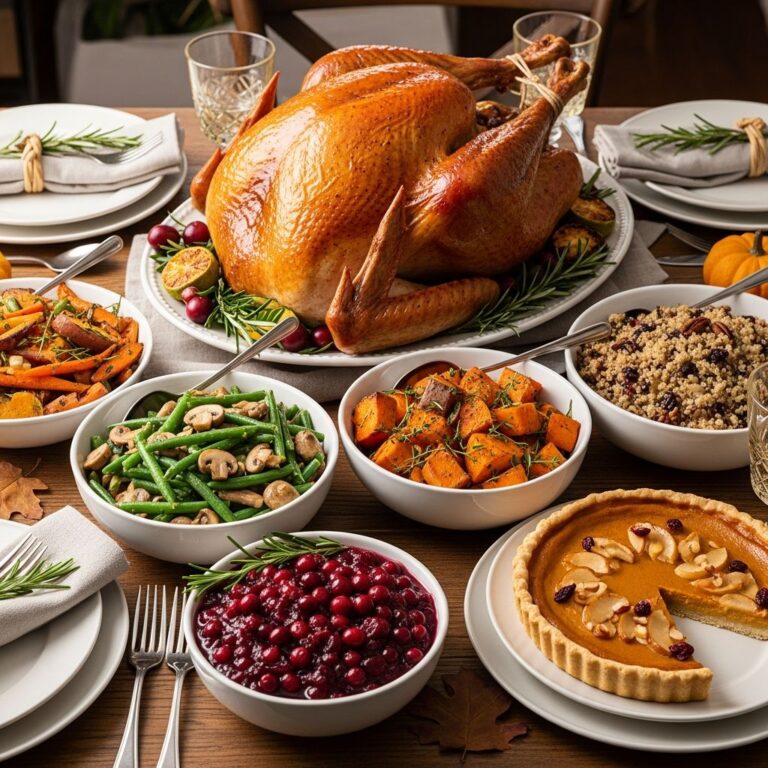
Sattvic (pure, vegetarian, no onion/garlic) foods dominate, focusing on dairy, fruits and sweets Krishna adored. Fasting-friendly recipes provide nourishment without tamasic elements. Chhappan bhog (56 dishes) offered in temples recalls Govardhan leela gratitude.
Nutritional Focus: Milk products offer protein, calcium; fruits provide vitamins, fiber sustaining fasts. Moderation prevents digestive issues during vrat.
Makhan Mishri
Butter and rock sugar – epitome of Krishna’s playful love. Fresh homemade butter (makhan) churned from curd, paired with mishri chunks.
- Ingredients (serves 4): 2 cups curd, ½ cup sugar (for mishri alternative), pinch cardamom.
- Preparation: Hang curd in muslin 4-6 hours for whey removal. Churn malai (cream) with cold water till butter separates. Serve chilled with mishri.
- Nutrition: High healthy fats, probiotics from curd; quick energy from sugars. 200 kcal/serving.
Peda
Milk fudge balls, popular prasad. Condensed milk slow-cooked to fudge consistency.
Related Stories



| Ingredient | Quantity |
|---|---|
| Milk (full fat) | 1 liter |
| Sugar | 1 cup |
| Ghee | 2 tbsp |
| Cardamom powder | ½ tsp |
Method: Boil milk to ⅛th volume stirring continuously till thick. Add sugar, ghee, cardamom; cook to dough. Cool, roll into pedas. Yields 20 pieces. Rich in calcium (250mg/piece), protein (5g).
Kheer
Rice pudding simmered in milk with nuts, saffron. Comforting fast-breaker.
- Ingredients: ½ cup basmati rice, 1L milk, ½ cup sugar, almonds, raisins, saffron.
- Method: Soak rice 30min. Simmer milk, add rice; cook 40min stirring. Add sugar, nuts. Garnish with cardamom.
- Benefits: Complex carbs for sustained energy; nuts add healthy fats, antioxidants.
Other favorites: Puri (deep-fried bread), sabudana khichdi (tapioca for fasting), fruit chaat, paneer tikka (grilled cottage cheese). Hydrate with thandai (milkshake with nuts, rose).
Chhappan Bhog Highlights
- 52 sweets + 4 salty: Kheer, peda, rabri, malpua, pakode, mathri, fruits.
- Symbolizes abundance post-Govardhan; sattvic preparations.
Nutrition During Janmashtami
Fasting detoxifies; reintroduce foods gradually. Dairy-centric prasad provides complete proteins, bone-building minerals. Choose low-sugar versions for diabetics; nuts/seeds sustain energy.
- Hydration: Coconut water, milk, fruit juices during phalahar.
- Post-fast: Light prasad prevents bloating; probiotics from curd aid digestion.
- For Children/Elderly: Fruit-based fasts; avoid nirjala.
Balanced approach enhances devotion without health compromise.
Frequently Asked Questions
What do you eat on Janmashtami fast?
Sattvic foods: milk, curd, fruits, nuts, sabudana, singhara flour. Avoid grains, onion, garlic.
Can we eat rice on Janmashtami?
No for strict vrat; use samak rice or sabudana alternatives. Kheer uses minimal rice post-fast.
What is Dahi Handi?
Maharashtrian tradition: Human pyramids break yogurt pots, celebrating Krishna’s makhan chor antics.
How to perform midnight puja?
Bathe idol in panchamrit, dress, offer bhog, chant aarti, swing jhula at midnight.
Is non-veg allowed on Janmashtami?
No; strictly vegetarian sattvic diet for purity.
References
- Rituals and Customs of Janmashtami — krishnajanmashtami.com. Accessed 2026. https://www.krishnajanmashtami.com/rituals-customs-janmashtami.html
- Celebrating Krishna Janmashtami: Traditions, Rituals & Significance — wemy.in. Accessed 2026. https://wemy.in/blogs/news/celebrating-krishna-janmashtami-traditions-rituals-significance
- Celebrating Krishna Janmashtami in August: Rituals and Beliefs — ethnictanjorearts.com. Accessed 2026. https://www.ethnictanjorearts.com/celebrating-krishna-janmashtami-in-august-rituals-and-beliefs/
- 10 Beautiful Janmashtami Traditions You Should Know — jkyog.org. Accessed 2026. https://www.jkyog.org/blog/10-beautiful-janmashtami-traditions-you-should-know
- Traditions and Rituals: How to Celebrate Janmashtami at Home — dwsjewellery.com. Accessed 2026. https://www.dwsjewellery.com/blog/traditions-and-rituals-how-to-celebrate-janmashtami-at-home/
Similar Articles








Read full bio of medha deb