KTP Laser Treatment: Uses, Benefits, and Outcomes
Comprehensive guide to KTP laser technology for treating vascular lesions and skin conditions.
KTP Laser Treatment
The KTP laser represents an advanced therapeutic tool in modern dermatology, offering effective solutions for a variety of skin conditions. KTP stands for potassium-titanyl-phosphate, a specialized laser technology that has become increasingly popular for treating vascular lesions, facial redness, and other dermatological concerns. This solid-state laser uses a potassium titanyl phosphate crystal as its core component and frequency-doubling device, enabling precise targeting of specific skin chromophores with minimal damage to surrounding tissues.
What is the KTP Laser?
A KTP laser is a solid-state laser that utilizes a potassium titanyl phosphate (KTP) crystal as its laser medium and frequency-doubling device. The laser produces a distinctive green light wavelength of 532 nanometers (nm), which is specifically calibrated to interact with chromophores—molecules within the skin that absorb and reflect light energy. This wavelength makes the KTP laser the most powerful green light laser available on the market, offering exceptional precision and efficacy for targeted treatment applications. The technology operates on the principle of selective photothermolysis, meaning it selectively targets specific skin structures like melanin and oxyhemoglobin without causing collateral damage to surrounding healthy tissue.
How Does the KTP Laser Work?
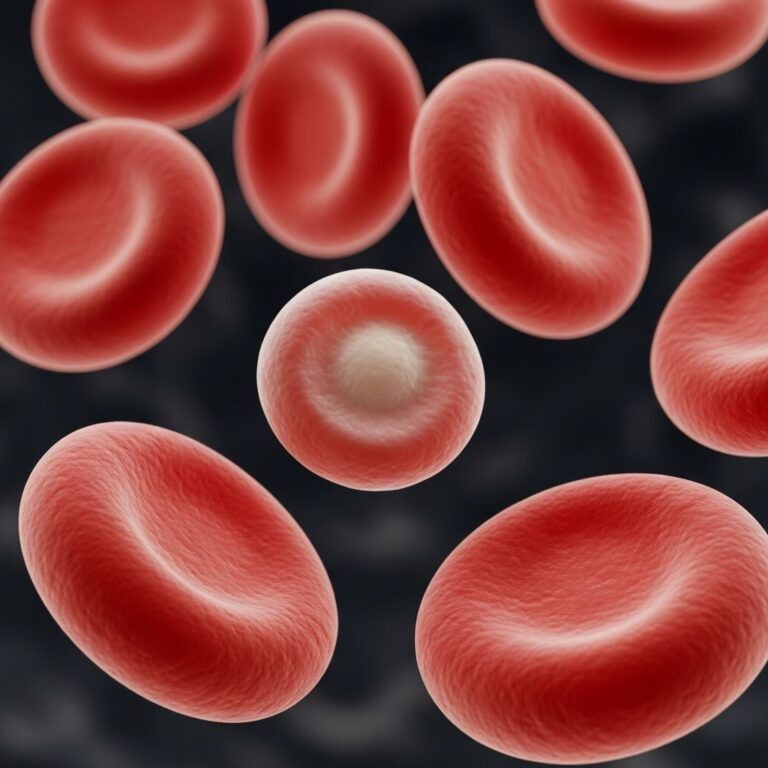
The KTP laser delivers energy into the skin in the form of concentrated green light. When the 532 nm wavelength is applied to the skin, it is selectively absorbed by chromophores such as hemoglobin in blood vessels and melanin in pigmented lesions. This light energy is then converted into thermal energy, causing the targeted structures to heat up and be destroyed or significantly reduced. The laser’s green light penetrates the skin at a relatively shallow depth, making it ideal for treating superficial vascular lesions and surface-level skin imperfections.
For vascular lesions, the mechanism is particularly effective: the laser causes small blood vessels to coagulate and collapse, which leads to their breakdown and eventual disappearance. Some vessels respond immediately and disappear on contact with the laser, while others may take up to four weeks to resolve completely or may require additional treatment sessions. The configurable settings of KTP lasers enable customization according to each patient’s specific condition and skin type, allowing dermatologists to optimize outcomes for diverse patient populations.
Clinical Applications and Uses
Vascular Lesions
One of the primary applications of KTP laser treatment is for vascular lesions—abnormal blood vessels located beneath the skin’s surface that create visible marks or reddish appearance. The KTP laser is particularly effective in treating superficial vascular lesions, especially facial telangiectasias (visible broken capillaries). The most commonly treated conditions include:
- Broken capillaries and telangiectasias on the face
- Spider veins
- Cherry angiomas (red dots on the body)
- Port wine stains
- Hemangiomas
- Rosacea
The KTP laser works by focusing its green light directly on affected blood vessels, causing the capillary walls to collapse and shrink in size. This targeted approach results in a significant reduction in the appearance of these vessels, leaving the skin clearer and more even-toned.
Acne Scars and Facial Redness
Red acne scars represent another major indication for KTP laser treatment. When acne heals, it can leave behind red, irritated, and discolored areas caused by inflammation and dilated blood vessels. KTP laser treatment reduces the appearance of these red acne scars by shrinking the red blood vessels near the surface of the skin. For mild to moderate cases, patients may see good results in a single session, though severe cases may require up to four treatments for significant improvement. The treatment also helps fade the overall redness associated with acne scarring, promoting a more uniform skin tone.
Related Stories



Acne Treatment
Beyond scarring, the KTP laser is particularly effective for treating mild to moderate active acne. The treatment works through multiple mechanisms: it kills the P. acnes bacteria responsible for acne formation, softens sebum making it easier to clear pores, and reduces redness and inflammation to promote healing. For optimal results with active acne, dermatologists typically recommend one to two treatments per week until the acne clears completely.
Pigmented Lesions
The KTP laser’s ability to target melanin makes it useful for treating various pigmented lesions, including warts, moles, brown spots, and freckles. The laser’s green wavelength is absorbed by melanin, allowing for precise treatment of hyperpigmentation that can result from conditions like cystic acne. These treatments typically result in visible improvements with minimal adverse effects.
The KTP Laser Procedure
Pre-Treatment Preparation
Before scheduling your first KTP laser session, a dermatology specialist will conduct a comprehensive skin examination to determine whether KTP laser treatment is appropriate for your specific condition and skin type. This consultation is essential for confirming that your concern is a good match for the technology and for discussing realistic expectations regarding outcomes.
During the Procedure
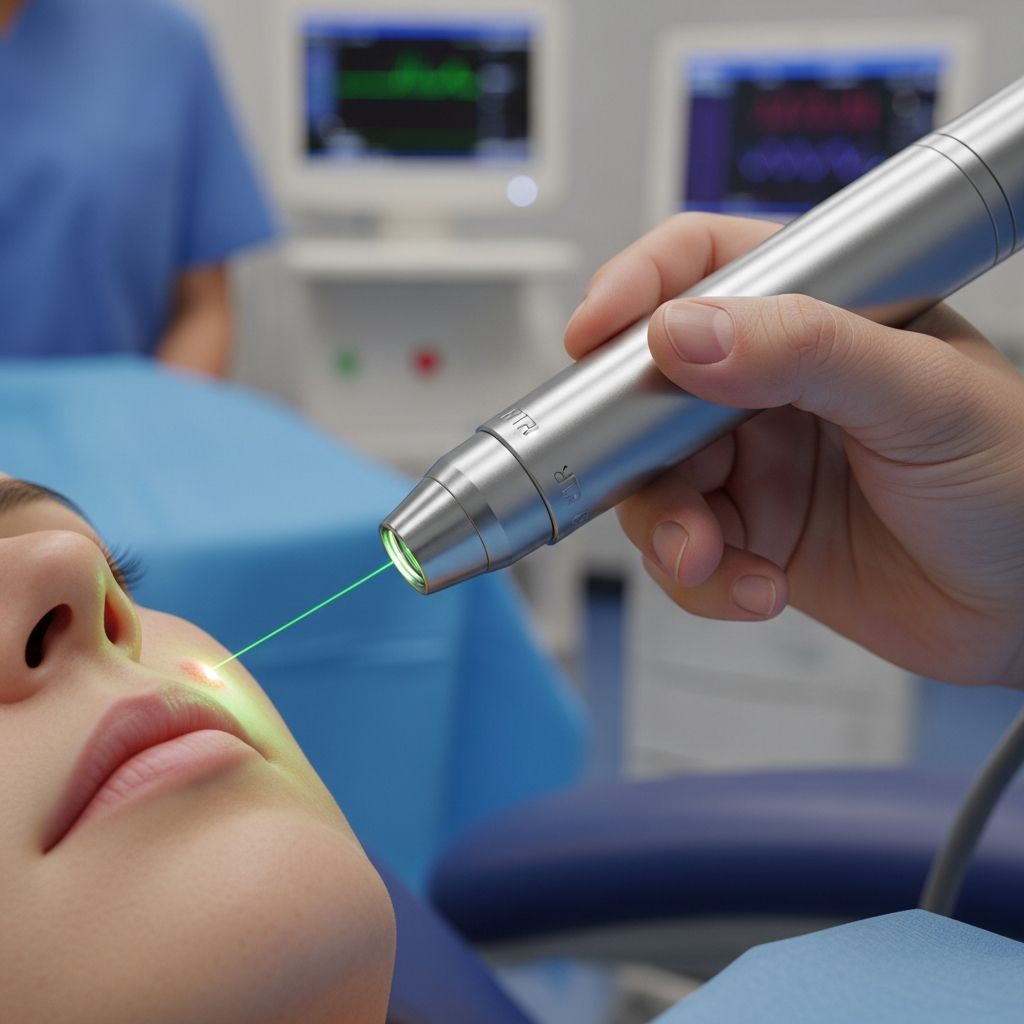
The KTP laser procedure is non-invasive and non-ablative, meaning it does not remove layers of skin. During treatment, all patients must wear protective eye goggles to shield their eyes from the laser light. Before the laser is applied, the dermatologist will apply a cold, clear gel to the treatment area to serve as a coupling agent, facilitating optimal energy transfer and patient comfort.
The laser is delivered using a handpiece that resembles a pencil, which the dermatologist traces over the affected areas. The procedure is generally quick, with most sessions lasting between 15 to 45 minutes depending on the size and number of areas being treated. Importantly, no topical numbing medication is required for KTP laser treatment.
Sensation During Treatment
Most patients describe the sensation of the KTP laser as mild and well-tolerated. The most common comparison is to a rubber band lightly snapping against the skin with each laser pulse. Some patients report a slight warming sensation or mild stinging, particularly in more sensitive areas such as the nose or upper lip. The procedure causes minimal discomfort overall, and pain management is typically not necessary.
Benefits of KTP Laser Treatment
KTP laser resurfacing offers numerous advantages that make it an attractive option for patients seeking treatment for vascular and pigmented lesions:
- Minimal downtime: Patients can resume normal activities immediately after treatment, making it ideal for those with busy schedules.
- Quick procedure: Treatment sessions are brief, typically lasting 15 to 45 minutes depending on the treatment area.
- Minimal discomfort: Most patients experience only mild, well-tolerated sensations during the procedure.
- Minimal swelling: Unlike some laser treatments, KTP therapy produces minimal postoperative swelling and edema.
- No needles: The non-invasive nature of the treatment eliminates needle-related concerns and complications.
- Precision: The laser offers ultimate precision for treating small lesions without damaging surrounding healthy skin.
- Reduced purpura and erythema: One significant advantage of the KTP laser is that postoperative purpura (bruising) and erythema (redness) are minimized compared to other laser technologies.
- Semi-permanent results: With good sun protection and appropriate skincare, KTP laser treatment results can be semi-permanent.
Results and Recovery
Timeline of Results
Visible improvements from KTP laser treatment typically appear within 10 to 14 days, revealing clearer and more youthful skin as final results surface. However, the complete timeline varies depending on the condition being treated and individual healing factors. Some blood vessels disappear immediately upon contact with the laser, while others may take up to four weeks to resolve completely. Some lesions may require additional treatment sessions to achieve optimal results.
Post-Treatment Care
Following KTP laser treatment, most side effects are mild and temporary. Patients may experience slight redness or soreness that typically subsides within a few hours. Depending on the target lesion, treated areas may appear slightly darker or develop mild crusting for a few days. Strict sun protection is essential during the healing period, as sun exposure can compromise results and increase the risk of complications. Most people can resume work and daily activities immediately, though sun avoidance and protective measures should be maintained.
Side Effects and Considerations
While KTP laser treatment is generally safe and well-tolerated, certain side effects and considerations should be understood:
- Most side effects are mild and temporary, including redness, soreness, and mild crusting.
- Postoperative purpura and erythema are minimized with KTP laser compared to other technologies.
- The shorter wavelength of the KTP laser results in decreased tissue penetration and limited absorption by hemoglobin in deeper vessels, reducing the risk of deeper tissue damage.
- The KTP laser is less commonly used on darker skin types due to the risk of targeting melanin, which can lead to unwanted pigmentation changes. Caution must be exercised when treating patients with darker skin, as there is considerable absorption of 532 nm energy by melanin.
- Certain areas of the face, such as the nose and upper lip, may be more sensitive to treatment.
Treatment Expectations and Multiple Sessions
The number of treatment sessions required varies depending on the specific condition being treated. Some vascular conditions see good results in a single session, while others may require three to four visits for optimal results. For active acne treatment specifically, dermatologists typically recommend one to two treatments per week until the acne clears completely. Your dermatologist will establish a personalized treatment plan based on your condition’s severity and your skin’s response to initial treatments.
Frequently Asked Questions
Q: Is KTP laser treatment painful?
A: Most patients describe the sensation as mild, comparing it to a light rubber band snapping against the skin. No topical numbing is required, and discomfort is generally well-tolerated.
Q: How long does a KTP laser treatment session take?
A: Treatment sessions typically last between 15 to 45 minutes, depending on the size and number of areas being treated.
Q: Can I return to normal activities after KTP laser treatment?
A: Yes, there is no significant downtime. You can resume normal activities immediately after treatment, though sun protection is essential.
Q: How many treatments will I need?
A: The number of sessions varies by condition. Some lesions respond in one treatment, while others may require three to four sessions for optimal results.
Q: Is KTP laser treatment suitable for all skin types?
A: KTP laser is most effective on lighter skin types. Caution should be exercised with darker skin due to melanin absorption, which can affect results and increase the risk of pigmentation changes.
Q: Are the results of KTP laser treatment permanent?
A: With proper sun protection and skincare, KTP laser results can be semi-permanent. Some lesions may recur over time and require maintenance treatments.
References
- KTP Laser Treatment for Acne Scars and Facial Redness — Schweiger Dermatology Group. 2024. https://www.schweigerderm.com/cosmetic-dermatology/laser-treatments/ktp/
- What is KTP Laser Treatment? — Forefront Dermatology. 2024. https://forefrontdermatology.com/services/ktp-laser-treatment/
- Everything You Need To Know About KTP Laser Treatment — Amara MD. 2024. https://amaramd.com/blog/everything-you-need-to-know-about-ktp-laser-treatment/
- KTP Laser Treatment — Franklin Dermatology Group. 2024. https://franklinderm.net/ktp-laser/
- The role of lasers and intense pulsed light technology in dermatology — PubMed Central, National Center for Biotechnology Information. 2015. https://pmc.ncbi.nlm.nih.gov/articles/PMC4745852/
Similar Articles








Read full bio of Sneha Tete