Kwashiorkor: Definition, Symptoms, Causes & Diagnosis
Understanding severe protein malnutrition: symptoms, causes, diagnosis and treatment options.
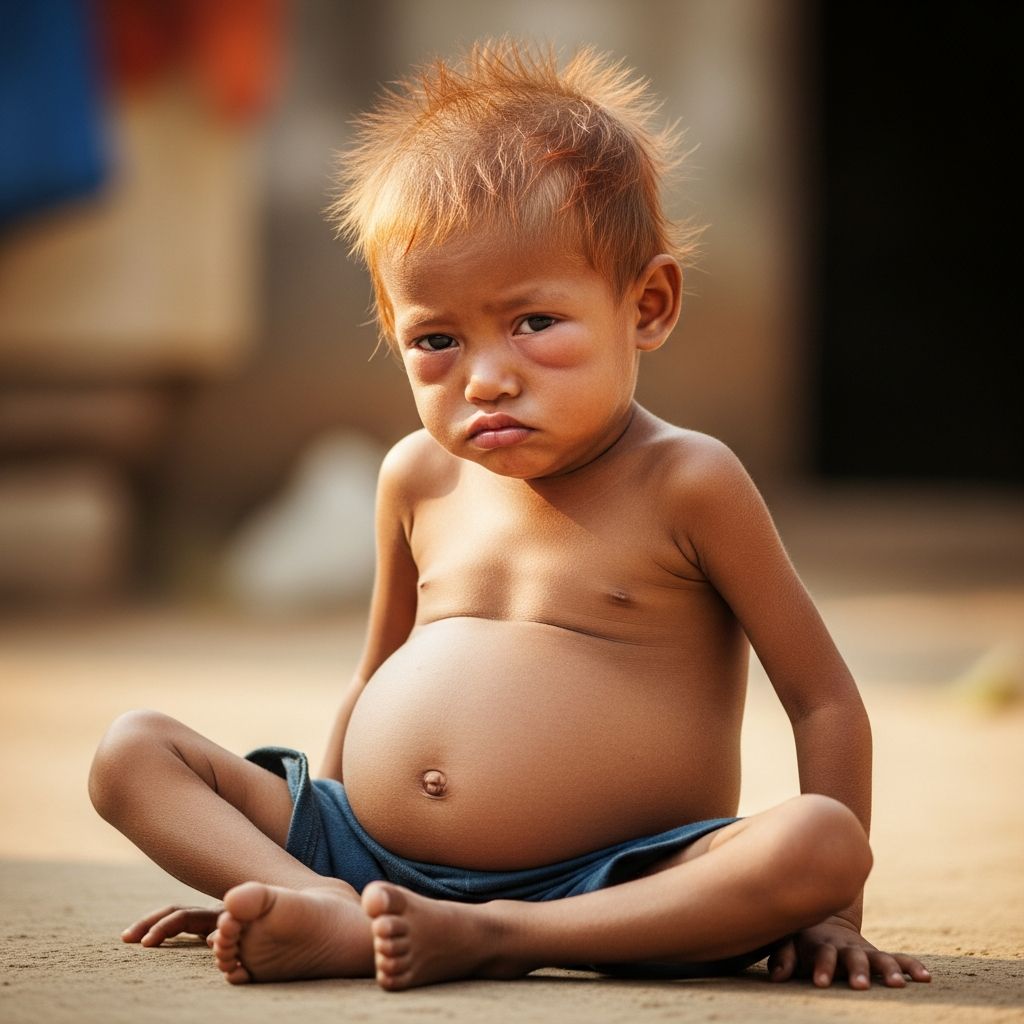
Kwashiorkor is a type of malnutrition characterized by severe protein deficiency, representing one of the most serious forms of protein-energy undernutrition affecting vulnerable populations worldwide. This condition causes significant fluid retention in body tissues and leads to a distinctive swollen, distended abdomen that can be misleading to the untrained eye. Unlike other forms of malnutrition where patients appear uniformly thin, kwashiorkor creates a paradoxical appearance where individuals may have emaciated limbs while simultaneously displaying swelling in their hands, feet, face, and belly.
Kwashiorkor most commonly affects children, particularly in developing countries with high levels of poverty and food insecurity. The condition is most prevalent among children between the ages of 3 to 5 years old, an age group that has recently transitioned from breastfeeding to less adequate diets. What makes kwashiorkor particularly insidious is that people with this condition may have access to food, but not enough protein-rich foods to meet their nutritional needs, distinguishing it from situations where food itself is entirely unavailable.
Understanding Protein-Energy Malnutrition
Kwashiorkor is one of two main types of severe protein-energy undernutrition recognized by healthcare providers worldwide. People with kwashiorkor are especially deficient in protein, as well as in several key micronutrients essential for normal bodily functions. The severe protein deficiency causes fluid retention in the tissues, a process known as edema, which fundamentally distinguishes kwashiorkor from other forms of malnutrition.
The main difference between kwashiorkor and marasmus, the other primary form of severe protein-energy undernutrition, lies in the nature of nutritional deficiency. Kwashiorkor is predominantly a protein deficiency, while marasmus represents a deficiency of all macronutrients—protein, carbohydrates, and fats. People with marasmus are deprived of calories in general, either because they are eating too little or expending too many calories, or both. In contrast, people with kwashiorkor may not be deprived of calories overall but are specifically deprived of protein-rich foods.
Symptoms and Physical Signs
Kwashiorkor presents with a range of distinctive physical signs and symptoms that healthcare providers use for identification and diagnosis. The hallmark feature is the swollen, distended abdomen caused by fluid accumulation, often giving the misleading appearance of a well-nourished child when the reality is severe malnutrition.
Key Symptoms Include:
- Edema (swelling) in the hands, feet, face, and abdominal area
- Growth failure and stunted development
- Irritability and behavioral changes
- Skin and hair changes, including reddish-orange discoloration of hair
- Anemia and weakness
- Loss of appetite despite malnutrition
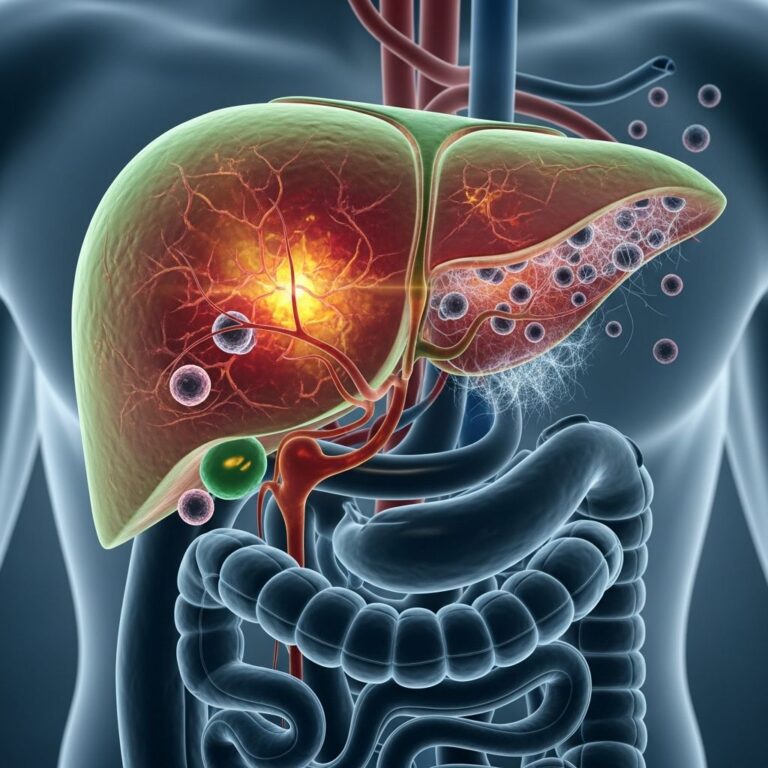
- Fatty liver disease (hepatic steatosis)
- Dry skin and skin rashes, including characteristic flaky paint dermatitis
- Diarrhea and other digestive disturbances
- Cough and respiratory symptoms
- Dehydration
- Nervous irritability and developmental delays
Causes and Risk Factors
Protein deficiency is the main feature of kwashiorkor, and many researchers believe it is the primary cause. However, not all experts are entirely convinced that protein deficiency alone explains the condition. Some researchers have noted cases where dietary protein supplementation failed to prevent or improve kwashiorkor, suggesting that protein deficiency may only be part of a more complex picture.
Primary Factors Associated with Kwashiorkor:
- Inadequate dietary protein intake from protein-poor foods
- Poor intestinal absorption of nutrients
- High consumption of starchy foods while avoiding protein sources
- Transition from breastfeeding to inadequate complementary foods
- Chronic infections and infectious diseases
- High levels of poverty and food insecurity
- Poor sanitary conditions
- Inadequate food supply and limited access to diverse foods
Related Stories



Contributing Factors:
In addition to direct protein deficiency, several other factors may contribute to the development of kwashiorkor. These include chronic alcoholism, kidney disease, infection, burns, or other trauma resulting in abnormal loss of body protein. Protein malnutrition is often associated with deficiencies of one or more other nutrients and inadequate caloric intake. When caloric intake is inadequate and the level of dietary protein is barely adequate, protein malnutrition may still develop because some of the protein gets metabolized to supply the body’s energy needs.
Research suggests that a lack of antioxidant micronutrients and the presence of aflatoxins (toxic compounds produced by certain molds) may also contribute to disease development. Poor sanitary conditions and a high prevalence of infectious diseases help set the stage for malnutrition in vulnerable populations.
Geographic and Demographic Distribution
Kwashiorkor is rare in developed countries but remains a significant public health concern in developing nations. It is most commonly found in developing countries with high rates of poverty and food scarcity. The condition predominantly affects children in regions where the traditional diet is high in starch and low in proteins, such as areas where cassava, plantain, sweet potato, and cereal grains form the dietary staple.
While kwashiorkor can affect all ages, it is most common in children, especially between ages 3 to 5. This age group represents a critical transition period when many children have recently moved from breastfeeding to a diet that may be higher in carbohydrates but significantly lower in protein and other essential nutrients.
Diagnosis of Kwashiorkor
Healthcare providers can often diagnose kwashiorkor by physically examining the child and observing its telltale physical signs. The diagnostic process involves several key components designed to confirm the condition and assess its severity.
Diagnostic Approach:
- Physical examination looking for characteristic edema and other signs
- Detailed dietary history to identify protein intake patterns
- Review of medical history including illnesses or infections
- Assessment of the child’s weight-to-height ratio
- Evaluation of height-to-age measurements
- Scoring according to various standardized nutritional assessment charts
The weight-to-height score tells healthcare providers how severe the child’s condition currently is, while the height-to-age score reveals how much the child’s growth has been affected by prolonged malnutrition. These measurements are crucial for determining the appropriate level and intensity of intervention needed.
Treatment Approach
Left untreated, kwashiorkor can be fatal, with death potentially caused by infection, dehydration, or liver failure. However, when treatment begins promptly and appropriately, people are at high risk of complications from refeeding syndrome, a serious metabolic condition that can occur when nutrition is rapidly reintroduced. Despite these risks, those who are successfully rehabilitated can make a strong recovery.
WHO Treatment Guidelines:
The World Health Organization has outlined 10 steps to follow when treating severe undernutrition, which provide a comprehensive framework for managing kwashiorkor safely and effectively:
- Assess and treat hypoglycemia
- Assess and treat hypothermia
- Assess and treat dehydration
- Correct electrolyte abnormalities
- Treat infections
- Provide initial nutrition carefully
- Correct micronutrient deficiencies
- Begin catch-up growth
- Provide emotional support and stimulation
- Plan for long-term rehabilitation and follow-up
The consumption of dried milk-based formula has proven effective in treating kwashiorkor and remains a cornerstone of nutritional rehabilitation. Simply feeding with protein may be insufficient and potentially dangerous, making careful medical supervision essential during the treatment process.
Long-Term Outcomes and Complications
The severity and duration of complications from kwashiorkor depend largely on how long the condition remained untreated. Some children may never fully recover from the growth and development shortages caused by prolonged protein malnutrition. Those affected may remain predisposed to liver disease and pancreatic insufficiency throughout their lives.
Earlier intervention leads to significantly better outcomes. Children who receive prompt treatment may recover well, though they may experience some lingering effects. Protein malnutrition in early life may lead to an adult predisposition to certain diseases such as cirrhosis of the liver and can cause stunted mental and cognitive development.
Prevention and Public Health Measures
As long-term preventive measures, international groups such as the World Health Organization and the Food and Agriculture Organization of the United Nations have actively encouraged the successful development of high-protein plant mixtures based on local food preferences and availability. These initiatives aim to provide sustainable, culturally appropriate solutions to prevent kwashiorkor in vulnerable populations.
Frequently Asked Questions
Q: Why does kwashiorkor appear like someone is well-nourished when they are actually severely malnourished?
A: The distended abdomen typical of kwashiorkor results from fluid retention (edema) caused by severe protein deficiency. This swelling can be misleading because it creates the appearance of abdominal fullness, when in reality the person is critically malnourished with emaciated limbs.
Q: How is kwashiorkor different from other types of malnutrition?
A: Kwashiorkor is distinguished by its specific focus on severe protein deficiency, whereas other forms of malnutrition may involve deficiencies in all macronutrients. The characteristic fluid retention (edema) that develops with kwashiorkor is a key distinguishing feature not seen in marasmus.
Q: Can kwashiorkor occur in developed countries?
A: While rare, kwashiorkor can occur in developed countries. Cases have been documented in situations involving neglect, severe feeding abnormalities, or certain medical conditions. Medical professionals must maintain awareness of kwashiorkor even in wealthy nations.
Q: What is the most critical aspect of kwashiorkor treatment?
A: Early intervention is the most critical aspect. The longer kwashiorkor remains untreated, the more severe and longer-lasting the complications become. Prompt diagnosis and appropriate medical treatment can help minimize long-term effects and potentially save lives.
Q: How can kwashiorkor be prevented?
A: Prevention involves ensuring adequate protein intake through diverse diets, improving food security, promoting proper breastfeeding practices, and developing culturally appropriate high-protein food options for vulnerable populations, particularly young children.
References
- Kwashiorkor: Definition, Symptoms, Causes & Diagnosis — Cleveland Clinic. 2022-05-18. https://my.clevelandclinic.org/health/diseases/23099-kwashiorkor
- Kwashiorkor — Britannica Encyclopedia. Accessed 2025. https://www.britannica.com/science/kwashiorkor
- Kwashiorkor – MalaCards — MalaCards Disease Database. Accessed 2025. https://www.malacards.org/card/kwashiorkor
- Kwashiorkor in Cleveland — B Lozoff, American Journal of Diseases of Children. 1975-06. https://pubmed.ncbi.nlm.nih.gov/808119/
- Malnutrition: Definition, Causes, Symptoms & Treatment — Cleveland Clinic. Accessed 2025. https://my.clevelandclinic.org/health/diseases/22987-malnutrition
- Dermatosis in a Child with Kwashiorkor Secondary to Food Aversion — Pediatric Dermatology, Wiley Online Library. 1999. https://onlinelibrary.wiley.com/doi/10.1046/j.1525-1470.1999.00023.x
- World Health Organization Guidelines for Treatment of Severe Acute Malnutrition — WHO. Accessed 2025. https://www.who.int/
Similar Articles








Read full bio of medha deb