Kyphosis: Understanding Causes, Symptoms, and Treatment
Comprehensive guide to kyphosis: Learn about causes, symptoms, types, and effective treatment options.
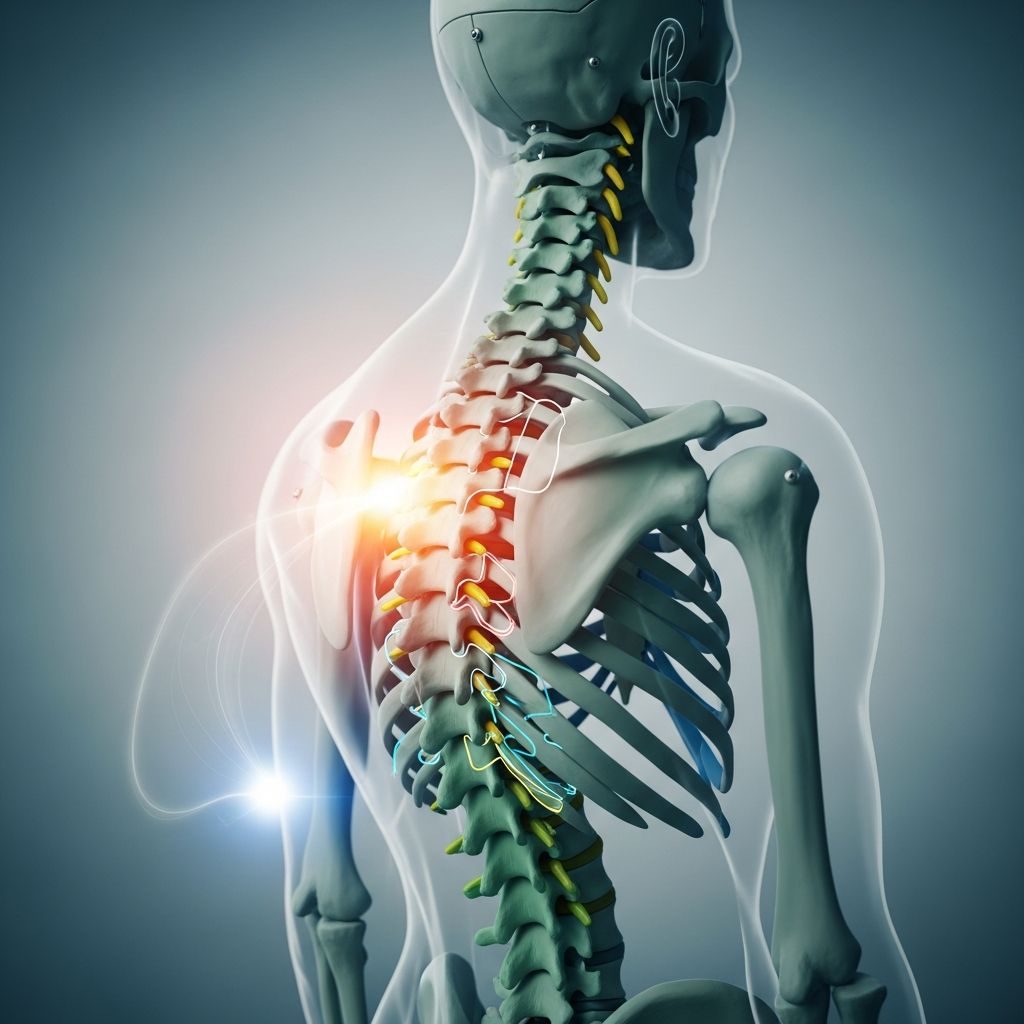
What Is Kyphosis?
Kyphosis is an excessive forward curve of your spine, creating an abnormal rounding in the upper back area. This condition causes the spine to bend forward more than it should, which can result in a hunching or stooped posture. While a natural curve in the thoracic spine is normal and healthy, kyphosis develops when this curve becomes exaggerated beyond the normal range. The condition is sometimes referred to as a “rounded back” or excessive thoracic kyphosis when it occurs in the upper spine region.
The severity of kyphosis varies considerably from person to person. Some individuals experience only mild postural changes, while others develop significant deformities that impact their quality of life and functional abilities. The forward curvature can affect how you stand, walk, and perform daily activities, and in more severe cases, it may compress vital structures within and around the spine.
Understanding the Types of Kyphosis
Several distinct types of kyphosis exist, each with different causes, progression patterns, and treatment requirements. Understanding which type you have is crucial for determining the most appropriate treatment approach.
Postural Kyphosis
Postural kyphosis is the most common type and develops primarily due to poor posture habits over time. This type typically affects people who spend extended periods hunched over desks, computers, or mobile devices. The good news is that postural kyphosis is often reversible with conscious effort to improve posture and through targeted stretching and strengthening exercises. Unlike structural kyphosis, postural kyphosis does not involve permanent changes to the vertebral bodies themselves.
Scheuermann’s Kyphosis
Scheuermann’s kyphosis is a structural condition that typically develops during adolescence and young adulthood. This type involves wedge-shaped deformities of the vertebral bodies, creating a more rigid curve that cannot be corrected simply by improving posture. It occurs when vertebrae develop abnormally, becoming wedge-shaped rather than rectangular. The condition is estimated to affect approximately 1 to 8 percent of the population, though exact prevalence varies by region and population studied.
Cervical Kyphosis
Cervical kyphosis, also known as military neck or “bent forward deformity,” affects the neck region of the spine. This type is estimated to occur in 20 to 40 percent of adults aged 60 or older. Cervical kyphosis can develop due to degenerative changes, injury, or poor posture. The condition may cause neck pain, difficulty holding the head upright for extended periods, and in severe cases, neurological symptoms due to spinal cord compression.
Congenital Kyphosis
Congenital kyphosis is present from birth and results from abnormal development of the vertebrae during fetal development. This type is typically more rigid and may require surgical intervention early in life to prevent progression and avoid neurological complications. The severity at birth and the rate of progression determine the timing and type of treatment needed.
Hyperkyphosis
Hyperkyphosis refers to excessive kyphosis that can develop from various causes, including osteoporosis, degenerative disc disease, or cumulative postural stress. This type is particularly common in older adults and can significantly impact mobility and quality of life.
Causes of Kyphosis
Kyphosis develops through various mechanisms, and identifying the underlying cause is essential for effective treatment planning. The causes range from behavioral factors to structural abnormalities and disease processes.
Related Stories



Postural Factors
Poor posture is one of the leading causes of kyphosis development. Prolonged slouching, spending excessive time hunched over computers or mobile devices, and weak back muscles all contribute to postural kyphosis. Over time, tight chest muscles combined with weak back extensors create an imbalance that pulls the spine forward into a kyphotic position.
Age-Related Changes
As people age, degenerative changes naturally occur in the spine. Intervertebral discs lose water content and become less resilient, vertebral bodies may develop osteoporosis-related compression fractures, and cartilage deteriorates. These age-related processes can collectively result in increased thoracic kyphosis, particularly in individuals over 60 years old.
Osteoporosis
Osteoporosis weakens bone density throughout the skeleton, making vertebrae more susceptible to compression fractures. Multiple compression fractures in the thoracic spine can lead to progressive kyphosis. This is particularly common in postmenopausal women and older adults of all genders.
Structural and Genetic Factors
Conditions like Scheuermann’s disease, congenital vertebral abnormalities, and genetic predispositions can cause kyphosis. Some individuals are born with vertebral bodies that develop abnormally, leading to structural kyphosis that cannot be corrected through postural changes alone.
Trauma and Injury
Significant spinal injuries, particularly compression fractures, can result in permanent kyphotic deformity. The severity depends on the extent of damage to the vertebral bodies and supporting structures.
Recognizing Symptoms of Kyphosis
The symptoms of kyphosis vary depending on the severity of the curve and whether neurological structures are affected. Early recognition allows for prompt intervention and can prevent progression.
Postural and Appearance Changes
The most obvious sign of kyphosis is a visible rounding or hunching of the upper back. People with kyphosis often appear to be leaning forward, and clothes may not fit properly across the shoulders and chest. The head may protrude forward beyond its normal alignment with the body.
Pain and Discomfort
Many individuals with kyphosis experience back pain, particularly in the mid-back region. This pain may be constant or intermittent and can be exacerbated by prolonged standing, sitting, or certain physical activities. Muscle fatigue is common due to the increased effort required to maintain posture with a curved spine.
Reduced Range of Motion
Kyphosis can limit spinal flexibility and reduce the ability to fully extend the back or turn the neck. This may affect daily activities like looking upward or backward.
Neurological Symptoms
In severe cases, particularly with cervical kyphosis, compression of the spinal cord or nerve roots can cause neurological symptoms. These may include tingling, numbness, weakness in the arms or legs, loss of bladder or bowel control, or difficulty with coordination and balance. These symptoms require immediate medical attention.
Breathing Difficulties
Severe kyphosis can compress the chest cavity, potentially affecting lung capacity and causing shortness of breath, particularly during physical exertion.
Diagnosis of Kyphosis
Proper diagnosis involves both clinical examination and imaging studies. Healthcare providers will assess your posture, spinal alignment, and range of motion. Imaging tests such as X-rays are used to measure the degree of curvature and identify any structural abnormalities. For cervical kyphosis and other complex cases, static and dynamic radiography may be performed to evaluate how the spine moves. In some cases, advanced imaging like MRI or CT scans may be ordered to assess soft tissue and detect any neurological compression.
Treatment Options for Kyphosis
Treatment approaches range from conservative interventions to surgical correction, depending on the type and severity of kyphosis, the underlying cause, and individual patient factors.
Conservative Treatment Approaches
Physical Therapy and Exercise: Physical therapy is often the first-line treatment, particularly for postural kyphosis. A tailored exercise program focusing on spinal extensor strengthening, chest stretching, and core stabilization can significantly improve posture and reduce symptoms. These exercises help rebalance the muscles around the spine and improve overall spinal alignment.
Postural Awareness and Modification: Conscious attention to maintaining proper posture throughout daily activities is essential. Ergonomic modifications to workspaces, breaking up extended sitting periods, and maintaining awareness of spinal alignment can prevent progression and improve symptoms.
Pain Management: Over-the-counter nonsteroidal anti-inflammatory drugs (NSAIDs) can help manage pain and inflammation associated with kyphosis. Heat therapy and massage may also provide temporary relief.
Back Bracing: For Scheuermann’s kyphosis, particularly in adolescents with progressive curves, a back brace may be prescribed and worn for one to two years to prevent further progression. Bracing is most effective when the curve has not yet progressed significantly.
Surgical Intervention
Surgery for kyphosis is typically reserved for cases where conservative treatment has failed or when the condition is severe and causes significant disability or neurological symptoms. The decision to proceed with surgery requires careful evaluation of the individual’s overall health, functional status, and realistic expectations for outcomes.
Indications for Surgery: Surgery may be recommended when kyphosis causes severe pain unresponsive to conservative treatment, progressive neurological deficits, significant functional impairment, or unacceptable cosmetic deformity. For congenital kyphosis, early surgical intervention is often necessary to prevent progression and neurological complications.
Surgical Techniques: Various surgical approaches exist depending on the type and severity of kyphosis. Anterior cervical discectomy and fusion involves removing damaged disc material and fusing vertebrae from the front of the neck. Posterior fusion approaches address the problem from the back of the spine. Instrumented fusion osteotomy combines bone-cutting procedures with the use of rods, plates, and screws to correct the curve and stabilize the spine. Vertebral body resection may be used in severe congenital cases to remove the abnormal vertebra and allow spinal realignment.
Surgical Considerations: Modern spine surgery often employs multidisciplinary team approaches and advanced decision-making tools, including artificial intelligence platforms that analyze patient data to predict surgical success. Surgeons focus on individualizing treatment plans, ensuring that the benefits of surgery justify the risks for each particular patient. The goal is to provide durable benefits and meaningful improvements in functional capacity and quality of life.
Factors Influencing Treatment Decisions
| Factor | Consideration |
|---|---|
| Type of Kyphosis | Postural and mild Scheuermann’s respond well to conservative care; congenital and severe degenerative cases may need surgery |
| Severity of Curve | Mild curves (less than 40-50 degrees) typically managed conservatively; severe curves may require surgery |
| Neurological Symptoms | Presence of numbness, weakness, or other nerve compression symptoms often indicates surgical consideration |
| Patient Age and Health | Overall fitness, comorbidities, and life expectancy influence surgical candidacy |
| Functional Impact | Degree of disability and impact on quality of life guide treatment intensity |
| Response to Conservative Treatment | Duration and intensity of conservative therapy before considering surgical options |
Prognosis and Long-Term Outcomes
The prognosis for kyphosis depends significantly on the underlying cause and the type of condition. Postural kyphosis generally has an excellent prognosis with appropriate intervention, as it is reversible through exercise and postural modification. Scheuermann’s kyphosis typically progresses during adolescence and then stabilizes in adulthood, though significant deformity may persist.
Age-related and degenerative kyphosis may progress gradually over time but can often be managed effectively with conservative measures. Surgical outcomes for properly selected patients are generally favorable, with many individuals reporting significant improvement in pain, function, and quality of life following corrective procedures.
Prevention Strategies
While some forms of kyphosis cannot be prevented, several strategies can reduce your risk or slow progression:
– Maintain good posture throughout daily activities- Take frequent breaks from prolonged sitting- Perform regular strengthening and stretching exercises- Ensure adequate calcium and vitamin D intake to maintain bone health- Engage in weight-bearing exercise to maintain bone density- Avoid heavy smoking and excessive alcohol consumption- Use ergonomically appropriate workspaces and furniture- Practice core strengthening exercises regularly
Living with Kyphosis
Successfully managing kyphosis involves ongoing commitment to posture, exercise, and self-care. Most individuals with kyphosis can maintain active, fulfilling lives with appropriate treatment. Regular follow-up with healthcare providers helps monitor progression and adjust treatment as needed. Mental health support may be beneficial, as visible spinal deformity can affect body image and self-esteem in some individuals.
Frequently Asked Questions
Q: Is kyphosis the same as scoliosis?
A: No, they are different spinal conditions. Kyphosis is an excessive forward curve of the spine in the front-to-back plane, while scoliosis is a sideways curve of the spine. Both can occur together in some individuals.
Q: Can kyphosis be reversed?
A: Postural kyphosis can be reversed or significantly improved through exercise, postural modification, and physical therapy. However, structural types like Scheuermann’s kyphosis are not fully reversible, though they can be managed effectively to reduce symptoms and prevent progression.
Q: Is surgery always necessary for kyphosis?
A: No, surgery is not always necessary. Most cases of kyphosis can be managed successfully with conservative treatments including physical therapy, posture correction, and pain management. Surgery is reserved for severe cases with significant disability, neurological symptoms, or failure of conservative treatment.
Q: How long does recovery take after kyphosis surgery?
A: Recovery time varies depending on the type and extent of surgery performed. Most patients can return to light activities within 6 to 8 weeks, with full recovery typically occurring within 3 to 6 months. Your surgeon will provide specific guidelines based on your particular procedure.
Q: What age group is most affected by kyphosis?
A: While kyphosis can affect people of any age, it becomes increasingly common with advancing age. Postural kyphosis can develop in young people due to poor habits, Scheuermann’s typically appears in adolescence, and age-related degenerative kyphosis becomes more prevalent in adults over 60.
Q: Can poor posture from computer use cause permanent kyphosis?
A: Chronic poor posture from extended computer use can lead to postural kyphosis. However, since this type is functional rather than structural, it is reversible with conscious postural correction and targeted exercises. Early intervention prevents progression to more serious forms of kyphosis.
Q: What is the connection between osteoporosis and kyphosis?
A: Osteoporosis weakens bone density, making vertebrae susceptible to compression fractures. Multiple compression fractures in the thoracic spine can lead to progressive kyphosis. Managing osteoporosis through adequate calcium and vitamin D intake and appropriate medications can help prevent this complication.
References
- Cervical Kyphosis in a Geriatric Patient: A Case Study — Cleveland Clinic Consult QD. 2022. https://consultqd.clevelandclinic.org/cervical-kyphosis-in-a-geriatric-patient-a-case-study
- Types of Kyphosis: The Complete List — HealthCentral. 2024. https://www.healthcentral.com/condition/kyphosis/types-kyphosis
- Vertebral Body Resection for Severe Congenital Kyphosis — Cleveland Clinic Consult QD. https://consultqd.clevelandclinic.org/vertebral-body-resection-severe-congenital-kyphosis
- Cervical Kyphosis: Symptoms, Causes & Treatment — Cleveland Clinic. 2024. https://my.clevelandclinic.org/health/diseases/22868-cervical-kyphosis
- Kyphosis: What It Is, Causes, Symptoms, Types & Treatment — Cleveland Clinic. 2024. https://my.clevelandclinic.org/health/diseases/17671-kyphosis
- Spine Deformity: Kyphosis and Scoliosis Surgery for Adults — Cleveland Clinic London. https://clevelandcliniclondon.uk/clinical-institutes/neurosciences/neurosurgery-spine-surgery/spine-deformity
- A Biomechanical Analysis on the Influence of Variable Spinal Alignment — National Center for Biotechnology Information (NIH). 2024. https://pmc.ncbi.nlm.nih.gov/articles/PMC12614897/
Similar Articles








Read full bio of medha deb