Kyrle Disease: Causes, Symptoms, and Treatment
Comprehensive guide to Kyrle disease: Understanding this rare perforating dermatosis and its management.
Understanding Kyrle Disease
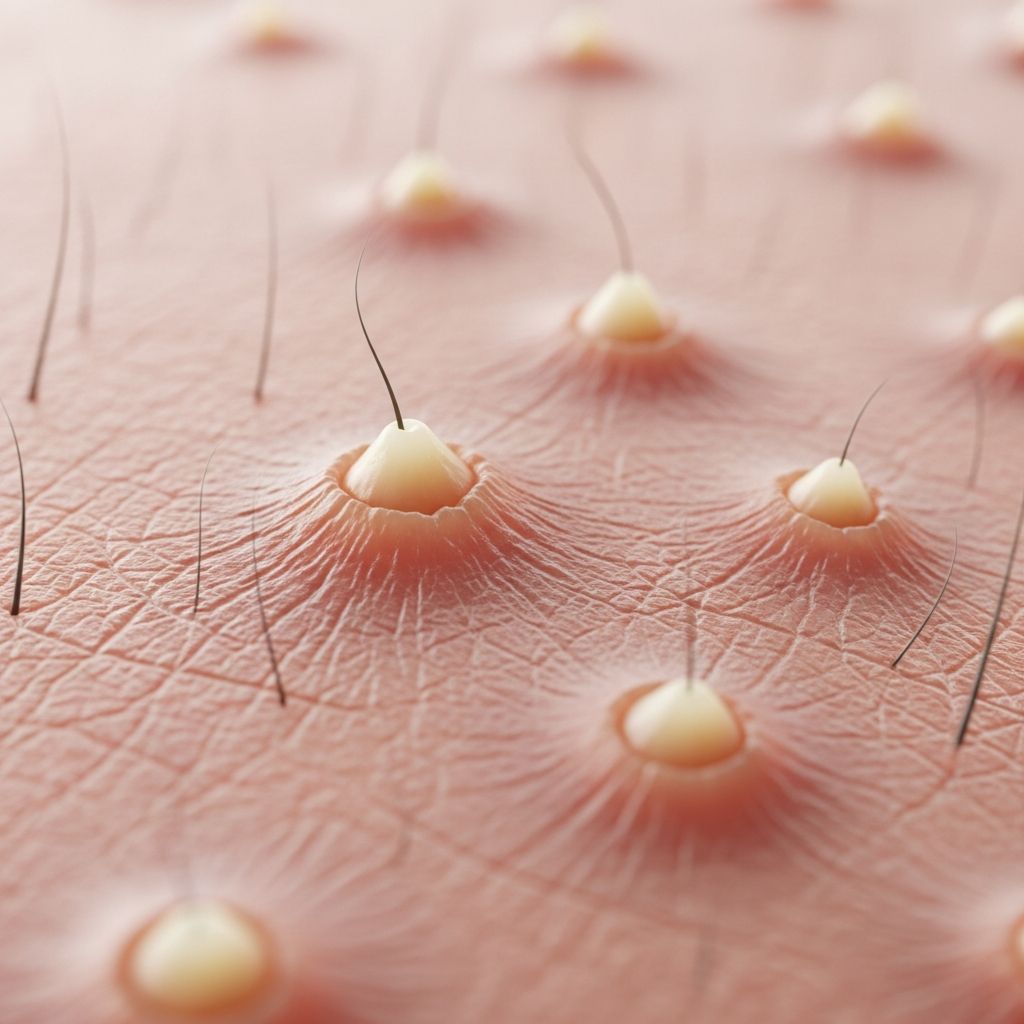
Kyrle disease is a rare papulonodular mucocutaneous disorder characterized by the transepidermal elimination of keratin from the dermis through the epidermis onto the skin surface. This condition represents a distinct subtype of primary perforating dermatosis, a group of uncommon skin conditions involving the abnormal elimination of skin components through the epidermis. The disease was first documented in 1916 by Austrian dermatologist and pathologist Josef Kyrle, who described it as “hyperkeratosis follicularis et parafollicularis in cutem penetrans” after identifying the condition in a diabetic female patient presenting with generalized hyperkeratotic papules.
Kyrle disease remains a subject of ongoing clinical debate. Some dermatologists view it as a distinct clinical entity with specific diagnostic criteria, while others consider it part of the broader reactive perforating collagenosis spectrum. This classification controversy reflects the complexity of perforating dermatoses and the challenges in differentiating between similar conditions that share overlapping clinical and histopathological features.
Disease Demographics and Epidemiology
Kyrle disease is predominantly observed in middle-aged adults, with the highest prevalence occurring in females between 30 and 50 years of age. However, the disease has been documented across various age groups and demographics. The condition shows no significant sexual or racial predilection, meaning it can affect individuals regardless of gender or ethnicity. The disease typically follows a chronic course, with lesion duration ranging from several months to multiple decades. Individuals often develop an increasing number of lesions as they age, and new lesions can arise from repeated scratching or minor skin trauma.
Causes and Pathogenesis
The exact pathogenesis of Kyrle disease remains unclear, though researchers have identified several contributing factors. The fundamental pathogenic mechanism appears to involve an uncoupling of epidermal proliferation and differentiation, where keratinization occurs at a faster rate than the production of new epidermal cells. This imbalance leads to the accumulation of keratin material.
Several systemic conditions are strongly associated with Kyrle disease development:
- Diabetes mellitus – One of the most common associated conditions
- Chronic kidney disease – Frequently linked to disease manifestation
- Liver disorders – Including hepatic impairment and cirrhosis
- Renal failure – A major risk factor for developing the condition
- Immunosuppression – May increase disease susceptibility
The role of trauma in disease pathogenesis is particularly significant. The Koebner phenomenon, where lesions develop at sites of skin trauma or scratching, is frequently observed in Kyrle disease. Advanced glycation end products (AGEs) have been identified in patients with acquired perforating dermatosis, suggesting that inflammatory and metabolic factors contribute to disease development. Transepidermal elimination can be triggered by scratching or traumatic damage to the basement membrane zone, exposing AGE products to keratinocytes and perpetuating the disease cycle.
Clinical Features and Presentation
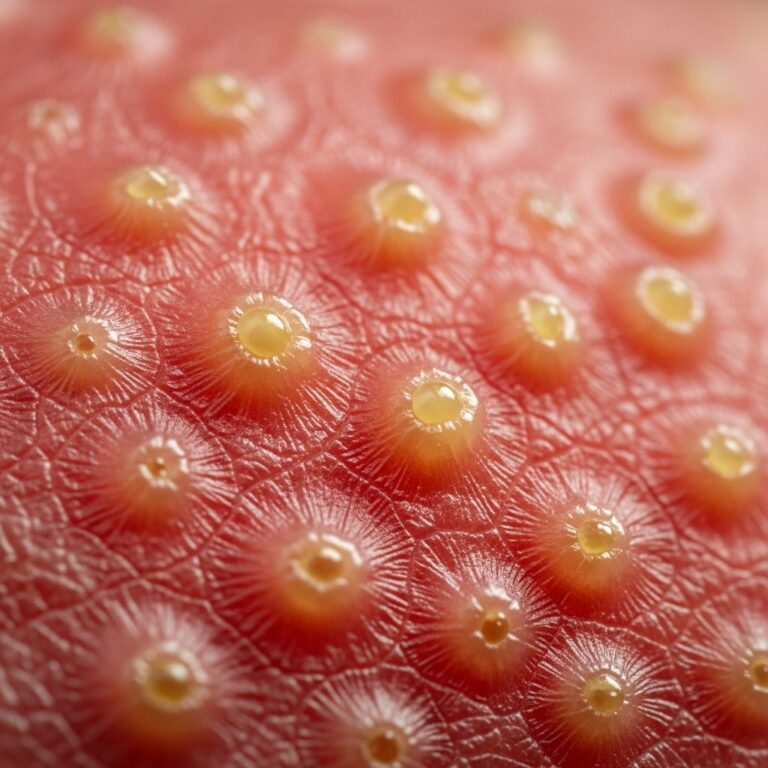
The clinical presentation of Kyrle disease is distinctive and helps guide diagnosis. Patients typically develop multiple hyperkeratotic papules and nodules characterized by central umbilication, crusting, or keratotic plugs. These lesions are generally described as:
Related Stories



- Erythematous, hyperpigmented, or skin-colored in appearance
- Round or dome-shaped with cone-shaped hyperkeratotic centers
- Measuring 2–8 millimeters in diameter on average
- Discrete, well-defined, and often with raised margins
The distribution pattern of lesions typically favors certain body regions. Lesions predominantly involve the extensor surfaces of the extremities, the scapular region, and the buttocks. However, the condition may also affect the axillary vaults, face, hands, and feet, though the palms and soles are typically spared. In rare cases, involvement of the conjunctiva and buccal mucosa has been documented, making this a potential mucocutaneous condition.
While Kyrle disease is often described as asymptomatic, many patients experience pruritus (itching) as a significant symptom, particularly after lesions have been traumatized or scratched. This pruritus can be severe and lead to further trauma through scratching, creating a cycle of inflammation and new lesion formation. Tenderness may also accompany affected skin areas. The disease typically follows an extremely chronic course, with lesions persisting for decades in many patients. Interestingly, the Koebner phenomenon is frequently observed, meaning that trauma or scratching can induce new lesions at injury sites.
Associated Conditions and Complications
Kyrle disease frequently occurs in conjunction with significant systemic diseases, making it an important clinical indicator of underlying health problems. The most common associated conditions include:
- Diabetes mellitus
- Chronic kidney disease and renal failure
- Liver disease and hepatic dysfunction
- End-stage renal disease requiring dialysis
The relationship between these systemic conditions and Kyrle disease is bidirectional. Not only do these diseases increase susceptibility to Kyrle disease, but the skin manifestations often improve when the underlying systemic condition is adequately managed. For patients with renal disease, treatment of the underlying kidney condition or successful renal transplantation may result in significant improvement or resolution of cutaneous lesions. This improvement suggests that metabolic factors related to kidney dysfunction play a crucial role in disease pathogenesis.
Complications primarily relate to the chronic nature of the condition and the effects of repeated trauma from scratching. Secondary bacterial infections may occur following skin disruption, and the psychological impact of widespread visible lesions can be significant, particularly when the face or other exposed body areas are involved.
Diagnosis and Diagnostic Criteria
Kyrle disease can usually be diagnosed based on its distinctive clinical features and associated systemic conditions. However, skin biopsy with histopathological examination provides definitive confirmation and helps differentiate the condition from other perforating dermatoses.
Histopathological examination reveals characteristic findings that include:
- A keratotic plug filling an epidermal invagination
- Parakeratosis present within or surrounding the keratin plug
- A focus of vacuolated dyskeratotic cells extending to the basal cell layer and penetrating into the dermis
- Inflammatory and granulomatous reactions in response to keratin penetration
- Acanthosis and hyperkeratosis of the epidermis
- Abnormal keratinization of epithelial cells
- Basophilic cell debris within the lesion
The Constantine and Carter criteria, formulated to standardize histopathological diagnosis, require the presence of a keratotic plug filling an epidermal invagination, parakeratosis, basophilic cell debris, and abnormal keratinization of epithelial cells. These criteria help pathologists reliably diagnose Kyrle disease and distinguish it from other acquired perforating dermatoses.
Differential Diagnoses
Several perforating dermatoses share clinical and histopathological similarities with Kyrle disease, making differential diagnosis essential:
- Reactive perforating collagenosis (RPC) – Characterized by collagen blockage on histology rather than keratin plugs
- Elastosis perforans serpiginosa (EPS) – Features elastic tissue perforation instead of keratin elimination
- Perforating folliculitis (PF) – Involves perforation of follicular epithelium by collagen and extracellular matrix
- Acquired perforating dermatosis (APD) – A broader category encompassing multiple perforating conditions
Histopathological examination is crucial for distinguishing these conditions, as each demonstrates distinct tissue components blocking the epidermis or being eliminated through it. The characteristic keratin plug formation in Kyrle disease differentiates it from conditions involving collagen or elastic tissue perforation.
Treatment Approaches and Management
The primary treatment goal for Kyrle disease is to control pruritus and minimize superficial trauma, as rapid improvement often follows management of any associated underlying disease. Treatment options range from conservative approaches to more aggressive interventions:
Topical Treatments
- Topical retinoids – Particularly retinoic acid 0.1% cream, which has shown lesion flattening within one week of initiating therapy
- Topical corticosteroids – With variable efficacy in reducing inflammation
- Topical keratolytics – Though historically with limited success
Systemic Therapies
- Systemic methotrexate – Reported with inconsistent efficacy
- Systemic corticosteroids (prednisone) – May help control inflammation and pruritus
- Vitamin A supplementation – At high doses (100,000 U/day), though results vary
Phototherapy
UVB phototherapy is considered one of the most effective treatment modalities for Kyrle disease, particularly for patients with widespread lesions or concurrent pruritus from renal or hepatic disease. A standard treatment regimen involves three weekly sessions for six weeks. Broadband or narrowband UVB, as well as PUVA (psoralen and ultraviolet light) phototherapy, have demonstrated therapeutic benefit. Phototherapy is particularly valuable for managing associated pruritus symptoms.
Physical and Surgical Modalities
- Electrocautery – Provides temporary improvement but lesions often recur
- Cryotherapy – Limited to temporary effectiveness
- CO₂ laser surgery – May improve appearance but typically results in short-term remission followed by recurrence
- Curettage – Can be combined with UVB phototherapy for enhanced results
Management of Associated Systemic Disease
Critical to successful treatment is management of underlying systemic conditions. In renal disease patients, treatment of kidney dysfunction or renal transplantation may result in significant cutaneous improvement. For dialysis patients, anecdotal reports suggest that changing dialysis tubing has occasionally improved skin manifestations. Optimizing control of diabetes mellitus through improved glycemic management may also benefit skin disease progression.
Disease Outcome and Long-term Prognosis
Kyrle disease typically follows a chronic, protracted course. While individual lesions are self-healing, complete disease resolution is uncommon, and lesions frequently recur. As patients age, they often develop larger numbers of lesions and more extensive involvement. The chronic nature of the condition necessitates long-term management strategies focused on symptom control and prevention of complications.
Prognosis improves significantly when underlying systemic diseases are adequately treated and controlled. Patients with renal disease who undergo transplantation often experience marked improvement or resolution of skin lesions. Similarly, better glycemic control in diabetic patients may slow disease progression or reduce lesion development.
Frequently Asked Questions
What exactly causes Kyrle disease?
The exact cause remains unclear, but the condition involves an uncoupling of epidermal proliferation and differentiation, leading to faster keratinization than cell production. It is strongly associated with systemic diseases like diabetes mellitus, chronic kidney disease, and liver disorders.
Is Kyrle disease contagious?
No, Kyrle disease is not contagious. It is a non-infectious dermatological condition resulting from abnormal skin keratin elimination and is associated with underlying systemic health conditions.
Can Kyrle disease be cured?
Complete cure is rare, but significant improvement is possible, especially with treatment of underlying systemic diseases. Lesions are self-healing but tend to recur. Long-term management focuses on symptom control and preventing new lesion formation.
Which treatment is most effective for Kyrle disease?
UVB phototherapy is considered the most effective treatment, particularly for widespread lesions or those accompanied by significant pruritus. Topical retinoids and management of underlying systemic diseases are also important components of treatment strategy.
How long does Kyrle disease last?
Kyrle disease typically follows an extremely chronic course, with lesion duration ranging from months to several decades. The disease is persistent but often responds well to appropriate treatment, particularly when underlying systemic conditions are managed effectively.
Does scratching make Kyrle disease worse?
Yes, scratching and trauma trigger the Koebner phenomenon in Kyrle disease, creating new lesions at injury sites. Minimizing trauma and scratching is a key component of disease management, making pruritus control essential.
References
- Kyrle Disease — DermNet New Zealand. 2024. https://dermnetnz.org/topics/kyrle-disease
- Kyrle Disease — StatPearls, National Center for Biotechnology Information (NCBI). 2024. https://www.ncbi.nlm.nih.gov/books/NBK532886/
- Kyrle’s Disease (hyperkeratosis follicularis et parafollicularis in cutem penetrans) — Dermatology Advisor. 2024. https://www.dermatologyadvisor.com/home/decision-support-in-medicine/dermatology/kyrles-disease-hyperkeratosis-follicularis-et-parafollicularis-in-cutem-penetrans/
- Generalized Lesions of Kyrle’s Disease: A Rare Case — Dove Press, International Medical Case Reports Journal. 2024. https://www.dovepress.com/generalized-lesions-of-kyrles-disease-a-rare-case-peer-reviewed-fulltext-article-IMCRJ
- Kyrle Disease: A Systematic Review of Clinical Features, Diagnostic Criteria and Management Approaches — HCA Healthcare Scholarly Commons. 2024. https://scholarlycommons.hcahealthcare.com/dermatology/104/
- Kyrle disease — VisualDx. 2024. https://www.visualdx.com/visualdx/diagnosis/kyrle+disease
Similar Articles








Read full bio of medha deb