L-Arginine Benefits: Heart Health, Performance & More
Discover how L-arginine supports cardiovascular health, exercise performance, and immune function.
What Is L-Arginine?
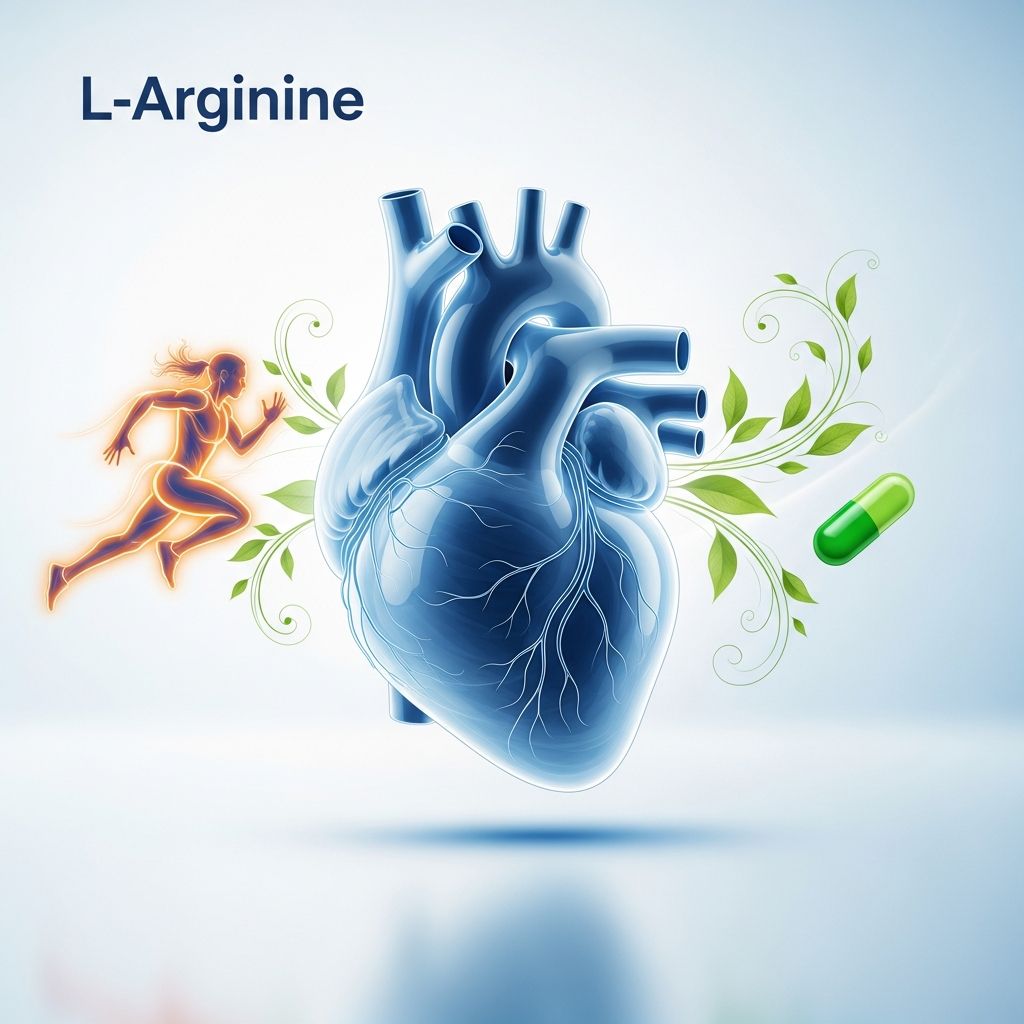
L-arginine is a semi-essential amino acid that plays a crucial role in numerous physiological processes throughout the body. While the body typically produces all the L-arginine it needs under normal circumstances, supplementation can provide additional benefits for specific health conditions and performance goals. L-arginine functions primarily through two main mechanisms: it converts into nitric oxide, a signaling molecule that dilates blood vessels and improves circulation, and it serves as a precursor for protein synthesis.
This amino acid can be obtained from various dietary sources, including protein-rich foods such as red meat, poultry, fish, eggs, and dairy products. For those seeking higher doses than diet alone provides, L-arginine supplements are widely available in powder and capsule forms. Understanding what L-arginine is and how it works in the body provides the foundation for appreciating its diverse health benefits.
Key Benefits of L-Arginine
Cardiovascular Health and Blood Pressure Management
Lowering High Blood Pressure
One of the most well-researched benefits of L-arginine is its ability to help manage hypertension. Research demonstrates that L-arginine supplementation can reduce both systolic and diastolic blood pressure in hypertensive adults by 2.2 to 5.4 mm Hg and 2.7 to 3.1 mm Hg, respectively. Additionally, a 2021 meta-analysis suggests that L-arginine may help reduce high blood pressure, with effects appearing more pronounced in females than in males.
The mechanism behind this benefit involves improved endothelial function—the health of the inner lining of blood vessels. By enhancing nitric oxide production, L-arginine helps blood vessels relax and dilate, allowing for improved blood flow and reduced pressure on vessel walls. This benefit extends to pregnant women with gestational hypertension, where L-arginine supplementation reduced diastolic blood pressure by approximately 4.9 mm Hg.
Supporting Heart Function
Long-term L-arginine supplementation has demonstrated improvements in coronary small-vessel endothelial function over a six-month period. Research shows that supplementation improves patients’ symptom scores and is associated with decreased plasma endothelin concentrations, a marker related to cardiovascular dysfunction. These findings suggest a potential therapeutic role for L-arginine in patients with coronary endothelial dysfunction and nonobstructive coronary artery disease.
Angina Symptom Relief
Angina, characterized by chest pain or discomfort, can significantly impact quality of life. Studies suggest that L-arginine might decrease the severity of symptoms and improve overall quality of life in people with mild to severe forms of angina. The improved blood flow resulting from L-arginine’s nitric oxide production helps deliver more oxygen to heart tissue, potentially reducing the chest pain associated with this condition.
Enhanced Exercise Performance
Athletes and fitness enthusiasts may benefit from L-arginine’s effects on athletic performance. A 2020 review and meta-analysis suggest that L-arginine supplements may have a positive effect on both aerobic and anaerobic exercise performance when consumed 60 to 90 minutes before activity. This enhanced performance results from improved blood flow, which increases oxygen and nutrient delivery to muscles and joint tissue, creating a more comfortable and effective workout experience.
Related Stories



Improved Immune Function
L-arginine plays an important role in supporting immune system function. The amino acid helps immune cells produce nitric oxide, which enhances cell-mediated immune function through modulation of cytokine production as well as lymphocyte proliferation and differentiation. For this reason, L-arginine is often administered to individuals recovering from surgery, fighting infections, or undergoing chemotherapy.
Hospital and surgical data provide compelling evidence: two of three meta-analyses found that L-arginine supplementation significantly reduced the relative rate of acquiring hospital-based infections by 40%, including pneumonia, abdominal abscess, septic shock, and urinary tract infections. Furthermore, L-arginine supplementation reduced hospital length of stay for surgical patients, likely through its dual effects on immune function and wound healing.
Reduced Inflammation
While acute inflammation is a necessary physical response to injury and infection, chronic inflammation can damage tissues and contribute to various diseases. L-arginine helps reduce chronic inflammation by supporting the body’s natural anti-inflammatory mechanisms. This benefit makes L-arginine supplementation particularly valuable for individuals with conditions characterized by excessive inflammatory responses.
Type 2 Diabetes Management
A 2017 study examining L-arginine supplementation in middle-aged adults with metabolic syndrome and impaired glucose tolerance found that the supplement may help delay the onset of type 2 diabetes for “a long period.” Given that type 2 diabetes represents a significant public health concern, this potential preventive benefit warrants further investigation and consideration.
Peripheral Arterial Disease Treatment
Peripheral arterial disease (PAD) involves narrowing of the arteries that carry blood to the legs and feet. Because of L-arginine’s effects in widening blood vessels through nitric oxide production, it may help those with PAD by improving blood flow to affected areas. This improved circulation can reduce symptoms such as pain during walking and support better tissue health in the extremities.
Erectile Dysfunction Support
L-arginine may be effective at treating erectile dysfunction due to its physical mechanism of action—improved blood flow to tissues. By enhancing nitric oxide production and vasodilation, L-arginine can support healthy erectile function. This application represents one of the amino acid’s most clinically relevant uses for many individuals.
How L-Arginine Works in the Body
Understanding the biological mechanisms behind L-arginine’s benefits provides insight into its diverse health applications. As mentioned, L-arginine serves two primary functions:
- Nitric Oxide Production: L-arginine converts into nitric oxide, which signals blood vessels to relax and dilate. This vasodilation effect improves blood flow throughout the body, delivering more oxygen and nutrients to tissues.
- Protein Synthesis: L-arginine serves as a building block for protein creation, essential for muscle growth, tissue repair, and numerous enzymatic functions.
- Wound Healing: L-arginine acts as a precursor for proline synthesis, important for collagen formation, and for polyamine synthesis, which promotes cell growth, proliferation, and differentiation.
- Hormone Regulation: L-arginine stimulates the release of anabolic hormones, including insulin, growth hormone, and insulin-like growth factor 1.
L-Arginine Dosage and Supplementation
For optimal effectiveness, particularly regarding exercise performance, L-arginine should be consumed 60 to 90 minutes before physical activity. However, appropriate dosing varies depending on the specific health condition being addressed and individual factors such as age, weight, and overall health status.
Most research studies demonstrating cardiovascular benefits employed long-term supplementation, often spanning six months or longer. This suggests that consistent, sustained use rather than sporadic supplementation may be necessary to achieve meaningful results. Individuals considering L-arginine supplementation should consult with healthcare providers to determine appropriate doses for their specific circumstances.
Safety and Considerations
L-arginine is generally considered safe for most individuals. However, certain populations should exercise caution or seek medical guidance before supplementing:
- Individuals with herpes simplex virus infections
- Those taking medications that affect blood pressure
- People with kidney or liver disease
- Pregnant or nursing women
- Those with asthma or allergies
Additionally, while the research supporting L-arginine’s benefits is substantial, it’s important to recognize that not all claims about this amino acid have robust scientific support. Individuals should rely on evidence-based sources when evaluating potential benefits and consult healthcare providers before beginning supplementation regimens.
L-Arginine Sources: Food vs. Supplements
L-arginine is naturally present in protein-rich foods, making dietary consumption an accessible option for those seeking to increase intake through nutrition. However, the amount of L-arginine available from food sources may be insufficient for therapeutic purposes identified in research studies.
| Source Type | Examples | Benefits |
|---|---|---|
| Dietary Sources | Red meat, poultry, fish, eggs, dairy products | Whole food nutrition, additional nutrients, sustainable approach |
| Supplements | Powder, capsules, tablets | Higher concentrations, precise dosing, convenient administration |
Frequently Asked Questions About L-Arginine
Q: Is L-arginine safe to take daily?
A: L-arginine is generally considered safe for daily use in appropriate doses. However, individuals with certain medical conditions or those taking specific medications should consult healthcare providers before starting daily supplementation to ensure safety and prevent interactions.
Q: How long does it take to see results from L-arginine supplementation?
A: Results vary depending on the health condition being addressed. Research demonstrating cardiovascular benefits often involved supplementation periods of six months or longer, suggesting that consistent use over extended periods may be necessary for optimal effects.
Q: Can L-arginine be taken with other supplements?
A: While L-arginine can often be combined with other supplements, potential interactions should be evaluated carefully. Individuals should consult healthcare providers before combining supplements, particularly if taking blood pressure medications or other cardiovascular drugs.
Q: What is the recommended dose of L-arginine?
A: Appropriate dosing depends on the specific health condition, individual health status, age, and weight. Research studies employed varying doses, and healthcare providers should recommend individualized dosing based on clinical assessment and evidence-based guidelines.
Q: Are there side effects associated with L-arginine supplementation?
A: Most individuals tolerate L-arginine well; however, some may experience gastrointestinal symptoms, allergic reactions, or interactions with certain medications. Those with herpes simplex virus should avoid supplementation without medical supervision.
Q: Can L-arginine improve athletic performance?
A: Yes, evidence suggests that L-arginine supplementation may enhance both aerobic and anaerobic exercise performance when taken 60 to 90 minutes before physical activity, primarily through improved blood flow and nutrient delivery to muscles.
Q: Is L-arginine effective for weight loss?
A: While L-arginine supports muscle growth and improves exercise performance, which could indirectly support weight management efforts, it is not specifically marketed or proven as a weight loss supplement.
Conclusion
L-arginine represents a scientifically-supported amino acid with diverse health applications, particularly for cardiovascular health, exercise performance, and immune function. Research demonstrates meaningful benefits for blood pressure reduction, improved endothelial function, and symptom relief for conditions such as angina. Beyond cardiovascular benefits, L-arginine supports immune system function, reduces inflammation, may help delay type 2 diabetes onset, and can improve exercise performance when properly timed.
While L-arginine is generally considered safe, the complexity of individual health circumstances and potential interactions with medications necessitates consulting healthcare providers before beginning supplementation. By understanding both the evidence supporting L-arginine’s benefits and the considerations for safe use, individuals can make informed decisions about whether this amino acid supplementation aligns with their health and wellness goals.
References
- L-Arginine Benefits for Heart Health & Performance — Baptist Health. 2024. https://www.baptisthealth.com/blog/health-and-wellness/l-arginine-benefits-for-heart-health-performance
- The Benefits and Side Effects of L-Arginine — Medical News Today. 2024. https://www.medicalnewstoday.com/articles/l-arginine
- Long-term l-Arginine Supplementation Improves Small-Vessel Coronary Endothelial Function — American Heart Association. Circulation, Vol. 97, No. 21. https://www.ahajournals.org/doi/10.1161/01.cir.97.21.2123
- Therapeutic Benefits of l-Arginine: An Umbrella Review of Meta-Analyses — National Center for Biotechnology Information (NCBI). PMC5021928. https://pmc.ncbi.nlm.nih.gov/articles/PMC5021928/
- L-Arginine Health Information — Augusta Health. 2024. https://www.augustahealth.com/article/l-arginine/
- L-Arginine: Uses, Side Effects, and More — Mayo Clinic. 2024. https://www.mayoclinic.org/drugs-supplements-l-arginine/art-20364681
- L-Arginine Benefits, Uses & Side Effects — Cleveland Clinic. 2024. https://my.clevelandclinic.org/health/drugs/22536-l-arginine
Similar Articles








Read full bio of medha deb