L-Citrulline: Benefits, Dosage, and Side Effects
Discover how L-citrulline supports exercise performance, blood pressure management, and erectile function with science-backed insights.
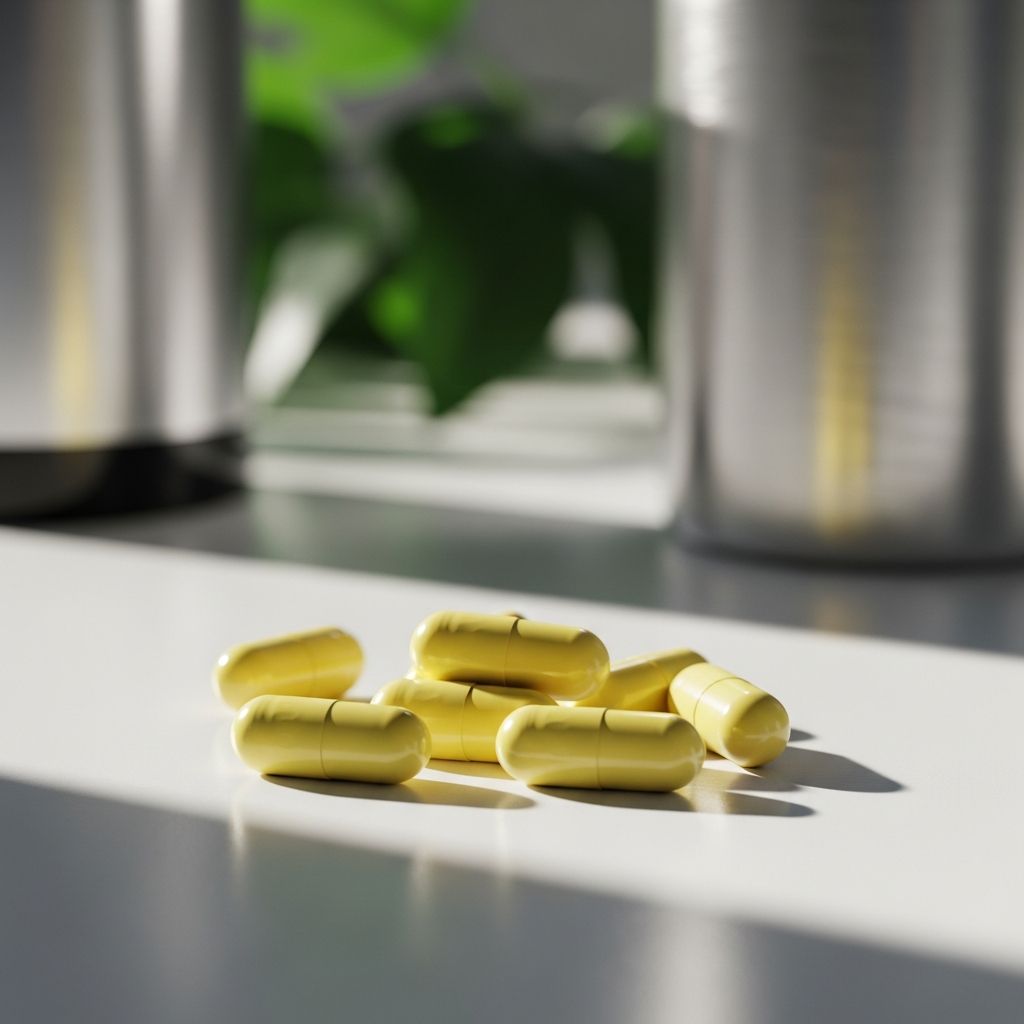
L-Citrulline is a non-essential amino acid naturally produced in the body and found in foods like watermelon. Unlike many amino acids used for protein synthesis, L-Citrulline plays a key role in the urea cycle, helping eliminate toxic ammonia by converting it to urea for excretion in urine. More importantly, it serves as a precursor to L-arginine, which the body transforms into nitric oxide (NO)—a molecule that relaxes blood vessels, enhances blood flow, and supports cardiovascular health.
Derived from Citrullus vulgaris (watermelon), L-Citrulline gained attention for its potential to improve exercise performance, lower blood pressure, and aid erectile dysfunction (ED). While research is promising, results vary, and larger clinical trials are needed for definitive recommendations. This article examines its mechanisms, evidence-based benefits, optimal dosing, safety profile, and practical applications.
What Is L-Citrulline?
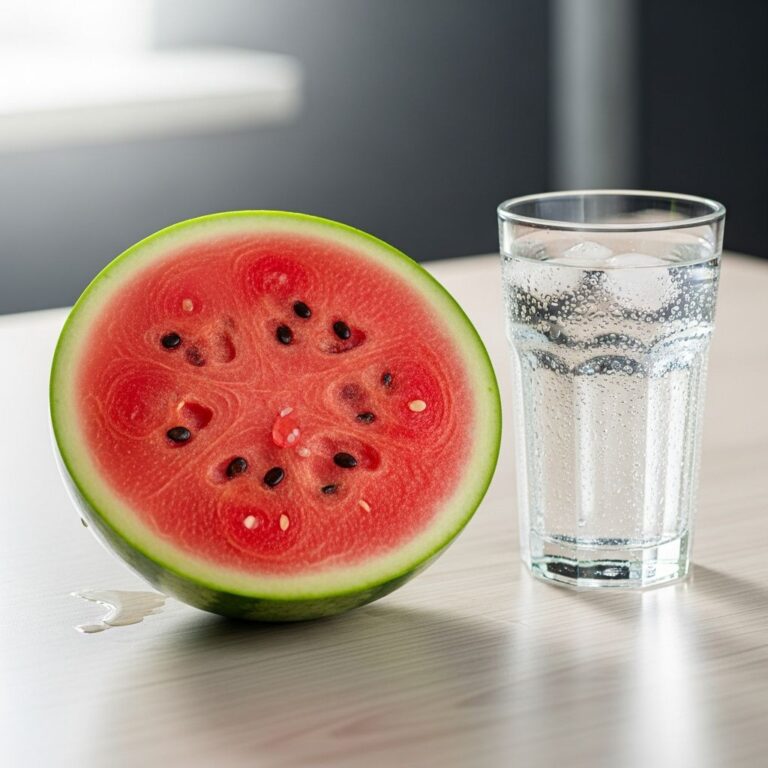
L-Citrulline is one of two primary forms of citrulline—the other being citrulline malate, which combines L-Citrulline with malic acid for potential energy-boosting effects. L-Citrulline, the pure form, is abundant in watermelon rind and flesh, with smaller amounts in cucumbers, pumpkins, and nuts. The body synthesizes it endogenously but supplementation can elevate levels significantly.
Key functions include:
- Urea cycle support: Converts ammonia—a protein metabolism byproduct—into urea, preventing toxicity.
- Nitric oxide production: Raises L-arginine levels more effectively than direct arginine supplements, as it bypasses liver metabolism. This boosts NO, promoting vasodilation (blood vessel widening).
- Protein synthesis aid: Indirectly supports other chemicals needed for muscle repair, though not directly incorporated into proteins.
Citrulline malate may enhance ATP (adenosine triphosphate) production, the cell’s energy currency, potentially benefiting high-intensity workouts. However, evidence favors pure L-Citrulline for blood flow benefits, with mixed results for malate on endurance.
L-Citrulline Benefits
Research highlights L-Citrulline’s role in vascular health and performance. Here’s a breakdown of key benefits backed by studies.
Boosts Exercise Performance and Endurance
L-Citrulline improves blood flow to muscles via NO, delivering more oxygen and nutrients during workouts. A study showed 6 grams daily for seven days allowed participants to sustain severe-intensity exercise longer.
Benefits appear stronger for anaerobic activities like weightlifting than aerobic ones like running. Doses of 3-8 grams over 1-16 weeks enhanced muscular endurance and strength, though evidence is mixed for citrulline malate. A 2021 rat study confirmed increased muscle substance delivery.
- Athletic reps: May increase repetitions in resistance training.
- Recovery: Reduces soreness by improving circulation.
Lowers Blood Pressure
By expanding blood vessels, L-Citrulline modestly reduces systolic blood pressure (SBP) by about 4 mmHg and diastolic (DBP) by 2-3 mmHg. A meta-analysis of trials (3-9 g/day, 1-17 weeks) confirmed SBP reductions (MD: -4.10 mmHg; 95% CI: -7.94 to -0.26; p=0.037), with DBP drops at ≥6 g/day (MD: -2.75 mmHg).
Subgroup analyses showed stronger effects in pre-hypertensive or obese individuals, attenuating stress-induced BP spikes. A 2019 review noted SBP drops of 4.1-7.5 mmHg and DBP of 2.08-3.77 mmHg, though not always consistent. While modest, these changes counter hypertension trends.
Supports Erectile Dysfunction
ED often stems from poor blood flow. L-Citrulline’s NO boost mimics ED medications like Viagra. Cleveland Clinic notes improvements in erectile function via enhanced circulation. WebMD lists ED as a common use, though evidence is preliminary.
Related Stories



Other Potential Benefits
- Heart health: May reduce arterial stiffness in hypertensives.
- Sickle cell disease and pulmonary hypertension: Used investigatively, but lacks strong evidence.
- Muscle function: Improves leg strength in older adults via better perfusion.
L-Citrulline Dosage
Typical doses range from 3-8 grams daily. For exercise, 6-8 grams pre-workout maximizes NO. BP studies used 3-9 grams, with ≥6 grams optimal for DBP.
| Purpose | Recommended Dose | Timing | Duration |
|---|---|---|---|
| Exercise Performance | 6-8 g L-Citrulline | 1 hour pre-workout | 7+ days |
| Blood Pressure | 3-9 g (≥6 g for DBP) | Daily, split doses | 1-17 weeks |
| Erectile Dysfunction | 1.5-3 g | Daily | Ongoing |
| General Health | 3 g | Anytime | Maintenance |
Start low to assess tolerance. Citrulline malate doses are higher (6-8 g) due to the 2:1 ratio.
L-Citrulline Side Effects
L-Citrulline is generally safe. Doses up to 15 g showed no changes in blood markers like urea, creatinine, or inflammation. Common mild effects: stomach upset, heartburn. Rare: low BP in hypersensitives. No major interactions noted, but consult doctors for BP meds or ED drugs.
Pregnant/breastfeeding individuals should avoid due to insufficient data.
Food Sources of L-Citrulline
- Watermelon: 1 cup flesh ~365 mg; rind higher.
- Cucumbers, squash, pumpkins: Moderate amounts.
- Nuts (almonds, walnuts): Trace levels.
Supplements provide concentrated doses watermelon can’t match.
Who Should Take L-Citrulline?
Athletes, those with mild hypertension, or ED may benefit. Not for everyone—healthy individuals get enough from diet. Pre-hypertensives see vascular gains.
Frequently Asked Questions (FAQs)
What foods are high in L-Citrulline?
Watermelon is richest, especially rind. Also in cucumbers, pumpkins, squash, and nuts.
Is L-Citrulline better than L-Arginine?
Yes, it raises arginine levels more efficiently by avoiding first-pass metabolism.
Can L-Citrulline lower blood pressure?
Modestly: ~4 mmHg SBP, more at higher doses.
How long does it take to work?
Exercise benefits in 7 days; BP in weeks.
Is citrulline malate the same as L-Citrulline?
No—malate adds malic acid for potential ATP boost, but evidence is weaker.
Final Thoughts
L-Citrulline offers promising, NO-mediated benefits for performance, BP, and vascular health. Backed by meta-analyses and trials, it’s safe at recommended doses. Incorporate via diet or supplements, but prioritize lifestyle. Future research will refine applications.
References
- L-Citrulline Supplement Benefits and Side Effects — Cleveland Clinic. 2023. https://health.clevelandclinic.org/citrulline-benefits
- L-CITRULLINE – Uses, Side Effects, and More — WebMD. 2023. https://www.webmd.com/vitamins/ai/ingredientmono-1245/l-citrulline
- L-citrulline: Benefits, Side Effects and More — Healthline. 2023. https://www.healthline.com/health/l-citrulline
- Effects of L-citrulline supplementation on blood pressure — NIH/PMC. 2019-04-29. https://pmc.ncbi.nlm.nih.gov/articles/PMC6369322/
- A critical review of citrulline malate supplementation and exercise — NIH/PMC. 2021-10-14. https://pmc.ncbi.nlm.nih.gov/articles/PMC8571142/
Similar Articles








Read full bio of medha deb