L-Theanine Benefits: 7 Proven Ways It Boosts Focus & Sleep
Discover how L-theanine from tea promotes relaxation, sharpens focus, reduces stress, and supports sleep and cognitive health.

L-theanine is a naturally occurring amino acid primarily found in tea leaves, particularly green tea, known for promoting relaxation without drowsiness while enhancing mental clarity.
What Is L-Theanine?
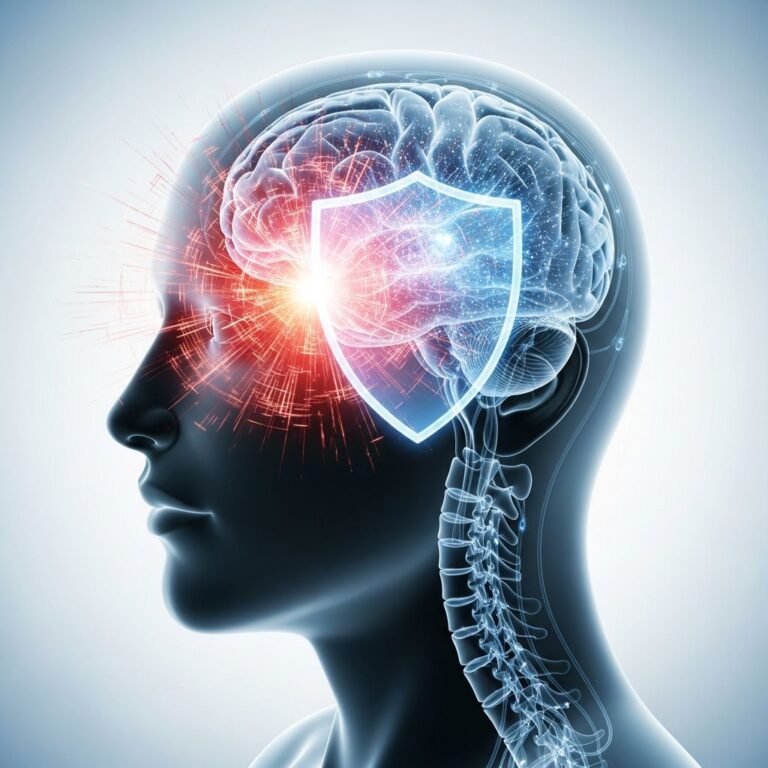
**L-theanine** (γ-glutamylethylamide) is a non-protein amino acid unique to tea plants like *Camellia sinensis*. Unlike most amino acids, it freely crosses the blood-brain barrier, influencing brain chemicals such as GABA, dopamine, and serotonin to foster a calm, alert state. First isolated from green tea in 1949, it constitutes up to 1-2% of dry tea leaf weight, with green tea containing 20-50 mg per cup and black tea slightly less.
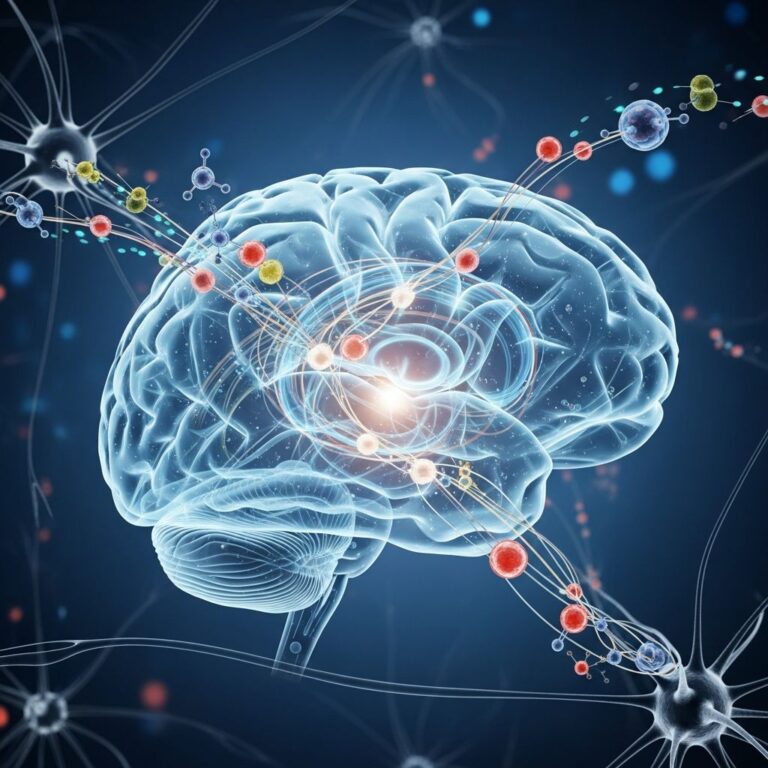
Unlike caffeine, which can cause jitters, L-theanine counteracts overstimulation, creating synergistic effects in tea. It modulates neurotransmitters: increasing alpha brain waves for ‘wakeful relaxation,’ suppressing excitatory glutamate, and boosting inhibitory GABA. Human studies show it elevates these within 30-60 minutes of ingestion.
How Does L-Theanine Work?
L-theanine exerts effects via multiple pathways. It promotes
alpha wave activity
in EEG studies, indicating relaxed alertness—seen in doses of 200 mg, increasing attention-related alpha while reducing background noise for better focus.In stress models, it lowers cortisol, reverses oxidative damage, and upregulates brain-derived neurotrophic factor (BDNF) in the hippocampus, aiding neuroplasticity. Rodent research demonstrates reduced corticosterone after restraint stress, with cognitive impairments reversed. Anticancer mechanisms include blocking JAK2/STAT3 pathways in tumor models.
Combined with caffeine (as in tea), it enhances selective attention, reducing mind-wandering in sleep-deprived adults. Pharmacokinetics: Peak plasma levels at 1 hour, half-life ~1 hour, safe excretion via urine.
Top 7 Evidence-Based Benefits of L-Theanine
- Reduces Stress and Anxiety: In a randomized trial, 200 mg/day for 4 weeks improved verbal fluency (p=0.001), executive function (p=0.031), and reduced depression/anxiety scores vs. baseline. Multitasking stress tests showed lowered salivary cortisol.
- Improves Focus and Attention: With caffeine, high-dose combos boosted neurobehavioral attention in sleep-deprived subjects. Standalone, it enhanced anticipatory alpha waves under cognitive load. Middle-aged adults saw better working memory/executive function.
- Enhances Sleep Quality: 200 mg improved efficiency by ~5%, reduced nocturnal activity by 10% vs. placebo. Trends in social acuity and sleep persisted over 12 months.
- Boosts Cognitive Function: Verbal fluency rose significantly in low-baseline groups (p=0.002). Stress models reversed impairments; aging mice showed less atrophy.
- Neuroprotective Effects: Reduces tau hyperphosphorylation, oxidative damage in cadmium models; antioxidant in dyskinesia. Elevates glutathione, lowers lipid peroxidation.
- Supports Mental Health: Antidepressant-like in rodents via BDNF; anxiolytic in rat PET scans. Promotes emotional recognition.
- Potential Anticancer Activity: Inhibits cervical/lung tumor growth in vitro/in vivo via derivatives; suppresses neointima formation.
L-Theanine and Caffeine: The Perfect Pair?
Tea naturally combines ~25-60 mg L-theanine with 20-50 mg caffeine per cup. Studies confirm synergy: A double-blind trial found the combo superior for attention vs. either alone, suppressing mind-wandering. L-theanine attenuates caffeine’s jitteriness while amplifying alertness.
In sleep-deprived young adults, 200 mg L-theanine + 160 mg caffeine improved selective attention measures. However, one crossover study noted partial attenuation of caffeine’s cognitive/mood benefits. Optimal ratio: 2:1 (L-theanine:caffeine) for focus without crash.
L-Theanine for Sleep: Does It Really Help?
Yes, modestly. It shortens sleep latency, boosts efficiency without sedation by promoting GABA/serotonin. A trial reported fewer disturbances and less sleep medication use. Older adults saw sustained benefits. Animal models extended lifespan under stress by 4.4%.
Not a hypnotic like melatonin, but ideal for stress-induced insomnia. Doses of 200-400 mg 30-60 min pre-bed optimize results.
L-Theanine for Anxiety and Stress
Strong evidence: 4-week 200 mg/day reduced trait anxiety, depression scores. Healthy adults under multitasking had blunted cortisol. Rat models confirm hippocampal protection. MSKCC notes it lowers ‘strong feelings of worry or fear’.
Other Potential Benefits
- Cardiovascular: Inhibits vascular smooth muscle proliferation, neointima via MAPK/Elk-1.
- Liver/Kidney Protection: Antioxidant effects mitigate toxin damage.
- Immune Regulation: Modulates responses in stress models.
- Anti-Inflammatory: Downregulates NF-κB, ERK/p38.
L-Theanine-Rich Foods and Dosage
Natural Sources:
- Green tea: 20-50 mg/cup
- Black tea: 5-25 mg/cup
- Matcha: Up to 40 mg/g
- Trace in mushrooms (e.g., Boletus badius)
Related Stories



**Recommended Dosage:** 200-400 mg/day, split doses. Acute: 100-200 mg for focus/stress. Safe up to 1200 mg; GRAS status. Start low to assess tolerance.
| Source | L-Theanine (mg/serving) |
|---|---|
| Green Tea (8 oz) | 20-50 |
| Matcha (1 tsp) | 30-50 |
| Supplement (200 mg) | 200 |
Side Effects and Precautions
Generally safe; rare mild headaches or dizziness at high doses. May lower blood pressure—caution with hypotensives. Limited pregnancy data; consult MD. No major interactions, but enhances caffeine/sedatives. FDA GRAS; quality varies—choose Suntheanine® if possible.
Should You Take an L-Theanine Supplement?
Yes, if stressed, foggy, or poor sleeper—especially with caffeine. Tea provides mild benefits; supplements for targeted 200 mg doses. Backed by RCTs for cognition/stress. Cost-effective at $0.10-0.20/dose.
Frequently Asked Questions (FAQs)
What does L-theanine do?
Promotes relaxation, focus, stress reduction by boosting alpha waves, GABA, and countering caffeine jitters.
Is L-theanine safe?
Yes, up to 1200 mg/day; GRAS with minimal side effects.
Does L-theanine make you sleepy?
No, it relaxes without drowsiness; improves sleep quality.
How much L-theanine per day?
200-400 mg; tea lovers may need less.
L-theanine vs. GABA supplements?
L-theanine crosses blood-brain barrier effectively; superior for calm focus.
(Word count: 1678)
References
- L-Theanine Cognitive Vitality For Researchers — Alzheimer’s Drug Discovery Foundation. 2025-04-28. https://www.alzdiscovery.org/uploads/cognitive_vitality_media/L-Theanine-Cognitive-Vitality-For-Researchers.pdf
- Effects of L-Theanine Administration on Stress-Related Symptoms — PMC (Nutrients). 2019-10-04. https://pmc.ncbi.nlm.nih.gov/articles/PMC6836118/
- L-Theanine: A Unique Functional Amino Acid in Tea — Frontiers in Nutrition. 2022-05-13. https://www.frontiersin.org/journals/nutrition/articles/10.3389/fnut.2022.853846/full
- Effects of l-Theanine on Cognitive Function in Middle-Aged and Older Subjects — PMC (Psychogeriatrics). 2021-05-01. https://pmc.ncbi.nlm.nih.gov/articles/PMC8080935/
- Here’s What You Need To Know About L-Theanine — Cleveland Clinic. Recent (post-2023). https://health.clevelandclinic.org/l-theanine
- High-dose L-theanine–caffeine combination improves attention — British Journal of Nutrition (Cambridge Core). Recent. https://www.cambridge.org/core/journals/british-journal-of-nutrition/article/highdose-ltheaninecaffeine-combination-improves-neurobehavioural-and-neurophysiological-measures-of-selective-attention-in-acutely-sleepdeprived-young-adults-a-doubleblind-placebocontrolled-crossover-study/8524C6D66F95FC118250FD39D78DA711
- L-Theanine — Memorial Sloan Kettering Cancer Center. Recent. https://www.mskcc.org/cancer-care/integrative-medicine/herbs/l-theanine
Similar Articles








Read full bio of Sneha Tete