Labetalol Tablets: What To Know About Dosage, Side Effects
Comprehensive guide to labetalol: uses, dosage, side effects, and key considerations for managing high blood pressure effectively.
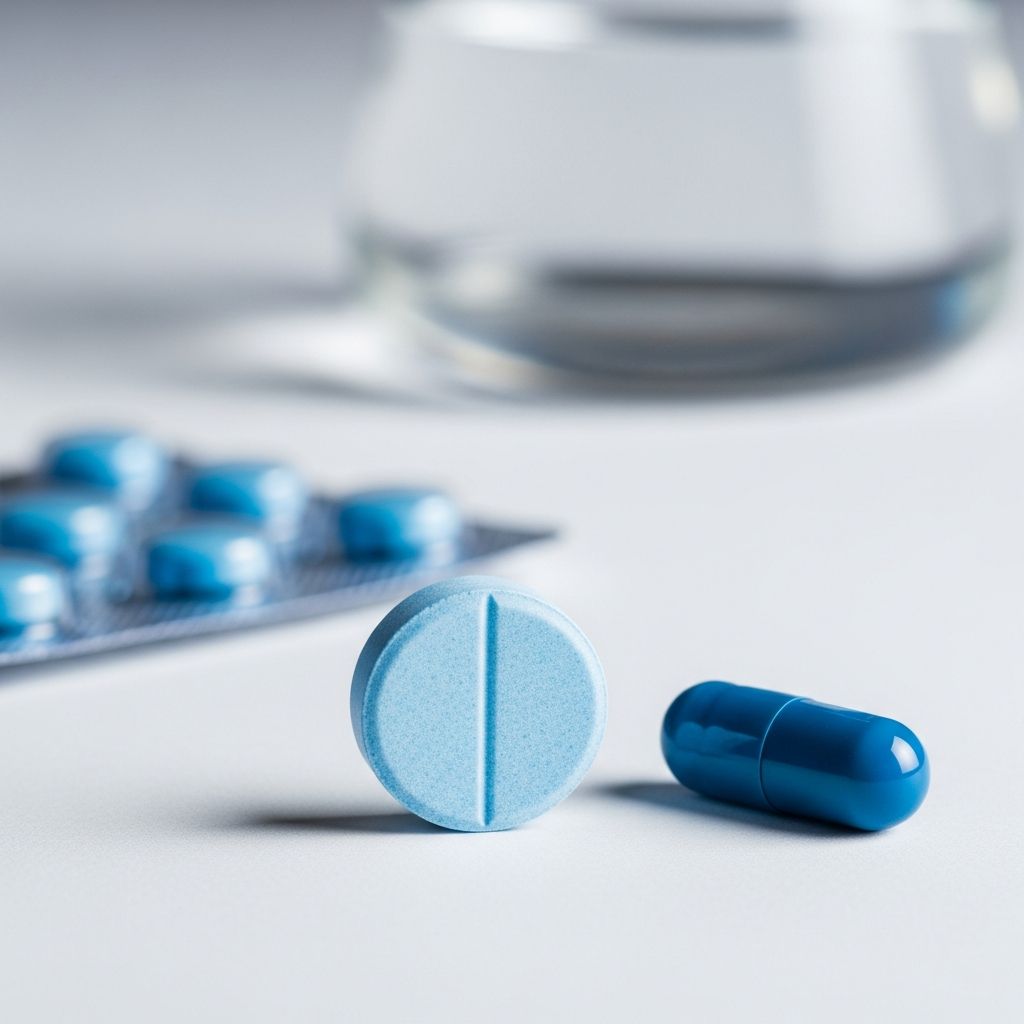
Labetalol is a medication classified as a beta-blocker, primarily used to treat high blood pressure (hypertension). Unlike traditional beta-blockers, labetalol uniquely combines both alpha-1 and non-selective beta-adrenergic blocking activities, providing effective blood pressure reduction without significant heart rate slowing. Available under the brand name Trandate, it comes in tablet form (100 mg, 200 mg, 300 mg) for oral administration.
High blood pressure affects millions worldwide, increasing risks of heart disease, stroke, and kidney problems. Labetalol helps by relaxing blood vessels and slowing heart rate, easing the heart’s workload. This article covers its uses, mechanism, dosage, side effects, precautions, and more, drawing from authoritative sources like FDA labeling and clinical pharmacology data.
About labetalol tablets
Labetalol hydrochloride tablets, marketed as Trandate, contain 100 mg, 200 mg, or 300 mg of the active ingredient per tablet. Inactive components include corn starch and FD&C Yellow No. 6, ensuring stability and bioavailability. The tablets are film-coated, round, and scored for easy division, facilitating precise dosing.
Absorption occurs rapidly from the gastrointestinal tract, with peak plasma levels 1-2 hours post-dose. Absolute bioavailability is about 25% due to first-pass metabolism, but this increases with food intake. Steady-state levels are achieved by day three of twice-daily dosing. The plasma half-life is 6-8 hours, supporting bid regimens.
In elderly patients, elimination may be reduced, so lower starting doses are advised. No significant changes occur in renal or hepatic impairment for half-life, though bioavailability rises in liver issues due to reduced first-pass effect.
Key facts about labetalol
- Drug group: Combined alpha-1 and beta-adrenergic blocker (ratios approximately 1:3 oral, 1:7 IV).
- Brand name: Trandate (generic labetalol hydrochloride available).
- Dosage forms: Oral tablets: 100 mg, 200 mg, 300 mg.
- Common use: Hypertension management, alone or with other antihypertensives.
- Peak effect: 2-4 hours after oral dose; duration 8-12+ hours depending on dose.
- Half-life: 6-8 hours; steady-state in 24-72 hours.
- Excretion: Primarily urine (55-60% as conjugates); not dialyzable (<1%).
How does labetalol work?
Labetalol’s dual mechanism sets it apart: it competitively blocks alpha-1 adrenergic receptors (causing vasodilation) and non-selectively blocks beta-1 and beta-2 receptors (reducing heart rate and contractility). This results in dose-related blood pressure falls without reflex tachycardia or major heart rate reduction.
Hemodynamic effects include reduced total peripheral resistance with variable cardiac output changes. It lowers elevated plasma renin without significant A-V node prolongation beyond minor effects. Beta-blockade peaks at 70% of max effect by 5 hours post-400 mg dose, persisting ~40% at 8 hours.
Pharmacokinetics show linear dose-plasma correlations (100-3000 mg). Metabolism via glucuronide conjugation; food enhances bioavailability. It crosses the placenta (50% protein-bound), relevant in pregnancy hypertension.
Related Stories



When is labetalol prescribed?
Labetalol treats essential hypertension in adults, often as monotherapy or adjunct. It’s suitable for patients needing balanced alpha/beta blockade, avoiding pure beta-blockers’ bronchoconstriction risks. Not indicated for angina (efficacy unproven).
In severe hypertension or hypertensive emergencies, IV labetalol is used (e.g., 20 mg over 2 min, repeat 40-80 mg q10min up to 300 mg). Oral switch follows IV control. It’s effective in diverse populations, including elderly and those with mild renal/hepatic issues, with dose adjustments.
How and when to take labetalol
Take labetalol twice daily, with or without food (food boosts absorption). Swallow whole with water; do not crush/chew. Initial dose: 100 mg bid. Titrate by 100 mg bid q2-3 days to max 2400 mg/day based on BP response (measure 12 hours post-dose).
| Patient Group | Starting Dose | Titration | Maintenance |
|---|---|---|---|
| Adults | 100 mg twice daily | Increase 100 mg bid every 2-3 days | 200-400 mg bid (up to 2400 mg/day) |
| Elderly | 100 mg bid | Slower titration | Lower end of range |
| With diuretic | 100 mg bid (lower) | As needed | Adjusted per response |
Monitor supine/standing BP; peak postural effects 2-4 hours post-dose. Steady-state response in 24-72 hours. If switching from other antihypertensives, taper prior agents while initiating labetalol.
Common questions about labetalol
How long does labetalol take to work?
Peak effects occur 2-4 hours after dosing; full steady-state in 1-3 days with bid use.
Can you drink alcohol with labetalol?
Avoid or limit alcohol; it may enhance hypotension and dizziness.
Is labetalol safe in pregnancy?
Often used for gestational hypertension; crosses placenta but considered safe under medical supervision.
Does labetalol affect blood sugar?
May mask hypoglycemia symptoms in diabetics; monitor closely.
How long do side effects last?
Most resolve with continued use or dose adjustment; postural effects peak 2-4 hours post-dose.
Dosage
Standard adult dose: 100-200 mg bid initially, titrated to 400-800 mg bid max typically. Elderly/renal/hepatic: start low, titrate slowly. Max 2400 mg/day. In IV-to-oral transition: 200 mg bid starting 6 hours post-IV.
Do not abruptly stop; taper to avoid rebound hypertension. Measure BP routinely, especially postural.
Side effects
Most common: fatigue (up to 10%), dizziness/postural hypotension (2-4 hours post-dose), nausea, nasal congestion. Rare: bradycardia, heart failure exacerbation, bronchospasm (caution in asthma/COPD).
- Frequent (>1%): Dizziness, fatigue, nausea, stuffy nose.
- Serious: Symptomatic hypotension, AV block, masking hypoglycemia, hepatic injury (monitor LFTs).
- Overdose: Hypotension/bradycardia; treat with glucagon (5-10 mg IV bolus, then infusion).
Who can and cannot take labetalol tablets
Can take: Most adults with hypertension, including pregnancy (category C).
Cannot take:
- Asthma/COPD (beta-blockade risk).
- 2nd/3rd degree AV block, cardiogenic shock, severe bradycardia.
- Untreated pheochromocytoma (alpha-block first).
- Hypersensitivity to labetalol.
Pregnancy and breastfeeding
Safe in pregnancy for hypertension; preferred in pre-eclampsia. Crosses placenta; monitor fetal growth. Breastfeeding: low levels in milk, generally safe but monitor infant.
Other medicines, food and drink, cannabis
Interactions: Enhanced hypotension with other antihypertensives, calcium blockers, cimetidine. Avoid with alpha-agonists. Masks hypoglycemia with insulin/oral antidiabetics.
Food increases bioavailability; alcohol worsens dizziness. No specific cannabis interaction data, but caution advised.
Common side effects
Tiredness, dizziness, headache, indigestion, cold fingers/toes. Usually mild, improve over time. Manage postural hypotension by rising slowly.
Serious side effects
Seek urgent care for: chest pain, shortness of breath, swelling, jaundice, severe dizziness, slow heartbeat. Rare allergic reactions (rash, swelling).
About taking labetalol tablets with other medicines
Inform doctor of all meds/supplements. Key interactions: diuretics (enhanced effect), NSAIDs (reduced antihypertensive), sympathomimetics (antagonism).
Frequently asked questions (FAQs)
Can I drive while taking labetalol?
Avoid if dizzy; may impair reactions.
Can I take paracetamol or ibuprofen with it?
Paracetamol fine; ibuprofen may reduce effect—use occasionally.
Will labetalol affect my contraception?
No significant interaction.
Does labetalol cause weight gain?
Possible but uncommon; monitor diet/exercise.
References
- Trandate (labetalol hydrochloride) tablet label — FDA. 2010-08-23. https://www.accessdata.fda.gov/drugsatfda_docs/label/2010/018716s026lbl.pdf
- Trandate (Labetalol): Side Effects, Uses, Dosage — RxList. 2023-01-15. https://www.rxlist.com/trandate-drug.htm
- Labetalol: Uses, Interactions, Mechanism of Action — DrugBank. 2024-05-10. https://go.drugbank.com/drugs/DB00598
- Labetalol – StatPearls — NCBI Bookshelf. 2023-07-17. https://www.ncbi.nlm.nih.gov/books/NBK534787/
- Labetalol (oral route) – Mayo Clinic — Mayo Clinic. 2024-02-01. https://www.mayoclinic.org/drugs-supplements/labetalol-oral-route/description/drg-20071015
- Labetalol HCl Injection — eMPR. 2023-11-20. https://www.empr.com/drug/labetalol-hcl-injection/
Similar Articles








Read full bio of medha deb