Labial Adhesion In Adult Women: Causes & Treatment Guide
Understanding labial adhesion in adult women: causes from estrogen deficiency to inflammation, symptoms, diagnosis, and effective treatments.
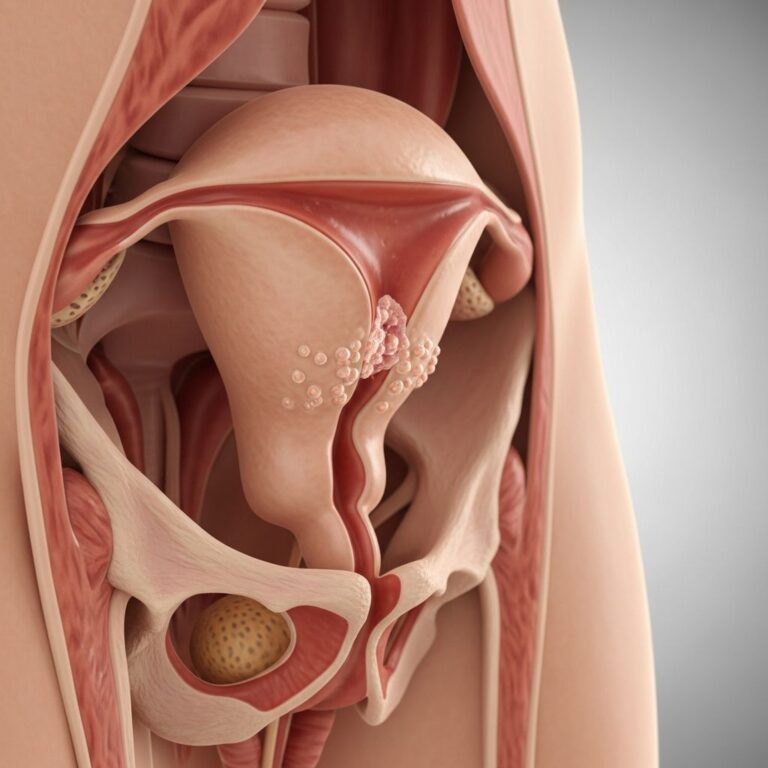
Labial adhesion in adult women, also known as synechiae of the vulva, refers to the fusion of the labia minora, the inner lips of the vulva. This condition leads to a narrowed or obstructed vaginal introitus and can significantly impact urinary, sexual, and menstrual functions. While more common in prepubertal girls, secondary labial adhesion predominantly affects postmenopausal women due to estrogen deficiency. This article details the causes, clinical features, symptoms, complications, diagnosis, management, and prevention of labial adhesion in adults.
What is labial adhesion?
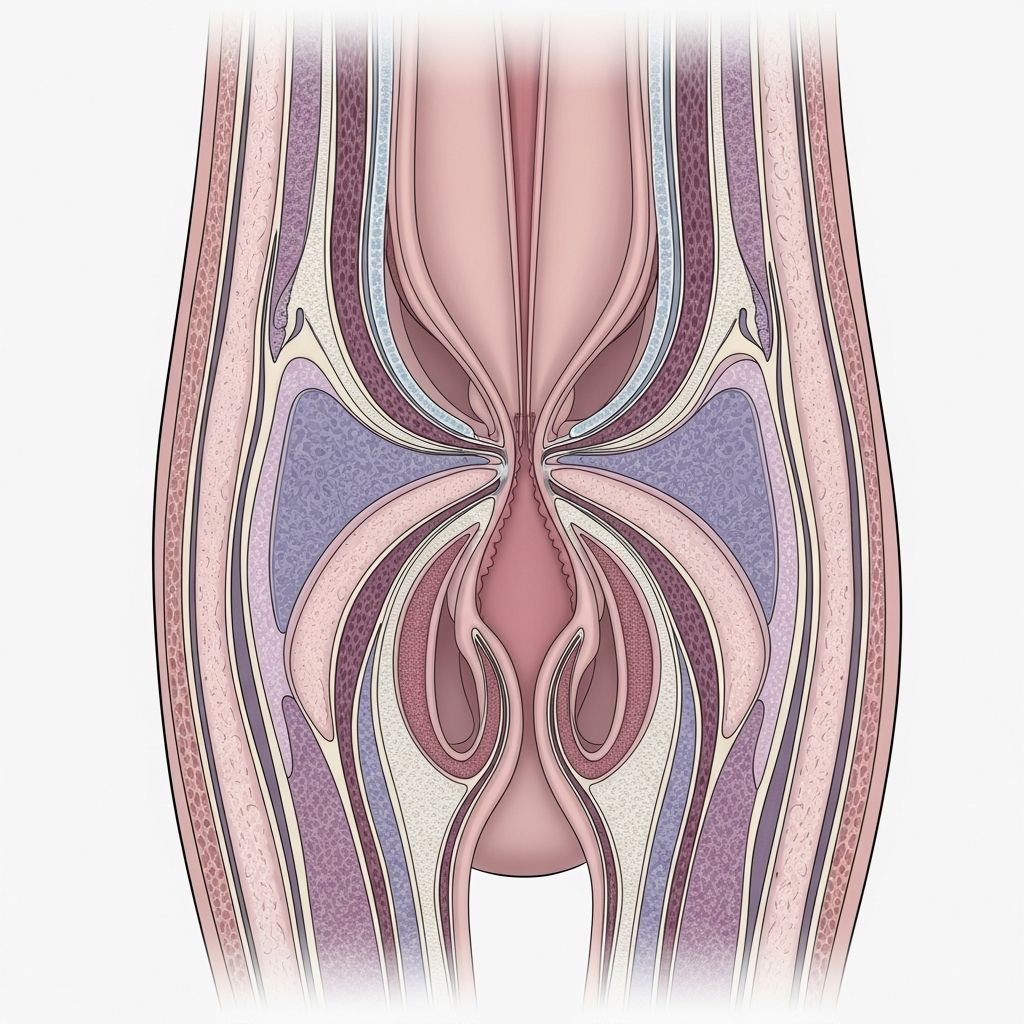
Labial adhesion occurs when the delicate labia minora adhere together, forming a bridge of tissue that partially or completely covers the vaginal opening. In adults, this is typically secondary labial adhesion, developing after menopause or due to scarring from inflammation, trauma, or surgery. The normal vaginal introitus, several centimeters wide and stretchable for intercourse or childbirth, becomes constricted—sometimes as narrow as a pinhead in severe cases. Unlike primary adhesions present at birth in girls, adult cases arise from acquired factors like hypoestrogenism, where low estrogen levels cause thinning and fragility of vulvar tissues.
The fused labia create a flat genital appearance with small or absent labia minora. Adhesions may join the left and right labia minora or fuse a labium minus to the labium majus, leading to resorption of the inner lip. Internal vaginal tissues may remain normal, but associated conditions like erosive lichen planus can scar the vagina as well.
Who gets labial adhesion?
Labial adhesion primarily affects postmenopausal women, especially those who are non-sexually active, as sexual activity helps maintain tissue elasticity. Prevalence increases with age due to natural estrogen decline after menopause. Risk is higher in women with:
- Hormonal imbalances, such as after childbirth or during breastfeeding when estrogen drops.
- Chronic inflammatory skin disorders like lichen sclerosus, erosive lichen planus, or mucous membrane pemphigoid.
- History of vulvovaginal surgery, trauma, or radiation therapy.
- Poor hygiene, irritant exposure (soaps, detergents), or recurrent infections like vulvovaginitis or UTIs.
- Atopic conditions or autoimmune diseases predisposing to scarring.
Rarely seen in reproductive-age women (11-49 years), but possible post-partum or with severe irritation.
Causes of labial adhesion in adult women
The most common causes include:
- Oestrogen deficiency: Postmenopausal hypoestrogenism thins vulvar epithelium, promoting adhesion.
- Scarring from inflammation: Conditions like lichen sclerosus cause fibrous tissue formation.
- Post-surgical or traumatic scarring: After vulvectomy, episiotomy, or injury.
- Infections and irritants: Vulvovaginitis, poor hygiene, perfumed soaps, or bubble baths leading to chronic irritation.
- Other factors: Atopic dermatitis, pinworms (less common in adults), or sexual abuse history.
Low estrogen prevents normal maturation of vulvar cells, while irritation exacerbates sticking.
Clinical features of labial adhesion
The genitalia appear flat with fused labia minora, creating a smooth, featureless vulva. Fusion narrows the introitus, impairing stretchability. Other features depend on etiology:
- In estrogen deficiency: Thin, pale, fragile skin.
- In lichenoid disorders: White plaques, erosions, or scarring.
- Post-trauma: Fibrotic bands or asymmetry.
Adhesion between labia minora hides the clitoris and urethral meatus; complete fusion traps fluids.
Symptoms of labial adhesion
Many cases are asymptomatic, discovered incidentally. When present, symptoms include:
- Urinary issues: Difficulty urinating, straining, post-void dribbling, or recurrent UTIs due to obstructed urethra.
- Sexual dysfunction: Dyspareunia (painful intercourse), inability to accommodate penis, or vaginismus.
- Menstrual problems: In premenopausal women, hematocolpos (blood buildup) if complete fusion.
- Discomfort: Itching, burning, vulval soreness, or spotting from minor trauma.
- Infection signs: Discharge, foul odor if fluids accumulate.
Related Stories



Severe cases cause complete urinary retention—an emergency.
Complications of labial adhesion
Untreated adhesions lead to:
- Short-term: Acute pain, UTIs, urinary retention.
- Long-term: Chronic pain, recurrent infections, vaginal stenosis, sexual dysfunction, psychological distress.
- In complete fusion: Fluid buildup causing hematocolpos or pyocolpos (pus), requiring urgent intervention.
| Complication | Description | Risk Factors |
|---|---|---|
| Recurrent UTIs | Trapped urine promotes bacterial growth | Severe adhesion, poor hygiene |
| Dyspareunia | Pain from narrowed introitus | Postmenopausal, non-sexual activity |
| Hematocolpos | Menstrual blood retention | Complete fusion in cycling women |
Diagnosis of labial adhesion
Diagnosis is clinical, based on history and examination. Key steps:
- History: Symptoms, menopause status, irritants, prior surgery/inflammation.
- Examination: Visual inspection reveals fused labia, flat vulva. Gently separate thin adhesions if possible; avoid force on thick ones.
- Differential diagnosis: Rule out lichen sclerosus (white patches), lichen planus (erosions), malignancy, or atrophic vaginitis.
- Tests if needed: Swabs for infection, biopsy for scarring/suspected cancer, urodynamics for urinary issues.
No imaging usually required unless complications suspected.
Management of labial adhesion
Treatment targets the cause and severity:
Conservative measures
- Hygiene: Gentle cleansing with water/emollients, avoid irritants.
- Observation: Asymptomatic thin adhesions may resolve spontaneously.
Topical therapies
- Estrogen cream: Applied daily for 4-6 weeks to mature epithelium and separate adhesions (e.g., estriol 0.01%). Success rate high in hypoestrogenic cases; recurrence risk 11-14%.
- Steroids: For inflammatory causes like lichen sclerosus (e.g., clobetasol propionate).
Manual separation
Under local anesthesia for thin adhesions, followed by estrogen/steroid ointment to prevent recurrence.
Surgical intervention
For thick, scarred adhesions failing medical therapy:
- Gentle lysis under anesthesia, post-op estrogen/steroid.
- Z-plasty or grafts for severe stenosis.
- Recurrence managed similarly.
Adjuncts
- Sexual activity or dilators to maintain introitus.
- Treat underlying conditions (e.g., lichen planus immunosuppression).
Prognosis excellent with early treatment; most resolve without surgery.
Prevention of labial adhesion
Prevent by:
- Maintaining estrogen levels: HRT if appropriate post-menopause.
- Good vulvar hygiene: Fragrance-free products, cotton underwear.
- Regular sexual activity to promote tissue health.
- Prompt treatment of infections/irritation.
- Moisturizers/emollients for atrophic changes.
Frequently Asked Questions (FAQs)
Q: Is labial adhesion common in adult women?
A: It is less common than in girls but frequent post-menopause due to estrogen deficiency, especially in non-sexually active women.
Q: Does labial adhesion always cause symptoms?
A: No, many are asymptomatic; symptoms arise with progression, causing urinary/sexual issues.
Q: Can labial adhesion resolve without treatment?
A: Thin adhesions may, but postmenopausal cases often need intervention due to persistent low estrogen.
Q: When is surgery needed for labial adhesion?
A: For severe, scarred adhesions unresponsive to topical estrogen/steroids after weeks.
Q: What are warning signs requiring urgent care?
A: Complete urinary obstruction, severe pain, fever, or foul discharge indicating infection or hematocolpos.
References
- Labial Adhesions – Causes, Symptoms, Diagnosis, and Treatment — Apollo Hospitals. 2023. https://www.apollohospitals.com/diseases-and-conditions/labial-adhesions
- Labial adhesion in adult women — DermNet NZ. 2024-01-15. https://dermnetnz.org/topics/labial-adhesion-adult-women
- Labial adhesions — Better Health Channel (Victorian Government). 2023-05-10. https://www.betterhealth.vic.gov.au/health/conditionsandtreatments/labial-adhesions
- Labial Adhesions — MD Searchlight. 2024. https://mdsearchlight.com/womens-health/labial-adhesions/
- Labial Adhesion: Causes, Diagnosis & Treatment — Cleveland Clinic. 2024-08-20. https://my.clevelandclinic.org/health/diseases/16435-labial-adhesions
- Labial fusion — NHS (UK Government). 2023. https://www.nhs.uk/conditions/labial-fusion/
Similar Articles








Read full bio of medha deb