Labyrinthitis: Causes, Symptoms, and Treatment
Understanding labyrinthitis: inner ear inflammation causes, symptoms, diagnosis, and effective treatment options.
What Is Labyrinthitis?
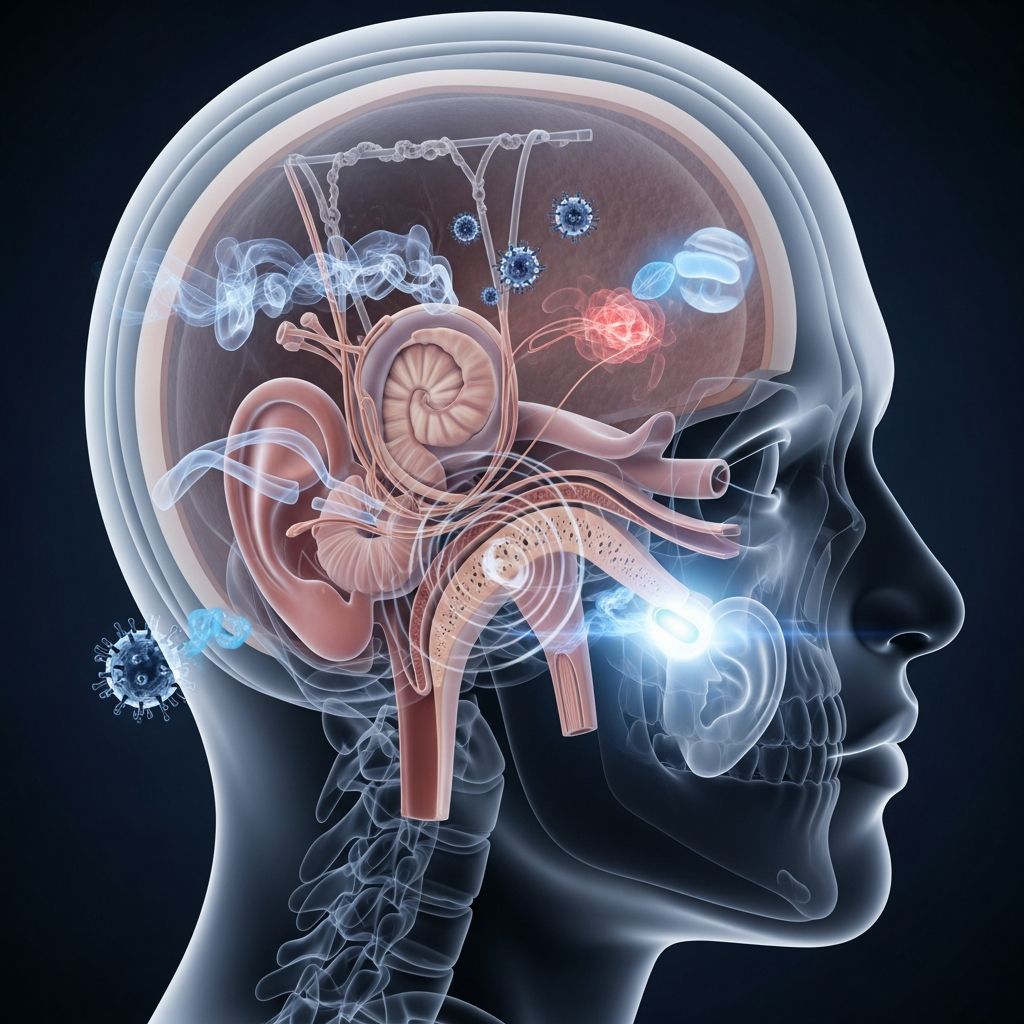
Labyrinthitis is a medical condition characterized by inflammation of the labyrinth, a crucial structure located deep within the inner ear. The labyrinth is a complex, fluid-filled system that plays a vital role in maintaining balance and processing sound. This delicate structure comprises both bony and membranous components that work together to regulate your sense of equilibrium and spatial orientation. When inflammation develops in this region, it disrupts the normal functioning of both the vestibular system (responsible for balance) and the cochlea (responsible for hearing), leading to a combination of distressing symptoms that can significantly impact daily activities.
The condition is distinct from vestibular neuritis, which affects only one branch of the vestibulocochlear nerve. In contrast, labyrinthitis involves inflammation of multiple structures within the inner ear, affecting both balance and hearing functions. Understanding this distinction is important for proper diagnosis and treatment planning, as the two conditions may require different therapeutic approaches.
Causes of Labyrinthitis
Labyrinthitis can develop from various infectious and non-infectious causes. Understanding what triggers this condition is essential for prevention and early intervention.
Viral Infections
Viral infections are the most common cause of labyrinthitis, accounting for the majority of cases. Several viruses can trigger inflammation in the inner ear, including Epstein-Barr virus, herpes simplex virus, and the virus responsible for stomach flu. Additionally, upper respiratory infections can lead to labyrinthitis as the inflammatory response spreads to the inner ear structures. Viral labyrinthitis typically occurs suddenly and may follow a recent upper respiratory infection or other viral illness.
Bacterial Infections
While less common than viral causes, bacterial infections can also trigger labyrinthitis. Bacterial labyrinthitis may develop as a complication of otitis media (middle ear infection), mastoiditis, or in rare cases, meningitis. Bacterial infections tend to cause more severe symptoms and may require more aggressive treatment than their viral counterparts. Early identification and treatment are crucial to prevent complications.
Other Potential Causes
Beyond infectious causes, labyrinthitis can occasionally result from autoimmune conditions, allergies, or traumatic head injuries. Some individuals may experience labyrinthitis as a side effect of certain medications or as a secondary effect of other systemic diseases. In some cases, the exact cause may never be definitively identified.
Symptoms and Signs
Labyrinthitis presents with a combination of symptoms that primarily affect balance, hearing, and vision. The onset is typically sudden, and symptoms can be severe, particularly in the initial stages of the condition.
Common Symptoms
Patients with labyrinthitis frequently experience the following manifestations:
- Vertigo and dizziness – a spinning sensation that can be quite intense
- Balance problems and difficulty with coordination
- Nausea and vomiting associated with the vestibular dysfunction
- Hearing loss, which may be partial or complete in the affected ear
- Tinnitus or ringing in the affected ear
- Ear pain or discomfort
- Involuntary eye movements (nystagmus)
- Blurred or jerky vision
- Difficulty focusing on moving objects
- Sensitivity to head movements
Related Stories



Who Is Most at Risk?
While labyrinthitis can affect individuals of any age, research indicates that women aged 30 to 60 are at the highest risk for developing this condition. However, it can occur in younger individuals, particularly following viral infections, and in older adults as well. Factors that may increase susceptibility include recent viral infections, immune system status, and exposure to infectious agents.
How Is Labyrinthitis Diagnosed?
Accurate diagnosis of labyrinthitis involves a comprehensive evaluation combining clinical assessment, patient history, and specialized testing. Your healthcare provider will take time to understand your symptoms and medical background.
Clinical Examination
During the initial examination, your healthcare provider will assess your balance, coordination, and eye movements. They may perform specific positional tests to evaluate your vestibular system’s function. The Dix-Hallpike maneuver is often used to assess for positional vertigo and to determine which ear is affected. This test involves specific head and body positions that help identify the source of vertigo.
Hearing Tests
Since labyrinthitis affects hearing structures, audiological testing is typically recommended. A comprehensive hearing evaluation can determine the type and degree of hearing loss associated with the condition. These tests help differentiate labyrinthitis from other balance disorders and provide baseline information for monitoring recovery.
Vestibular Testing
Specialized vestibular tests assess the function of your inner ear balance system. These may include videonystagmography, which tracks eye movements, or other advanced testing protocols that evaluate how well your vestibular system is functioning. The Cleveland Clinic offers comprehensive vestibular testing services that can definitively assess inner ear function.
Imaging Studies
In some cases, magnetic resonance imaging (MRI) or computed tomography (CT) scans may be ordered to rule out other conditions or to assess the extent of inner ear inflammation. These imaging studies are particularly valuable when symptoms are severe or when the diagnosis is uncertain.
Treatment Options
The management of labyrinthitis focuses on symptom relief, treating the underlying cause, and facilitating recovery of vestibular and hearing function. Treatment approaches vary depending on the severity of symptoms and the underlying etiology.
Medications
Several medication classes can help manage labyrinthitis symptoms:
- Anti-nausea medications – help control nausea and vomiting, improving comfort and nutrition
- Vestibular suppressants – medications like meclizine that reduce dizziness and vertigo
- Anti-inflammatory medications – help reduce inflammation in the inner ear structures
- Corticosteroids – sometimes prescribed to reduce inflammation, particularly in severe cases
- Antibiotics – necessary only if bacterial infection is confirmed
Vestibular Rehabilitation Therapy
Vestibular rehabilitation therapy (VRT) is a highly effective treatment approach for labyrinthitis recovery. This specialized physical therapy program involves carefully designed exercises and movements that help retrain your balance system and improve coordination. A qualified physical therapist guides you through progressive exercises that challenge your vestibular system in a controlled manner, promoting neuroplasticity and recovery. VRT becomes particularly important as acute symptoms begin to improve, helping to prevent long-term balance problems and accelerate return to normal activities.
Activity Modification and Rest
During the acute phase of labyrinthitis, rest is essential. Avoiding sudden head movements, rapid position changes, and activities that exacerbate vertigo can help manage symptoms. As symptoms improve, gradual return to normal activities under professional guidance promotes faster recovery. The balance between adequate rest and progressive activity is crucial for optimal outcomes.
Supportive Care
Maintaining proper hydration and nutrition is important during labyrinthitis, especially when nausea and vomiting are present. Small, frequent meals and adequate fluid intake support the body’s healing processes. Creating a safe environment to prevent falls during the acute phase is also essential, as severe vertigo increases fall risk.
Recovery and Prognosis
Most individuals with labyrinthitis experience significant improvement within several weeks to a few months. The prognosis depends on several factors, including the severity of the initial inflammation, the underlying cause, and how quickly appropriate treatment is initiated. Some patients recover completely within weeks, while others may experience a more gradual recovery process extending over several months.
It is important to note that while symptoms typically resolve, some individuals may experience residual balance problems or hearing loss, particularly if the inner ear structures were severely affected. Adherence to vestibular rehabilitation exercises and follow-up care with healthcare providers optimizes the likelihood of complete recovery.
Frequently Asked Questions
Q: Is labyrinthitis contagious?
A: While the viral infection that causes labyrinthitis may be contagious, labyrinthitis itself is not directly transmitted. The infection spreads person-to-person, but not everyone infected will develop labyrinthitis.
Q: Can labyrinthitis cause permanent hearing loss?
A: In most cases, hearing loss associated with labyrinthitis is temporary and resolves as inflammation subsides. However, some individuals may experience permanent hearing changes. Early treatment may help minimize long-term hearing effects.
Q: How long does labyrinthitis last?
A: Acute symptoms typically last several days to a few weeks. Complete recovery usually occurs within one to three months, though some individuals may experience a more extended recovery period.
Q: Can I prevent labyrinthitis?
A: While you cannot always prevent labyrinthitis, practicing good hygiene, avoiding close contact with individuals who have viral infections, and maintaining a healthy immune system may reduce your risk.
Q: Should I go to the emergency room if I have labyrinthitis?
A: Seek emergency care if you experience severe symptoms including high fever, hearing loss, confusion, or inability to maintain balance. These may indicate a more serious condition requiring immediate evaluation.
Q: Can I work or drive with labyrinthitis?
A: During the acute phase with severe vertigo, you should not drive or operate machinery. Return to work depends on symptom severity and job requirements. Consult with your healthcare provider about when it is safe to resume these activities.
Q: Is labyrinthitis the same as benign paroxysmal positional vertigo (BPPV)?
A: No, these are different conditions. Labyrinthitis involves inflammation of inner ear structures, while BPPV results from displaced calcium crystals. They require different treatment approaches.
When to See a Healthcare Provider
Contact your healthcare provider if you experience sudden onset vertigo, hearing loss, or balance problems. Seek emergency care immediately if symptoms are accompanied by high fever, severe headache, confusion, weakness on one side of the body, or inability to move your eyes. These warning signs may indicate a more serious condition requiring urgent evaluation.
Specialized Treatment at Cleveland Clinic
Cleveland Clinic offers comprehensive care for labyrinthitis and other vestibular disorders through their specialized Dizzy Clinic. This innovative program provides coordinated, same-day evaluations with multiple specialists and advanced testing, ensuring accurate diagnosis and development of personalized treatment plans. The multidisciplinary approach combines expertise from otology and neurotology specialists, audiologists, and vestibular rehabilitation therapists, optimizing outcomes for patients with complex vestibular conditions.
References
- A Comprehensive Guide to Vestibular Disorders — Medreport Foundation. 2024. https://www.medreport.foundation/post/the-room-is-spinning-a-comprehensive-guide-to-vestibular-disorders
- Inner Ear Balance Disorders: Causes, Symptoms & Treatment Guide — Sleep and Sinus Centers. 2024. https://www.sleepandsinuscenters.com/blog/inner-ear-balance-disorders-causes-symptoms-treatment-guide
- Benign Paroxysmal Positional Vertigo: Effective Diagnosis and Treatment — Cleveland Clinic Journal of Medicine, Vol. 89, No. 11. 2022. https://www.ccjm.org/content/89/11/653
- Vestibular Rehabilitation Therapy: What It Is & Exercises — Cleveland Clinic. 2024. https://my.clevelandclinic.org/health/treatments/15298-vestibular-rehabilitation
- Vestibular & Balance Disorders Clinical Services — Cleveland Clinic. 2024. https://my.clevelandclinic.org/departments/head-neck/depts/vestibular-balance-disorders
Similar Articles








Read full bio of Sneha Tete