Laceration: Causes, Symptoms, Treatment, and Care
Comprehensive guide to understanding lacerations, their symptoms, treatment options, complications, and prevention.
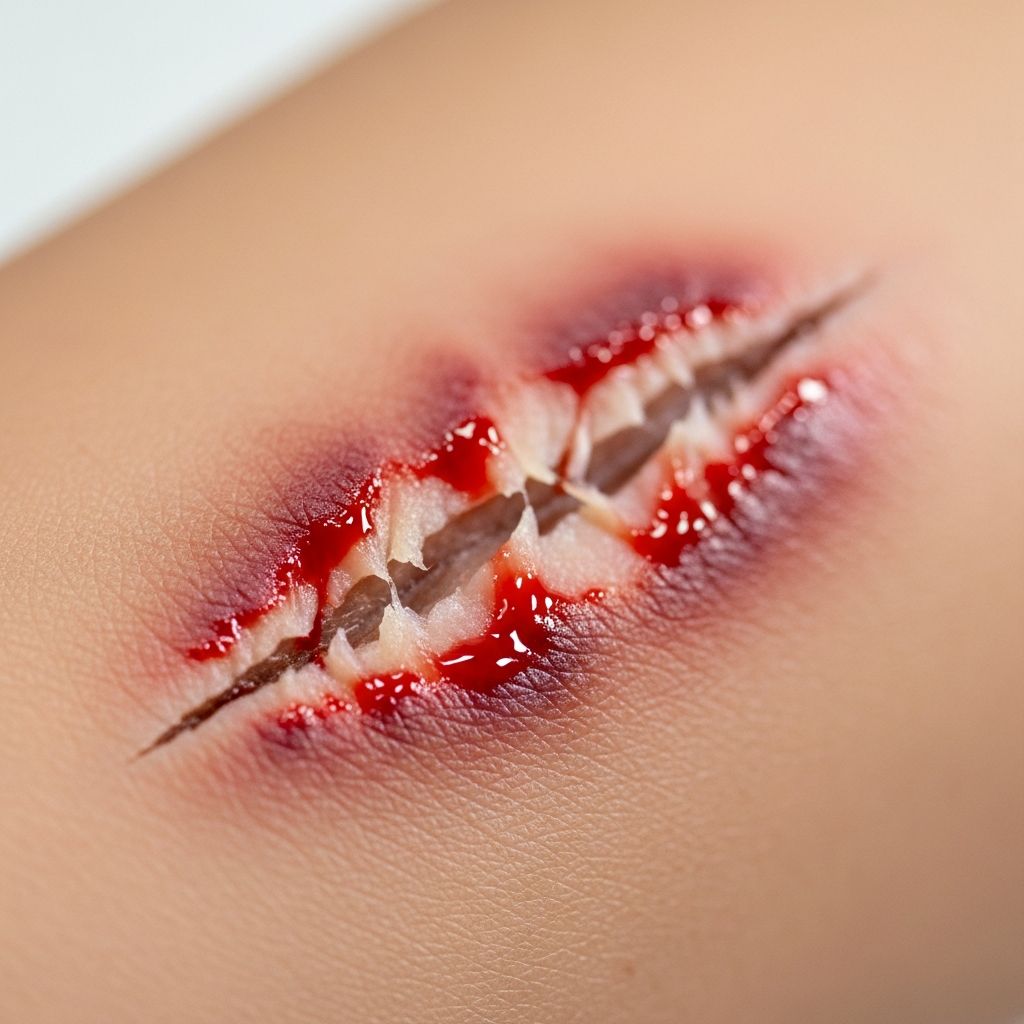
What Is a Laceration?
A laceration is a tear or rip in the skin or body tissues caused by trauma. These injuries can be minor, involving only a small surface area, or severe, extending deep into tissues, muscles, or vessels. While skin lacerations are the most common, lacerations can also happen internally without an obvious external wound, such as a torn muscle or damaged blood vessel.
Lacerations are often caused by sharp objects or blunt trauma and commonly happen during accidents. The nature of the injury depends on the force and instrument involved, ranging from small shaving nicks and paper cuts to large, irregular wounds.
Types and Classification of Lacerations
Healthcare professionals generally classify lacerations based on size, depth, location, and severity into minor or major injuries.
- Minor lacerations: Small, shallow cuts that usually only affect the skin surface and can often be treated at home without professional medical care.
- Major lacerations: Deep or large wounds that may affect muscles, blood vessels, nerves, or other tissues that require urgent medical intervention.
Symptoms of a Laceration
The main signs that indicate a laceration include:
- Pain: The wound area typically experiences immediate pain due to tissue damage.
- Bleeding: Lacerations usually bleed because they involve rupture of skin and capillaries. Areas like the face and scalp bleed more heavily due to dense vascularization.
- Visible wound: When the skin is broken, there is often an open tear or rip visible on the surface.
- Swelling and bruising: Especially with deeper injuries affecting muscles or blood vessels.
- Nerve damage signs: Tingling, numbness, weakness, paralysis, or nerve pain if nerves are involved.
The symptoms may vary depending on which tissues are injured and the laceration’s location.
Potential Complications of Lacerations
If not properly managed, lacerations can lead to complications, such as:
- Infection: Bacteria can enter the wound causing redness, warmth, increased pain, swelling, pus, or systemic signs like fever.
- Scarring: Larger or improperly healed lacerations can leave visible scars that may affect appearance or function.
- Delayed healing: Inadequate treatment or underlying health conditions can slow recovery.
- Damage to underlying structures: Injury to nerves, muscles, tendons, or blood vessels can cause functional deficits or bleeding complications.
Each case’s risk varies based on the injury’s characteristics and the individual’s health history. Consultation with a healthcare provider is essential for assessing potential risks and planning care.
Diagnosing Lacerations
Diagnosis begins with a thorough physical examination, which involves inspecting the wound and assessing the extent of tissue damage and involvement of nerves or vessels. For surface lacerations, visual examination is usually sufficient.
In cases of internal lacerations or when the damage is not externally visible, additional imaging tests such as:
- CT scans (Computed Tomography)
- MRI (Magnetic Resonance Imaging)
may be used to determine the extent and depth of the injury for proper treatment planning.
Treatment of Lacerations
Treatment varies depending on the laceration’s size, location, depth, and degree of contamination. Options include:
Home Care for Minor Lacerations
Related Stories



Self-care for minor wounds usually consists of:
- Cleaning the area gently with soap and water to remove dirt.
- Applying an antibiotic ointment to prevent infection.
- Covering the wound with a sterile bandage to keep it clean and moist.
- Changing the dressing regularly and monitoring healing.
Professional Medical Treatment
Larger or deeper lacerations often require medical attention, which may involve one or more of the following:
- Debridement: Removal of dead tissue or foreign debris to promote healing.
- Suturing (stitches): To close the wound edges and speed recovery. Sometimes staples or tissue adhesives are used.
- Antibiotics: To prevent or treat infection, especially for contaminated wounds.
- Tetanus vaccination: If the patient’s immunization is out-of-date, a booster may be given.
- Pain management: Over-the-counter or prescription pain relievers may be recommended.
For complicated cases, such as nerve or vessel injury, surgical repair and specialist consultation may be needed.
Healing and Prognosis
Most lacerations heal well with appropriate care. The healing time depends on:
- Extent and depth of the injury
- Location on the body
- Presence of infection or complications
- General health and immune status of the patient
Improper or delayed treatment can prolong healing and increase the risk of complications, including infection and scarring. Following treatment instructions closely helps ensure the best outcome.
Preventing Lacerations
Although lacerations often occur suddenly from accidents, you can reduce your risk by following these safety tips:
- Use protective gloves and clothing when working with sharp objects.
- Practice caution and proper technique when handling knives or tools.
- Keep your living and working spaces free of sharp hazards and clutter.
- Use guards or safety devices on equipment that may cause cuts.
- Keep first aid supplies accessible to quickly treat minor injuries.
When to Seek Medical Care
You should seek professional medical care for lacerations if they:
- Are deep or longer than a half-inch (approximately 1.27 cm)
- Have edges that gape open or cannot be pushed together
- Show signs of heavy bleeding that does not stop with pressure
- Are caused by animal or human bites
- Involve nerves, tendons, muscles, or blood vessels
- Are located on the face or over joints
- Have visible foreign objects embedded in the wound
- Show signs of infection such as redness, swelling, warmth, discharge, or fever
Professional evaluation ensures appropriate wound care and minimizes long-term complications.
Frequently Asked Questions (FAQs)
Q: How do I know if a laceration needs stitches?
A: If the cut is deep, longer than about half an inch, has jagged edges that won’t stay closed, or bleeds heavily despite applying pressure for 10 minutes, stitches may be needed. A healthcare provider can make the best determination.
Q: Can lacerations heal without stitches?
A: Small, shallow lacerations can often heal well without stitches if clean and properly bandaged. However, deeper wounds generally require closure to prevent infection and scarring.
Q: How can I reduce scarring after a laceration?
A: Proper wound care, including keeping the area clean, moist, and protected, helps minimize scarring. Avoid picking at scabs, use sunscreen on healed skin, and consider silicone gel or sheets as recommended by your healthcare provider.
Q: When should I be worried about infection in a laceration?
A: Signs of infection include increased redness, warmth, swelling, pain, pus or drainage, fever, and red streaks spreading from the wound. Seek medical help promptly if you notice these symptoms.
Q: Are there special considerations for treating lacerations on the face?
A: Facial lacerations tend to bleed more due to rich blood supply and require careful closure to minimize scarring and preserve function. Always seek medical care for facial wounds.
Summary Table: Home Care vs Professional Care for Lacerations
| Aspect | Home Care (Minor Lacerations) | Professional Care (Serious Lacerations) |
|---|---|---|
| Wound Size | Small, shallow | Large, deep, or complex |
| Treatment | Cleaning, bandaging, antibiotic ointment | Debridement, sutures, antibiotics |
| Bleeding | Stops with pressure | Persistent or heavy bleeding |
| Infection Risk | Low if clean | Higher if dirty or untreated |
| Healing Time | Typically faster with proper care | May require longer due to complexity |
References
- Laceration — Cleveland Clinic. 2025-06-12. https://my.clevelandclinic.org/health/diseases/laceration
- Laceration | Wound Care, Infection Prevention & Healing — Britannica. Accessed 2025. https://www.britannica.com/science/laceration
- Incision & Surgical Wound Care — Cleveland Clinic. 2025. https://my.clevelandclinic.org/health/treatments/15709-incision-care
Similar Articles








Read full bio of medha deb