Lacidipine Tablets for High Blood Pressure (Motens)
Comprehensive guide to lacidipine (Motens), a calcium-channel blocker for managing hypertension effectively and safely.
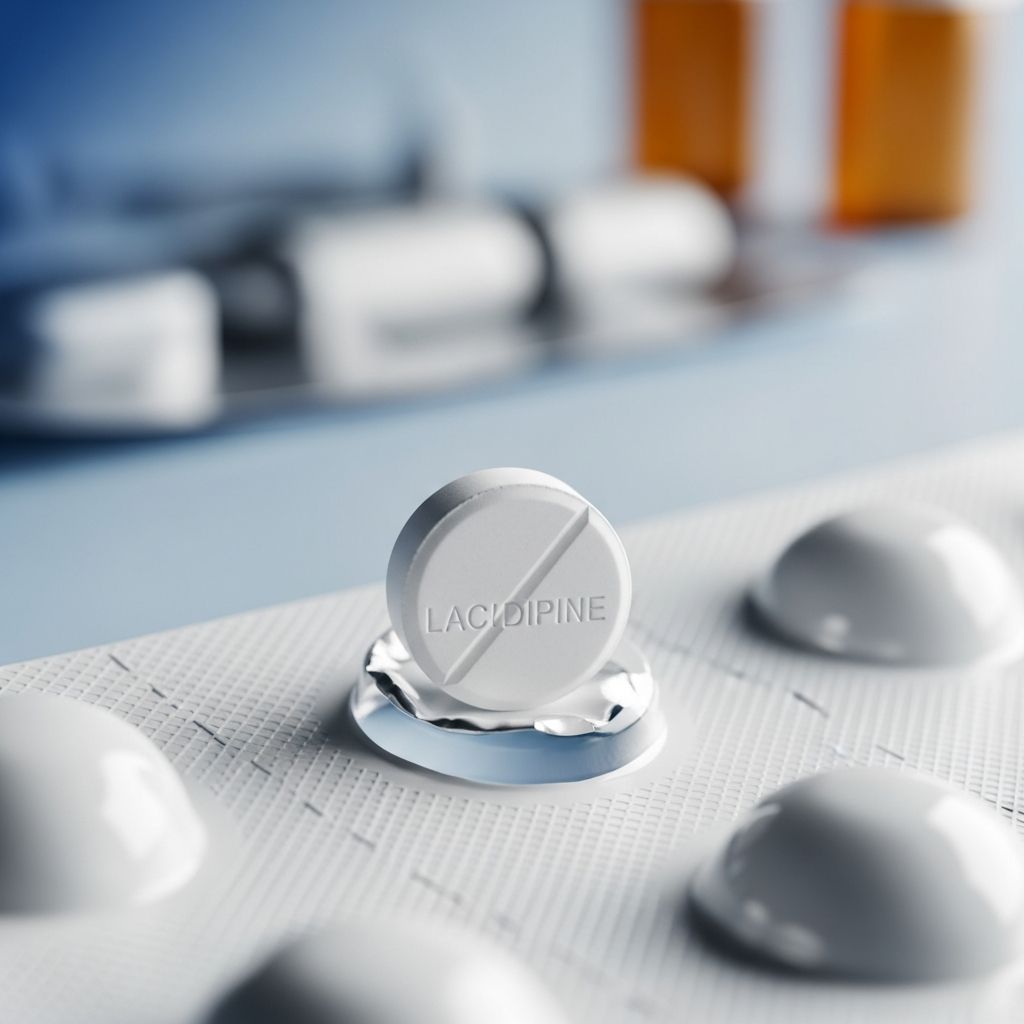
Lacidipine, also known as Motens, is a calcium-channel blocker specifically used to treat high blood pressure (hypertension).
| Type of medicine | A calcium-channel blocker |
|---|---|
| Used for | High blood pressure |
| Also called | Motens® |
| Available as | Tablets |
About lacidipine
Lacidipine is prescribed to treat
high blood pressure (hypertension)
. People with hypertension often feel fine, but untreated high blood pressure can damage the heart, blood vessels, and lead to serious complications like heart attacks or strokes.Lacidipine belongs to a group of medicines called
calcium-channel blockers
. It works by blocking calcium from entering muscle cells in blood vessel walls. This relaxes the muscles, widens the vessels, improves blood flow, and lowers blood pressure.Clinical studies show lacidipine 2-6 mg daily effectively controls blood pressure in 77-87% of patients with mild to moderate hypertension over 1-4 months. It provides 24-hour coverage, with greater effects during daytime activity.
As a dihydropyridine calcium-channel blocker, lacidipine has high vascular selectivity and a long duration of action (elimination half-life 13-19 hours). It may also offer antioxidant benefits, potentially protecting against atherosclerosis, though long-term outcomes are still studied.
Before taking lacidipine
To ensure lacidipine is safe, discuss the following with your doctor:
- If you have a
heart condition
, such as angina (chest pain), recent heart attack, heart failure, or hypertrophic cardiomyopathy. - If you have
aortic stenosis
, cardiogenic shock, or unstable angina. - If you have
liver problems
(hepatic impairment), as dose adjustments may be needed. - If you have a rare blood disorder called
porphyria
. - If you are
pregnant, breastfeeding, or planning pregnancy
. Use caution; consult your doctor. - If you are
elderly
or have poor cardiac reserve. - Any
allergies
to medicines, especially other calcium-channel blockers. - All
other medications
, including over-the-counter, herbal remedies, or supplements. Lacidipine interacts with antihypertensives, cimetidine, CYP3A4 inhibitors (e.g., itraconazole), inducers (e.g., rifampicin), and grapefruit juice.
Do not take lacidipine if: You have contraindications like recent acute MI (within 1 month), severe aortic stenosis, or cardiogenic shock.
How to take lacidipine
Take lacidipine exactly as prescribed. It is usually a long-term treatment.
- Dosage: Start with
2 mg once daily
, preferably in the morning. Your doctor may increase to 4 mg, then up to 6 mg daily after 3-4 weeks based on response. Maximum 6 mg/day. - Tablets: Available as 2 mg and 4 mg film-coated tablets. Swallow whole with water, with or without food.
- Missed dose: Take as soon as remembered unless near next dose. Do not double up.
- Stopping: Do not stop abruptly; taper gradually to avoid rebound hypertension.
| Week | Dose |
|---|---|
| Initial | 2 mg once daily |
| After 3-4 weeks | Increase to 4 mg if needed |
| Further adjustment | Up to 6 mg max |
Monitor blood pressure and heart rate regularly. If undergoing surgery or dental work, inform your healthcare provider, as lacidipine can interact with anaesthetics.
Getting the most from your treatment
- Take at the same time daily for steady blood levels.
- Lifestyle helps: Eat healthily, exercise, limit alcohol, quit smoking, maintain healthy weight.
- Regular check-ups to monitor blood pressure and adjust dose.
- Treatment is typically lifelong unless advised otherwise.
Side effects
Most people tolerate lacidipine well. Common side effects are mild and transient, similar to other dihydropyridines.
Related Stories



| Side Effect | Frequency | What to Do |
|---|---|---|
| Headache | Common (transient) | Usually improves; paracetamol if needed |
| Flushing (face) | Common (transient) | Avoid hot drinks/alcohol; resolves |
| Ankle oedema (swelling) | Common | Elevate legs; usually mild |
| Dizziness/weakness | Common | Avoid driving/machinery; sit/lie until better |
| Palpitations/tachycardia | Less common | Monitor; contact doctor if persistent |
| Nausea/abdominal discomfort | Occasional | Simple foods; avoid spicy/fatty meals |
| Rash/pruritus | Rare | Seek medical advice |
Serious side effects (rare): Increased angina, myocardial infarction, QT prolongation, symptomatic hypotension, syncope, gingival hyperplasia, polyuria. Seek immediate help for chest pain, severe dizziness, or swelling.
Overdose: Hypotension, tachycardia/bradycardia. Supportive care required.
If concerned, contact your doctor or pharmacist.
Frequently Asked Questions (FAQs)
Q: What is lacidipine used for?
A: Lacidipine treats high blood pressure (hypertension) by relaxing blood vessels to improve blood flow and reduce heart strain.
Q: How quickly does lacidipine work?
A: Blood pressure lowers within days, but full effects may take weeks. Peak plasma in 30-150 minutes; 24-hour control with once-daily dosing.
Q: Can I drink alcohol while taking lacidipine?
A: Limit alcohol; it can enhance blood pressure lowering and worsen dizziness or flushing.
Q: Does lacidipine cause weight gain?
A: Not typically; ankle oedema is fluid-related, not fat gain. Lifestyle helps manage.
Q: Is lacidipine safe for long-term use?
A: Yes, it’s for long-term hypertension management. Regular monitoring ensures safety.
Q: What if I miss a dose?
A: Take promptly unless near next dose. Never double; consult doctor if multiple misses.
Additional Information
Lacidipine is highly protein-bound (>95%) and metabolized by CYP3A4 in the liver, with 70% excreted in faeces. Store below 30°C, protected from light.
It may cause false-negative aldosterone/renin ratio tests. Comparable efficacy to other antihypertensives like enalapril or atenolol.
Always follow professional advice; this is not a substitute for medical consultation.
References
- Lacidipine tablets for high blood pressure (Motens) — Patient.info. 2023. https://patient.info/medicine/lacidipine-tablets-for-high-blood-pressure-motens
- Lacidipine. A review of its pharmacodynamic and pharmacokinetic properties, and therapeutic potential in the treatment of hypertension — DrugBank. 1994-11-01. https://go.drugbank.com/articles/A31537
- Lacidipine: Uses, Dosage, Side Effects and More – Singapore — MIMS Singapore. 2025. https://www.mims.com/singapore/drug/info/lacidipine?mtype=generic
- Lacidipine: a review of its use in the management of essential hypertension — PubMed (Drugs 2003). 2003-10-01. https://pubmed.ncbi.nlm.nih.gov/14524737/
- Lacidipine 2 mg and 4 mg Film-coated Tablets — medicines.org.uk (SmPC). 2023. https://www.medicines.org.uk/emc/files/pil.15061.pdf
- Calcium-channel Blockers: how do they work? — Patient.info. 2023. https://patient.info/heart-health/calcium-channel-blockers-leaflet
Similar Articles








Read full bio of medha deb