Lactic Acidosis: Causes, Symptoms, and Treatment
Understanding lactic acidosis: its causes, symptoms, diagnosis, and treatment options.
What Is Lactic Acidosis?
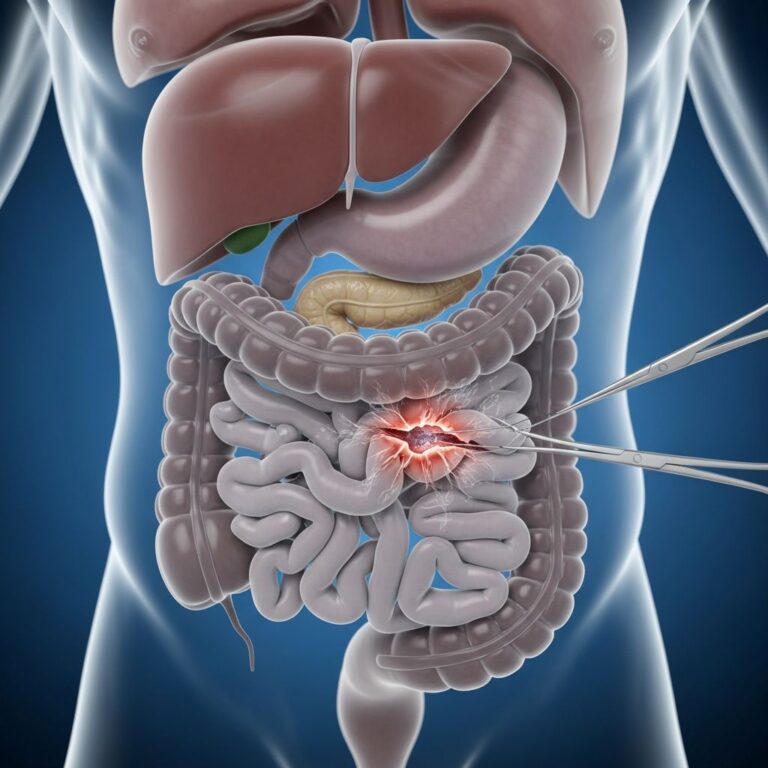
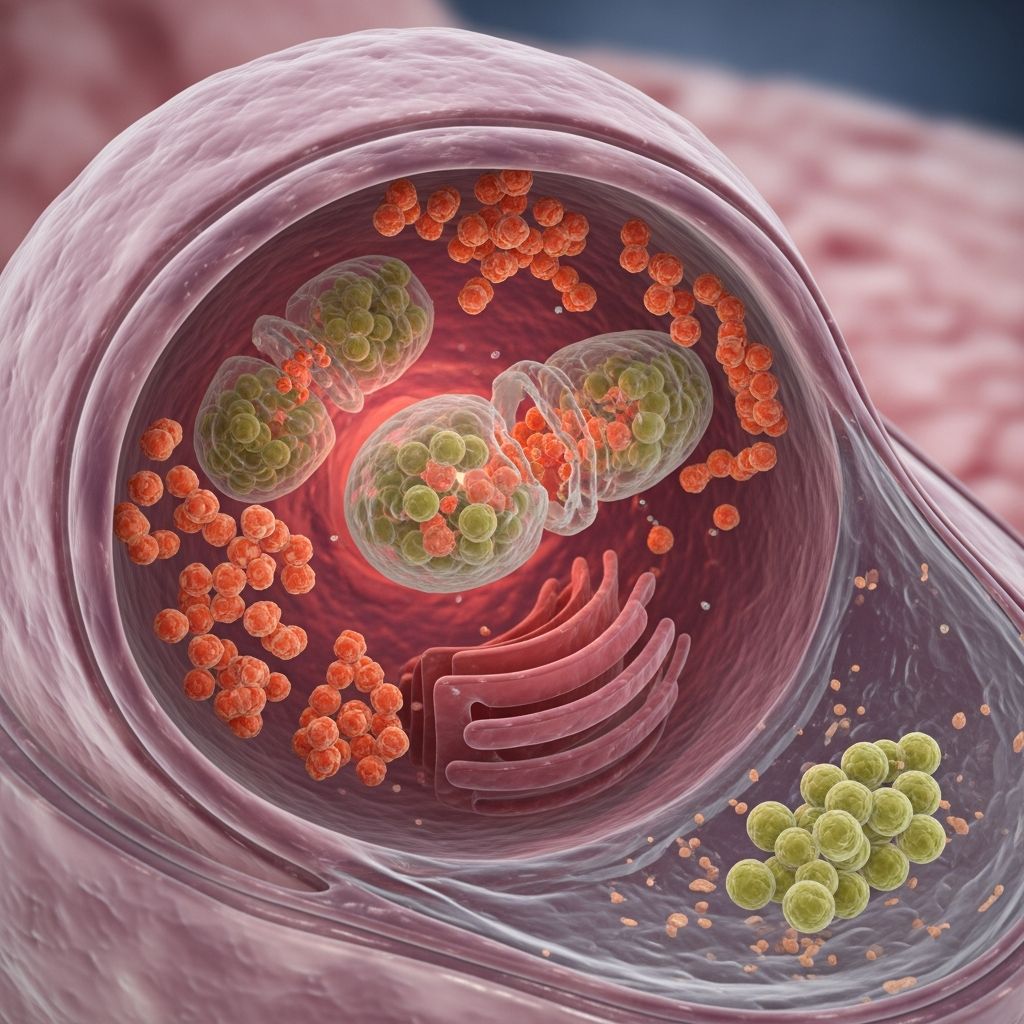
Lactic acidosis is a condition characterized by a buildup of lactic acid in the bloodstream. This occurs when the body produces too much lactic acid or cannot metabolize enough of it. Lactic acid is a chemical produced by the body when cells break down carbohydrates for energy, especially during periods of low oxygen supply. While lactic acid is a normal byproduct of metabolism, excessive levels can disrupt the body’s pH balance and lead to serious health complications.
Causes of Lactic Acidosis
Lactic acidosis can result from a variety of underlying conditions and factors. The causes are generally categorized into two main types: Type A and Type B lactic acidosis.
Type A Lactic Acidosis
Type A lactic acidosis is caused by tissue hypoxia or hypoperfusion, where there is a mismatch between oxygen delivery and consumption. This leads to anaerobic glycolysis, resulting in increased lactic acid production. Common causes include:
- Severe infections (sepsis)
- Shock (septic, cardiogenic, hypovolemic)
- Cardiac arrest
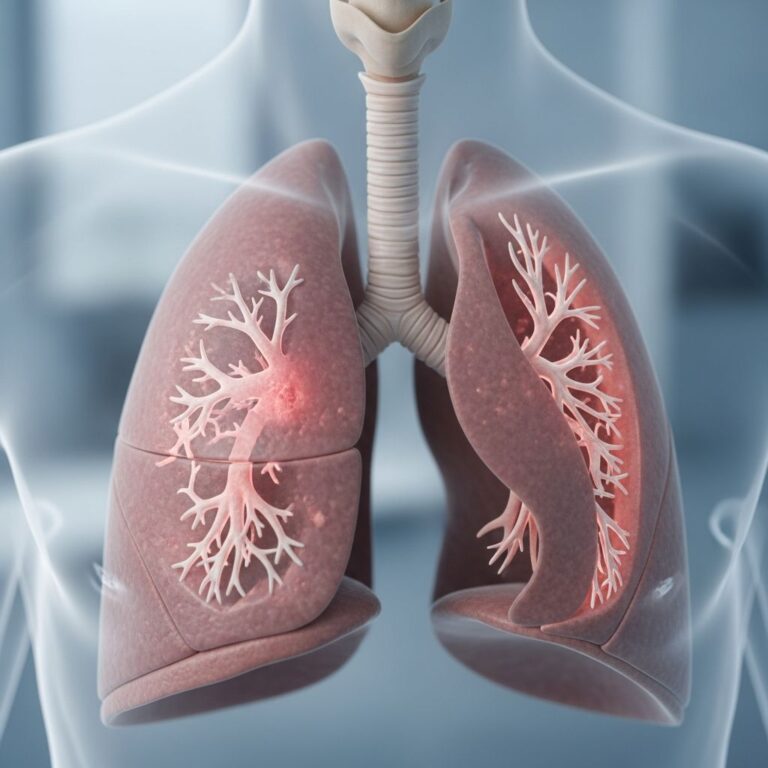
- Respiratory failure
- Severe anemia
- Major trauma
Type B Lactic Acidosis
Type B lactic acidosis occurs in the absence of tissue hypoxia or hypoperfusion. It can be due to increased production or decreased clearance of lactic acid. Causes include:
- Liver disease
- Malignancy
- Medications (e.g., metformin, epinephrine)
- Total parenteral nutrition
- Human immunodeficiency virus (HIV) infection
- Thiamine deficiency
- Mitochondrial myopathies
- Congenital lactic acidosis
Symptoms of Lactic Acidosis
The symptoms of lactic acidosis can vary depending on the severity and underlying cause. Common symptoms include:
- Nausea and vomiting
- Abdominal pain
- Weakness and fatigue
- Shortness of breath
- Confusion
- Low blood pressure
- Fast heart rate
- Jaundice (in cases of liver disease)
Diagnosis of Lactic Acidosis
Diagnosing lactic acidosis involves a combination of clinical evaluation, laboratory tests, and assessment of the patient’s medical history. Key diagnostic steps include:
- Measurement of serum lactate levels
- Arterial blood gas analysis to assess pH and bicarbonate levels
- Complete blood count (CBC) to check for anemia or infection
- Liver function tests
- Renal function tests
- Imaging studies (if indicated)
Treatment of Lactic Acidosis
Treatment of lactic acidosis depends on the underlying cause and severity of the condition. Immediate interventions focus on stabilizing the patient and addressing the root cause.
Immediate Management
In a clinical setting, lactic acidosis is treated immediately with:
- Intravenous (IV) fluids to restore blood volume and improve perfusion
- Oxygen therapy to correct hypoxemia
- Resuscitation measures as needed (e.g., vasopressors, inotropic agents)
Specific Treatments
After initial stabilization, treatment is tailored to the underlying cause:
- For Type A lactic acidosis: Focus on improving perfusion and oxygen delivery. This may involve fluid resuscitation, packed red blood cells, vasopressors, or inotropic agents.
- For Type B lactic acidosis: Address specific causes such as discontinuing offending medications, supplementing key cofactors (e.g., thiamine), or treating underlying conditions like liver disease or malignancy.
Prognosis and Complications
Related Stories



The prognosis of lactic acidosis depends on the underlying cause, severity, and promptness of treatment. Elevated lactate levels and slow lactate clearance are associated with higher mortality rates. Complications can include:
- Organ failure
- Shock
- Death
Prevention of Lactic Acidosis
Preventing lactic acidosis involves managing underlying health conditions and avoiding risk factors. Key preventive measures include:
- Regular monitoring of lactate levels in high-risk patients
- Timely treatment of infections and other illnesses
- Proper management of chronic conditions (e.g., diabetes, liver disease)
- Caution with medications that can cause lactic acidosis
Frequently Asked Questions (FAQs)
Q: What is the difference between lactic acid and lactate?
A: Lactic acid is the chemical produced by the body during anaerobic metabolism. Lactate is the ionized form of lactic acid, which is measured in blood tests.
Q: Can lactic acidosis be caused by exercise?
A: While exercise can temporarily increase lactate levels, it does not typically cause lactic acidosis. Lactic acidosis is usually due to underlying health conditions.
Q: How is lactic acidosis diagnosed?
A: Lactic acidosis is diagnosed by measuring serum lactate levels and assessing other laboratory tests and clinical findings.
Q: What are the treatment options for lactic acidosis?
A: Treatment involves immediate stabilization with IV fluids and oxygen, followed by addressing the underlying cause.
Q: Can lactic acidosis be prevented?
A: Yes, by managing underlying health conditions and avoiding risk factors, lactic acidosis can often be prevented.
References
- Lactic acidosis: Clinical implications and management strategies — Cleveland Clinic Journal of Medicine. 2015. https://www.ccjm.org/content/82/9/615
- Lactic acidosis: Clinical implications and management strategies — MD Edge. 2015. https://mdedge.com/ccjm/article/102061/critical-care/lactic-acidosis-clinical-implications-and-management-strategies
- Lactic acidosis: Clinical implications and management strategies — PubMed. 2015. https://pubmed.ncbi.nlm.nih.gov/26366959/
- Lactic Acidosis: Symptoms, Causes, Treatment & What It Is — Cleveland Clinic. https://my.clevelandclinic.org/health/diseases/25066-lactic-acidosis
- What Is Lactic Acid? — Cleveland Clinic. https://my.clevelandclinic.org/health/body/24521-lactic-acid
Similar Articles








Read full bio of Sneha Tete