Lactose-Free Milk: Comprehensive Guide To Benefits & Brands
Discover how lactose-free milk helps those with lactose intolerance enjoy dairy's benefits without digestive discomfort.
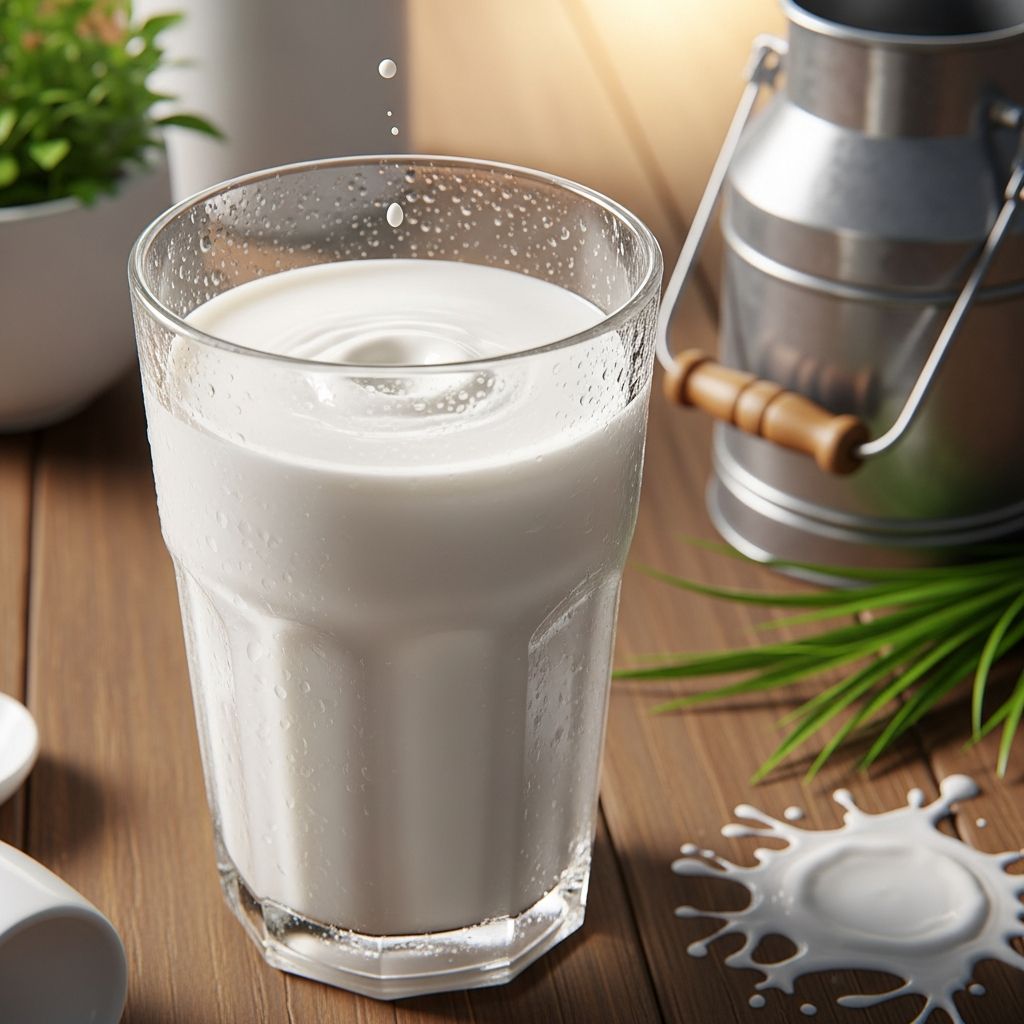
Lactose-free milk is regular cow’s milk treated to remove or break down lactose, the natural sugar many people struggle to digest. This makes it an ideal option for the estimated 30-50 million Americans with lactose intolerance, allowing them to enjoy milk’s nutrients without bloating, gas, or diarrhea.
Produced by adding the enzyme lactase or using filtration, lactose-free milk retains the same creamy texture and nutritional profile as regular milk, including high levels of protein, calcium, vitamin D, and B vitamins.
What Is Lactose-Free Milk?
Lactose-free milk starts as real cow’s milk—no plant-based substitutes here. The key difference is the treatment to eliminate lactose, a disaccharide that requires the enzyme lactase for digestion. For those with lactose intolerance, lactase production is low, leading to undigested lactose fermenting in the gut and causing discomfort.
Unlike lactose-reduced milk, which still contains some lactose (typically less than 1g/100g), lactose-free products have less than 10mg/100g, making them virtually symptom-free for most.
How Is Lactose-Free Milk Made?
There are two primary methods to create lactose-free milk:
- Enzymatic Hydrolysis: Lactase enzyme is added to the milk, breaking lactose into glucose and galactose—simpler sugars that are easily absorbed. This is the most common approach.
- Membrane Filtration: Advanced filters separate lactose from the milk, physically removing it. This method preserves more of the milk’s natural components.
Both processes result in milk that’s safe for lactose-intolerant consumers while maintaining identical calories, protein, fat, and carb content to regular milk.
Is Lactose-Free Milk Healthy?
Absolutely—lactose-free milk matches regular milk nutritionally. A 1-cup (240ml) serving provides about 8g of protein, 300mg calcium (30% DV), phosphorus, vitamin B12, riboflavin, and often fortified vitamin D.
Health authorities like the National Medical Association endorse it as the top substitute for regular dairy, noting it prevents nutrient gaps in protein, calcium, and other essentials that plant alternatives often lack.
| Nutrient (per 1 cup) | Regular Milk | Lactose-Free Milk |
|---|---|---|
| Calories | 150 | 150 |
| Protein | 8g | 8g |
| Calcium | 300mg | 300mg |
| Vitamin D (fortified) | 100 IU | 100 IU |
| Lactose | 12g | <0.01g |
Note: Values approximate; varies by fat content (whole, 2%, skim).
Lactose-Free Milk vs. Regular Milk
The nutrition is identical, but lactose-free milk tastes slightly sweeter because lactase converts lactose into glucose and galactose, which taste buds detect as sweeter. Texture and usability in recipes remain the same—swap it 1:1.
For lactose-intolerant people, it eliminates symptoms like abdominal pain, bloating, diarrhea, and gas that affect up to 75% of African Americans, 90% of Asian Americans, and many Native Americans.
Lactose-Free Milk vs. Plant-Based Milks
While plant milks (almond, oat, soy) are dairy-free, they often fall short nutritionally unless fortified—and even then, they don’t match cow’s milk’s complete protein or natural mineral bioavailability.
Related Stories



| Aspect | Lactose-Free Milk | Plant-Based (avg.) |
|---|---|---|
| Source | Cow’s milk | Plants/nuts |
| Protein | 8g/cup | 1-7g/cup |
| Calcium | Natural + fortified | Fortified only |
| Suitable for vegans | No | Yes |
| Taste in recipes | Identical to dairy | Often thinner |
Lactose-free milk is better for those wanting dairy benefits without intolerance issues; plant options suit vegans or dairy-allergic individuals.
Does Lactose-Free Milk Taste Different?
Yes, subtly sweeter due to broken-down sugars, but many don’t notice or prefer it. In blind tests, it’s nearly indistinguishable in coffee, cereal, or baking. The mild sweetness enhances some recipes like smoothies or puddings.
Best Lactose-Free Milk Brands
Top picks based on taste, availability, and nutrition:
- Fairlife: Ultra-filtered for higher protein (13g/cup), creamier taste.
- Lactaid: Pioneer brand, available in whole, 2%, skim; pure lactase treatment.
- Organic Valley: Grass-fed organic option, smooth flavor.
- Horizon Organic: USDA organic, kid-friendly.
- Silk Lactose-Free: Affordable, widely available.
Choose based on fat preference and budget—prices run 50-100% higher than regular milk.
FAQs
Is lactose-free milk real milk?
Yes, it’s 100% cow’s milk with lactose broken down or removed.
Can babies drink lactose-free milk?
Consult a pediatrician; most infants outgrow primary lactase deficiency, but it’s safe for diagnosed cases.
Is it safe for milk allergies?
No—lactose intolerance differs from milk protein allergy. Avoid if allergic.
How much more does it cost?
Often double the price of regular milk, but sales and generics help.
Can I make my own?
Yes, add lactase drops to regular milk and refrigerate 24 hours.
Is it vegan?
No, derived from cow’s milk.
Lactose-free milk empowers lactose-intolerant individuals to meet calcium and protein needs affordably. With growing market share (4% of U.S. milk sales, up 12% yearly), options continue expanding, including yogurt, cheese, and ice cream.
For severe cases, pair with probiotics or limit to small servings—most tolerate 12g lactose daily (1 cup regular milk).
References
- What Is Lactose-Free Milk? — U.S. Dairy. 2023. https://www.usdairy.com/news-articles/what-is-lactose-free-milk
- Lactose-Free Milk: How Does It Differ From Regular Milk? — Healthline (Rachael Ajmera, MS, RD). 2023-05-04. https://www.healthline.com/nutrition/lactose-free-milk
- Lactose-Free Milk: The Solution To Your Milk Problems — The Lifestyle Dietitian. 2023. https://thelifestyledietitian.com/lactose-free-milk-the-solution-to-your-milk-problems/
- Advances in Low-Lactose/Lactose-Free Dairy Products — National Institutes of Health (PMC). 2023. https://pmc.ncbi.nlm.nih.gov/articles/PMC10340681/
- Lactose Intolerance: Health Authorities’ Recommendations — Dairy Nutrition Canada. 2023. https://dairynutrition.ca/en/nutrition-and-health/lactose-intolerance/lactose-intolerance-health-authorities-recommendations
Similar Articles








Read full bio of medha deb