Lacunar Stroke: Causes, Symptoms, and Treatment
Understanding lacunar stroke: risk factors, warning signs, and effective treatment options.
Understanding Lacunar Stroke
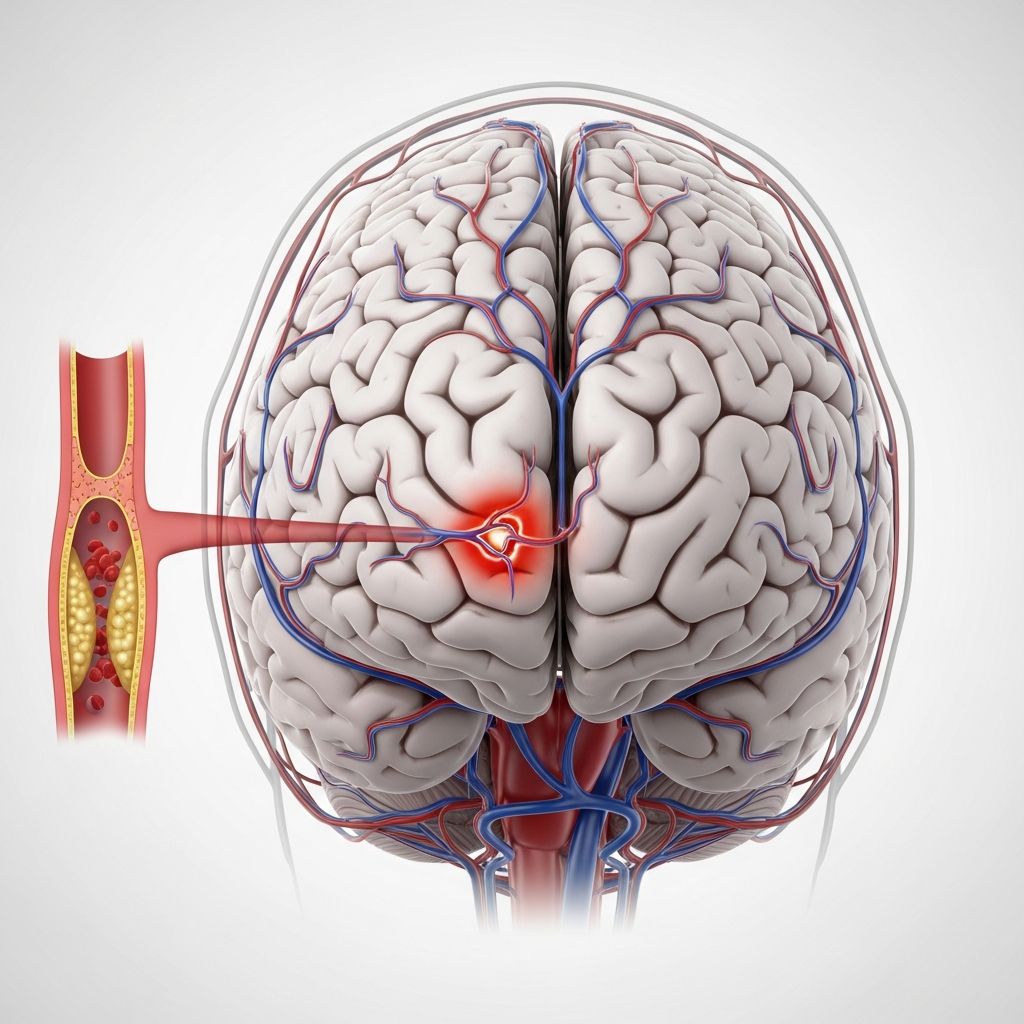
A lacunar stroke, also known as lacunar cerebral infarct (LACI), is the most common type of ischemic stroke, occurring when blood flow to one of the small arteries deep within the brain becomes blocked. These small penetrating arteries supply critical blood to the brain’s deep structures, including areas that control movement and sensation. When these vessels become occluded, brain tissue begins to die due to lack of oxygen, leading to various neurological complications. The term “lacunar” comes from the small cavity or lacuna that is left behind after the stroke occurs. Unlike larger strokes affecting the brain’s outer layers, lacunar strokes are often overlooked initially but can have significant long-term consequences if left untreated.
Types and Classical Syndromes
Lacunar strokes present in distinct patterns known as classical lacunar syndromes, each with specific symptoms based on the location of the blockage. Medical professionals have identified five primary lacunar stroke syndromes, each characterized by particular neurological deficits:
| Syndrome Type | Location of Infarct | Primary Symptoms |
|---|---|---|
| Pure Motor Stroke (Most Common: 33-50%) | Posterior limb of internal capsule, basilar pons, corona radiata | Hemiparesis or hemiplegia affecting face, arm, or leg on the opposite side of the stroke; may include dysarthria and dysphagia |
| Ataxic Hemiparesis | Internal capsule, pons, cerebral structures | Combination of weakness and clumsiness on same side of body; typically affects legs more than arms |
| Dysarthria-Clumsy Hand Syndrome | Basilar pons, internal capsule, basal ganglia | Slurred speech and hand clumsiness, most noticeable when writing |
| Pure Sensory Stroke | Thalamus, internal capsule, corona radiata | Numbness on one side of body; may develop tingling, pain, or burning sensations |
| Mixed Sensorimotor Stroke | Thalamus and posterior internal capsule, lateral pons | Combination of weakness and sensory impairment on one side of body |
Symptoms of lacunar strokes may appear suddenly, develop progressively, or fluctuate over time. A key distinguishing feature of lacunar strokes is the absence of cortical signs such as aphasia, visuospatial neglect, or visual field defects, which are common in larger ischemic strokes.
Causes and Risk Factors
Lacunar strokes develop when small blood vessels deep in the brain become blocked, preventing blood flow to critical brain structures. The primary risk factor for developing lacunar stroke is chronic high blood pressure, which causes arteries to narrow and become more susceptible to blockages. This narrowing allows cholesterol plaques or blood clots to more easily obstruct blood flow to deep brain tissues.
Primary Risk Factors
Several medical conditions and lifestyle factors significantly increase the risk of experiencing a lacunar stroke:
Medical Conditions: High blood pressure, diabetes, atherosclerosis, previous strokes, cardiovascular disease, and elevated homocysteine levels (often caused by vitamin deficiencies) are major contributors to lacunar stroke risk. Certain genetic conditions may also predispose individuals to this type of stroke.
Lifestyle Factors: Smoking and elevated LDL cholesterol levels substantially increase stroke risk. Age also plays a role, as lacunar strokes are more common in older populations.
Pathophysiological Mechanisms
Two primary mechanisms explain how lacunar strokes occur: microatheroma formation and lipohyalinosis. Microatheroma, involving the buildup of atherosclerotic plaque in small vessels, is now considered the most common mechanism of arterial occlusion. In some cases, atheroma in the parent artery blocks the opening of the penetrating artery, preventing blood flow through the smaller vessel.
Lipohyalinosis involves thickening of the media (muscular layer) of small blood vessels, followed by fibrinoid deposition and hypertrophy of smooth muscle and connective tissue elements. This thickening reduces the space available for blood to flow, making blockages more likely.
Recent research suggests these mechanisms may work together in causing lacunar infarction. The current understanding indicates that endothelial dysfunction and increased blood-brain barrier permeability allow blood contents to leak into surrounding tissue, promoting inflammation and white matter changes visible on imaging. Additionally, focal narrowing of brain vessels and their reduced ability to dilate in response to stimuli may decrease cerebral blood flow, ultimately leading to stroke.
Related Stories



Symptoms and Clinical Presentation
The symptoms of a lacunar stroke depend entirely on which brain structure is affected by the blockage. Because these strokes affect deep brain structures responsible for movement and sensation, symptoms often involve weakness or sensory changes on one side of the body. Common symptoms include:
Motor Symptoms: Weakness on one side of the body, inability to raise one arm, drooping on one side of the face, difficulty walking or moving arms, and facial weakness particularly affecting the tongue and larynx.
Sensory Symptoms: Numbness often on only one side of the body, changes in sensations like temperature, touch, or taste, and difficulty with fine motor skills such as tying a shoe.
Speech and Cognitive Symptoms: Slurred speech, difficulty speaking or understanding spoken language, confusion, and memory problems.
Other Symptoms: Headache, loss of consciousness, or coma in severe cases.
Interestingly, many lacunar strokes are asymptomatic and discovered incidentally during imaging tests performed for other reasons. However, doctors increasingly recognize that asymptomatic lacunar strokes may contribute to mild cognitive impairment and early dementia over time.
Diagnosis and Testing
When a patient presents with symptoms suggestive of lacunar stroke but has not yet undergone diagnostic imaging, they may be described as having lacunar stroke syndrome (LACS). Definitive diagnosis requires imaging studies to identify the location and extent of the brain infarction.
Magnetic resonance imaging (MRI) is the gold standard for diagnosing lacunar strokes, as it can clearly visualize small infarcts in deep brain structures. MRI also helps identify white matter hyperintensities and other changes associated with small vessel disease. Computed tomography (CT) scanning may be performed initially to rule out hemorrhagic stroke, which requires different treatment.
Additional tests may include:
Cardiovascular Assessment: Blood pressure monitoring, electrocardiography (ECG), and echocardiography to assess cardiac function and identify potential cardiac sources of emboli.
Laboratory Tests: Blood glucose testing to assess diabetes control, lipid panel for cholesterol levels, coagulation studies, and homocysteine levels.
Carotid Imaging: Ultrasound or advanced imaging to evaluate large vessel disease that might contribute to lacunar stroke risk.
Treatment and Management
Immediate treatment of acute lacunar stroke typically involves the same interventions used for other ischemic strokes. When patients receive prompt emergency treatment, they often make full recoveries; however, they face increased risk of future strokes.
Acute Phase Treatment
The primary acute treatment for ischemic stroke is thrombolysis with tissue plasminogen activator (tPA), which dissolves blood clots and restores blood flow if administered within a narrow time window (typically 3-4.5 hours from symptom onset). In some cases, mechanical thrombectomy may be performed to physically remove the clot.
Secondary Prevention and Long-term Management
After the acute phase, treatment focuses on preventing future strokes through medication and lifestyle modifications:
Antiplatelet Therapy: Aspirin or other antiplatelet agents reduce the risk of future strokes by preventing blood clot formation.
Blood Pressure Control: Since hypertension is the primary risk factor, tight blood pressure control is essential. Antihypertensive medications may include ACE inhibitors, angiotensin receptor blockers, calcium channel blockers, or thiazide diuretics.
Diabetes Management: Tight glucose control reduces stroke risk in diabetic patients.
Cholesterol Management: Statins may be prescribed to lower LDL cholesterol and reduce atherosclerotic disease progression.
Lifestyle Modifications: Smoking cessation, regular physical exercise, weight management, and a heart-healthy diet are fundamental to stroke prevention.
Prognosis and Long-term Outcomes
The prognosis for lacunar stroke varies depending on the extent of brain damage and the patient’s ability to manage risk factors. Many patients recover well from individual lacunar strokes, but repeated lacunar infarcts over time can lead to progressive neurological decline, including motor deficits and cognitive impairment.
Cumulative effects of multiple lacunar strokes may contribute to vascular dementia and significant functional disability. Early recognition and aggressive management of risk factors are crucial for preventing recurrent strokes and maintaining quality of life.
Prevention Strategies
Preventing lacunar stroke requires careful management of underlying medical conditions and lifestyle factors:
Blood Pressure Management: Maintaining blood pressure within target ranges is the single most effective prevention strategy. Regular monitoring and consistent medication adherence are essential.
Diabetes Control: Maintaining healthy blood glucose levels through diet, exercise, and medication prevents vascular damage.
Cardiovascular Health: Managing cholesterol, maintaining healthy weight, and engaging in regular exercise strengthen the cardiovascular system.
Smoking Cessation: Quitting smoking immediately reduces stroke risk and improves overall vascular health.
Healthy Eating: A Mediterranean or DASH diet rich in fruits, vegetables, whole grains, and lean proteins supports brain and heart health.
Regular Exercise: At least 150 minutes of moderate-intensity aerobic exercise per week reduces stroke risk significantly.
Frequently Asked Questions
What is the difference between lacunar stroke and other types of ischemic stroke?
Lacunar strokes affect small deep brain arteries and typically do not cause cortical signs like aphasia or visual field defects. Other ischemic strokes affecting larger vessels or brain surface areas present with these cortical symptoms. Lacunar strokes tend to produce specific motor and sensory deficits depending on the location of the blockage.
Can someone have a lacunar stroke without symptoms?
Yes, asymptomatic lacunar strokes are fairly common and are often discovered incidentally during imaging for unrelated reasons. However, accumulation of these silent strokes may contribute to cognitive decline and dementia over time.
How quickly should someone seek treatment for lacunar stroke symptoms?
Lacunar stroke symptoms require immediate emergency medical attention. Call emergency services immediately if you experience sudden weakness, numbness, difficulty speaking, or facial drooping. Time is critical, as thrombolytic therapy is most effective within the first few hours of symptom onset.
Is lacunar stroke hereditary?
While lacunar stroke itself is not typically hereditary, certain genetic conditions that increase stroke risk can run in families. If you have a family history of stroke, discuss this with your healthcare provider.
What is the recovery process like after lacunar stroke?
Recovery varies based on stroke severity and patient factors. Rehabilitation typically includes physical therapy, occupational therapy, and speech therapy as needed. Many patients make good recovery with early intervention and consistent rehabilitation efforts.
Can lacunar strokes be prevented?
Yes, many lacunar strokes can be prevented through aggressive management of risk factors, particularly blood pressure control, diabetes management, cholesterol reduction, smoking cessation, and lifestyle modifications including exercise and healthy diet.
References
- Lacunar stroke — Wikipedia. Retrieved from https://en.wikipedia.org/wiki/Lacunar_stroke
- Lacunar Stroke — StatPearls, National Center for Biotechnology Information (NCBI), U.S. National Library of Medicine. 2024. Retrieved from https://www.ncbi.nlm.nih.gov/books/NBK563216/
- Lacunar Stroke: Symptoms, Treatments, and Long-Term Outlook — Healthline. Retrieved from https://www.healthline.com/health/lacunar-stroke-symptoms
- Lacunar stroke: Risk factors, causes, treatment, and more — Medical News Today. Retrieved from https://www.medicalnewstoday.com/articles/lacunar-stroke
- What to Know About a Lacunar Stroke — WebMD. Retrieved from https://www.webmd.com/stroke/what-to-know-about-a-lacunar-stroke
- Lacunar Stroke (Lacunar Infarct): Symptoms & Treatment — Cleveland Clinic. Retrieved from https://my.clevelandclinic.org/health/diseases/lacunar-stroke
- Lacunar Stroke Is the Major Cause of Progressive Motor Deficits — American Heart Association Journal. 2003. Retrieved from https://www.ahajournals.org/doi/10.1161/01.str.0000016326.78014.fe
Similar Articles








Read full bio of medha deb