Lacunar Stroke: Symptoms, Causes & Treatment
Understanding lacunar strokes: causes, symptoms, diagnosis, and effective treatment options.
Understanding Lacunar Stroke
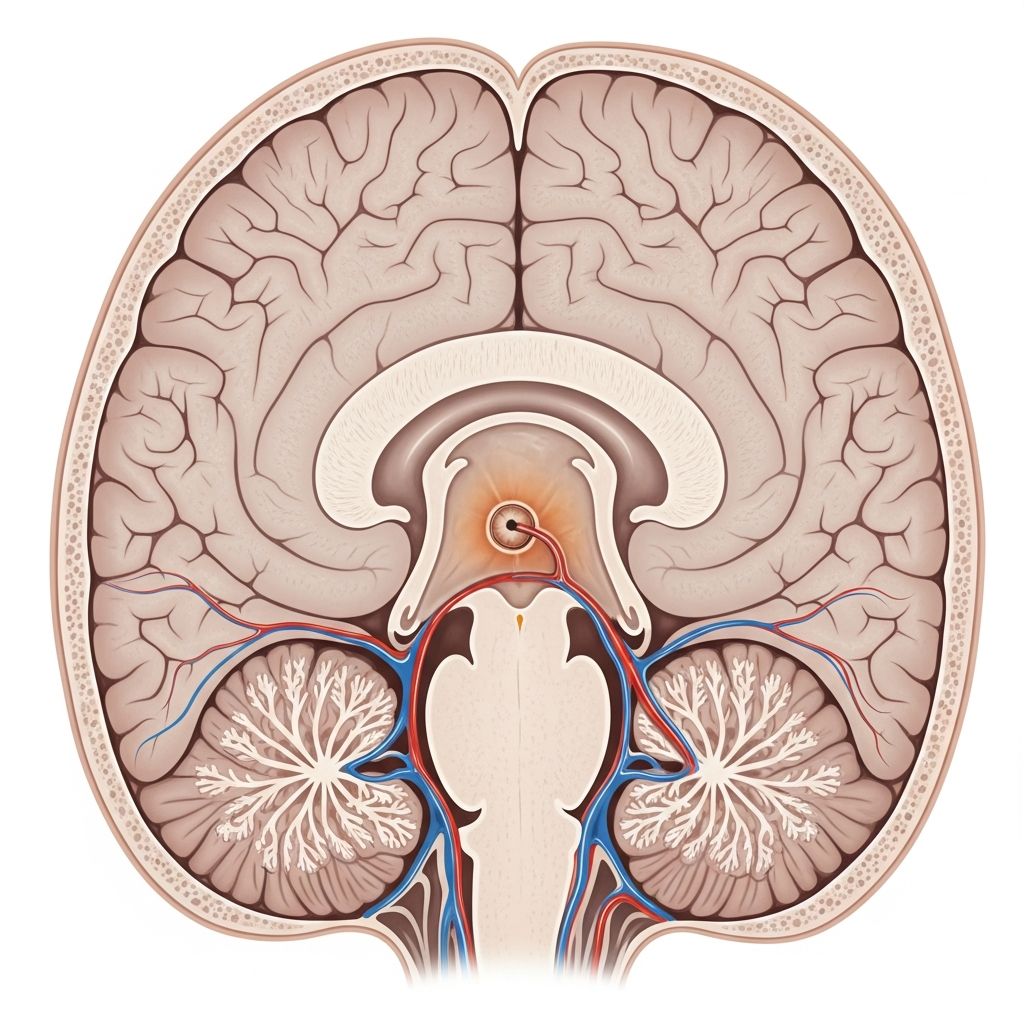
A lacunar stroke, also known as a lacunar infarct, is a specific type of ischemic stroke that occurs when a blood clot blocks one of the small blood vessels located deep within your brain. These strokes are particularly significant because they affect the penetrating branches of major cerebral arteries, creating small deep infarcts that can have substantial impacts on brain function and overall health. Lacunar strokes represent a prevalent category of ischemic stroke and contribute significantly to morbidity and mortality worldwide. Understanding this condition is crucial for recognizing symptoms early and seeking emergency treatment promptly.
What Causes Lacunar Strokes
Lacunar strokes develop when small blood vessels deep in the brain become blocked, typically by blood clots or narrowed vessels. The underlying mechanism involves atherosclerosis or lipohyalinosis, where the walls of small penetrating arteries become damaged and narrowed. This pathological process is often related to chronic hypertension and diabetes, which damage the small vessels over time. Unlike other types of strokes that may result from large vessel occlusion or cardioembolic sources, lacunar strokes specifically target these deep brain vessels that supply critical brain regions including the basal ganglia, thalamus, pons, and internal capsule.
Risk Factors for Lacunar Stroke
Several health conditions and lifestyle factors can significantly increase your risk of experiencing a lacunar stroke. The primary modifiable risk factors include:
Hypertension remains the most important risk factor for lacunar stroke development. Chronic high blood pressure damages the walls of small blood vessels, making them prone to narrowing and blockage. Diabetes mellitus accelerates vascular damage and increases the likelihood of blood clot formation. High cholesterol levels contribute to atherosclerotic plaque buildup in small vessels. Smoking damages blood vessel walls and increases clotting risk. Obesity and physical inactivity compound cardiovascular disease risk. Age also plays a role, as lacunar strokes are more common in older adults. Additionally, having a history of previous strokes or transient ischemic attacks significantly elevates your risk of experiencing another stroke event.
Recognizing Lacunar Stroke Symptoms
Lacunar strokes can cause diverse symptoms depending on their location within the brain. To help recognize warning signs in yourself or loved ones, healthcare professionals recommend remembering the acronym BE FAST:
B – Balance: Sudden loss of balance or coordination
E – Eyes: Sudden vision problems or loss of vision in one or both eyes
F – Face: Facial drooping on one side; ask the person to smile
A – Arm: Arm weakness or numbness; ask the person to raise both arms
S – Speech: Speech difficulty, slurring, or inability to understand others
T – Time: Time is critical; call emergency services immediately if any symptoms appear
Additional symptoms may include sudden severe headache, difficulty swallowing, numbness or weakness on one side of the body, confusion, and difficulty walking. Because lacunar strokes affect small deep brain vessels, symptoms can vary considerably from person to person depending on which specific vessel becomes blocked and which brain region loses blood supply.
Transient Ischemic Attacks: Warning Signs
A transient ischemic attack (TIA), sometimes called a “mini-stroke” or “near stroke,” produces stroke-like symptoms but with temporary effects that typically resolve within 24 hours. These events are critical warning signs indicating an extremely high risk of experiencing a true stroke in the near future. If you experience symptoms suggestive of a TIA, seek emergency medical care immediately. Do not delay seeking help because symptoms seem temporary; TIAs require urgent medical evaluation and intervention to prevent a subsequent full stroke.
Related Stories



Diagnosis of Lacunar Stroke
Healthcare providers will conduct several diagnostic procedures to confirm a lacunar stroke diagnosis. The diagnostic process typically begins in the emergency room and includes:
Neurological Examination: Your healthcare provider will assess your cognitive function, balance, coordination, and motor control to identify specific deficits associated with stroke.
Physical Examination: A comprehensive physical assessment helps identify signs of stroke or other contributing conditions.
Imaging Studies: Noncontrast cranial computed tomography (CT) scans are performed first to rule out hemorrhagic stroke. If CT results are inconclusive, magnetic resonance imaging (MRI) provides better visualization of small infarcts. CT angiography of the head and neck can show filling defects consistent with blood clots, arterial narrowing, chronic vessel disease, and atheroma features.
Laboratory Tests: Essential blood work includes complete blood count with platelet assessment, prothrombin time (PT), activated partial thromboplastin time (aPTT), blood glucose levels, electrocardiogram analysis, troponin levels, metabolic panel, lipid panel, hemoglobin A1c, and toxicology screening. These tests identify underlying stroke risk factors and help guide treatment decisions.
Electrocardiogram (ECG): This test evaluates heart rhythm and function, helping identify cardiac sources of blood clots that could cause strokes.
Time is critical in stroke diagnosis; emergency providers work rapidly to confirm the diagnosis and determine treatment eligibility within the narrow therapeutic window for thrombolytic medications.
Treatment Options for Lacunar Stroke
The primary goal of acute lacunar stroke treatment is restoring blood flow to your brain as quickly as possible to minimize permanent brain damage and reduce mortality risk. Healthcare providers implement immediate treatment strategies while ensuring medical stability and determining candidacy for advanced interventions.
Thrombolytic Therapy (tPA)
Tissue plasminogen activator (tPA) represents one of the most effective treatments for acute ischemic stroke, including lacunar strokes, when administered within 4.5 hours of symptom onset. This clot-busting medication breaks down the blood clot blocking blood flow to your brain. Before administering tPA, your blood pressure must be controlled to below 185/110 mm Hg, and after administration, it must remain below 180/105 mm Hg. Healthcare providers carefully evaluate each patient’s eligibility for tPA based on symptom timing and other clinical factors.
Mechanical Thrombectomy
Mechanical thrombectomy involves using specialized instruments to physically remove the blood clot from the blocked vessel. This intervention was previously restricted to patients presenting within 6 hours of symptom onset but has been expanded. For patients presenting more than 4.5 hours after symptom onset with suspicion of intracranial arterial occlusion in the anterior circulation, computed tomography angiography and magnetic resonance angiography can identify candidates for mechanical thrombectomy between 6 to 24 hours from when they were last known to be without symptoms.
Antiplatelet Therapy
For patients presenting outside the tPA window with noncardioembolic stroke presentation, dual antiplatelet therapy with aspirin and clopidogrel administered within 24 hours of symptom onset and continued for 21 days effectively reduces recurrent ischemic stroke risk for 90 days following symptom onset. This approach prevents future clot formation and reduces stroke recurrence.
Blood Pressure Management
Healthcare providers carefully manage blood pressure during acute stroke treatment, as both excessively high and low blood pressure can worsen outcomes. Appropriate blood pressure control is essential throughout treatment and recovery phases.
Additional Treatments and Considerations
Beyond acute stroke management, patients may require additional treatments including:
– Blood thinning medications to prevent future clots
– Medications to control blood pressure long-term
– Cholesterol-lowering medications
– Blood sugar management in diabetic patients
– Antiepileptic medications if seizures develop
– Pain management for headaches or other discomfort
Research has shown that heparin, another blood thinner, provides no benefit in acute lacunar stroke and may increase bleeding risk, so it is generally not recommended.
Stroke Rehabilitation and Recovery
Rehabilitation represents an essential component of lacunar stroke treatment and recovery. Most patients with lacunar infarctions experience significant improvements in neurologic deficits with appropriate rehabilitation. You may need to regain abilities you possessed before the stroke or adjust to new disabilities that have developed. Comprehensive rehabilitation services often include:
Physical Therapy: Helps restore strength, balance, and mobility to improve your ability to perform daily activities.
Occupational Therapy: Focuses on relearning practical daily living skills and adapting your environment for safety and independence.
Speech Therapy: Addresses communication difficulties and swallowing problems that may result from stroke.
Cognitive Rehabilitation: Helps address memory, attention, and thinking problems.
These rehabilitation services can often begin before hospital discharge, with long-term care coordination continuing for patients with residual deficits. An interprofessional team approach including neurologists, physical medicine specialists, nurses, pharmacists, and other health professionals ensures comprehensive, patient-centered care optimized for recovery.
Preventing Complications After Lacunar Stroke
After suffering a lacunar stroke, patients face increased risk of stroke recurrence and cognitive decline. Early identification and management are imperative in reducing complications and improving long-term outcomes. Key prevention strategies include:
Intense Antihypertensive Therapy: Aggressive blood pressure control is crucial, as hypertension is the primary modifiable risk factor.
Lipid Management: Maintaining healthy cholesterol levels through medication and lifestyle changes reduces atherosclerosis progression.
Strict Blood Sugar Control: Diabetic patients require careful glucose management to prevent further vascular damage.
Lifestyle Modifications: Regular exercise, heart-healthy diet, smoking cessation, and weight management support long-term stroke prevention.
Medication Compliance: Taking prescribed medications consistently is essential for managing risk factors.
Recognizing Stroke Complications
Contact emergency services or visit the emergency room immediately if you experience additional stroke symptoms or complications such as severe headache, loss of consciousness, seizures, or worsening neurological symptoms. Swift action can prevent further brain damage.
Long-Term Outlook and Quality of Life
Lacunar strokes, while affecting tiny blood vessels deep in the brain, can have significant impacts on health and quality of life. However, with appropriate acute treatment, rehabilitation, and long-term risk factor management, many patients achieve substantial functional recovery. Regular healthcare provider visits help catch and manage health issues that increase stroke risk over time. Remember to celebrate recovery progress; any success achieved during rehabilitation deserves recognition and pride in your hard work.
Frequently Asked Questions
Q: What is the difference between a lacunar stroke and other types of strokes?
A: Lacunar strokes specifically affect small blood vessels deep in the brain, whereas other ischemic strokes may result from larger vessel occlusion or cardioembolic sources. Lacunar strokes typically cause smaller, deeper infarcts in regions like the basal ganglia and thalamus.
Q: Can a lacunar stroke be prevented?
A: While not all strokes can be prevented, controlling modifiable risk factors significantly reduces risk. Managing hypertension, diabetes, high cholesterol, maintaining healthy weight, exercising regularly, quitting smoking, and following prescribed medications are crucial preventive measures.
Q: What is the recovery timeline after a lacunar stroke?
A: Recovery varies by individual and stroke severity. Most patients experience significant improvements in neurologic deficits with rehabilitation. Initial recovery is often fastest in the first few weeks and months, with continued improvements over the first year and beyond.
Q: How quickly must lacunar stroke treatment begin?
A: Acute stroke treatment should begin as soon as possible. Thrombolytic therapy (tPA) is most effective within 4.5 hours of symptom onset, making rapid recognition and emergency transport essential.
Q: Are there warning signs before a lacunar stroke occurs?
A: A transient ischemic attack (TIA) is a temporary stroke-like episode that often precedes a full stroke. Experiencing a TIA significantly increases stroke risk and requires immediate medical evaluation and treatment.
References
- Lacunar Stroke (Lacunar Infarct): Symptoms & Treatment — Cleveland Clinic. 2024. https://my.clevelandclinic.org/health/diseases/lacunar-stroke
- Lacunar Stroke – StatPearls — National Center for Biotechnology Information (NCBI). 2024. https://www.ncbi.nlm.nih.gov/books/NBK563216/
- Stroke: What It Is, Causes, Symptoms & Treatment — Cleveland Clinic. 2024. https://my.clevelandclinic.org/health/diseases/5601-stroke
- TIA (Transient Ischemic Attack): Symptoms & Treatment — Cleveland Clinic. 2024. https://my.clevelandclinic.org/health/diseases/14173-transient-ischemic-attack-tia-or-mini-stroke
- Functional Outcome in Patients With Lacunar Infarction — American Heart Association/American Stroke Association. 1996. https://www.ahajournals.org/doi/10.1161/01.str.27.5.842
Similar Articles








Read full bio of Sneha Tete