Lagophthalmos: Diagnosis And Care, 4 Surgical Options
Discover effective strategies for identifying and managing lagophthalmos to safeguard eye health and prevent vision complications.
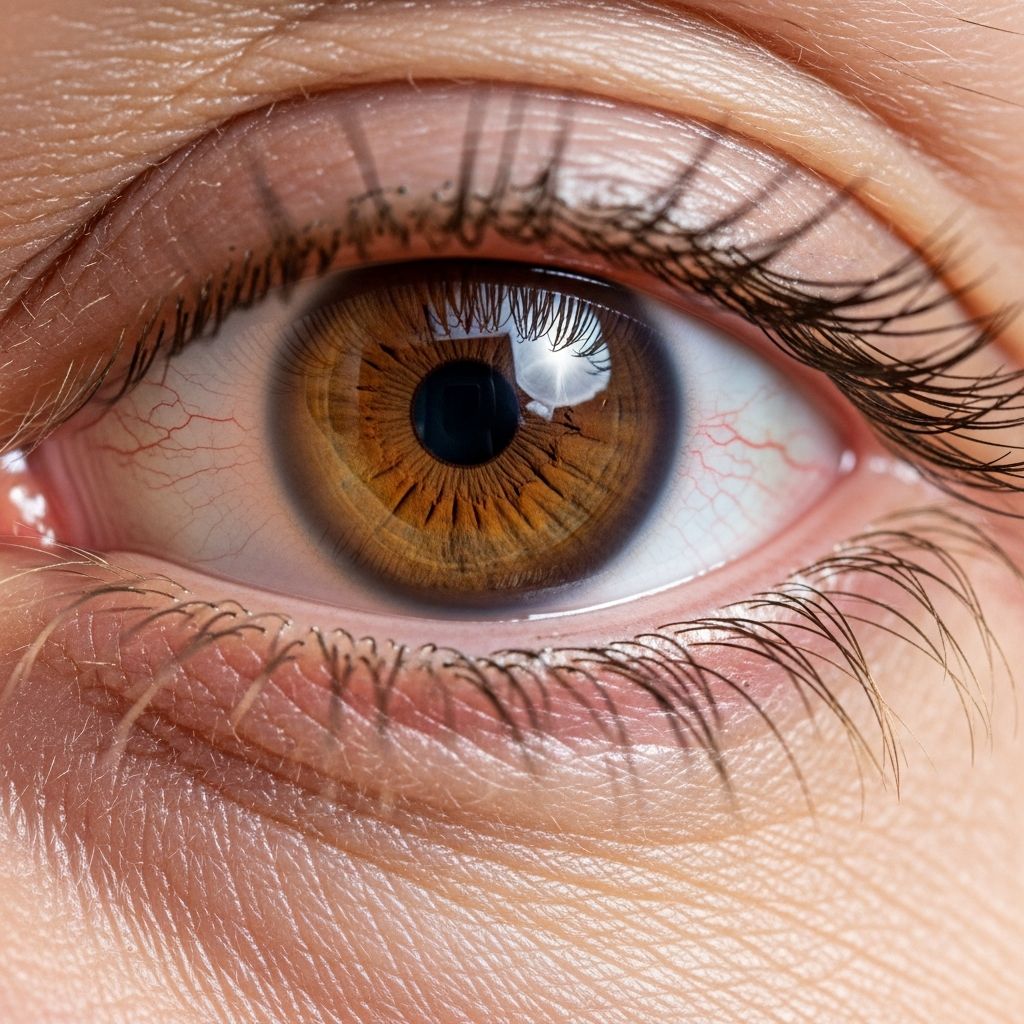
Lagophthalmos is a condition characterized by the inability to fully close one or both eyelids, exposing the cornea to environmental hazards and leading to discomfort or serious complications.
Understanding the Basics of Incomplete Eyelid Closure
The term lagophthalmos derives from Greek roots meaning “hare eye,” reflecting an old belief that hares sleep with eyes open. In humans, this manifests as a gap between the eyelids during blinking or sleep, disrupting the natural protective barrier. This exposure prevents proper tear distribution, causing dryness despite excessive tearing as a reflex response.
While mild cases may cause minimal issues, prolonged exposure risks corneal abrasions, infections, and scarring, potentially impairing vision. Recognizing this early is crucial, especially in adults where tear production naturally declines.
Common Signs and Daily Impacts
Individuals with lagophthalmos often report a gritty sensation, as if a foreign particle is present, alongside burning, redness, and pain. Other indicators include:
- Excessive tearing or paradoxically dry eyes
- Blurred vision from surface irregularities
- Photophobia or light sensitivity
- Recurrent infections or corneal ulcers
- Sleep disturbances, particularly with nocturnal forms
These symptoms worsen in dry, windy environments or during sleep, when voluntary control is absent. Morning awakenings with crusty or sticky eyes signal nocturnal lagophthalmos.
Primary Causes and Risk Categories
Lagophthalmos arises from three main mechanisms: paralytic (nerve-related), mechanical (structural), and cicatricial (scarring). Key triggers include:
| Type | Description | Examples |
|---|---|---|
| Paralytic | Nerve damage impairs muscle function | Bell’s palsy, stroke, tumors |
| Mechanical | Physical obstruction to closure | Proptosis (bulging eyes), floppy eyelids |
| Cicatricial | Scarring shortens or stiffens lids | Surgery, burns, infections |
Facial nerve (seventh cranial nerve) injury is a frequent culprit, as it controls orbicularis oculi muscles essential for tight closure. Autoimmune conditions like Graves’ disease or Moebius syndrome also contribute.
Comprehensive Diagnostic Approaches
Diagnosis begins with a detailed history, probing recent trauma, surgeries, neurological events, or systemic diseases. Clinical exams assess:
- Blink dynamics and eyelid excursion
- Palpebral fissure width in primary gaze and upgaze
- Slit-lamp evaluation of corneal exposure
- Fluorescein staining for epithelial defects
Special tests measure the exposed corneal area post-forced closure or during sleep simulation. Imaging like MRI may identify nerve compression if paralytic etiology is suspected.
Conservative Management Strategies
Initial care focuses on lubrication and protection to maintain ocular surface integrity. Options include:
- Artificial tears and ointments: Frequent drops during day; thicker gels at night.
- Taping techniques: Gentle eyelid taping to approximate lids overnight.
- Moisture chambers: Goggles or masks sealing humid environment around eyes.
- Environmental controls: Humidifiers, avoiding fans or dry air.
These measures alleviate symptoms in 70-80% of mild cases, buying time for spontaneous recovery, such as in Bell’s palsy.
Advanced Non-Surgical Interventions
For persistent cases, targeted therapies address underlying deficits:
- Botox chemodenervation of levator muscle to reduce palpebral fissure.
- Gold weights implanted in upper lid for gravity-assisted closure.
- Botulinum toxin to weaken antagonist muscles temporarily.
Related Stories



These provide dynamic support, especially in unilateral paralysis, improving closure without permanent alteration.
Surgical Solutions for Lasting Relief
When conservative methods fail, surgery restores anatomy and function. Procedures include:
| Procedure | Goal | Suitability |
|---|---|---|
| Tarsorrhaphy | Partial lid fusion | Temporary or permanent severe exposure |
| Gold weight implantation | Upper lid lowering | Paralytic cases |
| Lateral tarsal strip | Tighten lower lid | Mechanical laxity |
| Skin grafts or flaps | Release scars | Cicatricial |
Success rates exceed 90% in restoring protective closure, with minimal downtime. Choice depends on etiology, with paralytic cases favoring weights and cicatricial needing reconstruction.
Special Focus: Nocturnal Lagophthalmos
Affecting up to 20% of people, sleep-related lagophthalmos often goes unnoticed until symptoms appear. Protective eyewear or lubricants are first-line, with taping effective for many. Persistent cases warrant evaluation for sleep disorders or nerve issues.
Potential Complications and Prevention
Untreated lagophthalmos invites keratopathy, ulcers, and vision loss from scarring. Early intervention prevents progression. Preventive steps post-surgery or trauma include vigilant lubrication and follow-up.
Lifestyle Adjustments for Better Eye Health
Beyond medical care, patients benefit from:
- Sunglasses for UV and wind protection
- Avoiding eye rubbing
- Regular blinking exercises
- Humidified sleeping environments
Monitoring symptoms and prompt reporting ensures timely adjustments.
Frequently Asked Questions
What triggers lagophthalmos suddenly?
Sudden onset often links to Bell’s palsy or stroke damaging facial nerves.
Can lagophthalmos resolve without surgery?
Yes, many cases, especially paralytic, improve with time and conservative care.
Is nocturnal lagophthalmos harmful?
It risks dry eye complications but is manageable with nighttime protection.
How do I test for lagophthalmos at home?
Attempt full closure; if a gap persists or eyes feel gritty upon waking, seek professional evaluation.
What is the long-term prognosis?
With proper management, most maintain good vision; surgery offers durable fixes for refractory cases.
Maintaining vigilance transforms lagophthalmos from a threat into a manageable condition, preserving ocular health effectively.
References
- Lagophthalmos: Causes, Symptoms, and Treatments — WebMD. 2023. https://www.webmd.com/eye-health/lagophthalmos-causes-symptoms-treatments
- Lagophthalmos: Causes, symptoms and treatment — All About Vision. 2023. https://www.allaboutvision.com/conditions/lagophthalmos/
- Lagophthalmos — Cleveland Clinic. 2023-10-24. https://my.clevelandclinic.org/health/diseases/24413-lagophthalmos
- Lagophthalmos — NCBI Bookshelf (StatPearls). 2023-07-17. https://www.ncbi.nlm.nih.gov/books/NBK560661/
- Lagophthalmos — Miranza. 2023. https://miranza.es/en/pathologies/lagophthalmos/
Similar Articles








Read full bio of medha deb