Lagophthalmos: Types, Causes & Treatment
Understanding lagophthalmos: When your eyes won't close completely and how to treat it.
What is Lagophthalmos?
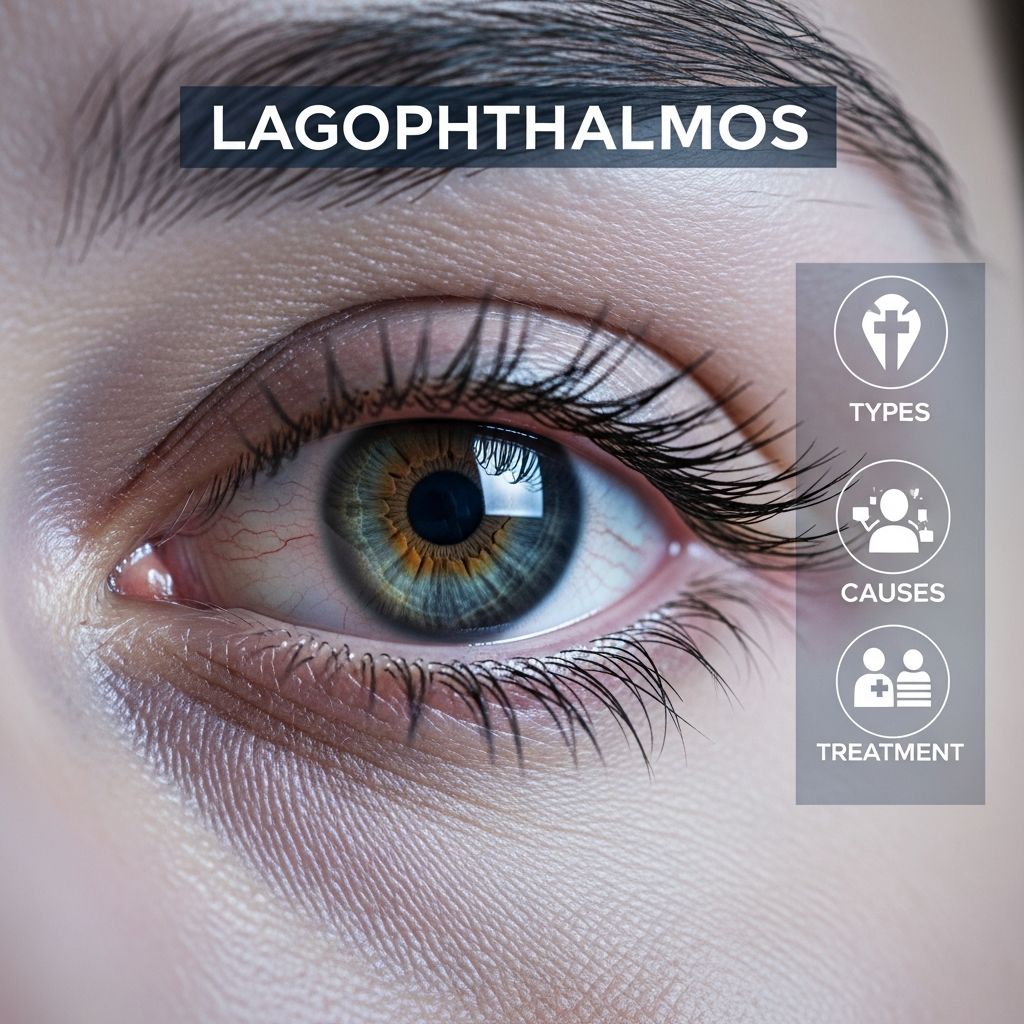
Lagophthalmos (pronounced “la-guhp-thal-mowz”) is a medical condition characterized by the inability to close your eyelids completely. This condition can affect one or both eyes and ranges from mild cases that cause minimal discomfort to severe cases that significantly impact eye health and vision. The term “lagophthalmos” means “hare-like eyes,” referencing the historical belief that hares sleep with their eyes open. Although modern science has shown that most hares actually sleep with their eyes closed, approximately 20% of people do naturally sleep with their eyes partially or fully open.
The condition occurs when the eyelids remain partially open, leaving the cornea and conjunctiva exposed to environmental irritants. This exposure is the primary concern with lagophthalmos, as it can lead to dryness, irritation, and in severe cases, corneal scarring or vision loss if left untreated.
Understanding the Types of Lagophthalmos
Lagophthalmos manifests in several distinct forms, each with different underlying causes and treatment approaches:
Nocturnal Lagophthalmos
Nocturnal lagophthalmos specifically occurs during sleep. Individuals with this type can close their eyes normally when awake but experience incomplete eyelid closure during sleep. This is the most common form and often goes unnoticed until it causes eye-related symptoms. The condition may be present from birth due to structural eyelid problems or develop later in life from various causes.
Paralytic Lagophthalmos
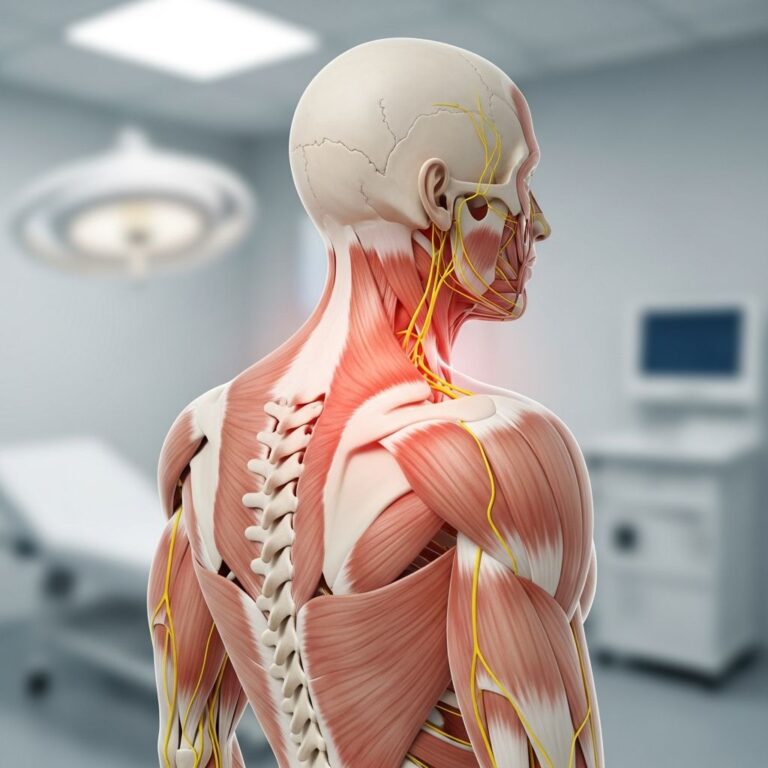
This type results from loss of function or paralysis in the facial nerve, which controls the muscles responsible for closing the eyelids. The facial nerves run on both sides of the face, and damage to either side can result in incomplete eye closure on the affected side. Paralytic lagophthalmos often accompanies conditions like Bell’s palsy or other neurological disorders.
Mechanical Lagophthalmos
Mechanical lagophthalmos develops from structural problems or trauma affecting the eyelids themselves rather than nerve function. This can occur due to scarring, previous surgeries, or physical damage to the eyelid structures that prevents proper closure.
Cicatricial Lagophthalmos
This form of mechanical lagophthalmos specifically involves scarring of the eyelid tissues. Scar tissue is less elastic than normal tissue, which restricts the eyelid’s movement and prevents complete closure.
What Causes Lagophthalmos?
Lagophthalmos develops through two primary pathways: damage to the facial nerve or damage to the eyelids themselves. Understanding the cause is essential for determining appropriate treatment.
Facial Nerve Injury
Injury to the facial nerve can occur due to various causes:
- Bell’s palsy, a condition causing sudden facial paralysis
- Stroke or other cerebrovascular events
- Facial nerve tumors or growths
- Trauma or injury to the face or head
- Surgical procedures affecting the facial nerve
- Infections causing nerve inflammation
Related Stories



Eyelid Damage or Scarring
The eyelids can be damaged or scarred in multiple ways:
- Severe burns affecting the eyelid skin
- Chemical injuries to the eye area
- Previous eyelid surgeries, including blepharoplasty or ptosis repair
- Trauma or lacerations to the eyelids
- Severe skin conditions affecting the eyelids
- Infections causing eyelid inflammation or scarring
- Stevens-Johnson syndrome or other systemic conditions affecting skin
It’s important to note that lagophthalmos is not contagious. You cannot transmit it to others, nor can you contract it from someone else.
Symptoms and Signs of Lagophthalmos
While the primary sign of lagophthalmos is that your eyelids don’t close completely, several other symptoms may accompany this condition:
- Excessive dryness in the affected eye or eyes
- Persistent feeling of having something in your eye
- Eye redness and irritation
- Excessive tearing or watery eyes
- Light sensitivity (photophobia)
- Blurred vision or difficulty seeing
- Eye discomfort or pain
- Visible redness on the white of the eye
Symptoms may be worse in the morning, especially if you have nocturnal lagophthalmos, as the prolonged exposure during sleep can lead to increased dryness and irritation upon waking.
Diagnosis of Lagophthalmos
An eye care provider will diagnose lagophthalmos through a series of clinical tests and evaluations. The diagnostic process typically includes:
- Visual inspection of your eyelids in both open and closed positions
- Assessment of your ability to blink and close your eyes completely
- Measurement of the gap between your eyelids when closed
- Examination of the cornea and conjunctiva for signs of dryness or damage
- Evaluation of tear production and eye lubrication
- Assessment of facial nerve function
- Imaging studies if nerve damage or tumors are suspected
Your healthcare provider will also take a detailed medical history to identify potential causes and any underlying conditions contributing to your lagophthalmos.
Treatment Options for Lagophthalmos
Treatment for lagophthalmos depends on the underlying cause and severity of the condition. Your healthcare provider will aim to treat any underlying causes, such as infections, tumors, or skin conditions, while also implementing therapies to protect your eyes.
Nonsurgical Treatments
For mild cases or as initial management, nonsurgical interventions can be highly effective:
- Artificial tears and lubricating eye drops: Regular use throughout the day keeps the cornea moist and protected from irritation
- Lubricating ointments: These provide longer-lasting protection, especially when applied before bed
- Eyelid taping: Medical tape applied to close the eyelids at night helps protect the cornea during sleep
- Eye masks or protective eyewear: Moisture chambers or protective glasses can shield the eye from irritants
- Humidification: Using a humidifier in your bedroom can increase ambient moisture and reduce eye dryness
Surgical Treatments
More advanced cases may require surgical intervention:
- Eyelid weight placement: A small weight surgically inserted into the upper eyelid helps gravity assist in eye closure, particularly during sleep
- Blepharoplasty modifications: Surgical adjustment of eyelid anatomy to improve closure
- Nerve grafting: For cases involving facial nerve damage, nerve grafting procedures may restore nerve function
- Muscle transfers: Surgical procedures that redirect functioning muscles to assist in eyelid closure
- Botulinum toxin injection: In some cases, targeted injections can help adjust eyelid tension
Self-Care Measures
In addition to professional medical treatments, several self-care strategies can help protect your eyes and manage lagophthalmos:
- Use lubricating eye drops regularly throughout the day, particularly before activities that increase eye exposure
- Apply protective ointments before sleep to maintain overnight moisture
- Tape your eyelids closed at night if recommended by your healthcare provider
- Wear protective sunglasses or eyeglasses when outdoors to reduce wind exposure and irritant contact
- Avoid dry environments and use a humidifier when possible
- Take regular breaks from screen time, which can exacerbate dryness
- Avoid rubbing your eyes, which can cause additional irritation
Complications and Prognosis
While mild lagophthalmos typically doesn’t cause serious problems, untreated or severe cases can lead to significant complications:
- Corneal scarring from chronic irritation
- Vision loss or impaired sight
- Corneal ulceration
- Chronic dry eye syndrome
- Infection of the cornea or conjunctiva
Complications can also arise following lagophthalmos treatment, though these are generally manageable with appropriate care. The outlook for lagophthalmos is generally favorable, especially for mild cases. Conditions like Bell’s palsy that cause temporary facial paralysis often resolve spontaneously. However, treatment is important for more advanced cases to prevent vision-threatening complications.
Prevention and Protection
While you cannot prevent lagophthalmos itself, you can take steps to protect your eyes and reduce your risk of developing the condition:
- Protect your face from trauma and injury by using appropriate safety equipment in high-risk activities
- Avoid chemical exposure to your eyes and eyelids
- Treat facial infections promptly to prevent nerve involvement
- If considering eyelid surgery, consult with an oculoplastic surgeon who specializes in reconstructive surgery around the eyes
- Manage underlying conditions like Graves’ disease or Bell’s palsy appropriately
- Wear protective eyewear during activities with increased eye injury risk
When to Contact Your Healthcare Provider
Seek medical attention if you experience:
- Persistent dry eyes or watery eyes
- A continual feeling that something is in your eye
- Any change in vision
- Eye pain or significant discomfort
- Redness that doesn’t improve with artificial tears
- Symptoms that are worsening despite treatment
- Difficulty closing one or both eyes
If you’ve already been diagnosed with lagophthalmos and are treating it as directed by your healthcare provider, contact them if symptoms aren’t improving or are getting worse.
Frequently Asked Questions
Q: Is lagophthalmos permanent?
A: Lagophthalmos can be temporary or permanent depending on its cause. Cases caused by Bell’s palsy often resolve spontaneously, while those from permanent nerve damage or scarring may be permanent. Treatment can manage symptoms and prevent complications.
Q: Can lagophthalmos cause blindness?
A: While lagophthalmos itself doesn’t directly cause blindness, untreated severe cases can lead to corneal scarring and vision loss. Appropriate treatment and eye protection significantly reduce this risk.
Q: Is surgery always necessary for lagophthalmos?
A: No, many cases respond well to nonsurgical treatments including artificial tears, ointments, and protective taping. Surgery is typically reserved for more severe cases or when conservative treatments prove insufficient.
Q: Can I sleep normally with lagophthalmos?
A: With proper management, most people can sleep comfortably. Using lubricating ointments, protective eyewear, or eyelid taping can protect your eyes during sleep and reduce discomfort.
Q: How long does it take to see improvement with treatment?
A: Improvement timeline varies depending on the cause and treatment approach. Some conditions like Bell’s palsy may improve within weeks, while others may require ongoing management.
References
- Lagophthalmos: Types, Causes & Treatment — Cleveland Clinic. 2022-11-03. https://my.clevelandclinic.org/health/diseases/24413-lagophthalmos
- Can You Sleep With Your Eyes Open? — WebMD. https://www.webmd.com/sleep-disorders/sleep-eyes-open
- Lagophthalmos – StatPearls — National Center for Biotechnology Information (NCBI), National Institute of Health. https://www.ncbi.nlm.nih.gov/books/NBK560661/
Similar Articles








Read full bio of medha deb