Lamivudine For Hepatitis B (Zeffix): Essential Patient Guide
Comprehensive guide to Zeffix (lamivudine) for managing chronic hepatitis B in adults: usage, dosage, side effects, and monitoring.
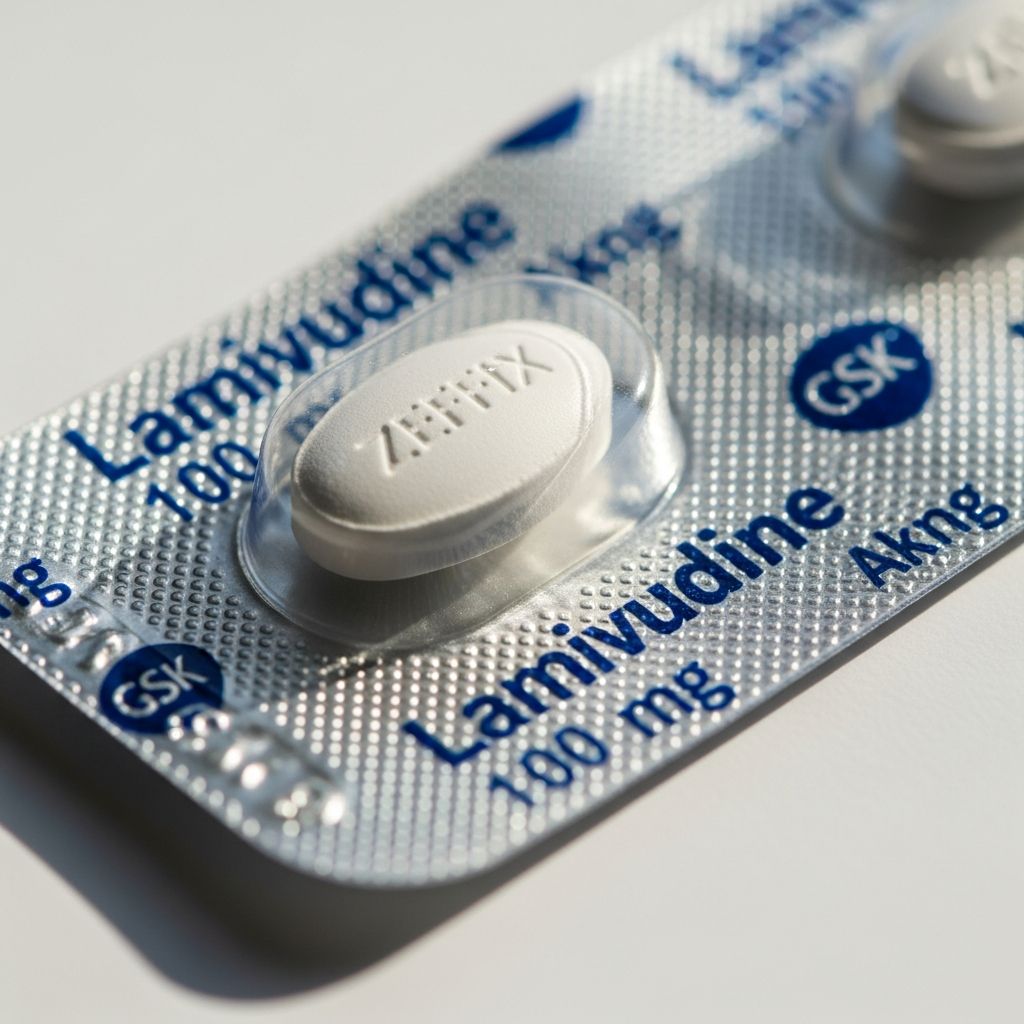
Lamivudine (brand name Zeffix) is an antiviral medication used to treat chronic hepatitis B in adults. It suppresses the hepatitis B virus (HBV), reducing viral load and preventing liver damage.
About lamivudine for hepatitis B infection
Hepatitis B is a viral infection that causes inflammation of the liver, potentially leading to chronic liver disease, cirrhosis, or liver cancer if untreated. Chronic hepatitis B occurs when the virus persists in the body after initial infection, affecting millions worldwide. Lamivudine, a nucleoside reverse transcriptase inhibitor (NRTI), works by interfering with the virus’s ability to replicate its genetic material, thereby lowering HBV DNA levels in the blood and improving liver function.
The medication is indicated for adults (18 years and older) with compensated liver disease showing active viral replication, elevated serum alanine aminotransferase (ALT) levels, and histological evidence of liver inflammation or fibrosis. It may also be used in combination for decompensated liver disease. Treatment aims to reduce liver damage, though it does not cure the infection, and lifelong therapy may be required.
| Type of medicine | Details |
|---|---|
| Also called | Zeffix® |
| Available as | 100 mg tablets or 5 mg/ml oral solution |
| Used for | Chronic hepatitis B in adults |
Clinical studies have shown lamivudine reduces HBV DNA and normalizes ALT levels in a significant percentage of patients, with histological improvements in liver biopsies. However, resistance can develop over time, particularly the YMDD motif variant, necessitating monitoring and potential switch to higher-barrier antivirals.
Before taking lamivudine
Consult your doctor before starting lamivudine, as it requires careful assessment. Key considerations include:
- Pregnancy or breastfeeding: Inform your doctor if pregnant or planning pregnancy, as effects on the fetus are not fully established. Breastfeeding is not recommended due to potential transmission of HBV or drug exposure.
- Kidney problems: Dose adjustments may be needed for impaired renal function, as lamivudine is primarily excreted by the kidneys.
- HIV co-infection: Testing for HIV is mandatory before and during treatment, as lamivudine treats both HBV and HIV. Untreated HIV can lead to resistance.
- Other medications: Disclose all drugs, including over-the-counter, herbal remedies, or other antivirals, to avoid interactions.
- Allergies: Report any prior allergic reactions to lamivudine or similar medicines.
Your doctor, often a liver specialist (hepatologist), will evaluate liver function via blood tests, ultrasound, or biopsy to confirm suitability.
How to take lamivudine
Follow your doctor’s instructions precisely. The standard adult dose for hepatitis B is one 100 mg tablet once daily, with or without food. Swallow whole with water; do not chew or crush. For those unable to swallow tablets, the oral solution (5 mg/ml) is an alternative.
Treatment is long-term, often indefinite, to maintain viral suppression. Regular blood tests monitor viral load (HBV DNA), liver enzymes (ALT), and HBeAg/HBsAg status. Do not stop abruptly without medical advice, as this risks viral rebound and liver flare.
Related Stories



- Check each new supply matches previous ones; consult pharmacist if different.
- Store at room temperature, away from moisture and children.
Adherence is crucial; missing doses increases resistance risk.
Getting the most from your treatment
To optimize outcomes:
- Attend all appointments: Regular monitoring tracks efficacy and detects resistance early.
- Continue long-term: Even if feeling well, persist to protect the liver.
- Lifestyle advice: Avoid alcohol, maintain healthy weight, vaccinate household contacts against HBV, and practice safe sex to prevent spread.
- Resistance monitoring: If viral breakthrough occurs, switch to alternatives like tenofovir.
Improvement may take months; histological benefits appear after 1+ years.
Can lamivudine cause problems?
Lamivudine is generally well-tolerated, but side effects occur. Most are mild; report severe or persistent issues promptly.
| Common side effects | What to do |
|---|---|
| Headache | Drink water; use pharmacist-recommended painkiller. Consult doctor if persistent. |
| Fatigue | Avoid driving/machinery; see doctor if ongoing. |
| Abdominal discomfort, nausea/vomiting | Simple meals; avoid spicy food. Consult if persists. |
| Diarrhea | Hydrate well. |
| Rash, muscle pain, sore throat, respiratory infections | Contact doctor if troublesome. |
| Blood test changes (e.g., elevated liver enzymes) | Doctor monitors routinely. |
Serious risks (rare): Lactic acidosis (symptoms: nausea, vomiting, abdominal pain, weight loss, weakness, rapid breathing) or severe hepatomegaly with steatosis. Seek immediate care. Exacerbations of hepatitis B upon discontinuation also possible.
Long-term use may lead to YMDD resistance in 20-30% after 1 year, rising yearly.
How to cope with side effects of lamivudine
Manage common issues:
- Headache: Hydrate, rest; paracetamol if approved.
- Nausea: Small, frequent meals; ginger tea.
- Fatigue: Pace activities; ensure sleep.
- Diarrhea/Rash: Hydrate; use barrier creams. Seek medical help if severe.
Always prioritize doctor consultation over self-treatment.
Frequently Asked Questions (FAQs)
What is lamivudine used for?
Lamivudine (Zeffix) treats chronic hepatitis B in adults by suppressing viral replication and protecting the liver.
How do you take Zeffix?
One 100 mg tablet daily, with or without food. Do not stop without doctor advice.
Does lamivudine cure hepatitis B?
No, it suppresses the virus but does not eliminate it. Long-term use is often needed.
What are the main side effects?
Headache, fatigue, nausea, diarrhea. Rare serious effects include lactic acidosis.
Can I drink alcohol on lamivudine?
Avoid alcohol to prevent additional liver stress.
Is monitoring required?
Yes, regular blood tests for viral load and liver function.
Understanding Hepatitis B and Lamivudine Therapy
Chronic HBV affects liver health profoundly. Lamivudine’s role is pivotal in early intervention, especially when interferon or newer agents are unsuitable. EMA approves it for specific cases, emphasizing combination in decompensated disease. Patient leaflets stress HIV testing to prevent monotherapy resistance in co-infected individuals.
In pediatrics (over 2 years), efficacy mirrors adults, with virological response rates around 71% in HBeAg-negative cases. However, adult focus remains primary. Resistance management involves genotyping and switching therapies, underscoring personalized medicine.
Liver specialists tailor regimens, balancing efficacy, resistance, and tolerability. Patient education on adherence enhances outcomes, reducing complications like cirrhosis.
Monitoring and Long-Term Management
Virological markers (HBV DNA, HBeAg), biochemical (ALT), and serological (anti-HBe) responses guide therapy. Histological endpoints from trials show fibrosis regression. Post-treatment flares demand vigilant follow-up.
Global guidelines (e.g., EASL, AASLD) position lamivudine as first-line in resource-limited settings but prefer entecavir/tenofovir due to resistance.
References
- Zeffix | European Medicines Agency (EMA) — European Medicines Agency. 2023-10-01. https://www.ema.europa.eu/en/medicines/human/EPAR/zeffix
- Zeffix, INN-lamivudine (PIL) — Medicines.org.uk. 2022-05-15. https://www.medicines.org.uk/emc/files/pil.3834.pdf
- Lamivudine for hepatitis B infection (Zeffix) — Patient.info. 2024-01-10. https://patient.info/medicine/lamivudine-for-hepatitis-b-infection-zeffix
- ZEFFIX lamivudine oral solution 5 mg/mL — Medsafe.govt.nz. 2023-08-20. https://www.medsafe.govt.nz/profs/datasheet/z/Zeffixoralsol.pdf
- ZEFFIX – Consumer Medicine Information (CMI) — NPS.org.au. 2023-11-05. https://www.nps.org.au/assets/medicines/d1397a5a-38e0-4dbb-9c4a-a53300feb8f5.pdf
Similar Articles








Read full bio of Sneha Tete