Langerhans Cell Histiocytosis: Causes, Symptoms & Treatment
Understanding Langerhans Cell Histiocytosis: A comprehensive guide to causes, diagnosis, and treatment options.
Understanding Langerhans Cell Histiocytosis
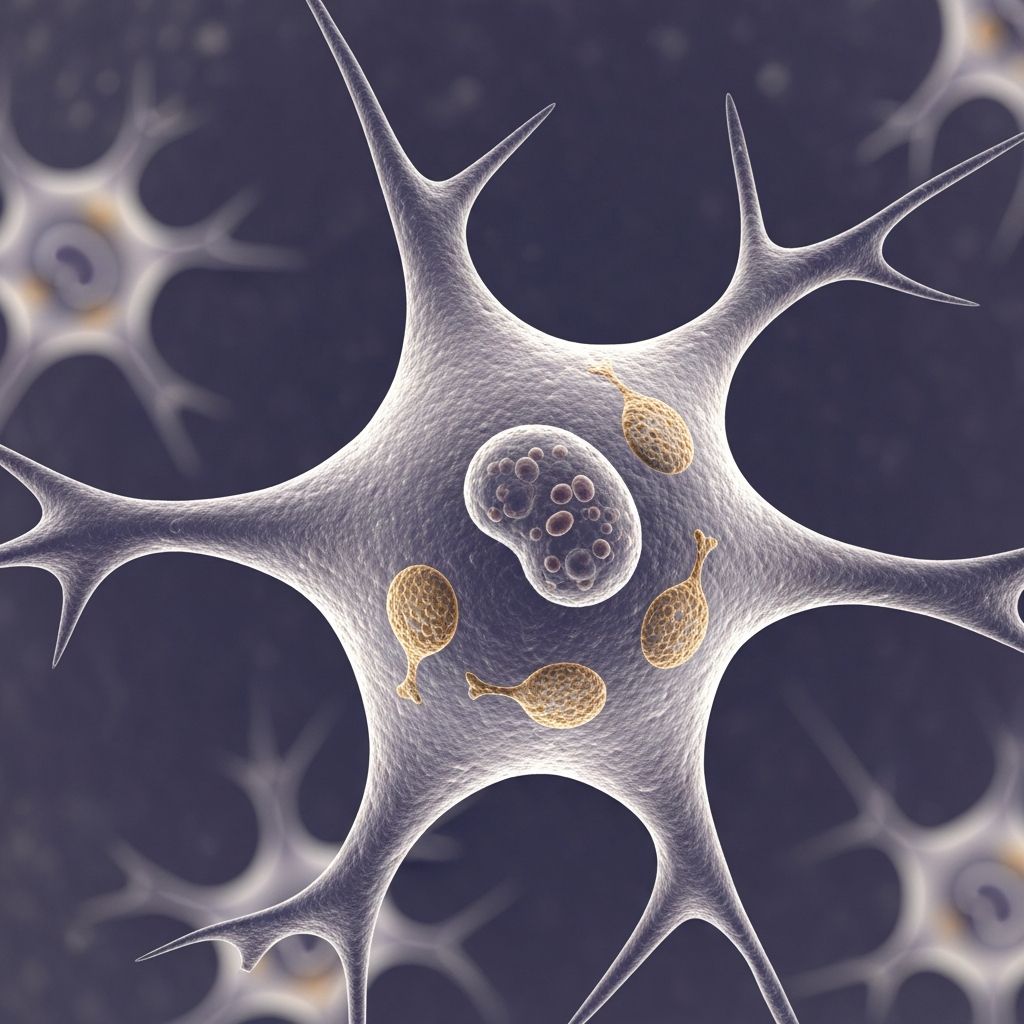
Langerhans Cell Histiocytosis (LCH) is a rare disorder that primarily affects infants and children, characterized by the abnormal accumulation of immune system cells known as Langerhans cells throughout the body. These specialized white blood cells, which normally help fight infection and support immune function, accumulate in excessive numbers and can cause tissue damage and tumor formation. When these cells build up in various organs and tissues, they trigger an inflammatory response that may lead to significant health complications depending on the affected body systems.
What Are Langerhans Cells?
Langerhans cells are a critical component of the immune system, functioning as antigen-presenting cells that help identify and respond to potential threats to the body. In healthy individuals, these cells operate within normal parameters, contributing to immune surveillance and response. However, in children with LCH, genetic mutations cause these cells to multiply uncontrollably, leading to their accumulation in various tissues and organs. This aberrant proliferation transforms these beneficial immune cells into contributors to disease pathology.
Prevalence and Demographics
Langerhans Cell Histiocytosis occurs in approximately 1 to 2 out of every 1 million newborns annually. Among children ages 15 and younger, the incidence rises to about 5 out of every 1 million children per year. Most cases affect newborns and children between the ages of 1 and 15 years old. While LCH in adults is exceptionally rare, it can occur in older populations, making early recognition and diagnosis crucial for pediatric populations.
Causes and Genetic Factors
Langerhans Cell Histiocytosis results from genetic mutations that drive the abnormal proliferation of Langerhans cells. Scientists have identified several key genetic mutations associated with the disease, including the BRAF V600E mutation, which appears in many LCH cases. Additional mutations in genes such as MAP2K1, RAS, and ARAF have also been discovered as contributing factors to disease development.
Beyond genetic mutations, researchers believe environmental factors may play a role in disease development. Potential environmental triggers include exposure to environmental toxins and viral infections, though the exact mechanisms remain under investigation. The interplay between genetic predisposition and environmental factors suggests that LCH likely results from a complex interaction of multiple risk factors rather than a single causative agent.
Risk Factors
Several factors increase the likelihood of a child developing Langerhans Cell Histiocytosis. These risk factors include genetic predisposition through family history and certain ethnicities. Additionally, factors such as environmental exposures and immune system characteristics may contribute to disease susceptibility. However, it’s important to note that many risk factors lie outside parental control, making prevention particularly challenging for this rare disorder.
Symptoms and Clinical Manifestations
The symptoms of Langerhans Cell Histiocytosis vary widely depending on which organs and tissues are affected. Common manifestations include skin rashes, bone lesions, and constitutional symptoms such as fever and fatigue. When LCH affects the lungs, children may experience respiratory difficulties. Involvement of the lymph nodes typically causes lymphadenopathy, while bone marrow involvement can lead to anemia and bleeding disorders. Some children may present with ear discharge or skin inflammation, while others might exhibit more systemic symptoms.
Classification: Single-System vs. Multi-System Disease
Healthcare providers classify Langerhans Cell Histiocytosis based on the extent of organ system involvement:
Related Stories



Single-System Disease
Single-system LCH occurs when Langerhans cells accumulate in only one body system or organ. This classification includes several subtypes such as unifocal disease (involving a single lesion), multifocal disease (involving multiple lesions in one system), pulmonary involvement, and central nervous system (CNS) involvement. Single-system disease generally carries a more favorable prognosis.
Multi-System Disease
Multi-system LCH involves the accumulation of Langerhans cells across multiple organ systems. This classification is further subdivided based on whether the disease involves high-risk organs or low-risk organs, which significantly impacts treatment planning and prognosis.
Risk Organ Classification
| Low-Risk Organs | High-Risk Organs |
|---|---|
| Skin | Bone Marrow |
| Bone | Liver |
| Lymph Nodes | Spleen |
| Lungs |
Complications Associated with LCH
Nearly 50% of children with Langerhans Cell Histiocytosis experience complications related to the condition. These complications can range from mild to severe, depending on disease extent and organ involvement. Potential complications include organ dysfunction, secondary infections, and long-term sequelae requiring ongoing management. Some children may develop permanent consequences even after successful treatment.
Diagnosis and Testing
Diagnosing Langerhans Cell Histiocytosis requires a comprehensive approach involving detailed medical history, physical examination, and multiple specialized tests. Healthcare providers evaluate the child’s medical background and perform thorough physical examinations to identify affected tissues and organs. Depending on symptoms and clinical presentation, providers may order imaging studies such as X-rays, CT scans, and MRI to determine the extent of disease involvement. Blood work and tissue biopsies help confirm the diagnosis and characterize the disease at the cellular level.
Because LCH can affect numerous body systems, children may require several tests to fully characterize the disease. Specialized tests might include bone marrow examinations, lung imaging, or hepatic function tests. Based on initial findings, healthcare providers may refer the child to a pediatric hematologist/oncologist, who coordinates comprehensive care and treatment planning.
Treatment Approaches
Treatment for Langerhans Cell Histiocytosis depends on disease classification, location of affected organs, and whether the condition is considered low-risk or high-risk. Healthcare providers individualize treatment plans based on these factors and the child’s specific clinical presentation.
Observation and Watchful Waiting
In certain cases, particularly with single-system LCH affecting only the skin or bone, the disease may improve spontaneously without active treatment. In these situations, healthcare providers recommend careful observation and regular follow-up to ensure disease doesn’t progress or spread to other organs.
Pharmacological Treatments
Treatment options may include corticosteroids to reduce inflammation, chemotherapy agents to target abnormal cells, immunosuppressive therapy to modulate immune function, and targeted therapy directed at specific genetic mutations. Healthcare providers often employ combination approaches, pairing corticosteroids with chemotherapeutic compounds as first-line treatment to address both the inflammatory microenvironment and the pathological cell proliferation.
Radiation Therapy
In selected cases, radiation therapy may be employed to target specific lesions, particularly in bone or localized soft tissue involvement.
Surgical Intervention
Surgical procedures may be considered for certain lesions, particularly when located in accessible sites or causing significant dysfunction.
Prognosis and Survival Outcomes
The prognosis for Langerhans Cell Histiocytosis varies considerably depending on multiple factors, including the extent of organ system involvement, specific organs affected, age at presentation, and response to treatment. Children with single-system LCH and those with multi-system LCH not involving the liver, spleen, or bone marrow are classified as low-risk. For these patients, the overall survival rate with appropriate treatment is 100%. However, disease recurrence and long-term complications are common, affecting up to half of survivors.
Children with multi-system LCH involving high-risk organs such as the liver, spleen, or bone marrow face a more challenging prognosis. In this high-risk group, survival rates drop to approximately 70%, and disease reactivation occurs in around one-third of patients after treatment completion. These disparities underscore the importance of early diagnosis, accurate risk stratification, and intensive therapy for advanced disease.
Long-Term Management and Monitoring
Children who achieve remission require ongoing monitoring to detect disease recurrence or long-term complications. Follow-up appointments with the pediatric hematologist/oncologist remain essential, even after successful treatment completion. Regular physical examinations, laboratory studies, and imaging as clinically indicated help identify any signs of relapse or treatment-related sequelae. Some children may experience lasting consequences from either the disease itself or its treatment, necessitating coordinated multidisciplinary care.
Prevention and Risk Modification
Since Langerhans Cell Histiocytosis results from genetic mutations, complete prevention remains impossible. Many risk factors, including family history and ethnicity, fall outside individual control. However, certain modifiable factors may help reduce risk. Maintaining a healthy lifestyle, minimizing exposure to known environmental toxins, and managing infectious diseases appropriately may contribute to overall health optimization, though their specific impact on LCH development requires further research.
Multidisciplinary Care Approach
Optimal management of Langerhans Cell Histiocytosis requires coordination among multiple medical specialties. Pediatric hematologists/oncologists lead the treatment team, while collaborating with pulmonologists for lung involvement, orthopedic surgeons for bone disease, dermatologists for skin manifestations, and other specialists as needed. This team-based approach ensures comprehensive evaluation and coordinated care from initial diagnosis through long-term follow-up.
Frequently Asked Questions
Q: Is Langerhans Cell Histiocytosis hereditary?
A: While LCH results from genetic mutations, it’s typically not inherited in a straightforward manner. Most cases arise from spontaneous mutations. However, genetic predisposition and family history may increase risk.
Q: Can Langerhans Cell Histiocytosis be cured?
A: Yes, many children with LCH achieve long-term remission with appropriate treatment. Low-risk disease carries excellent prognosis with 100% survival rates, though recurrence can occur.
Q: What is the difference between low-risk and high-risk LCH?
A: Low-risk LCH affects organs like skin and bone, carrying better outcomes. High-risk LCH involves bone marrow, liver, or spleen, requiring more intensive therapy and carrying lower survival rates.
Q: How is LCH diagnosed?
A: LCH diagnosis involves medical history, physical examination, imaging studies, blood work, and tissue biopsies. Multiple tests may be necessary to identify all affected organs.
Q: Are there long-term effects of LCH treatment?
A: Yes, some children experience lasting consequences from either the disease or its treatment. Long-term monitoring helps identify and manage these complications early.
References
- Langerhans Cell Histiocytosis — Cleveland Clinic. 2024. https://my.clevelandclinic.org/health/diseases/17156-langerhans-cell-histiocytosis
- Langerhans cell histiocytosis: current advances in molecular diagnosis and immunotherapy strategies — Frontiers in Immunology. 2023. https://www.frontiersin.org/journals/immunology/articles/10.3389/fimmu.2023.1275085
- Incidence, Clinical Features, and Outcomes of Langerhans Cell Histiocytosis — PubMed/National Center for Biotechnology Information. 2022. https://pubmed.ncbi.nlm.nih.gov/35082244/
- What Is Histiocytosis? — Cleveland Clinic. 2024. https://my.clevelandclinic.org/health/diseases/25171-histiocytosis
- Langerhans Cell Histiocytosis Treatment — Cleveland Clinic. 2024. https://my.clevelandclinic.org/services/langerhans-cell-histiocytosis-treatment
Similar Articles








Read full bio of medha deb