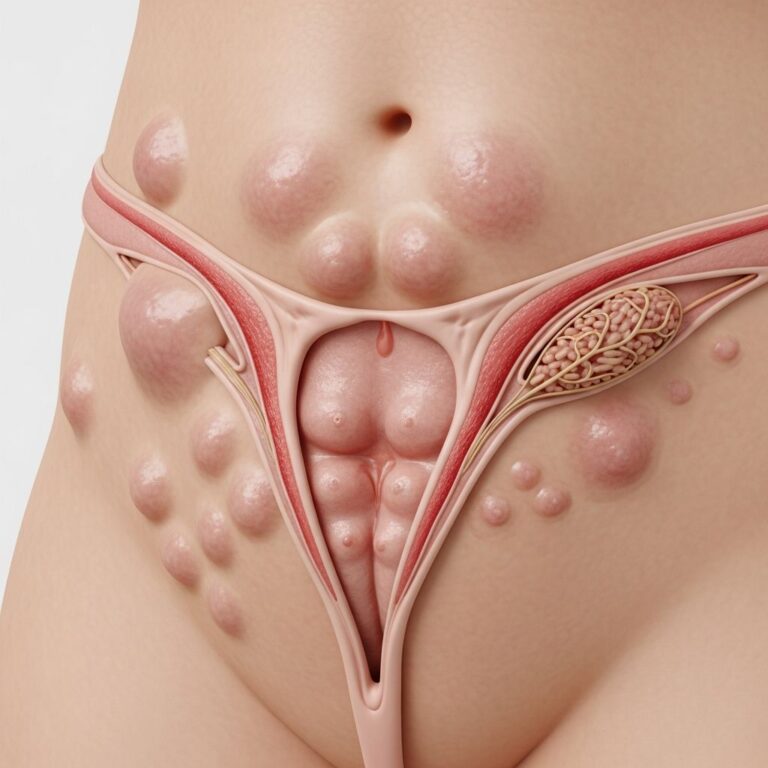
Laparoscopy: Minimally Invasive Surgery Explained
Discover how laparoscopy revolutionizes diagnosis and treatment with minimal recovery time and fewer complications.
What Is Laparoscopy?
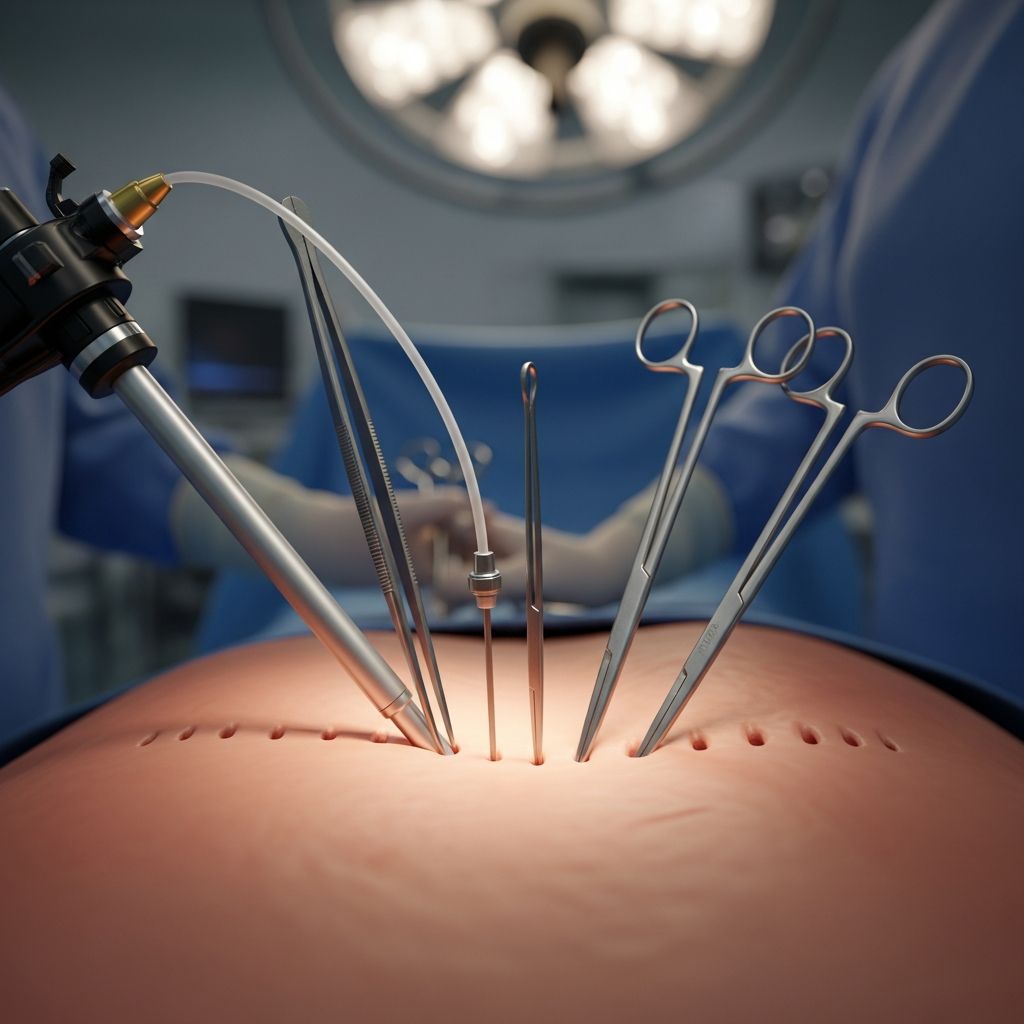
Laparoscopy is a surgical procedure that allows doctors to examine and treat conditions inside the abdomen and pelvis using small incisions. Instead of making a large cut, as in traditional open surgery, laparoscopy uses a thin, flexible tube called a laparoscope. This tube has a light and a small video camera at its tip, which transmits images to a monitor, allowing the surgeon to see inside the body without major disruption.
Because of its minimally invasive nature, laparoscopy is also known as keyhole surgery or bandaid surgery. It is widely used for both diagnostic and therapeutic purposes, offering patients a faster recovery and less postoperative pain compared to open surgery.
How Does Laparoscopy Work?
The laparoscope is inserted through a small incision, usually near the navel. Additional small incisions may be made to insert other surgical instruments. The abdomen is gently inflated with carbon dioxide gas to create space and improve visibility of the organs. The camera on the laparoscope sends real-time images to a monitor, guiding the surgeon throughout the procedure.
Depending on the purpose, laparoscopy can be used to:
- Diagnose unexplained abdominal pain or pelvic masses
- Take tissue samples (biopsies)
- Remove or treat small tumors or cysts
- Perform certain types of cancer surgery
- Address gynecological conditions such as endometriosis or ectopic pregnancy
Common Uses of Laparoscopy
Laparoscopy is a versatile procedure with applications across several medical specialties. Some of the most common uses include:
Diagnosis of Abdominal and Pelvic Conditions
Laparoscopy is often used when imaging tests like ultrasound or CT scans are inconclusive. It can help identify the cause of chronic pelvic pain, infertility, or suspicious masses in the abdomen or pelvis.
Treatment of Gynecological Disorders
For women, laparoscopy is frequently used to diagnose and treat conditions such as:
- Endometriosis
- Ectopic pregnancy
- Ovarian cysts
- Uterine fibroids
- Pelvic organ prolapse
Cancer Diagnosis and Treatment
Laparoscopy can be used to remove or biopsy lymph nodes, as well as treat small cancers in the abdomen or pelvis. It is commonly used for gynecologic cancers (such as ovarian, cervical, and endometrial cancer) and some gastrointestinal cancers.
Other Surgical Applications
Laparoscopy is also used for procedures such as:
- Gallbladder removal (cholecystectomy)
- Appendectomy
- Weight loss surgery (bariatric procedures)
- Repair of hernias
- Removal of kidney stones
Benefits of Laparoscopy
Compared to traditional open surgery, laparoscopy offers several advantages:
- Smaller incisions: Reduces scarring and lowers the risk of infection.
- Less pain: Patients typically experience less postoperative pain.
- Shorter hospital stay: Many laparoscopic procedures allow patients to go home the same day.
- Faster recovery: Most patients return to normal activities within a few days to a week.
- Reduced blood loss: Lower risk of needing a blood transfusion.
- Improved visualization: The camera provides a magnified view of the surgical area.
Risks and Complications
While laparoscopy is generally safe, like any surgery, it carries some risks. Potential complications include:
- Infection at the incision site
- Bleeding
- Damage to nearby organs or blood vessels
- Adverse reactions to anesthesia
- Gas embolism (rare)
- Need for conversion to open surgery if complications arise
Related Stories



Most complications are rare, and the benefits of laparoscopy usually outweigh the risks for most patients.
What to Expect During Laparoscopy
Laparoscopy is typically performed under general anesthesia, meaning you will be asleep during the procedure. Here’s what you can expect:
Before the Procedure
- You may be asked to fast for several hours before surgery.
- Your doctor will review your medical history and any medications you are taking.
- You may need to stop certain medications, such as blood thinners, before the procedure.
During the Procedure
- A small incision is made near the navel.
- The laparoscope is inserted, and the abdomen is inflated with gas.
- Additional incisions may be made for surgical instruments.
- The surgeon performs the necessary diagnostic or therapeutic steps.
- The laparoscope and instruments are removed, and the incisions are closed with stitches or adhesive strips.
After the Procedure
- You will be monitored in a recovery area as you wake up from anesthesia.
- You may feel some discomfort, bloating, or shoulder pain due to the gas used during the procedure.
- Most patients can go home the same day, but some may need to stay overnight.
- You will receive instructions for wound care and activity restrictions.
Recovery and Aftercare
Recovery from laparoscopy is usually quick, but it’s important to follow your doctor’s instructions to ensure proper healing. Typical recovery guidelines include:
- Rest for the first 24 hours after surgery.
- Avoid strenuous activities for a few days to a week.
- Keep the incision site clean and dry.
- Take pain medication as prescribed.
- Watch for signs of infection, such as redness, swelling, or discharge from the incision.
- Attend follow-up appointments as scheduled.
Most patients return to normal activities within a week, but recovery time can vary depending on the type of procedure and individual factors.
Frequently Asked Questions (FAQs)
Q: Is laparoscopy painful?
A: Most patients experience mild discomfort or bloating after laparoscopy, but pain is generally less than with open surgery. Pain medication is usually prescribed to manage any discomfort.
Q: How long does laparoscopy take?
A: The procedure typically takes between 30 and 90 minutes, but it can take longer depending on the complexity of the surgery.
Q: Can laparoscopy be used for cancer treatment?
A: Yes, laparoscopy can be used to remove or biopsy small tumors and lymph nodes, especially in gynecologic and gastrointestinal cancers.
Q: What are the risks of laparoscopy?
A: Risks include infection, bleeding, organ damage, and adverse reactions to anesthesia. Serious complications are rare.
Q: How soon can I return to work after laparoscopy?
A: Most people can return to light activities within a few days and resume normal work within a week, but this depends on the type of procedure and your overall health.
Conclusion
Laparoscopy is a safe and effective minimally invasive surgical technique used to diagnose and treat a wide range of conditions in the abdomen and pelvis. With its many benefits—including smaller incisions, less pain, and faster recovery—it has become a preferred option for many surgical procedures. If you are considering laparoscopy, talk to your doctor about the risks, benefits, and what to expect during and after the procedure.
References
- Laparoscopy — American Cancer Society. 2023. https://www.cancer.org/cancer/diagnosis-staging/tests/endoscopy/laparoscopy.html
- Laparoscopy — American College of Obstetricians and Gynecologists. 2023. https://www.acog.org/womens-health/faqs/laparoscopy
- Laparoscopy — InformedHealth.org, NCBI Bookshelf. 2022. https://www.ncbi.nlm.nih.gov/books/NBK613276/
Similar Articles








Read full bio of Sneha Tete