Laparotomy: Open Abdominal Surgery Explained
Comprehensive guide to laparotomy surgery: uses, procedure, recovery, and when it's necessary.

Understanding Laparotomy: Open Abdominal Surgery
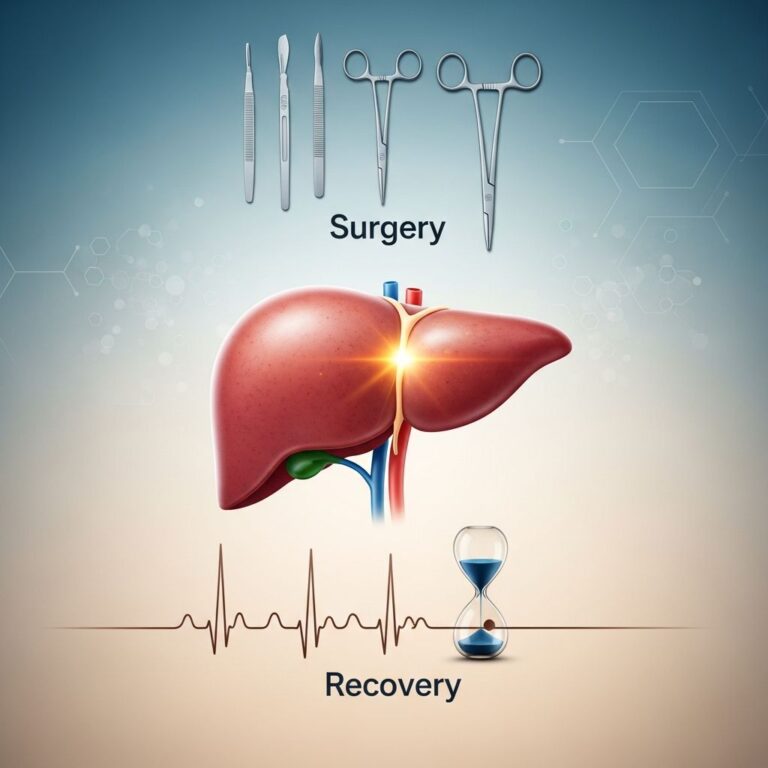
A laparotomy is a surgical procedure that involves making a large incision into the abdominal cavity to allow surgeons to directly visualize, diagnose, and treat various conditions affecting internal organs. Unlike minimally invasive techniques, open abdominal surgery provides surgeons with full access to the peritoneal cavity and its contents. This procedure can be performed as an emergency intervention or as a planned surgical operation, depending on the clinical situation and patient needs.
The term “laparotomy” comes from the Greek words “lapara” (abdomen) and “tome” (cutting). While it is a major surgical intervention, laparotomy remains a vital tool in modern medicine for managing complex abdominal conditions that cannot be safely addressed through less invasive methods.
What Is Laparotomy?
A laparotomy is an open surgical procedure where a surgeon makes a substantial incision into the abdominal wall to access the organs within the peritoneal cavity. The procedure allows direct visualization of abdominal organs, making it possible for surgeons to examine, diagnose, and treat conditions in real-time. This direct access is particularly valuable in emergency situations where rapid assessment and intervention are critical to patient survival.
The procedure can serve two primary functions: exploratory and therapeutic. An exploratory laparotomy allows surgeons to investigate the cause of abdominal symptoms or conditions, while a therapeutic laparotomy enables surgeons to treat identified problems immediately during the same operation.
Types of Laparotomy
Laparotomy procedures can be classified based on their purpose and urgency:
- Exploratory Laparotomy: This approach is used when the exact cause of abdominal symptoms is unknown. Surgeons open the abdomen to visualize organs and identify the source of the problem, collecting tissue samples when necessary for diagnostic purposes.
- Therapeutic Laparotomy: This approach is used when surgeons already know what needs to be treated and open the abdomen to perform the necessary surgical intervention, such as removing an organ or repairing tissue damage.
- Staging Laparotomy: This specialized approach is used in cancer patients to determine how far the disease has spread from its original location, helping oncologists plan appropriate treatment strategies.
- Emergency Laparotomy: This urgent intervention is performed when a patient presents with acute abdominal conditions requiring immediate surgical attention, such as severe trauma, ruptured organs, or uncontrolled bleeding.
Common Uses and Indications
Surgeons may recommend laparotomy for a variety of diagnostic and therapeutic purposes. Common reasons for performing this procedure include:
- Examining organs affected by trauma or injury to the abdomen
- Removing or repairing damaged sections of the bowel or intestines
- Delivering a baby through a cesarean section (C-section)
- Removing cancerous tumors or affected tissues in cancer patients
- Performing cancer staging procedures to assess disease progression
- Removing an organ due to disease, damage, or infection
- Managing ruptured or perforated organs
- Controlling severe internal bleeding
- Addressing acute appendicitis or other emergency abdominal conditions
Laparotomy vs. Laparoscopy: Understanding the Differences
While both laparotomy and laparoscopy are surgical techniques for examining and treating abdominal conditions, they differ significantly in their approach and applications.
| Feature | Laparotomy | Laparoscopy |
|---|---|---|
| Incision Size | Large incision (3-12 inches) | Multiple small “keyhole” incisions (less than 1/2 inch each) |
| Invasiveness | Highly invasive open surgery | Minimally invasive surgery |
| Visualization | Direct visualization of organs | Video camera guidance through laparoscope |
| Recovery Time | Longer recovery period | Faster recovery and less downtime |
| Scarring | Larger, more prominent scars | Smaller, less visible scars |
| Training Required | Standard surgical training | Special training and specialized equipment required |
| Emergency Suitability | Ideal for emergency situations | Less practical for critical emergencies |
| Complications | Higher risk of infection and bleeding | Fewer complications such as bleeding and infection |
Related Stories



Laparoscopy is generally preferred when possible because it is less invasive, results in fewer complications, and allows for faster recovery. However, in emergency situations or when complications are more complex, laparotomy remains the more practical option because any hospital can perform it without requiring specialized equipment or additional training.
Preparation for Laparotomy Surgery
Proper preparation is essential for ensuring the safety and success of your laparotomy procedure. Your surgical team will provide specific instructions tailored to your situation, but general preparation typically includes:
- Fasting for a specified period before surgery (usually 6-8 hours) to ensure your stomach is empty
- Arranging transportation to and from the surgical facility since you cannot drive after anesthesia
- Informing your surgical team about all medications you are currently taking, including over-the-counter drugs and supplements
- Discussing any allergies or previous adverse reactions to anesthesia with your anesthesiologist
- Removing all personal items including jewelry, glasses, dentures, and piercings before entering the operating room
- Changing into a hospital gown provided by surgical staff
- Having your blood pressure, pulse, and temperature recorded
- Allowing medical staff to place an intravenous (IV) line for administering fluids and medications
The Laparotomy Procedure
Understanding what happens during your laparotomy procedure can help reduce anxiety and prepare you mentally for the surgery. The procedure typically follows these steps:
Anesthesia Administration
Upon arrival in the operating room, an anesthesiologist will administer general anesthesia to relax your muscles and prevent you from feeling pain during the entire procedure. You will be unconscious throughout the surgery and monitored continuously for vital signs and safety.
Incision Creation
The surgeon will make a large incision, typically ranging from 3 to 12 inches in length, depending on the purpose of the surgery and the organs that need to be accessed. The exact location and length of the incision will vary based on what the surgeon needs to examine or treat.
Organ Examination and Treatment
Once the abdomen is open, the surgeon will carefully examine the visible organs to diagnose any problems or proceed with the planned treatment. If tissue samples are needed for diagnostic purposes, they will be collected at this time. Any necessary repairs, removals, or other therapeutic interventions will be performed during this phase.
Closure and Recovery Preparation
After completing the necessary procedures, the surgeon will carefully close the incision, repairing multiple layers of tissue including muscles, connective tissue, and skin. Various tubes may be installed in different parts of your body to deliver fluids and drain bodily fluids, and these will remain in place for several days during your recovery period.
The duration of a laparotomy procedure varies depending on the complexity of your condition and what needs to be done, but surgeries typically last several hours.
Recovery After Laparotomy Surgery
Recovery from laparotomy is a multi-stage process that begins immediately after surgery and continues for several weeks at home. Understanding what to expect can help you prepare mentally and physically for this important healing period.
Hospital Recovery
You will spend the first days or weeks following your laparotomy in the hospital, where medical staff will monitor your vital signs, manage pain, and watch for any complications. During this time, you will gradually increase your activity level as tolerated, starting with walking around your hospital room and progressing to short walks in the hallway. Eating and drinking will be gradually reintroduced as your digestive system resumes normal function.
Home Recovery
Once discharged, you will continue recovering at home with specific instructions from your surgical team. The total recovery timeline is substantial, as opening the peritoneal cavity is major surgery involving deep incisions through many tissue layers that all require healing time. You should expect limited activity for several weeks, with gradual increases in mobility and function over time.
Activity Restrictions and Guidelines
During your home recovery period, you should avoid heavy lifting, strenuous exercise, and activities that strain your abdominal muscles. Your surgical team will provide specific guidelines about when you can return to work, resume sexual activity, and resume your normal exercise routine. Most patients require 4-6 weeks before returning to light activities and 8-12 weeks before resuming normal physical activity.
Surgical Scarring and Appearance
One significant consequence of laparotomy is the visible surgical scar that results from the large abdominal incision. The size and prominence of the scar depends on the length of the incision, your skin type, and your body’s natural healing response. Initially, the scar will appear red or purple and may be raised or thick, but most scars gradually fade and flatten over time. Your surgical team can discuss options for scar management and what to expect regarding the appearance of your scar over the healing process.
Risks and Possible Complications
Like all surgical procedures, laparotomy carries certain risks and potential complications. While serious complications are uncommon, it is important to be aware of possible adverse effects:
- Bleeding during or after surgery
- Infection of the surgical wound or abdominal cavity
- Damage to nearby organs, blood vessels, or nerves
- Blood clots forming in the legs or lungs
- Anesthesia-related complications or reactions
- Adhesions (scar tissue) forming inside the abdomen, potentially causing future bowel obstruction
- Hernia development at the incision site
- Temporary or permanent changes in digestive function
Why Laparotomy May Be Necessary
Surgeons only perform laparotomy when it is truly necessary, as it is a major surgical intervention with significant recovery requirements. The procedure becomes essential when speed, complete visualization, or the serious nature of the condition demands it. In many cases, laparotomy can be life-saving, providing the rapid access and direct visualization necessary to manage critical abdominal emergencies that cannot be safely addressed through less invasive methods. While recovery is lengthy and scarring is inevitable, laparotomy remains an indispensable tool in modern surgery for managing complex and emergency abdominal conditions.
Frequently Asked Questions
Q: Is laparotomy considered major surgery?
A: Yes, laparotomy is definitely major surgery. The procedure involves a long, deep incision through many tissue layers that all require repair and healing. Recovery occurs in stages both in the hospital and at home, making it a significant surgical intervention.
Q: How long does it take to fully recover from laparotomy?
A: Full recovery from laparotomy typically takes 8-12 weeks or longer, depending on the specific procedure performed and your individual healing capacity. Initial hospital recovery may last several days to weeks, followed by gradual resumption of activities at home.
Q: Can laparotomy be performed as a planned surgery?
A: Yes. While laparotomy is often an emergency procedure, it can also be scheduled in advance for planned operations such as cesarean sections, organ removal, or cancer treatment.
Q: Will I have a permanent scar after laparotomy?
A: Yes, you will have a permanent scar from the surgical incision, though it typically fades and flattens significantly over time. The appearance depends on factors including incision length, skin type, and your body’s natural healing response.
Q: What is the difference between exploratory and therapeutic laparotomy?
A: An exploratory laparotomy is performed when the cause of abdominal symptoms is unknown, allowing surgeons to investigate and diagnose the problem. A therapeutic laparotomy is performed when surgeons already know what needs to be treated and open the abdomen to perform the necessary intervention.
Q: Why would laparoscopy be converted to laparotomy during surgery?
A: If a surgeon cannot safely complete a laparoscopic procedure due to complications or unexpected findings, they may convert to an open laparotomy to provide better visualization and access for safe completion of the necessary procedures.
References
- Laparoscopy — Cleveland Clinic. 2024. https://my.clevelandclinic.org/health/procedures/4819-laparoscopy
- Laparotomy: What It Is, Uses, Surgery, Recovery & Scarring — Cleveland Clinic. 2024. https://my.clevelandclinic.org/health/treatments/24767-laparotomy
- Mini-Laparotomy Can Be a Good Option for Fibroid Surgery — Cleveland Clinic. 2024. https://consultqd.clevelandclinic.org/mini-laparotomy-can-be-a-good-option-for-fibroid-surgery
- Endometriosis Surgery: Procedures, Recovery & Results — Cleveland Clinic. 2024. https://my.clevelandclinic.org/health/treatments/4620-endometriosis-surgery
- Cleveland Clinic Main Campus Surgery Guide — Cleveland Clinic. 2024. https://my.clevelandclinic.org/patients/information/prepare-for-surgery/prepare-for-surgery-guide
Similar Articles








Read full bio of medha deb