Large Intestine & Colon: Function, Anatomy & Location
Understanding your large intestine: anatomy, function, health conditions, and care.
Your large intestine is a critical component of your digestive system, playing an essential role in the final stages of digestion. Often referred to as the colon, your large intestine transforms liquid food waste into solid stool and facilitates its elimination from your body. Understanding how your large intestine works, its anatomy, and what conditions can affect it is important for maintaining digestive health and recognizing potential problems early.
What Is the Large Intestine?
The large intestine is part of your digestive system and serves as the final processing center for food waste before it leaves your body. Your large intestine receives the liquid food waste that remains after your small intestine completes its digestive work. It then absorbs water and salts from this liquid waste and converts it into solid waste, commonly known as poop or stool. Your large intestine uses layers of tissue and muscles to move this waste through your body and ultimately out of your system.
Your large intestine is also known as your lower gastrointestinal tract, since it represents the last part of the journey food takes through your digestive system before exiting your body. Issues with your large intestine can lead to everyday conditions like constipation or diarrhea, or they can result in more serious conditions like colorectal cancer. Proper care and monitoring of your large intestinal health is therefore crucial for overall wellness.
Anatomy and Structure of the Large Intestine
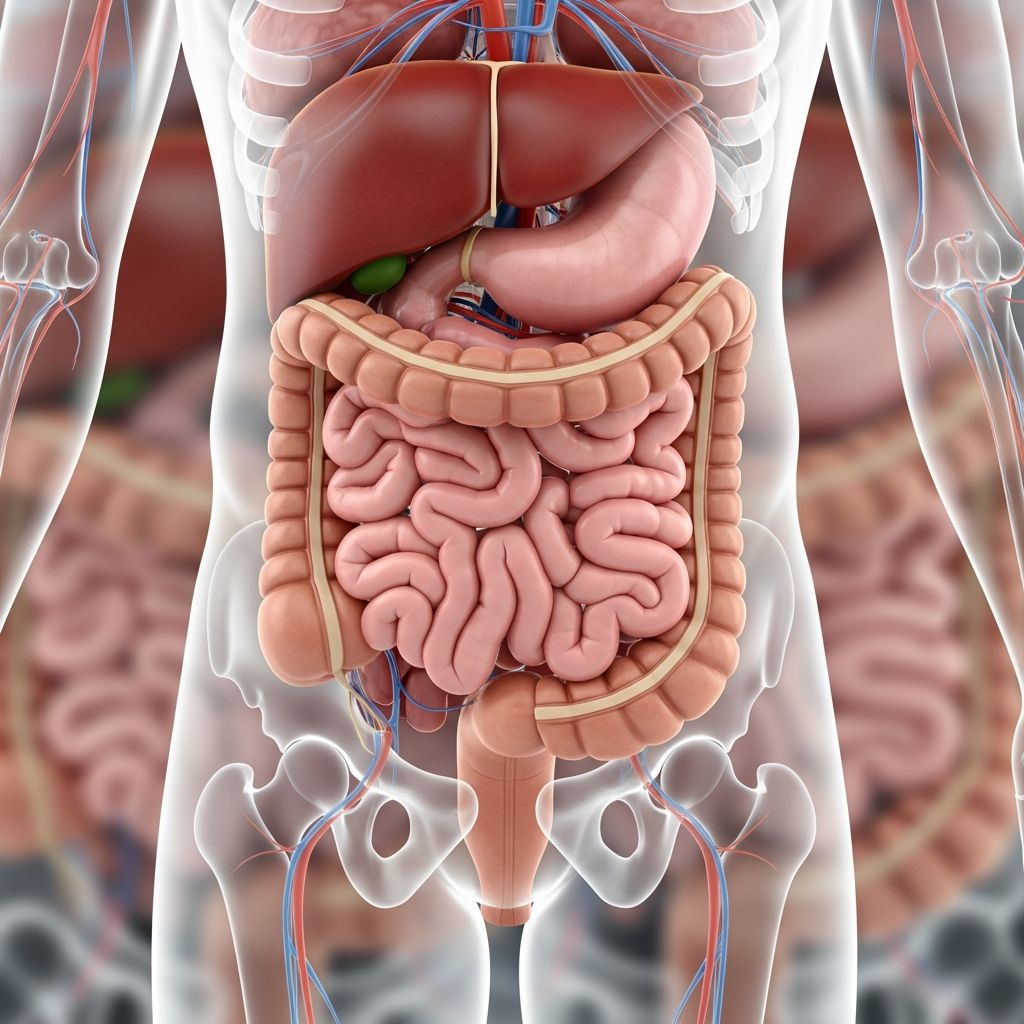
Your large intestine loops around your belly and your small intestine in a distinctive pattern. It measures approximately 6 feet (1.8 meters) in length and about 3 inches (approximately 8 centimeters) in diameter. The pathway of your large intestine begins near your right hip, moves upward toward your ribs, crosses your body, and then descends down the left side of your abdomen.
Three Main Parts of the Large Intestine
Your large intestine comprises three primary sections, each with specific functions:
- The Colon: The longest portion of your large intestine, responsible for absorbing water and processing waste
- The Rectum: A storage chamber approximately 5 to 6 inches (12 to 15 cm) long that holds stool until elimination
- The Anus: The opening through which stool exits your body
The Cecum
Your large intestine also includes your cecum, which is the first part of the colon. The cecum is where the small intestine connects to the large intestine and serves as the initial receptacle for the liquid waste entering the large intestinal system.
How the Colon Works
Your colon has five distinct parts that work together to process food waste and move it toward your rectum. These specialized sections gradually absorb water and electrolytes from the digestive matter, transforming it from a liquid state into solid stool. The walls of your colon contain specialized cells and tissues that extract these essential nutrients and water, which are reabsorbed into your bloodstream.
Related Stories



The process is remarkably efficient. If approximately 16 ounces (474 milliliters) of liquid food waste enters your large intestine, by the time it reaches your rectum, only about 5 ounces (148 ml) remains as poop. This demonstrates how effectively your large intestine extracts and recycles water and essential minerals from waste material.
The Role of the Rectum
Your rectum serves as the final storage chamber in your digestive tract. When stool enters your rectum, it triggers your body’s natural urge to defecate. The rectum’s muscular walls expand to accommodate stool, and sensory nerves signal to your brain that it’s time to visit the bathroom. This sophisticated signaling system ensures that bowel elimination occurs at socially appropriate times in most cases.
Common Large Intestine Conditions
A wide range of conditions and diseases can affect your large intestine, impacting the colon, rectum, and anus. Some of the most prevalent include:
- Irritable bowel syndrome (IBS)
- Inflammatory bowel disease, including Crohn’s disease and ulcerative colitis
- Colorectal cancer
- Polyps
- Constipation and diarrhea
- Diverticulosis
- Hemorrhoids
- Anal fissures
- Intestinal obstruction
Symptoms of Large Intestine Problems
Many things may signal issues in your large intestine, but some common symptoms warrant attention:
- Changes in bowel habits, including increased constipation or diarrhea
- Blood in stool or on toilet paper
- Abdominal pain or cramping
- Bloating or gas
- Unexplained weight loss
- Persistent fatigue
- Mucus in stool
- Feeling like you haven’t completely emptied your bowels
Any changes you notice when you poop—or don’t—may indicate an issue with your large intestine. Changes in bowel habits, the color of your stool, or a bloated belly are things you may want to discuss with a healthcare provider.
Diagnostic Tests for Large Intestine Issues
If you have symptoms suggesting large intestine problems, your healthcare provider may recommend one or more of the following diagnostic tests:
- Colonoscopy: An examination of the inside of your large intestine using a flexible tube with a camera
- Sigmoidoscopy: An examination of the lower portion of your colon and rectum
- Stool tests: Laboratory analysis of stool samples to detect infections or abnormalities
- CT colonography: A computed tomography scan used to visualize the colon
- Blood tests: To check for anemia, inflammation markers, or other indicators of disease
- Biopsy: Tissue sampling during colonoscopy to diagnose specific conditions
Colonoscopy: An Important Screening Tool
A colonoscopy is an examination of the inside of your large intestine and is helpful for diagnosing gastrointestinal diseases, such as inflammatory bowel disease and colon cancer. It can also help treat and prevent colon cancer. Healthcare providers typically recommend routine colonoscopies for middle-aged and older adults to screen for cancer. The procedure takes approximately 15 minutes to advance the colonoscope to the end of your large intestine and another 15 minutes to withdraw it, allowing doctors to examine your entire colon twice. Colon polyps are common, appearing in about 30% of routine colonoscopies, and although most are benign, standard procedure involves removing them immediately.
Treatment Options for Large Intestine Conditions
Treatments for large intestine conditions vary depending on the specific diagnosis. Some common procedures and treatment approaches include:
- Medications to manage inflammation, infection, or symptoms
- Dietary modifications and fiber supplements
- Polypectomy (removal of polyps during colonoscopy)
- Surgery for severe inflammatory bowel disease or cancer
- Radiation therapy for certain cancers
- Chemotherapy for advanced cancers
- Lifestyle changes including increased physical activity and stress management
Maintaining a Healthy Large Intestine
The following general health guidelines will help you maintain a healthy gut and support optimal large intestinal function:
- Eat a balanced diet: Include plenty of fruits, vegetables, whole grains, and lean proteins
- Stay hydrated: Drink adequate water throughout the day to support digestion
- Get regular exercise: Physical activity promotes healthy bowel function
- Don’t smoke: Smoking increases the risk of colorectal cancer and other gastrointestinal problems
- Limit alcohol: Excessive alcohol consumption can harm your digestive system
- Manage stress: Chronic stress can negatively impact bowel function
- Get adequate sleep: Quality sleep supports digestive health
- Have regular screening tests: Colonoscopies are powerful ways to protect your large intestine and detect problems early
The Importance of Early Detection
Regular colonoscopy screenings, regardless of whether you have symptoms, are a powerful way to protect your large intestine. Early detection of conditions like colorectal cancer significantly improves treatment outcomes and survival rates. Eating well, not smoking, and participating in recommended screening tests can keep your large intestine healthy and functioning optimally.
When to See a Healthcare Provider
You should contact a healthcare provider if you experience persistent changes in your bowel habits, blood in your stool, unexplained abdominal pain, or other concerning symptoms. A colorectal surgeon is specially qualified to treat conditions of the lower gastrointestinal tract, including your colon, rectum, and anus. These specialists can diagnose complex conditions and recommend appropriate treatments, including surgical interventions when necessary.
Frequently Asked Questions
Q: How long is the large intestine?
A: The large intestine is approximately 6 feet (1.8 meters) long and about 3 inches (approximately 8 centimeters) in diameter.
Q: What is the main function of the large intestine?
A: The main function of your large intestine is to absorb water and salts from liquid food waste and transform it into solid stool that is then eliminated from your body.
Q: How much water does the large intestine absorb?
A: Your large intestine is highly efficient at water absorption. If about 16 ounces of liquid waste enters, only about 5 ounces remains as stool by the time it reaches your rectum.
Q: How often should I have a colonoscopy?
A: Healthcare providers typically recommend routine colonoscopies for middle-aged and older adults to screen for cancer. The specific frequency depends on your age, risk factors, and previous screening results. Consult your healthcare provider for personalized recommendations.
Q: What are warning signs of colorectal cancer?
A: Warning signs include changes in bowel habits, blood in stool, abdominal pain, bloating, unexplained weight loss, and persistent fatigue. Any persistent changes should be discussed with a healthcare provider.
Q: Can diet affect large intestine health?
A: Yes, diet significantly impacts large intestine health. A diet rich in fiber, fruits, vegetables, and whole grains supports healthy bowel function. Adequate hydration is also crucial for proper digestive function.
References
- Large Intestine & Colon: Function, Anatomy & Location — Cleveland Clinic. 2024. https://my.clevelandclinic.org/health/body/22134-colon-large-intestine
- Colonoscopy: Prep & Procedure Details — Cleveland Clinic. 2024. https://my.clevelandclinic.org/health/diagnostics/4949-colonoscopy
- What is a Colorectal Surgeon? — Cleveland Clinic. 2024. https://my.clevelandclinic.org/health/articles/24409-colorectal-surgeon
- Update on the management of intestinal failure — Cleveland Clinic Journal of Medicine, 2016. https://www.ccjm.org/content/83/11/841
Similar Articles








Read full bio of Sneha Tete