Laryngitis: 4 Home Remedies To Restore Your Voice
Discover the ins and outs of laryngitis, from sudden voice loss to lasting throat issues, and master effective recovery strategies.
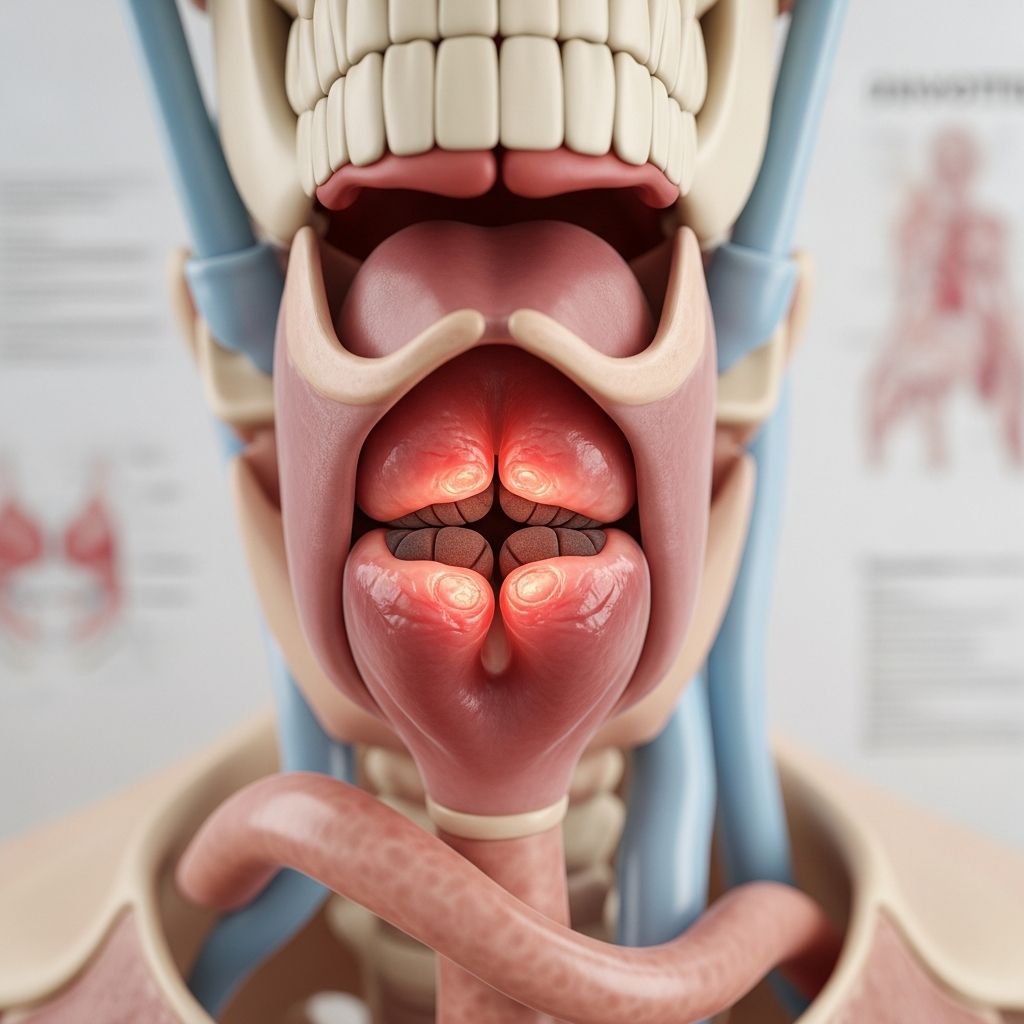
Laryngitis involves inflammation of the larynx, the voice box housing the vocal cords, often leading to a hoarse or lost voice. This condition typically arises from viral infections or voice overuse and usually resolves with rest, though chronic forms demand targeted intervention.
Understanding the Larynx and Vocal Cords
The larynx sits in the throat, enabling speech, breathing, and cough protection via vocal cord vibration. When inflamed, these cords swell, disrupting vibration and producing weak or no sound. Acute cases last under three weeks, while chronic ones persist longer, signaling deeper issues.
Recognizing Laryngitis Symptoms
Key signs include a husky, weak voice, raw throat, dry cough, and mild fever. Some experience swallowing pain or breathing difficulty, especially children. Acute symptoms peak quickly alongside colds, whereas chronic ones develop gradually with ongoing irritation.
- Voice changes: Hoarseness, whispering only, or total loss.
- Throat discomfort: Soreness, itchiness, or dryness.
- Associated issues: Cough, low fever, fatigue from respiratory infections.
Acute Laryngitis: Short-Term Voice Disruptions
Most common, acute laryngitis stems from temporary triggers like viruses or strain, resolving in 1-2 weeks. Upper respiratory infections from rhinovirus or influenza inflame the larynx, mimicking cold symptoms but focusing on voice impact.
Chronic Laryngitis: Persistent Throat Challenges
Lasting over three weeks, chronic laryngitis links to irritants, reflux, or habits. It risks vocal cord nodules or polyps if untreated, demanding cause identification for resolution.
Primary Causes of Laryngitis
Viral infections dominate acute cases, with bacteria rarer. Non-infectious triggers span both types, including overuse from shouting or singing.
| Type | Common Causes | Examples |
|---|---|---|
| Acute | Viral infections, voice strain | Colds, flu, yelling at events |
| Chronic | Irritants, reflux, habits | Smoking, GERD, allergens |
Viral and Bacterial Triggers
Rhinovirus, parainfluenza, and influenza lead, with bacterial superinfections possible later. Fungal cases occur in immunocompromised individuals or steroid users.
Non-Infectious Contributors
Voice overuse, GERD/LPRD acid irritation, smoking, allergens, and chemicals provoke inflammation. Postnasal drip from sinusitis adds mucus irritation.
Risk Factors Increasing Susceptibility
Certain habits elevate odds: frequent public speaking, smoking exposure, untreated reflux, or allergy neglect. Professions like teaching or performing heighten chronic risk.
- Smoking or secondhand smoke.
- Excessive alcohol intake.
- Environmental pollutants.
- Untreated GERD or sinus issues.
When to Consult a Healthcare Professional
Seek care if symptoms exceed two weeks, breathing worsens, high fever emerges, or blood appears in cough/phlegm. Chronic hoarseness warrants cancer screening exclusion.
Children with croup-like distress need urgent evaluation. High-risk groups (immunosuppressed) require prompt attention.
Home-Based Management Strategies
Self-care suffices for most: prioritize voice rest, hydration (warm fluids), humidifiers, and irritant avoidance. Lozenges or honey soothe, but skip menthol if irritating.
- Rest voice completely for days.
- Drink 8-10 glasses water daily.
- Use cool-mist humidifier.
- Steer clear of smoke, caffeine, alcohol.
Medical Interventions for Laryngitis
Doctors confirm bacterial cases via exam or swab for antibiotics. Corticosteroids reduce swelling in severe acute or croup instances. Chronic treatment targets roots like reflux meds or smoking cessation.
Related Stories



- Antibiotics: Bacterial only, not viral.
- Corticosteroids: Inflammation control.
- Voice therapy: Habit correction.
- Surgery: Rare, for polyps/nodules.
Addressing Underlying Conditions
GERD management uses PPIs or H2 blockers, sometimes doubled for LPR. Allergy control involves antihistamines or avoidance. Lifestyle shifts aid all.
Preventive Measures for Vocal Health
Warm up voice before use, stay hydrated, quit smoking, manage reflux, and limit irritants. Annual flu shots cut viral risks.
Special Considerations for Vulnerable Groups
Children face croup risks needing steroids/humidified oxygen. Singers/teachers benefit from therapy. Immunocompromised need infection vigilance.
FAQs on Laryngitis
Can laryngitis be contagious?
Yes, if viral; isolate and rest during acute phase.
How long until voice returns?
Acute: 1-2 weeks with care; chronic varies by treatment.
Do antibiotics cure laryngitis?
No, unless bacterial—rare.
Is whispering helpful?
No, it strains cords more; use writing instead.
Can stress trigger it?
Indirectly, via tension or reflux worsening.
Long-Term Vocal Cord Care
Post-recovery, maintain habits: hydration, rest, therapy if needed. Monitor for recurrence signaling untreated issues.
References
- What is Laryngitis? Causes, Symptoms & Treatment — NNMG. 2023. https://nnmg.com/blog/what-is-laryngitis-causes-symptoms-and-treatment/
- Laryngitis: What Is It, Symptoms, Causes and Treatment — Medpark Hospital. 2024. https://www.medparkhospital.com/en-US/disease-and-treatment/laryngitis
- Laryngitis – symptoms, treatment, causes and diagnosis — Healthdirect (Australian Government). 2024. https://www.healthdirect.gov.au/laryngitis
- Laryngitis: Why You Lose Your Voice and What Helps — Yale Medicine. 2023. https://www.yalemedicine.org/news/laryngitis-why-you-lose-your-voice-and-what-helps
- Acute Laryngitis — NCBI Bookshelf (NIH). 2023-11-03. https://www.ncbi.nlm.nih.gov/books/NBK534871/
- Laryngitis – Symptoms & causes — Mayo Clinic. 2023-07-29. https://www.mayoclinic.org/diseases-conditions/laryngitis/symptoms-causes/syc-20374262
Similar Articles








Read full bio of Sneha Tete