Laryngopharyngeal Reflux (LPR): Symptoms, Causes & Treatment
Understanding LPR: Causes, symptoms, and evidence-based treatment options for acid reflux affecting your throat.
Understanding Laryngopharyngeal Reflux (LPR)
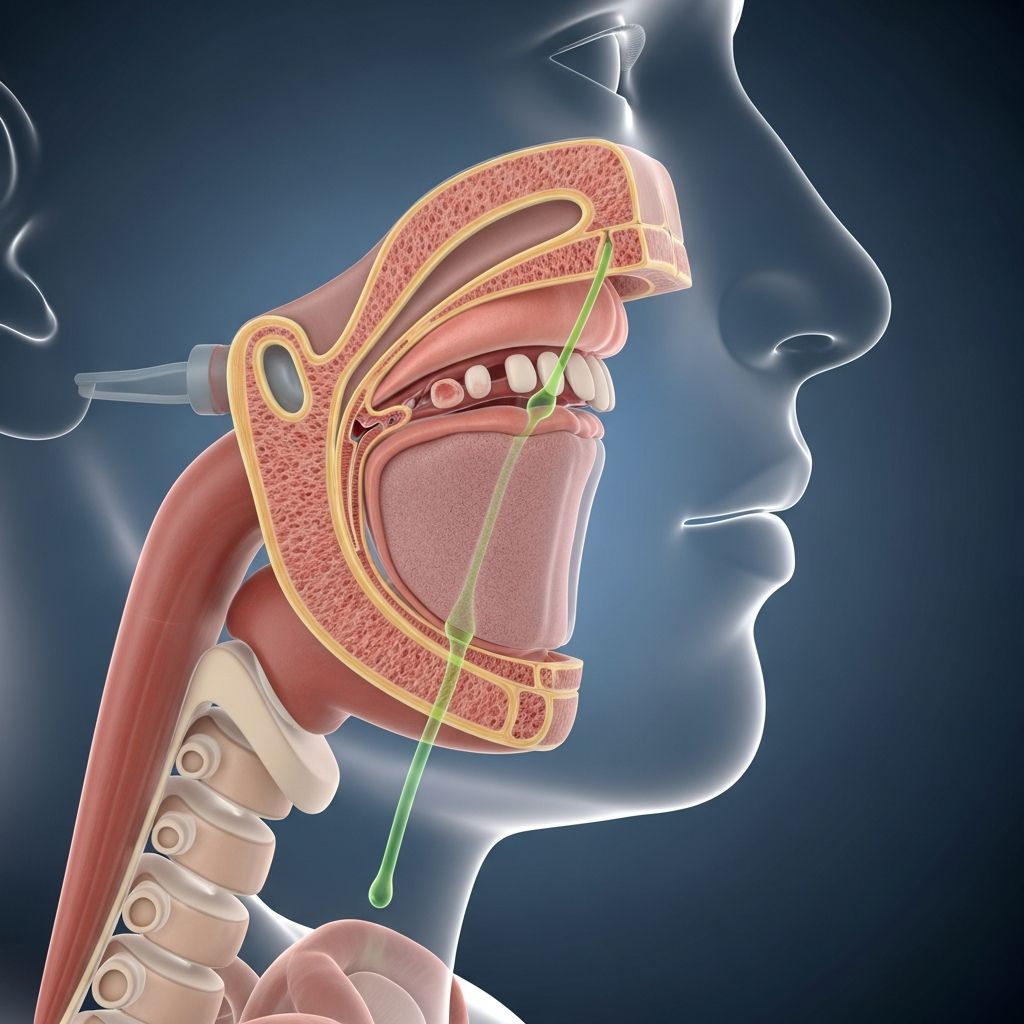
Laryngopharyngeal reflux (LPR) is a condition in which acid and other contents from the stomach travel backward into the pharynx and larynx, causing irritation, inflammation, and various throat-related symptoms. Unlike gastroesophageal reflux disease (GERD), which primarily affects the esophagus, LPR specifically impacts the voice box and throat region. This condition is sometimes referred to as silent reflux because many people experience it without recognizing the connection to acid reflux. If you suffer from chronic hoarseness, research suggests there is approximately a 50% chance you may be experiencing LPR.
The condition develops when stomach acid, bile acids, and pepsin microaspiration reaches the laryngeal tissues, causing direct injury and inflammation. Most people with LPR are initially unaware they have acid reflux, often attributing their symptoms to allergies or a persistent cold. Many individuals first notice LPR symptoms shortly after an upper respiratory infection that irritated their throat, as this irritation creates an environment conducive to reflux damage.
Recognizing LPR Symptoms
Laryngopharyngeal reflux presents with a distinctive array of symptoms that differ from typical heartburn. Common manifestations include:
- Chronic hoarseness or voice changes
- Persistent throat clearing
- Chronic or barking cough
- Sensation of a lump in the throat (globus sensation)
- Excess mucus or phlegm production
- Throat pain or discomfort
- Difficulty swallowing (dysphonia)
- Excessive burping, particularly during daytime hours
- Noisy breathing or pauses in breathing (apnea)
- Reactive airway disease or asthma-like symptoms
It is important to note that LPR symptoms may worsen after consuming certain foods or drinks, particularly in the evening or when lying down. The throat irritation and inflammation caused by acid reflux can lead to a persistent desire to clear the throat, creating a frustrating cycle for sufferers.
What Causes Laryngopharyngeal Reflux?
Several factors can weaken or relax the upper esophageal sphincter (UES), the muscular valve that normally prevents stomach contents from entering the throat. These contributing factors include:
- Smoking and tobacco use
- Alcohol consumption
- Caffeine intake
- Obesity and excess weight
- Eating large meals or eating too quickly
- Consuming acidic foods and beverages
- Lying down soon after eating
- Certain medications that relax the esophageal sphincter
- Underlying esophageal disorders
- Stress and anxiety
Unlike GERD, which may result from significant sphincter dysfunction, LPR often develops from relatively small amounts of reflux that cause disproportionate laryngeal irritation. The laryngeal tissues are highly sensitive to acid exposure, making even minor reflux episodes problematic.
Diagnostic Approaches for LPR
Diagnosing LPR can be challenging because there is currently no single gold standard diagnostic test. Healthcare providers typically rely on clinical symptom assessment combined with laryngoscopic examination to visualize laryngeal inflammation and irritation. In some cases, specialized tests such as high-resolution manometry and 24-hour pH monitoring may be performed to document acid exposure and establish reflux patterns.
The Reflux Symptom Index (RSI) and Reflux Finding Score (RFS) are scoring systems used to quantify symptom severity and laryngoscopic findings, respectively. These tools help clinicians track disease progression and treatment response over time. If symptoms persist despite aggressive initial treatment, additional diagnostic testing may be warranted to rule out other conditions.
Related Stories



Treatment Strategies for Laryngopharyngeal Reflux
The approach to treating LPR depends on symptom severity and the underlying cause. Treatment typically follows a multi-pronged strategy involving lifestyle modifications, dietary changes, and medications when necessary. Importantly, LPR is more likely than GERD to improve without medication, as it may be caused by only minimal reflux in many cases.
Lifestyle and Dietary Modifications
For many patients, lifestyle and dietary adjustments form the foundation of LPR treatment. Some individuals can manage their condition entirely through these modifications alone, while others require additional medical intervention. Key lifestyle changes include:
- Quitting smoking completely
- Eliminating or reducing alcohol consumption
- Avoiding caffeine and caffeine-containing beverages
- Eating slowly and in smaller portions
- Avoiding lying down or exercising for at least 2-3 hours after eating
- Not eating or drinking shortly before bedtime
- Maintaining a healthy weight through balanced nutrition and exercise
- Elevating the head of your bed by 30 degrees during sleep
- Managing stress through relaxation techniques
- Avoiding anti-inflammatory medications like ibuprofen and naproxen when possible
Dietary modifications are equally important. Foods that commonly trigger LPR symptoms and should be avoided or limited include acidic fruits and juices, chocolate, spicy foods, high-fat foods, carbonated beverages, red wine, peppermint, and tomato-based products. Additionally, eating late-night meals disrupts the natural acid clearance mechanisms and increases reflux risk during sleep.
Pharmaceutical Treatment Options
When lifestyle changes alone prove insufficient, medications can help heal inflamed tissues and reduce reflux episodes. Proton pump inhibitors (PPIs) are the first-line pharmaceutical choice for LPR treatment. These medications significantly reduce gastric acid production, allowing throat tissues to heal while patients implement lifestyle modifications. PPIs should be taken 30 to 60 minutes before meals for optimal effectiveness.
Common PPI medications include omeprazole (Prilosec), lansoprazole (Prevacid), esomeprazole (Nexium), dexlansoprazole (Dexilant), and rabeprazole (Aciphex). A typical PPI medication trial lasts three to six months. If symptoms decrease or resolve during this period, the diagnosis of LPR becomes clearer, and medication may be discontinued as long as lifestyle changes continue.
H2 receptor blockers represent an alternative acid-reduction strategy. These medications, including famotidine (Pepcid) and nizatidine, reduce gastric acid production but are generally less potent than PPIs. Alginates offer protective benefits by forming a barrier against irritating substances in reflux, such as enzymes and bile acids. Research demonstrates that alginate supplements improve LPR symptoms and laryngoscopic findings.
Baclofen is a muscle relaxant that can be added to PPI therapy when patients show inadequate response to acid-suppression alone. Studies indicate that combining lansoprazole 15mg twice daily with baclofen 10mg three times daily, along with lifestyle counseling, produces symptom improvement in approximately 53% of patients with PPI-resistant LPR.
Sucralfate (Carafate) provides mucosal protection by coating damaged tissues, and prokinetic agents enhance gastric emptying and lower esophageal sphincter pressure. Conversely, antacids are generally not recommended for LPR treatment, as they provide only temporary relief and do not address underlying reflux mechanisms.
Surgical and Advanced Interventions
Surgical intervention becomes an option for patients who do not respond to aggressive medical management over a three-month period. Anti-reflux surgery, typically involving partial or complete fundoplication, reconstructs the lower esophageal sphincter to prevent reflux. Magnetic sphincter augmentation is an emerging technique that uses magnetic devices to strengthen the sphincter without completely reconstructing it.
Transoral incisionless fundoplication represents a minimally invasive endoscopic procedure that tightens the sphincter through small incisions inside the mouth. An external upper esophageal sphincter compression device offers another non-surgical option for select patients. Before pursuing surgical intervention, patients should undergo ambulatory pH monitoring or esophagoscopy to confirm the diagnosis definitively.
Treatment Timeline and Expectations
It is crucial to understand that LPR healing requires patience and time. Many patients need several months before determining whether their lifestyle adjustments are effectively controlling symptoms. During the initial treatment phase, medications work to neutralize acid and protect throat tissues while dietary and behavioral modifications reduce reflux episodes. Once symptoms improve substantially, many patients can discontinue medication while maintaining lifestyle changes.
However, some individuals experience persistent symptoms despite aggressive treatment. In these cases, long-term acid-blocking medications or other pharmacological interventions may be necessary. Healthcare providers should monitor patients with persistent symptoms closely, as LPR has been associated with aerodigestive malignancy in some populations.
Special Considerations for Children
LPR treatment in infants and children follows modified principles. Pediatric approaches include smaller and more frequent feedings, maintaining a vertical position for at least 30 minutes after feeding, and age-appropriate medications such as H2 blockers or PPIs as directed by pediatricians. Surgical intervention for anatomical abnormalities may be necessary when other treatments prove ineffective.
Frequently Asked Questions About LPR
Q: How long does LPR treatment typically take?
A: LPR treatment is a gradual process that may take several months to show meaningful improvement. Most medication trials last three to six months. However, complete healing and symptom resolution often require extended lifestyle modifications maintained for much longer periods.
Q: Can LPR be cured permanently?
A: LPR can be effectively managed and symptoms can be significantly reduced or eliminated through sustained lifestyle changes and, when necessary, medication. However, if the underlying predisposition to reflux remains, symptoms may recur if preventive measures are discontinued.
Q: Is LPR the same as GERD?
A: While both conditions involve acid reflux, LPR and GERD are distinct entities. GERD primarily affects the esophagus and causes heartburn, while LPR affects the throat and voice box, causing hoarseness and throat clearing without typical heartburn symptoms.
Q: Can I stop taking PPIs once my symptoms improve?
A: In many cases, yes. If lifestyle changes successfully control your reflux, you may be able to discontinue PPI medications after your tissues have healed. However, this should only be done under healthcare provider guidance, as stopping medication prematurely may lead to symptom recurrence.
Q: Which foods are worst for LPR?
A: Acidic fruits and juices, chocolate, caffeine, spicy foods, high-fat foods, carbonated beverages, red wine, peppermint, and tomato-based products are among the most common LPR triggers. Individual responses vary, so keeping a symptom diary helps identify your personal triggers.
Q: When should I consider surgery for LPR?
A: Surgery is typically considered after three months of aggressive medical management and lifestyle modifications have failed to produce adequate symptom relief. Before pursuing surgery, your healthcare provider will confirm the LPR diagnosis through specialized testing.
References
- An Update on Current Treatment Strategies for Laryngopharyngeal Reflux — National Center for Biotechnology Information (NCBI). 2022. https://pmc.ncbi.nlm.nih.gov/articles/PMC9012673/
- Diagnosis and Management of Laryngopharyngeal Reflux — American Academy of Family Physicians (AAFP). 2006-03-15. https://www.aafp.org/pubs/afp/issues/2006/0315/p1099.html
- Laryngopharyngeal Reflux (LPR) Conditions & Treatments — University of Rochester Medical Center (UR Medicine). https://www.urmc.rochester.edu/conditions-and-treatments/laryngopharyngeal-reflux
- Laryngopharyngeal Reflux (LPR): What It Is, Symptoms, Treatment — Cleveland Clinic. https://my.clevelandclinic.org/health/diseases/15024-laryngopharyngeal-reflux-lpr
- Laryngopharyngeal Reflux Disease Treatment — Atrium Health Wake Forest Baptist. https://www.wakehealth.edu/condition/l/laryngopharyngeal-reflux
- Laryngopharyngeal Reflux (Silent Reflux) — WebMD. https://www.webmd.com/heartburn-gerd/guide/laryngopharyngeal-reflux-silent-reflux
- Laryngopharyngeal Reflux (LPR) Protocol — Stanford Healthcare. https://stanfordhealthcare.org/
Similar Articles








Read full bio of medha deb