Laser Eye Surgery Recovery Guide: Timeline And Expert Tips
Comprehensive guide to smooth recovery after laser vision correction, including timelines, care tips, and when to seek help for optimal results.
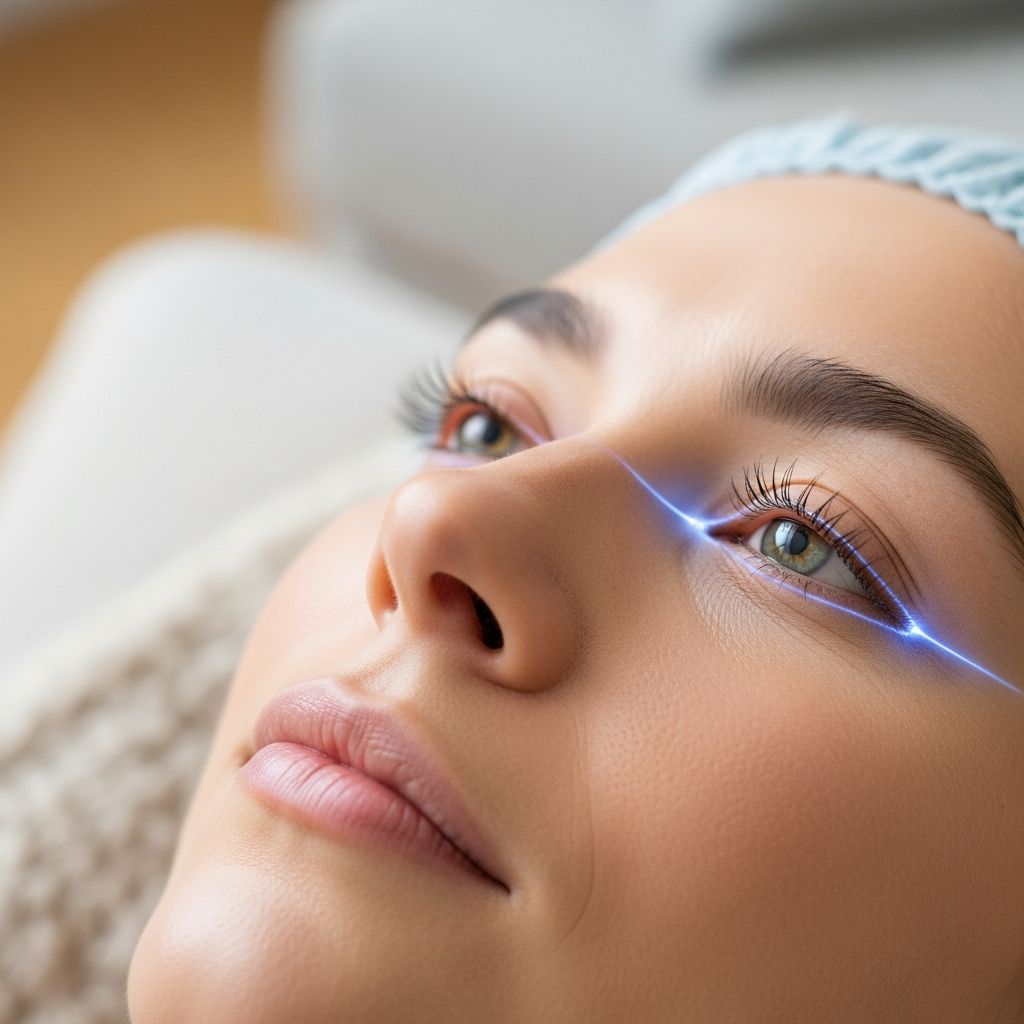
Laser eye surgery offers a transformative solution for vision correction, but successful outcomes depend heavily on proper post-operative care. Most patients experience rapid initial improvements, with full stabilization occurring over several months. This guide outlines the recovery process, drawing from established clinical practices to help you navigate healing effectively.
Understanding the Healing Process After Vision Correction
The body’s response to laser procedures like LASIK, LASEK, PRK, or SMILE involves corneal reshaping and subsequent tissue regeneration. Immediately after surgery, the cornea begins to heal, with epithelial cells migrating to cover any treated areas. Vision often improves within hours, though fluctuations are common as nerves regenerate and inflammation subsides.
For LASIK patients, the flap created during surgery adheres quickly, allowing a swift return to activities, typically within 24 hours. LASEK and PRK involve surface ablation, leading to a longer initial discomfort phase of 3-7 days before the epithelium fully regenerates. SMILE procedures, being flapless, may offer even faster surface healing.
Complete corneal strength returns around 3-6 months post-op, during which subtle vision refinements occur. Factors influencing recovery speed include age, prescription strength, and individual healing capacity. High myopia cases may extend stabilization to 6 months or more.
Immediate Post-Operative Period: First 24-48 Hours
The first day sets the tone for recovery. Expect mild discomfort such as burning, itching, or light sensitivity as anesthesia wears off. These sensations peak within 4-12 hours and subside with rest.
- Rest in a dim room with eyes closed for at least 2-4 hours upon returning home to minimize strain.
- Avoid rubbing eyes; use provided shields at night to prevent accidental trauma.
- Apply prescribed lubricating drops frequently to combat initial dryness.
- Do not drive; arrange transportation, as vision may be hazy.
By 24 hours, 80-90% of patients notice significant clarity, enabling light activities like work if non-demanding. Watery eyes or mild tearing are normal protective responses.
Short-Term Recovery: Days 2-7
During week one, focus shifts to protection and gentle reintegration. Vision stabilizes further, but halos or glare under lights may persist temporarily.
| Day Post-Op | Expected Symptoms | Allowed Activities |
|---|---|---|
| Day 1-2 | Blur, discomfort, light sensitivity | Rest, short walks, screen time limited to 1 hour |
| Day 3-4 | Improving clarity, mild dryness | Return to desk work, reading |
| Day 5-7 | Stable vision, reduced side effects | Light exercise (no sweat in eyes), makeup avoidance |
LASEK patients might need 4-7 days off work due to bandage contact lenses aiding epithelial growth. Continue drops as directed—antibiotics for infection prevention, steroids for inflammation, and lubricants for comfort.
Medium-Term Healing: Weeks 2-12
Related Stories



By week two, most resume normal routines, but precautions remain. Dryness affects up to 50% of patients, managed with preservative-free drops.
- Week 1-4: No swimming, saunas, or dusty environments to protect healing tissue.
- Month 1: Gradual return to sports; avoid contact impacts.
- Month 3: Vision nears peak; attend check-up for refraction assessment.
Follow-up visits at 1 day, 1 week, 1 month, 3 months, and 12 months monitor progress and adjust care. Persistent dryness or fluctuations warrant earlier consultation.
Long-Term Recovery: 3-12 Months
Full healing culminates at 6-12 months, when corneal nerves fully regenerate, resolving most visual disturbances. Rare cases (3-5%) may require enhancement if undercorrection persists after two stable exams.
Adaptation for blended vision procedures like PRESBYOND can take 6-9 months as the brain adjusts to monocular cues. Sun protection with UV sunglasses is advised year-round to safeguard results.
Common Side Effects and Management Strategies
Temporary effects are expected but should diminish progressively.
- Dry Eyes: Most prevalent; use drops 4x daily, consider punctal plugs if severe.
- Visual Disturbances: Halos/glare fade by 3 months; night driving caution initially.
- Fluctuations: Normal until 6 months; track with daily logs.
- Regression: Minimal risk; monitored at visits.
Activity Restrictions Timeline
| Activity | Resume Time | Notes |
|---|---|---|
| Work (office) | 24-48 hours | Avoid screens >4 hours initially |
| Driving | 24 hours if 20/40 acuity | Legal vision test required |
| Exercise | 3-7 days | No sweating into eyes |
| Swimming | 2-4 weeks | Chlorine irritates |
| Contact Sports | 1-3 months | Shield protection |
| Makeup | 1 week | Hypoallergenic only |
Medications and Home Care Essentials
Prescribed regimens vary but typically include:
- Antibiotic drops: 4x/day for 1 week to prevent infection.
- Steroid drops: Tapered over 1-4 weeks for inflammation control.
- Lubricants: Ongoing, especially in dry climates.
At home, maintain hygiene: Wash hands before drops, avoid pets near face, and use artificial tears chilled for soothing.
When to Contact Your Surgeon
While complications are rare (<1%), vigilance is key.
- Severe pain unrelieved by meds.
- Vision loss or sudden worsening.
- Excessive redness, discharge, or swelling.
- Persistent foreign body sensation beyond 48 hours.
Follow-ups ensure early intervention; 95% achieve 20/20 or better with adherence.
Optimizing Outcomes Through Lifestyle Adjustments
Enhance healing with:
- Hydration and omega-3 rich diet for tear film health.
- Screen breaks (20-20-20 rule) to reduce strain.
- UV protection to prevent haze formation.
Smokers note: Tobacco delays healing; cessation advised pre-op.
Frequently Asked Questions (FAQs)
How soon can I drive after laser surgery?
Typically 24 hours if vision meets legal standards, confirmed at day-1 check.
Will I need glasses post-recovery?
Most do not; enhancements available if needed after 3 months.
Is pain common during recovery?
Mild discomfort yes, severe pain no—contact your doctor immediately.
Can I wear contacts again?
Usually not needed; wait 1 month minimum if required.
What if recovery is slower than expected?
Individual variation; regular visits track progress.
Preparing Mentally and Physically for Best Results
Success hinges on preparation: Arrange help for day one, stock drops, and set realistic expectations. Track symptoms daily to discuss at visits. With compliance, laser surgery boasts high satisfaction rates, freeing millions from glasses annually.
(Word count: 1678)
References
- Guide to Recovery & Post-Operative Care after Laser Eye Surgery — London Vision Clinic. Accessed 2026. https://www.londonvisionclinic.com/guide-to-recovery-post-operative-care-after-laser-eye-surgery/
- What to expect after a laser eye surgery procedure — Optical Express. Accessed 2026. https://www.opticalexpress.co.uk/magazine/article/what-to-expect-after-a-laser-eye-surgery-procedure
- How Long Does it Take to Recover from LASIK? — Austin Eye. Accessed 2026. https://www.austineye.com/long-take-recover-lasik/
- LASIK Surgery Recovery Timeline — Assil Gaur Eye Institute. Accessed 2026. https://assileye.com/library/lasik-recovery-time/
- What to Expect with LASIK Recovery — American Refractive Surgery Council. Accessed 2026. https://americanrefractivesurgerycouncil.org/what-to-expect-with-lasik-recovery/
- LASIK Eye Surgery Recovery & Post-Procedure Care — UCLA Health. Accessed 2026. https://www.uclahealth.org/medical-services/ophthalmology/laser-refractive-surgery/your-visit/postoperative-instructions
Similar Articles








Read full bio of medha deb