Laser Eyelid Surgery: 4 Treatment Types And Faster Recovery
Discover the benefits, procedure details, recovery process, and risks of laser eyelid surgery for rejuvenated eyes.
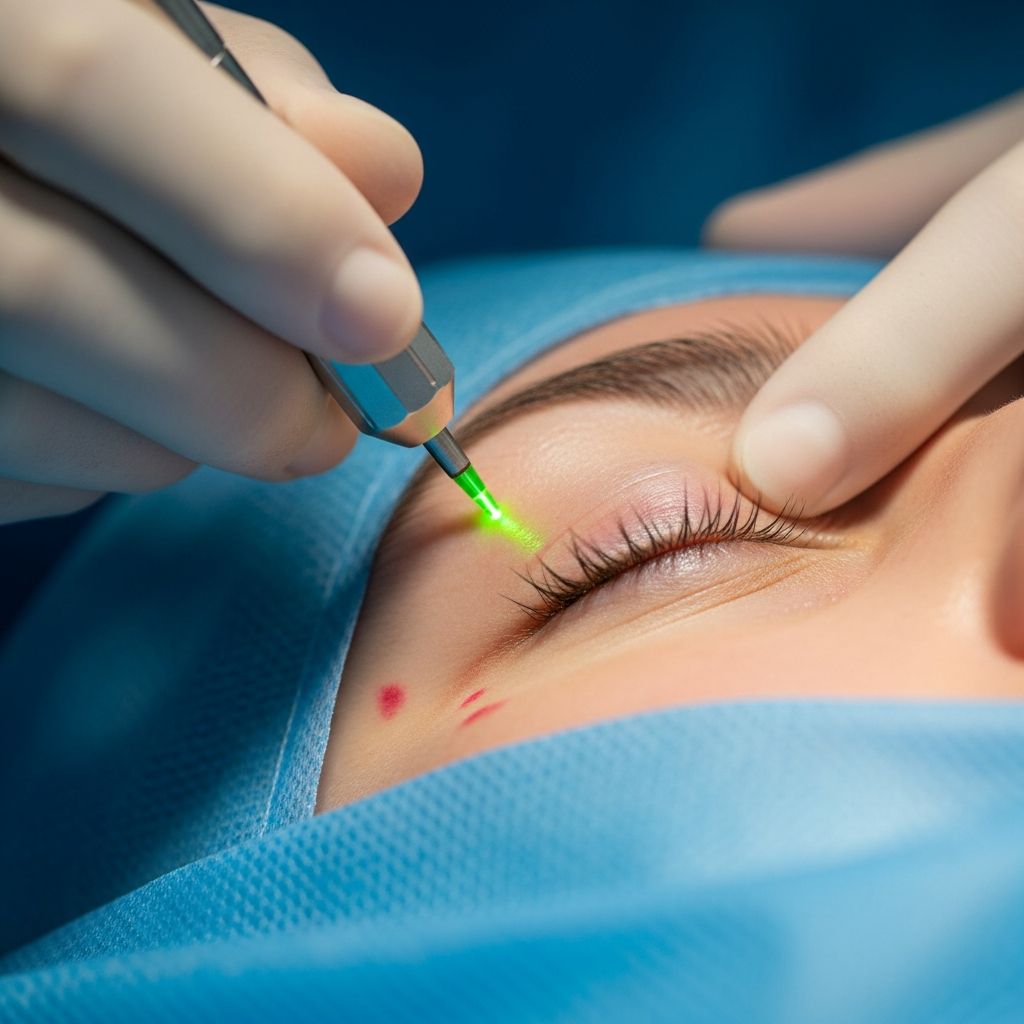
Laser eyelid surgery, also known as laser blepharoplasty, is a minimally invasive cosmetic procedure that uses laser technology to remove excess skin, fat, and muscle from the eyelids. This treatment addresses common signs of aging such as droopy upper eyelids (ptosis), under-eye bags, and wrinkles, resulting in a more youthful and refreshed appearance. Unlike traditional scalpel-based blepharoplasty, laser versions offer precision, reduced bleeding, minimal scarring, and quicker recovery times.
What is laser eyelid surgery?
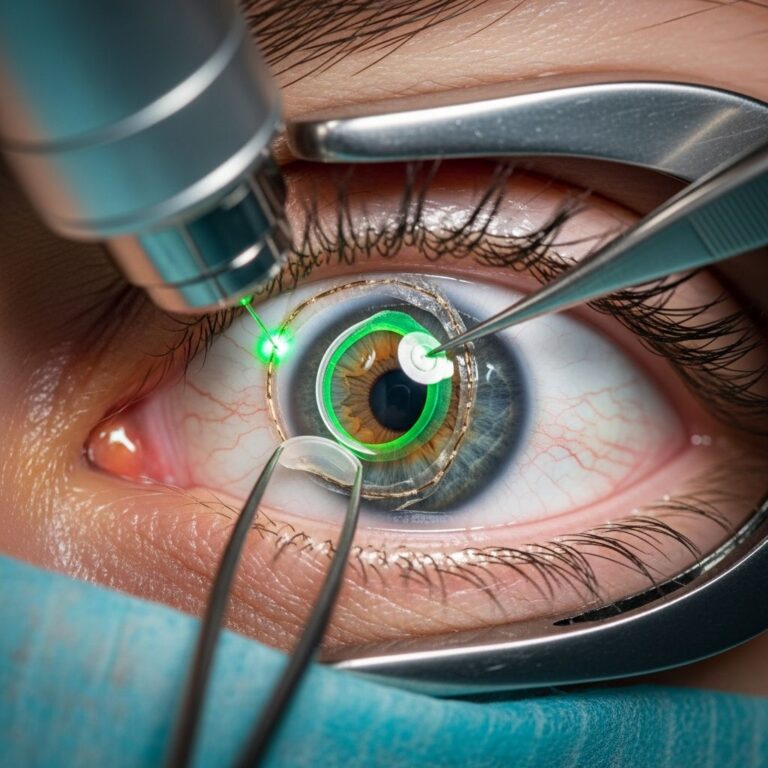
Laser eyelid surgery employs a carbon dioxide (CO2) laser or erbium laser to precisely cut and vaporize tissue. The laser seals blood vessels as it cuts, minimizing blood loss and swelling compared to conventional methods. It can treat both upper and lower eyelids: upper eyelid surgery corrects hooding that impairs vision, while lower eyelid surgery eliminates puffiness and dark circles. This procedure is ideal for patients over 35 with good overall health, though it may not suit those with certain eye conditions like dry eye syndrome or glaucoma.
The technique tightens skin and repositions fat pads, restoring a natural contour to the eye area. Studies highlight its efficacy in achieving long-lasting results with lower complication rates when performed by experienced ophthalmologists or dermatologic surgeons.
Who is suitable for laser eyelid surgery?
Candidates are typically adults experiencing age-related changes like sagging skin, fat herniation, or fine lines around the eyes. Suitable patients have realistic expectations, no active eye infections, and stable vision. Contraindications include uncontrolled thyroid disease, severe dry eyes, or bleeding disorders. A thorough pre-operative evaluation, including visual acuity tests and eyelid measurements, ensures safety. Smokers should quit weeks prior to reduce healing risks.
- Ideal candidates: Healthy adults 35+ with excess eyelid skin or fat.
- Not suitable: Those with keloid scarring tendency, autoimmune diseases affecting healing, or unrealistic goals.
Types of laser eyelid surgery
Several laser modalities exist, each suited to specific needs:
| Type | Description | Best For |
|---|---|---|
| CO2 Laser Blepharoplasty | Ablative laser vaporizes tissue and resurfaces skin. | Moderate to severe skin laxity. |
| Erbium Laser | Less thermal damage, faster healing. | Fine wrinkles, mild hooding. |
| Fractional Laser | Targets micro-columns for resurfacing. | Periorbital wrinkles without full excision. |
| Transconjunctival Laser | Internal approach via conjunctiva, no external scar. | Lower eyelid fat removal. |
CO2 lasers are most common for their precision in fat sculpting and skin tightening.
Preparation for laser eyelid surgery
Pre-operative steps minimize risks:
- Consultation: Discuss medical history, allergies, and medications.
- Discontinue blood thinners (aspirin, NSAIDs) 2 weeks prior.
- Avoid alcohol and smoking for 1-2 weeks.
- Eye exam: Measure intraocular pressure and tear production.
- Arrange post-op transport; procedure is outpatient under local anesthesia with sedation.
Patients receive instructions on fasting and skincare cessation.
What does the procedure involve?
The surgery lasts 1-2 hours per eyelid pair:
- Anesthesia: Local with optional IV sedation.
- Incisions: Laser makes fine cuts along natural creases (upper) or below lashes (lower).
- Tissue removal: Excess fat, skin, and muscle vaporized precisely.
- Closure: Laser seals edges; dissolvable sutures if needed.
- Laser protectors shield the cornea.
Related Stories



No general anesthesia reduces recovery time. Patients go home same day.
Immediate post-operative care
Right after surgery:
- Cold compresses reduce swelling (first 48 hours).
- Eye lubricants prevent dryness.
- Sleep elevated with head at 30-45 degrees.
- Avoid bending, lifting, or straining.
Pain is mild, managed with acetaminophen.
Recovery timeline
Recovery is faster than traditional blepharoplasty:
| Timeframe | Expectations |
|---|---|
| Day 1-3 | Swelling, bruising peak; minimal activity. |
| Week 1 | Bruising fades; return to light work. |
| Week 2 | Makeup allowed; sutures removed if present. |
| 1-3 Months | Full healing; scars fade. |
Most resume normal activities in 7-10 days.
Potential complications and risks
While safe, risks include:
- Common (temporary): Swelling, bruising, dry eyes, irritation, blurred vision.
- Minor: Infection, tearing, lagophthalmos (inability to fully close eyes).
- Serious (rare): Ectropion, hematoma, retinal detachment, vision loss (1:2000-25,000).
Laser use lowers bleeding risk but requires eye shields to prevent corneal injury. Hypertension or anticoagulants increase hematoma odds; drainage tubes may be used.
Managing complications
Prevention: Skilled surgeon, pre-op assessment. Management:
- Hematoma: Drainage, pressure.
- Infection: Antibiotics.
- Ectropion: Massage, steroids, revision surgery.
- Overcorrection: Fat grafting or fillers.
Regular follow-ups detect issues early.
Outcomes and benefits
Benefits: Natural look, less scarring, 5-10 year results. Improves vision if hooding present. High satisfaction rates. Laser resurfacing enhances skin quality.
Cost considerations
Costs range $3,000-$7,000 USD depending on extent, location, surgeon expertise. Not typically covered by insurance unless functional. Financing options available.
Frequently Asked Questions (FAQs)
Q: Is laser eyelid surgery painful?
A: Discomfort is minimal due to anesthesia; post-op soreness managed with over-the-counter pain relief.
Q: How long do results last?
A: 7-15 years, varying by age, lifestyle, sun exposure.
Q: Can it fix under-eye bags?
A: Yes, especially transconjunctival approach removes fat without external scars.
Q: What’s the difference from traditional blepharoplasty?
A: Laser offers less bleeding, swelling, precise cuts, faster recovery.
Q: Are there non-surgical alternatives?
A: Fillers, Botox, or fractional lasers for mild cases.
Q: When can I wear makeup?
A: After 7-10 days, once incisions heal.
This comprehensive guide draws from clinical insights to inform decisions on laser eyelid surgery. Consult a qualified specialist for personalized advice.
References
- Eyelid Surgery (Blepharoplasty) Risks & Safety — SunCoast Skin Solutions. 2023. https://www.suncoastskin.com/eyelid-surgery-blepharoplasty-risks-safety/
- Eyelid Surgery Risks and Safety — American Society of Plastic Surgeons. 2024. https://www.plasticsurgery.org/cosmetic-procedures/eyelid-surgery/safety
- Laser Blepharoplasty for Eye Rejuvenation: Benefits & Safety — Dr. Panossian. 2023. https://drpanossian.com/blog/laser-blepharoplasty-eye-rejuvenation/
- 10 Questions to Ask Before Getting Laser Eyelid Surgery — Conestoga Eye. 2024. https://www.conestogaeye.com/blog/10-questions-to-ask-before-getting-laser-eyelid-surgery
- Complications of Blepharoplasty: Prevention and Management — National Center for Biotechnology Information (PMC). 2012-06-19. https://pmc.ncbi.nlm.nih.gov/articles/PMC3357590/
- Understanding and Managing Blepharoplasty Complications — Glasgold Group. 2023. https://www.glasgoldgroup.com/blog/managing-blepharoplasty-complications/
- Blepharoplasty (Eyelid Surgery): What It Is, Details & Recovery — Cleveland Clinic. 2024. https://my.clevelandclinic.org/health/treatments/8409-eyelid-surgery-blepharoplasty
Similar Articles








Read full bio of medha deb