Laser Hair Removal: How It Works, Safety & What to Expect
Complete guide to laser hair removal: understand the process, results, and what to expect from treatment.
Laser hair removal has become one of the most popular cosmetic procedures for achieving smooth, hair-free skin. Unlike temporary methods such as shaving, waxing, or plucking, laser hair removal offers a semi-permanent solution that significantly reduces hair growth over time. This comprehensive guide explains how the procedure works, what you can expect during treatment, and important safety considerations.
What Is Laser Hair Removal?
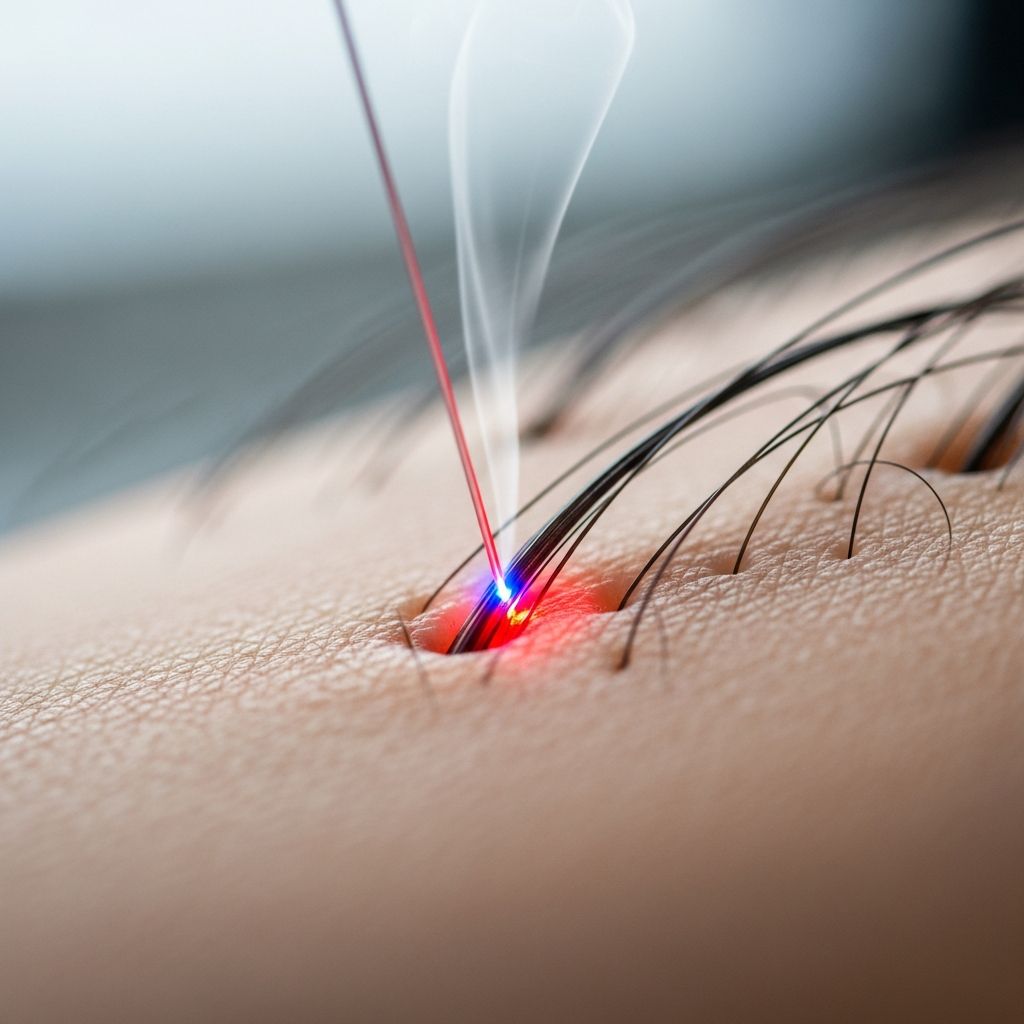
Laser hair removal is a noninvasive cosmetic procedure that uses concentrated light beams to target and damage hair follicles, reducing hair growth in treated areas. The procedure employs a process called selective photothermolysis, which allows the laser to target specific structures—in this case, the pigmented cells within hair follicles—while leaving surrounding skin relatively unaffected. After treatment, your hair becomes less noticeable, finer, and often lighter in appearance. The degree of hair reduction depends on the number of treatments you receive and your individual hair and skin characteristics.
It’s important to understand that laser hair removal is considered a semi-permanent solution. This means it significantly reduces hair growth in the treated area for an extended period, though it doesn’t guarantee complete permanent removal. Most people experience substantial hair reduction that lasts for several months to years, with some individuals requiring periodic maintenance treatments.
How Laser Hair Removal Works
Understanding the science behind laser hair removal helps explain why multiple sessions are necessary and why results vary from person to person.
The Science Behind the Treatment
The laser emits concentrated light that is absorbed by melanin, the pigment that gives hair its color. The absorbed light converts to heat energy, which damages the hair follicle structure and inhibits future hair growth. Dark, thick hair responds best to treatment because it contains more melanin and absorbs more of the laser’s energy. This is why laser hair removal has traditionally worked best on individuals with light skin and dark hair, though newer laser technologies now safely treat a wider range of skin tones and hair types.
The Hair Growth Cycle
A key reason multiple sessions are required is that human hair grows in cycles. At any given time, different hairs are in different growth phases:
- Anagen Phase (Active Growth): The hair is actively growing and connected to the follicle. Laser treatment is most effective during this phase because the hair contains abundant melanin that absorbs the laser energy.
- Catagen Phase (Transition): Hair begins to detach from the follicle and stops growing. Lasers are largely ineffective during this stage because the hair is separating from its energy source.
- Telogen Phase (Resting): Hair is dormant and eventually sheds naturally. Since the hair is no longer connected to the follicle, the laser cannot effectively target it.
Because not all hairs are in the active growth phase simultaneously, multiple treatment sessions are necessary to target hairs as they enter the anagen phase. This is why scheduling sessions at appropriate intervals—typically 4 to 6 weeks apart—is crucial for optimal results.
Related Stories



Preparation for Laser Hair Removal
Proper preparation ensures safe, effective treatment and minimizes the risk of adverse reactions. Your healthcare provider will give you specific pre-treatment instructions, but general guidelines include:
Pre-Treatment Steps
- Avoid sun exposure: Stay out of direct sunlight and avoid tanning beds for at least two weeks before treatment. Sunburned or tanned skin increases the risk of side effects, including burns and pigmentation changes.
- Shave the treatment area: Shave 24 hours before your appointment. Hair should be removed from the skin surface but not from below the skin, so waxing and plucking are not recommended.
- Skip waxing and plucking: Avoid waxing, plucking, or any method that removes hair from the root for at least four weeks before treatment. The hair follicle must remain intact for the laser to be effective.
- Avoid irritating products: Discontinue use of retinoids, glycolic acids, salicylic acids, vitamin C serums, and other active ingredients for at least 3 days before treatment. These can sensitize skin and increase irritation risk.
- Avoid other treatments: Skip chemical peels, collagen injections, and similar procedures for two weeks before laser hair removal.
- Avoid certain medications: Refrain from taking aspirin, anti-inflammatory drugs, and herbal supplements, as these increase the risk of bruising.
- Avoid irritants: Don’t apply perfumes, deodorants, lotions, or other potential irritants to the treatment area before your appointment.
Are You a Candidate?
Laser hair removal works on most people, though results vary based on skin tone, hair color, and hair thickness. Traditionally, the procedure worked best on individuals with light skin and dark hair. However, modern laser technology now allows dermatologists to safely and effectively treat people with darker skin tones. During your consultation, your healthcare provider will assess your skin type, hair characteristics, and medical history to determine if you’re a good candidate and which laser type would be most effective for you.
What to Expect During Treatment
Understanding what happens during your laser hair removal appointment helps you prepare mentally and know what sensations to expect.
The Procedure Steps
Your laser hair removal session typically follows these steps:
- Skin cleansing: The treatment area is thoroughly cleaned with alcohol to remove oils, lotions, and other residue that could interfere with the laser’s effectiveness.
- Eye protection: You and your provider will wear special protective goggles to shield your eyes from the laser beam.
- Cooling application: Depending on the laser type, a cooling gel may be applied to your skin, or the laser handpiece may have a built-in cooling device to protect your skin from excessive heat and minimize discomfort.
- Laser treatment: The handheld laser device is pressed against your skin, and the laser beam passes through your skin to target the hair follicles. You may feel a series of snapping or pinching sensations, which is normal.
- Post-treatment care: After treatment, a soothing cream is applied to the treated area, and you receive instructions for aftercare.
Treatment Duration
The length of your appointment depends on the size of the treatment area. Small areas, such as the upper lip or underarms, may take only a few minutes to treat. Larger areas, such as the back, legs, or chest, may take 30 minutes to an hour. Most appointments are relatively quick, making laser hair removal convenient for busy schedules.
Sensations During Treatment
During laser hair removal, you may experience various sensations. The most common description is a snapping or pinching feeling as the laser fires. You might also smell smoke or burning hair, which is completely normal and indicates the laser is effectively targeting the follicles. Some discomfort is typical, though a topical anesthetic may be applied beforehand to reduce any pain.
How Many Sessions Do You Need?
Most people require six to eight laser hair removal treatments to achieve optimal results, though the exact number varies based on individual factors. Sessions are typically spaced 6 to 8 weeks apart to allow time for hairs to progress through growth cycles and enter the active anagen phase.
Factors Affecting Treatment Number
Several variables influence how many sessions you’ll need:
- Hair color and thickness: Dark, coarse hair responds best to treatment because it contains more pigment. Lighter or finer hair may require additional sessions.
- Skin tone: People with light skin and dark hair can typically be treated more aggressively and may need fewer sessions than those with darker skin tones.
- Hair density: Areas with dense hair growth require more sessions than those with sparse hair.
- Hormones: Hormone-sensitive areas like the face and bikini line may require additional sessions and maintenance treatments because hormonal fluctuations can stimulate new hair growth.
- Desired outcome: Whether you want complete hair removal or just reduction affects the total number of treatments needed.
Treatment Spacing
Consistency in session timing is crucial for success. Spacing treatments 4 to 6 weeks apart ensures that new hairs entering the growth phase are captured and treated effectively. Skipping appointments or extending intervals between sessions can reduce your overall results.
Results and Timeline
Understanding what to expect after each treatment helps you track progress and maintain realistic expectations.
Week 1-2: Shedding Phase
During the first one to two weeks following treatment, you’ll notice hair beginning to shed from the treated area. This shedding indicates that the treatment successfully damaged the follicles. During this period, avoid exfoliating or scrubbing the treated area, as this can irritate healing skin.
Week 3-5: Reduction Phase
As weeks progress, new hair growth appears noticeably finer and lighter than before treatment. Some patches may already feel significantly smoother. Your skin texture improves as it becomes more even and soft.
Overall Results
Most people see approximately a 10% to 25% reduction in hair growth after the first treatment. After completing all recommended treatments, you may experience several months to years without new hair growth. However, some hair regrowth is still likely, which is why laser hair removal is considered semi-permanent rather than permanent.
Maintenance Treatments
Many people find that periodic maintenance treatments—typically once every 6 to 12 months—help maintain smooth skin and prevent significant hair regrowth. The frequency of maintenance depends on your individual hair growth patterns and desired aesthetic results.
Safety and Side Effects
Laser hair removal is generally a safe procedure when performed by qualified professionals. However, like all medical treatments, it can have potential side effects.
Common Side Effects
After laser hair removal, your skin might be red, swollen, and slightly painful. These effects are typically temporary and resolve within hours to a few days. You can use a cold compress on the treated area to soothe discomfort and reduce swelling. Avoid exposing the treated area to natural or artificial sunlight immediately after treatment, as this can worsen irritation and cause pigmentation issues.
Aftercare Instructions
To ensure proper healing and optimal results:
- Apply cold compresses to reduce swelling and discomfort
- Avoid sun exposure for several weeks after treatment
- Don’t use irritating products like retinoids or acids for at least one week
- Wear loose clothing to prevent friction on treated areas
- You can return to normal activities immediately, as laser hair removal is noninvasive
Treatment Areas
Laser hair removal can be performed on virtually any body area where excess hair is present. The most commonly treated areas include the face, underarms, bikini region, legs, and back. Some people also choose to treat their arms, chest, or other body parts. During your consultation, discuss which areas you’d like treated, as some may require additional sessions or maintenance due to hormonal influences.
Frequently Asked Questions
Q: Is laser hair removal painful?
A: Most people describe laser hair removal as mildly uncomfortable rather than painful, often comparing the sensation to a rubber band snapping against the skin. A topical anesthetic can be applied before treatment to minimize discomfort.
Q: How long do results last?
A: Results vary by individual, but most people experience significant hair reduction lasting several months to years. Some hair regrowth is typical, which is why maintenance treatments may be needed.
Q: Can laser hair removal work on light hair?
A: Laser hair removal works best on dark hair because darker pigment absorbs more laser energy. Light hair may require more sessions or may not respond as effectively.
Q: Is laser hair removal suitable for all skin types?
A: Modern laser technology can safely treat most skin types, though those with darker skin may require different laser settings. Consult with a dermatologist to determine the best approach for your skin.
Q: Can I resume normal activities immediately after treatment?
A: Yes, laser hair removal is noninvasive, so you can return to normal activities right away. Just avoid sun exposure and strenuous exercise for the first 24-48 hours.
References
- Laser Hair Removal: Step-by-Step Process for Long-Term Results — SPA Fit Nation. https://spafitnation.com/laser-hair-removal-guide/
- Laser Hair Removal: Plastic Surgery — Cleveland Clinic. https://my.clevelandclinic.org/cosmetic-plastic-surgery/procedures/laser-hair-removal
- How Does Laser Hair Removal Work? Ask Cleveland Clinic’s Expert — Cleveland Clinic. https://health.clevelandclinic.org/
- The Complete Beginner’s Guide to Laser Hair Removal — Sleek Silhouettes. https://sleeksilhouettes.ca/2025/11/20/the-complete-beginners-guide-to-laser-hair-removal-what-you-should-expect/
- Laser Hair Removal: How it Works, Safety & What to Expect — Cleveland Clinic. https://my.clevelandclinic.org/health/treatments/21757-laser-hair-removal
Similar Articles








Read full bio of medha deb