Laser Interstitial Thermal Therapy: Minimally Invasive Brain Treatment
Advanced minimally invasive surgery using laser technology to treat brain tumors and epilepsy with precision.
Laser Interstitial Thermal Therapy: Understanding This Minimally Invasive Treatment
Laser interstitial thermal therapy (LITT) represents a significant advancement in neurosurgical care, offering patients a minimally invasive alternative to traditional open brain surgery. This innovative procedure uses focused laser energy to precisely destroy unhealthy brain tissue while preserving surrounding healthy structures. LITT has emerged as a valuable treatment option for various neurological conditions, including brain tumors, epilepsy, and radiation necrosis, particularly in cases where conventional surgery may pose significant risks.
What Is Laser Interstitial Thermal Therapy?
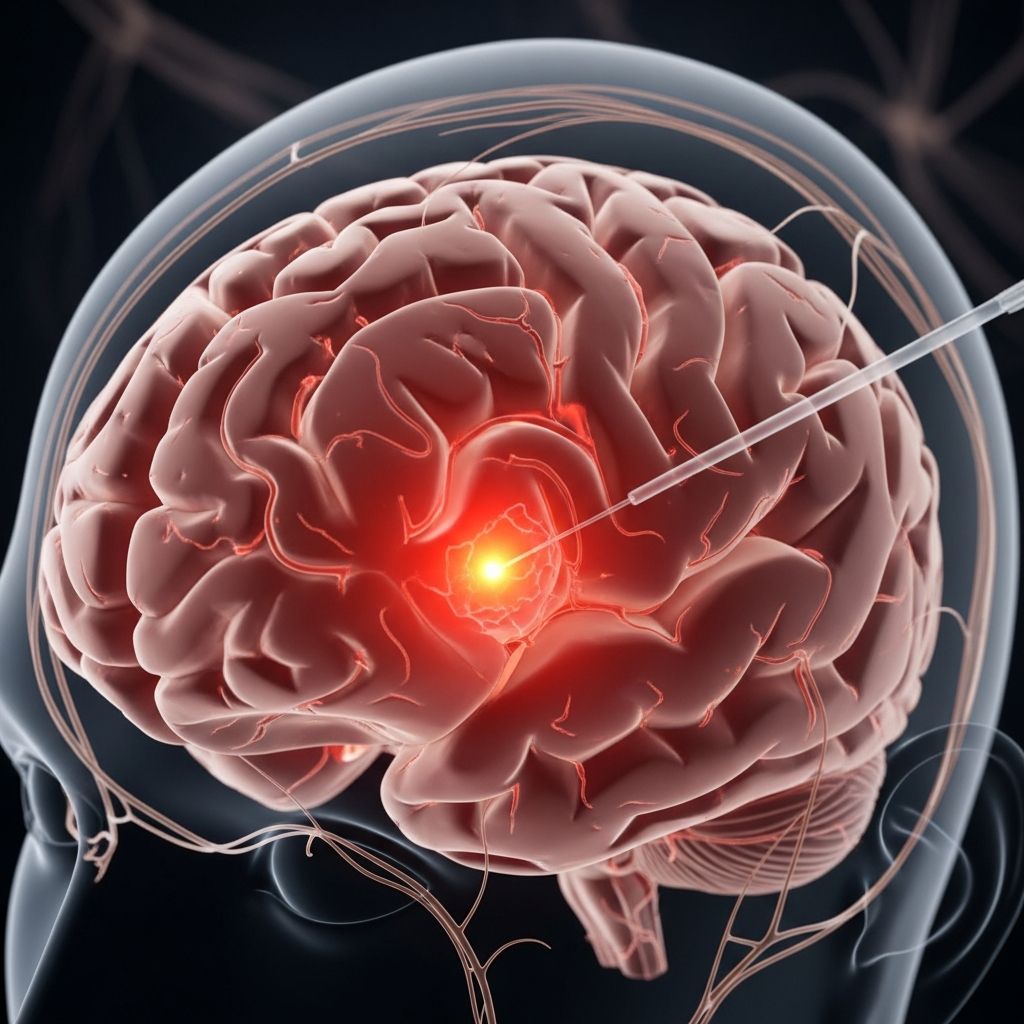
Laser interstitial thermal therapy is a minimally invasive neurosurgical technique that delivers laser energy through a small probe to ablate, or destroy, targeted brain tissue. The procedure involves introducing a laser fiber probe to deliver thermal energy for the targeted ablation of diseased tissue. The fundamental principle underlying LITT involves converting light energy emitted by the laser into thermal energy within the surrounding tissue, causing protein denaturation, cellular necrosis, and tissue coagulation. This selective thermal injury is carefully maintained through the use of real-time magnetic resonance (MR) thermography monitoring and actively cooled applicators, ensuring precise control over the treatment area.
The technique has evolved significantly since its initial description in 1983, with major technological enhancements including improved MRI thermometry capabilities and refined laser probe designs. Two FDA-approved LITT systems, Visualase and NeuroBlate, have received marketing clearance and represent the primary platforms used in clinical practice today.
How LITT Works: The Technical Process
Thermal Destruction Mechanism
The therapeutic effect of LITT depends on thermal destruction of tissue through several biological mechanisms. When laser light is delivered through the optical fiber, photons are absorbed by tissue chromophores, resulting in chromophore excitation and release of thermal energy. This process causes multiple forms of cellular damage including DNA damage, necrosis, protein denaturation, membrane dissolution, vessel sclerosis, and coagulative necrosis. The goal of therapy is to achieve selective thermal injury while maintaining a sharp thermal border, preventing damage to adjacent healthy brain tissue.
Procedure Workflow
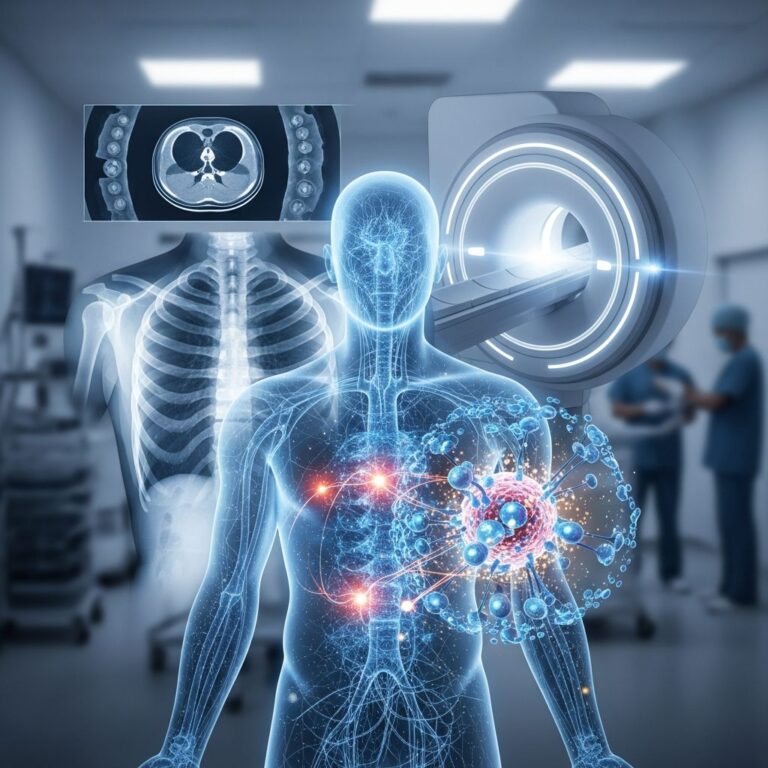
The LITT procedure begins with the creation of a small transcranial burr hole for placement of the laser probe at the target brain tissue. Surgeons use stereotactic guidance combined with advanced imaging to ensure precise probe positioning. Once positioned, probe location, ablation time, and laser intensity are controlled under continuous MRI guidance. The procedure involves transporting the patient with the probe in place to an MRI scanner or utilizing an intra-operative MRI unit. After initial MRI images verify probe position, the ablation process is initiated, with laser firing interleaved with periodic MRI image acquisition to monitor thermal progression in real-time.
Clinical Applications and Indications
LITT has demonstrated clinical utility across multiple neurological conditions, with the majority of reported cases involving treatment of primary and metastatic brain tumors, epileptogenic foci, and radiation necrosis in surgically inaccessible or eloquent brain areas—regions critical for speech, movement, or other essential functions.
Brain Tumors
LITT offers an effective minimally invasive approach for patients with brain tumors, particularly those located in eloquent areas where traditional open surgery carries high morbidity risk. The procedure can effectively ablate tumor tissue while minimizing collateral damage to surrounding neural structures.
Epilepsy Treatment
For patients with medically refractory epilepsy, LITT provides a less invasive alternative to conventional resective surgery. The procedure enables targeted ablation of epileptogenic foci—the brain regions responsible for generating seizures—without requiring extensive brain tissue removal.
Related Stories



Radiation Necrosis
LITT has proven particularly valuable in treating symptomatic radiation necrosis in patients with insufficient or intolerable response to medications. Clinical studies demonstrate that LITT can stabilize functional status, preserve quality of life, and reduce steroid dependency in these patients. Nearly complete lesion control has been achieved with LITT in patients with biopsy-confirmed radiation necrosis, with thermal dose thresholds for effective treatment typically lower than those required for tumor ablation.
Advantages of LITT Over Traditional Surgery
LITT offers numerous advantages compared to conventional open neurosurgical approaches:
- Minimally invasive approach with smaller incisions and reduced tissue trauma
- Decreased bleeding and tissue damage during the procedure
- Lowered infection risk due to heat sterilization of surrounding tissue
- Shorter healing time and faster patient recovery
- Reduced morbidity for patients at high surgical risk
- Real-time monitoring and control of ablation area using MRI guidance
- Preservation of eloquent brain areas through precise targeting
- Potential for outpatient or same-day discharge in selected cases
The LITT Procedure: What Patients Can Expect
Pre-Procedure Preparation
Before undergoing LITT, patients undergo comprehensive neurodiagnostic testing, including advanced imaging studies to identify the exact location of the lesion and determine whether LITT represents an appropriate treatment option. Neurosurgeons evaluate whether alternative treatment options have been exhausted and assess the patient’s medical fitness for the procedure.
During the Procedure
The procedure typically occurs under general anesthesia. After creation of a small burr hole, the laser probe is carefully positioned at the target tissue location using stereotactic guidance. Real-time MRI thermography continuously monitors tissue temperature and thermal progression throughout the ablation process. Surgeons can adjust laser intensity and duration based on real-time thermal feedback to achieve optimal tissue destruction while protecting adjacent healthy structures. Once adequate ablation is achieved, the probe is removed and the incision is closed with one or two sutures.
Post-Procedure Recovery
LITT typically results in significantly shorter recovery times compared to traditional open surgery. Many patients experience minimal post-operative pain and can return to normal activities more quickly. Hospital stays are often shorter, and some patients may be candidates for outpatient treatment.
Potential Complications and Considerations
While LITT is generally well-tolerated, patients should be aware of potential complications. The most common adverse effects following LITT include transient and permanent weakness, cerebral edema (brain swelling), hemorrhage, seizures, and hyponatremia (abnormal sodium levels). However, delayed neurological deficits resulting from brain edema are typically temporary and usually resolve following corticosteroid therapy.
Contraindications to LITT include medical conditions or implanted medical devices contraindicated for MRI, as the procedure depends entirely on real-time MRI guidance. Patients whose physicians determine that LITT or invasive surgical procedures in the brain are not acceptable for their particular situation may not be candidates for this treatment.
FDA-Approved LITT Systems
Visualase System
The Visualase system represents one of the two primary FDA-approved platforms for LITT. This system enables precise ablation of intracranial soft tissue, including brain structures such as brain tumors and epileptic foci, through interstitial irradiation or thermal therapy using 800 nm through 1064 nm wavelength lasers.
NeuroBlate System
The NeuroBlate system utilizes a laser probe with a sapphire capsule to enable prolonged, pulsed laser firing combined with a controlled cooling applicator employing pressurized carbon dioxide. This system is designed for planning and monitoring thermal therapy under MRI guidance, providing real-time thermographic analysis of selected MRI images. The NeuroBlate system also operates within the 800 nm to 1064 nm wavelength range and has received FDA marketing clearance for cranial neurosurgical applications.
Advanced Technologies Enhancing LITT
Significant technological advances have substantially improved LITT safety and efficacy. Real-time MRI thermometry enables surgeons to visualize thermal progression during ablation, allowing precise control over the treatment area and prevention of collateral tissue damage. Improved laser probe designs provide better tissue penetration and more controlled thermal distribution. Enhanced cooling systems help maintain precise thermal boundaries between ablated and healthy tissue. These technological refinements have been instrumental in expanding LITT applications and improving clinical outcomes.
Comparing LITT to Other Treatment Options
| Treatment Option | Invasiveness | Recovery Time | Tissue Damage | Cost | Best For |
|---|---|---|---|---|---|
| Traditional Open Surgery | Highly invasive | 4-12 weeks | Significant | High | Large or complex lesions |
| LITT | Minimally invasive | 1-2 weeks | Minimal | Moderate-High | Eloquent areas, high-risk patients |
| Radiation Therapy | Non-invasive | None | Variable | Moderate | Multiple or inoperable tumors |
| Medication Management | Non-invasive | None | None | Low-Moderate | First-line treatment |
Patient Selection and Candidacy
Appropriate patient selection is crucial for LITT success. Ideal candidates typically include patients with lesions located in eloquent or surgically inaccessible brain areas, those at high surgical risk from traditional open procedures, patients with solitary lesions of defined size and location, individuals with medically refractory epilepsy in a defined focus, and those with symptomatic radiation necrosis unresponsive to conservative management. Comprehensive neurodiagnostic evaluation, including MRI and often functional imaging, helps neurosurgeons determine whether LITT represents the optimal treatment approach for individual patients.
Current Research and Future Directions
LITT continues to evolve with ongoing research exploring expanded indications, improved thermal monitoring techniques, and refined ablation protocols. Clinical investigations are examining LITT applications for additional neurological conditions and evaluating long-term outcomes in various patient populations. Technological advances promise even greater precision and safety in future LITT systems. As evidence accumulates and technology improves, LITT may become an increasingly important treatment option for carefully selected patients with brain lesions.
Frequently Asked Questions About LITT
Q: Is LITT surgery painful?
A: LITT is performed under general anesthesia, so patients do not experience pain during the procedure. Post-operative pain is typically minimal and well-managed with standard pain medications.
Q: How long does LITT take?
A: LITT procedures typically last 1-3 hours depending on lesion characteristics and complexity, though total time including imaging and preparation may be longer.
Q: Can LITT be used for all brain tumors?
A: LITT works best for certain tumor types and locations, particularly smaller lesions in eloquent areas. Your neurosurgeon will determine if LITT is appropriate for your specific condition.
Q: What is the success rate of LITT?
A: Success rates vary by condition treated, with studies showing nearly 100% lesion control for radiation necrosis and good outcomes for selected brain tumors and epilepsy cases.
Q: Are there any contraindications to LITT?
A: Yes, LITT is contraindicated for patients with MRI-incompatible medical devices or conditions, and those whose physicians determine invasive brain procedures are not appropriate.
Q: How long is hospital stay after LITT?
A: Hospital stays are typically shorter than traditional surgery, often 1-2 days, with some patients potentially being treated as outpatients in select cases.
Conclusion
Laser interstitial thermal therapy represents a significant advance in minimally invasive neurosurgery, offering patients with specific brain lesions a treatment option with reduced morbidity and faster recovery compared to traditional open surgery. With real-time MRI guidance ensuring precision and safety, LITT enables neurosurgeons to effectively treat brain tumors, epileptogenic foci, and radiation necrosis while preserving eloquent brain areas. As technology continues to advance and clinical experience accumulates, LITT will likely play an increasingly important role in neurosurgical treatment algorithms for appropriately selected patients seeking less invasive treatment options.
References
- Laser Interstitial Thermal Therapy for Neurological Conditions — Blue Cross Blue Shield of Rhode Island. 2024-10. https://www.bcbsri.com/providers/
- Laser Interstitial Thermal Therapy – PMC — National Institutes of Health, PubMed Central. 2020. https://pmc.ncbi.nlm.nih.gov/articles/PMC7023945/
- Laser Interstitial Thermal Therapy for Brain Tumours — Medtronic. 2025. https://europe.medtronic.com/xd-en/your-health/treatments-therapies/brain/laser-interstitial-thermal-therapy.html
- Laser Interstitial Thermal Therapy — Stanford Health Care. 2025. https://stanfordhealthcare.org/medical-treatments/l/laser-interstitial-thermal-therapy.html
- Laser Interstitial Thermal Therapy (LITT) – Neurosurgery — Duke Health. 2025. https://www.dukehealth.org/treatments/neurosurgery/laser-interstitial-thermal-therapy
Similar Articles








Read full bio of Sneha Tete