Laser Skin Resurfacing: Benefits, Procedure, and Recovery
Achieve smoother, younger-looking skin with advanced laser resurfacing technology and expert care.
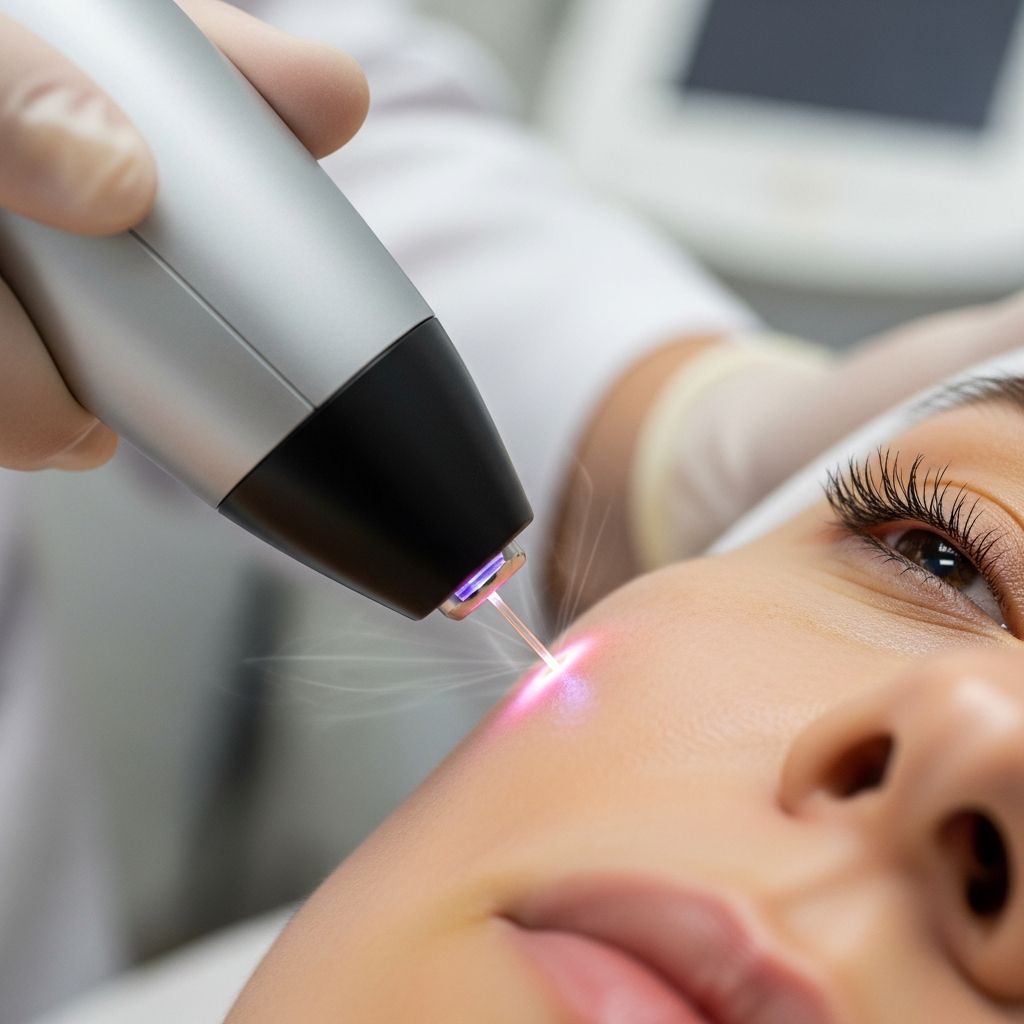
Laser Skin Resurfacing: A Comprehensive Guide to Skin Rejuvenation
Laser skin resurfacing is a popular cosmetic procedure that harnesses the power of concentrated beams of light to dramatically improve your skin’s appearance and texture. This advanced treatment removes damaged outer layers of skin while stimulating the production of new collagen in deeper layers, resulting in a smoother, firmer, and more youthful complexion. Whether you’re concerned about fine lines, wrinkles, acne scars, or uneven pigmentation, laser skin resurfacing offers a precise and effective solution tailored to your specific skin concerns and type.
Understanding Laser Skin Resurfacing
What Is Laser Skin Resurfacing?
Laser skin resurfacing, also known as lasabrasion, laser peel, or laser vaporization, is a non-invasive cosmetic treatment that uses laser technology to rejuvenate facial skin. The procedure works by directing short, concentrated, and pulsating beams of light at areas of irregular skin texture and appearance. These powerful laser beams penetrate multiple layers of skin, precisely removing the outer epidermis layer and gently heating the underlying dermis to stimulate natural collagen production.
The process is highly controlled and customizable, allowing your dermatologist to target specific problem areas such as fine lines around the eyes, forehead wrinkles, mouth creases, acne scarring, age spots, freckles, sunspots, and areas of uneven pigmentation. By vaporizing damaged skin layer-by-layer with precision, the treatment reveals fresher, healthier skin beneath while triggering the skin’s natural healing response to produce new collagen fibers. This results in skin that appears noticeably smoother, tighter, and more rejuvenated.
How Laser Skin Resurfacing Works
The mechanism behind laser skin resurfacing involves two primary actions occurring simultaneously. First, the laser removes the outer damaged layers of your epidermis, effectively eliminating age spots, pigmentation irregularities, and surface-level imperfections. Second, the laser’s heat penetrates deeper into the dermis, stimulating fibroblasts—the cells responsible for producing collagen—to create new collagen fibers. This dual-action approach not only addresses visible skin damage but also promotes the skin’s intrinsic rejuvenation process, leading to improvements that continue to develop over several weeks and months as the skin naturally remodels itself.
The Laser Skin Resurfacing Procedure
What to Expect During Treatment
Laser skin resurfacing is typically performed as an outpatient procedure, meaning you can return home the same day. The treatment is usually conducted in the office setting with topical and local anesthesia to keep you comfortable throughout the process. Your surgeon will discuss all aspects of the procedure, including risks and benefits, during your initial consultation to ensure you feel confident and prepared.
During the procedure, your dermatologist or cosmetic surgeon uses precise laser technology to direct concentrated beams of light at areas of concern on your face. The laser carefully treats problem areas such as fine lines and wrinkles around the eyes, forehead, and mouth, as well as regions affected by acne scarring and pigmentation issues. Most patients experience very little discomfort during treatment, as the combination of topical numbing cream, surface cooling, and local anesthesia effectively manages any sensation. The procedure typically takes approximately one hour to complete.
Related Stories



Duration and Timeline
The length of your laser skin resurfacing treatment depends on the extent of the area being treated. A partial-face laser resurfacing procedure typically takes 30 to 45 minutes, while a full-face treatment generally requires one-and-a-half to two hours. Smaller, targeted treatments may be completed in as little as 10 minutes depending on the specific laser technology used and the depth of resurfacing required.
Types of Laser Resurfacing Technology
Modern cosmetic practices offer several advanced laser systems, each with unique capabilities and benefits. Understanding the differences can help you determine which technology may be best suited for your individual skin concerns.
Fraxel Repair
The Fraxel Repair is a fractional ablative CO2 laser that represents a revolutionary advancement in laser skin resurfacing technology. This system targets damaged, aging skin in the deepest layers and allows it to be replaced with new, healthy skin. One key advantage of Fraxel Repair is that it treats only a small percentage of the total skin area during each session, enabling rapid healing and reducing overall downtime compared to traditional ablative lasers. The procedure effectively improves the appearance of fine lines, wrinkles, age spots, and both surgical and acne scars while enhancing your overall skin texture, color, and tone while simultaneously providing skin tightening benefits.
Fraxel Dual
The Fraxel Dual system offers versatility through its two distinct wavelengths, allowing your skin to be treated with a single device. The 1927 nanometer wavelength addresses superficial skin concerns, effectively improving sun-induced freckles, melasma, hyperpigmentation, age spots, and shallow wrinkles. This wavelength is safe for all skin types, making it an excellent option for patients with diverse skin tones and sensitivities.
The 1550 nanometer wavelength penetrates deeper into the skin to address more significant concerns, including overall skin color and tone irregularities, wrinkles, and both surgical and acne scars. Like other fractional laser systems, the Fraxel Dual treats only 15 to 25 percent of the total skin surface per treatment, allowing for rapid healing and minimal downtime. Most patients require four to six treatment sessions spaced several weeks apart to achieve optimal, long-lasting results.
UltraClear®
The UltraClear® is an erbium-doped fluoride fiber laser featuring a platform with four distinct treatment modalities, making it exceptionally versatile. This advanced system can provide light to deep resurfacing capabilities and effectively treats wrinkles, scars (including acne-related scars), benign pigmented lesions, unwanted pigmentation, enlarged pores, and stimulates collagen remodeling. Many treatment options with UltraClear® can be completed in as little as 10 minutes and often don’t require numbing medications, making it an excellent choice for patients seeking convenient yet effective treatments.
SmartSkin®
SmartSkin® is a fractional resurfacing CO2 laser designed to tighten and improve the texture of your skin. This technology delivers tiny laser pulses into the skin, creating columns of heated tissue that are subsequently replaced by normal, healthy tissue. The result is noticeably smoother, more youthful, and healthier-looking skin with improved firmness and texture. SmartSkin® can be customized for each individual patient to address specific skin concerns and can be adjusted to be more or less aggressive depending on your particular needs and desired recovery time.
Cynosure Affirm®
The Cynosure Affirm® represents a non-ablative resurfacing laser option that improves skin texture and the appearance of scars and overall skin quality. Unlike ablative lasers that remove the skin’s surface, this non-ablative system doesn’t break the surface of your skin but instead delivers focused heat to the deeper layers. This approach enables rapid recovery while still providing meaningful improvement in overall texture and providing skin tightening benefits without extensive downtime.
Benefits of Laser Skin Resurfacing
Laser skin resurfacing offers numerous benefits for those seeking to improve their skin’s appearance and address various cosmetic concerns:
Wrinkle and Fine Line Reduction: By stimulating collagen production and removing damaged outer skin layers, laser resurfacing effectively reduces the appearance of fine lines and wrinkles, particularly around the eyes, forehead, and mouth.
Scar Appearance Improvement: Both acne scars and surgical scars become less noticeable as the laser stimulates skin remodeling and collagen regeneration, gradually softening and minimizing scar visibility.
Even Pigmentation: The treatment addresses age spots, freckles, sunspots, melasma, and other forms of hyperpigmentation, resulting in more even and radiant skin tone.
Skin Tightening: The collagen stimulation and tissue remodeling provide natural skin tightening, enhancing facial contours and reducing skin laxity.
Enhanced Skin Texture: Laser resurfacing refines skin texture, minimizes enlarged pores, and creates a smoother, more polished complexion.
Removal of Benign Lesions: Certain laser systems can effectively remove benign growths such as warts and birthmarks.
Recovery and Aftercare
What to Expect After Treatment
Following your laser skin resurfacing procedure, a layer of protective ointment is applied to your face. A non-stick dressing is applied to the treatment sites for the first 24 hours to protect the newly treated skin. You should expect between three to seven days of downtime, during which your skin will be healing and showing visible signs of the treatment.
Post-Treatment Wound Care
Proper aftercare is essential for optimal healing and results. You may be instructed to clean the treated areas two to five times daily with saline solution or a dilute vinegar solution. Following cleansing, apply a protective moisturizer such as Vaseline®, Eucerin®, or Aquaphor® to keep the area moist and protected. This wound care protocol is specifically designed to prevent scab formation, which can increase scarring risk and prolong healing time. Most patients require only topical pain management rather than prescription pain medication.
Progressive Results
While many patients notice visible improvements after a single treatment session, the full benefits of laser skin resurfacing continue to develop over several months. As your skin naturally remodels and new collagen is produced, fine lines gradually soften, acne scars diminish, and uneven pigmentation becomes progressively less noticeable. This natural progression supports ongoing skin rejuvenation and helps your skin regain a smoother, more balanced appearance over time.
Maintaining Your Results
Long-Term Care and Sun Protection
Maintaining the results of your laser skin resurfacing treatment requires consistent sun protection and ongoing skin care. Daily use of broad-spectrum sunscreen with an appropriate sun protection factor (SPF) is essential for preserving the effects of your treatment and preventing new sun damage. Regular follow-up appointments with your cosmetic surgeon allow for treatment plan adjustments and ensure your skin is healing optimally. Many patients benefit from combining their laser resurfacing with medical-grade skincare products to extend the treatment effects and support ongoing skin health and rejuvenation.
Combining Treatments
For enhanced results, laser skin resurfacing can be combined with other cosmetic procedures and medical-grade skincare treatments. Your surgeon may recommend a customized treatment plan that combines fractional CO2 laser resurfacing with other modalities to address your specific skin concerns comprehensively. This integrated approach helps achieve targeted results that enhance overall skin quality while maintaining a natural and balanced appearance.
Personalized Treatment Planning
Every individual has unique skin characteristics and cosmetic goals. During your consultation, your dermatologist or cosmetic surgeon will carefully evaluate your skin type, texture, and specific concerns before recommending the most suitable approach. Expert practitioners consider your natural skin color and type to determine the treatment best suited for you and to minimize the risk of developing additional pigmentation changes or whitening of the skin. Your treatment plan will be designed to deliver measurable improvements while maintaining natural-looking results that enhance your unique features.
Frequently Asked Questions About Laser Skin Resurfacing
Q: Is laser skin resurfacing painful?
A: Most patients experience very little discomfort during laser skin resurfacing. The procedure uses topical numbing cream, surface cooling, and local anesthesia to ensure your comfort throughout the treatment.
Q: How many treatments do I need?
A: The number of treatments varies depending on your skin concerns and the specific laser technology used. Some patients see significant results after one treatment, while others may require four to six sessions spaced several weeks apart for optimal results.
Q: Can laser skin resurfacing be combined with other procedures?
A: Yes, laser skin resurfacing can be combined with other surgical procedures including neck lift, facelift, rhinoplasty, revision rhinoplasty, and eyelid surgery for comprehensive facial rejuvenation.
Q: How long do the results last?
A: Results are long-lasting, particularly when combined with proper sun protection and skincare maintenance. Consistent use of broad-spectrum sunscreen and regular follow-up treatments help preserve the benefits of your laser resurfacing.
Q: What is the recovery time?
A: Most patients experience three to seven days of downtime following laser skin resurfacing. However, full results continue to improve over several weeks and months as collagen remodeling progresses.
Q: Is laser skin resurfacing suitable for all skin types?
A: Modern laser technology offers options suitable for various skin types. Your dermatologist will select the appropriate laser system for your individual skin tone and characteristics to minimize risks and optimize results.
Q: Are there any side effects?
A: Temporary side effects may include redness, mild swelling, and sensitivity immediately following treatment. Your surgeon will discuss potential risks and benefits during your consultation and provide comprehensive aftercare instructions to minimize any complications.
Choosing an Expert Provider
When considering laser skin resurfacing, it’s crucial to choose a qualified and experienced provider. Look for a surgeon with documented training and expertise in laser surgery who can assess your specific needs, explain treatment options thoroughly, and provide personalized care throughout your entire treatment journey. Expert practitioners combine advanced laser technology with clinical experience to deliver safe, effective results that enhance your natural beauty and boost your confidence.
References
- Laser Resurfacing – Cosmetic Procedures — Cleveland Clinic. 2024. https://my.clevelandclinic.org/cosmetic-plastic-surgery/procedures/laser-treatments
- Laser Skin Resurfacing — Cleveland Clinic. 2024. https://my.clevelandclinic.org/health/treatments/11015-laser-skin-resurfacing
- Carbon Dioxide Laser Resurfacing — Cleveland Clinic. 2024. https://my.clevelandclinic.org/health/treatments/8314-carbon-dioxide-laser-resurfacing
- Reveal Radiant Skin with Pixel Perfect® Skin Resurfacing — Cleveland Cosmetic Surgery. 2024. https://clevelandcosmeticsurgery.com/laser-treatments/reveal-radiant-skin-with-pixel-perfect-skin-resurfacing/
Similar Articles








Read full bio of Sneha Tete