Laser Skin Resurfacing: Treatment, Benefits & Results
Discover how laser skin resurfacing reduces wrinkles, scars, and age spots for rejuvenated skin.
Understanding Laser Skin Resurfacing
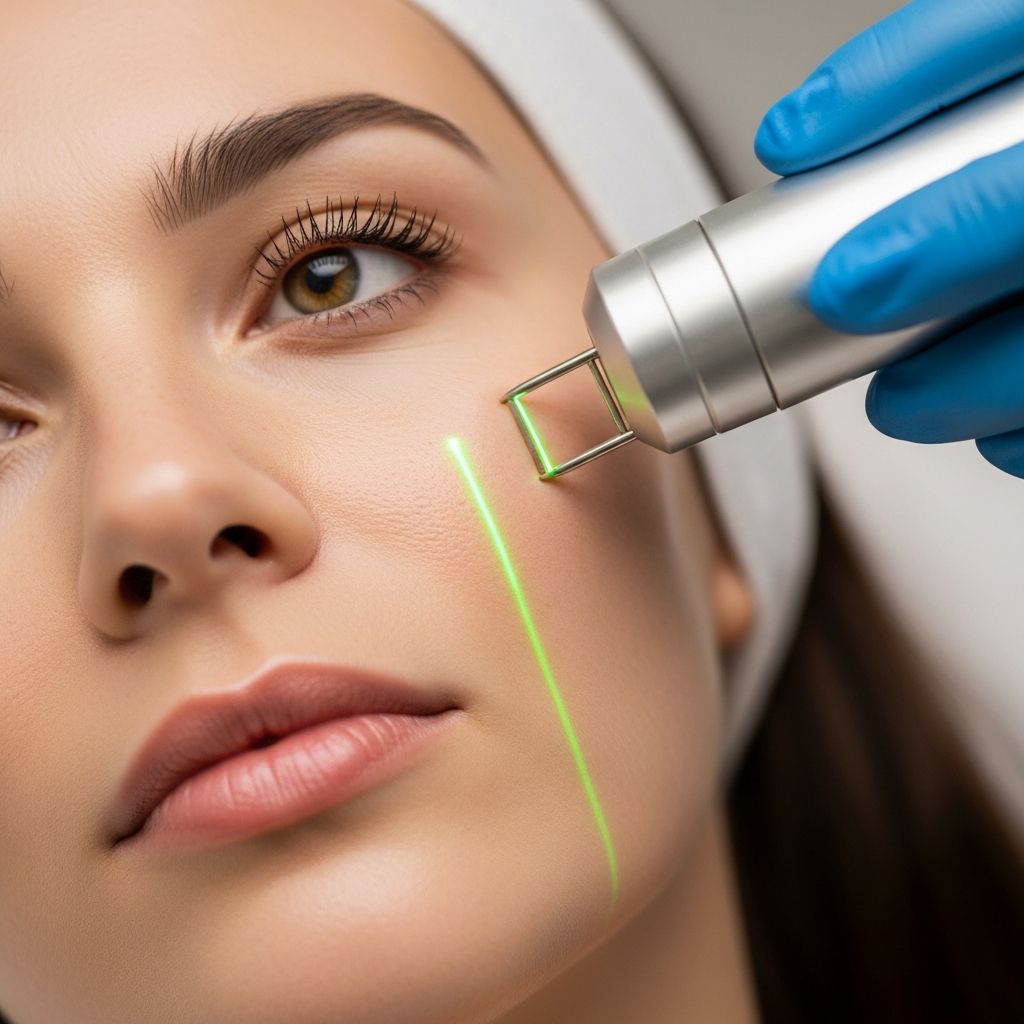
Laser skin resurfacing is an advanced dermatological treatment that uses focused laser energy to improve the appearance and texture of your skin. This minimally invasive procedure works by carefully removing the damaged outer layers of skin, revealing the healthier, younger-looking skin beneath. The treatment has become increasingly popular among individuals seeking to address signs of aging, sun damage, and various skin imperfections without undergoing invasive surgical procedures.
The technology behind laser skin resurfacing has evolved significantly over the past decades, with fractional laser systems now allowing dermatologists to precisely control the depth of treatment and the intensity of the laser energy applied. This precision enables customized treatments tailored to each patient’s specific skin condition and desired outcomes.
How Laser Skin Resurfacing Works
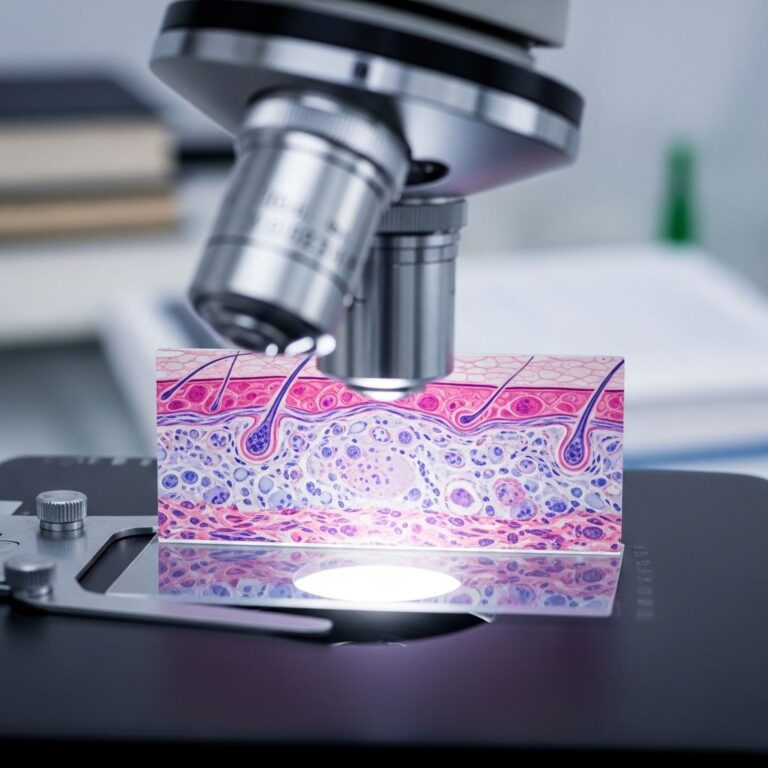
Laser skin resurfacing operates through a sophisticated mechanism that harnesses the body’s natural healing response. When laser energy is applied to the skin in short, controlled bursts across the skin’s surface, it creates micro-injuries that trigger the skin’s repair mechanisms. This process stimulates increased collagen production, which is essential for maintaining skin elasticity and firmness.
Recent research from Johns Hopkins has revealed the molecular pathway behind laser skin resurfacing’s effectiveness. Scientists discovered that laser treatments activate genes involved in sensing double-stranded RNA (dsRNA) molecules, which in turn increases the production of retinoic acid within skin cells—a natural compound already known to reduce wrinkles and sun spots. This understanding confirms that laser resurfacing and prescription retinoid treatments work through similar biological pathways, explaining why both have been so successful in treating premature skin aging.
The fractional laser technology divides the laser beam into thousands of microscopic treatment zones, leaving untreated skin between the treated areas. This approach allows for faster healing compared to traditional full-field laser resurfacing while still delivering impressive results.
Conditions Treated by Laser Skin Resurfacing
Laser skin resurfacing addresses a wide range of skin concerns, making it a versatile treatment option for various cosmetic and medical needs:
- Fine lines and wrinkles: The treatment effectively reduces facial wrinkles and expression lines, particularly around the eyes, forehead, and mouth.
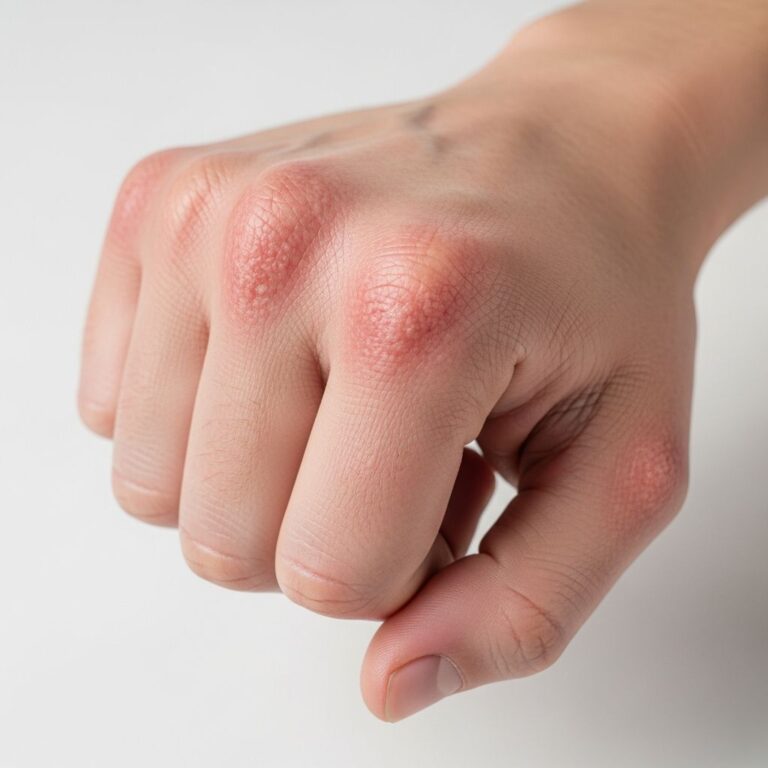
- Age spots: Also called liver spots or sun spots, these are areas of dark pigmentation that develop due to prolonged sun exposure. Laser energy targets and removes the darkened cells, revealing clearer skin underneath.
- Acne scars: The laser can smooth and reduce the appearance of both superficial and deeper acne scarring by promoting collagen remodeling.
- Brown spots and hyperpigmentation: Various types of brown spots and uneven skin tone can be effectively treated through targeted laser therapy.
- Sun damage and photoaging: Cumulative sun exposure causes premature aging; laser resurfacing reverses many of these effects.
- Texture irregularities: The treatment improves overall skin texture and smoothness by removing damaged surface layers.
- Hand rejuvenation: Hands often show signs of aging; laser resurfacing can treat age spots and improve skin texture on hands.
Types of Laser Skin Resurfacing
Fractional Laser Resurfacing
Fractional laser resurfacing is the most commonly used approach in modern dermatology. This technology treats only a fraction of the skin’s surface at a time, leaving islands of untreated skin intact. This approach significantly reduces downtime and recovery compared to traditional ablative lasers while still delivering substantial improvements in skin appearance. Fractional systems can be adjusted to treat different depths within the dermis, allowing for customizable treatment intensity based on the specific skin condition and patient goals.
Ablative vs. Non-Ablative Lasers
Ablative laser resurfacing removes the outer layer of skin (epidermis) and heats the underlying dermis, promoting collagen remodeling. Non-ablative lasers work beneath the skin surface without removing the epidermis, making them less aggressive but requiring more frequent treatments. Most modern practices utilize fractional ablative or fractional non-ablative technologies, which balance effectiveness with recovery time.
Related Stories



Key Benefits of Laser Skin Resurfacing
Laser skin resurfacing offers numerous advantages that make it an attractive option for skin rejuvenation:
- Minimal downtime: Unlike traditional surgical procedures, most laser resurfacing treatments require little to no downtime, allowing patients to return to normal activities quickly.
- No scarring: The precise nature of modern laser technology and the skin’s natural healing response prevent scarring when performed by qualified professionals.
- Quick treatment duration: Most sessions take less than one hour, making it convenient for busy individuals.
- Visible results: Patients often notice improvements in skin texture and appearance relatively quickly after treatment.
- Long-lasting effects: The collagen remodeling stimulated by laser treatment produces results that continue to improve for several months post-treatment.
- Versatility: A single treatment modality can address multiple skin concerns in one session.
- Customizable intensity: Treatment parameters can be adjusted to match each patient’s skin type and condition.
What to Expect During Treatment
Understanding the treatment experience helps patients prepare mentally and physically for their laser skin resurfacing appointment.
Pre-Treatment Preparation
Before undergoing laser skin resurfacing, patients should avoid sun exposure and discontinue certain medications or supplements that increase bleeding risk. Your dermatologist will provide specific pre-treatment instructions based on your individual health status and the type of laser being used.
During the Procedure
The treatment area will be cleansed thoroughly, and protective eyewear will be provided. Your dermatologist will test the laser on a small area first to ensure proper settings. The laser is then applied in short bursts across the treatment area. Most patients describe the sensation as warm with mild discomfort, though numbing agents or topical anesthesia can be applied beforehand. The procedure typically takes 20 to 60 minutes depending on the area being treated.
Immediate Aftercare
Immediately following treatment, the skin may appear red and swollen, similar to a sunburn. This is a normal part of the healing process. Your provider will apply cooling treatments and may prescribe specific skincare products to promote healing and reduce inflammation.
Recovery and Downtime
One of the primary advantages of fractional laser resurfacing is minimal recovery time compared to other skin resurfacing methods. Most patients experience mild redness and swelling that diminishes within a few days. Some peeling may occur as the damaged skin cells naturally shed, revealing fresh skin underneath.
Complete recovery varies based on treatment intensity and individual healing rates but generally ranges from three to ten days for fractional treatments. Patients can typically resume normal activities within 24 to 48 hours, though sun protection and gentle skincare are essential during recovery. Makeup can usually be applied after a few days once any open areas have healed.
Avoiding sun exposure is critical during the recovery period, as newly treated skin is particularly vulnerable to UV damage. A broad-spectrum sunscreen with SPF 30 or higher should be applied daily for at least several weeks post-treatment.
Number of Treatments Required
The number of laser skin resurfacing sessions needed depends on several factors, including the specific skin condition being treated, the severity of damage, the patient’s skin type, and desired results.
| Condition | Typical Treatment Sessions | Time Between Sessions |
|---|---|---|
| Fine lines and minor wrinkles | 1-2 | 4-6 weeks |
| Moderate sun damage | 2-3 | 4-6 weeks |
| Acne scars | 3-5 | 4-6 weeks |
| Deep scars | 4-6 | 4-6 weeks |
| Extensive photoaging | 2-3 | 4-6 weeks |
For minor discoloration or skin tightening, one or two treatments may be sufficient to achieve desired results. However, for thicker scars or more extensive damage, multiple treatments spaced four to six weeks apart may be necessary. Patients often see noticeable improvements even after the first session, with continued improvement as collagen remodeling continues over subsequent months.
Results and Long-Term Outcomes
Most patients see visible improvement in skin texture and appearance within the first week after treatment. However, the most dramatic results typically become apparent over several months as collagen remodeling continues and new collagen fibers form.
Results from laser skin resurfacing can last several years, though the longevity depends on individual factors such as age, sun exposure, lifestyle, and genetic predisposition to aging. Maintenance treatments may be recommended annually or as needed to sustain optimal results. The cumulative effects of laser resurfacing can provide long-lasting skin rejuvenation when combined with appropriate sun protection and skincare practices.
Complementary Treatment Options
While laser skin resurfacing is highly effective, dermatologists sometimes combine it with other treatments to achieve optimal results. These complementary options include:
- Dermal fillers: Used to address volume loss and deeper wrinkles that laser resurfacing alone cannot fully correct.
- Topical retinoids: Applied post-treatment to enhance collagen production and skin renewal, working synergistically with laser therapy through the same molecular pathways.
- Microneedling: Another collagen-induction therapy that can be combined with laser treatments for enhanced results.
- Chemical peels: Can be used before or after laser treatment to address specific skin concerns.
Who Is a Good Candidate
Laser skin resurfacing is suitable for most adults seeking to improve skin appearance, though some considerations apply. Ideal candidates are those with specific skin concerns such as wrinkles, age spots, or scars and have realistic expectations about results. The treatment works best on lighter skin types, though modern laser technology has expanded options for individuals with darker skin.
Individuals with certain medical conditions, active infections, or those taking specific medications may not be suitable candidates. Pregnant women are typically advised to postpone treatment. A consultation with a qualified dermatologist will determine candidacy and establish a personalized treatment plan.
Potential Side Effects and Risks
Laser skin resurfacing is generally safe when performed by experienced dermatologists, but potential side effects include temporary redness, swelling, and mild discomfort. These typically resolve within days. Less common side effects may include temporary hyperpigmentation or hypopigmentation, particularly in individuals with darker skin types.
Serious complications are rare but can include infection or scarring if aftercare instructions are not followed properly. Choosing a board-certified dermatologist with extensive experience in laser treatments significantly minimizes these risks.
Frequently Asked Questions
Q: How much does laser skin resurfacing cost?
A: Costs vary depending on the treatment area, laser type, and number of sessions required. A consultation with your dermatologist will provide a customized cost estimate based on your specific needs and treatment plan.
Q: Is laser skin resurfacing painful?
A: Most patients experience minimal discomfort, describing the sensation as warm with mild tingling. Numbing cream or anesthesia can be applied to minimize any discomfort during treatment.
Q: Can laser skin resurfacing be used on the body?
A: Yes, while commonly performed on the face, laser resurfacing can treat other body areas including the neck, décolletage, hands, and other regions showing signs of aging or sun damage.
Q: How long do results last?
A: Results typically last several years. However, maintenance treatments may be recommended annually to sustain optimal appearance, particularly if there is continued sun exposure.
Q: Can laser skin resurfacing treat all types of scars?
A: Laser resurfacing works well on acne scars and surface irregularities. Deep surgical scars may require multiple sessions or combination treatments with other modalities for optimal results.
Q: What is the difference between laser resurfacing and a laser peel?
A: A laser peel is a specific type of laser resurfacing treatment focused primarily on superficial skin concerns like fine lines and minor discoloration, typically requiring minimal downtime.
References
- Laser Skin Resurfacing: Fractional Technology and Clinical Applications — Johns Hopkins Dermatology. 2024. https://www.hopkinsmedicine.org/health/treatment-tests-and-therapies/laser-skin-resurfacing
- Loose RNA Molecules Rejuvenate Skin: Understanding the Molecular Pathway of Laser Treatments — Luis Garza, M.D., Ph.D., Johns Hopkins University School of Medicine. Published in Nature Communications, 2023. https://ventures.jhu.edu/news/skin-rejuvenation-rna-luis-garza/
- Laser Skin Treatment FAQ: Clinical Insights from Johns Hopkins Facial Plastic Surgery — Lisa Ishii, M.D., Facial Plastic and Reconstructive Surgeon. Johns Hopkins Medicine. June 2023. https://www.hopkinsmedicine.org/otolaryngology/specialty_areas/facial-plastic-reconstructive/cosmetic/aesthetic-medicine-center.html
Similar Articles








Read full bio of Sneha Tete