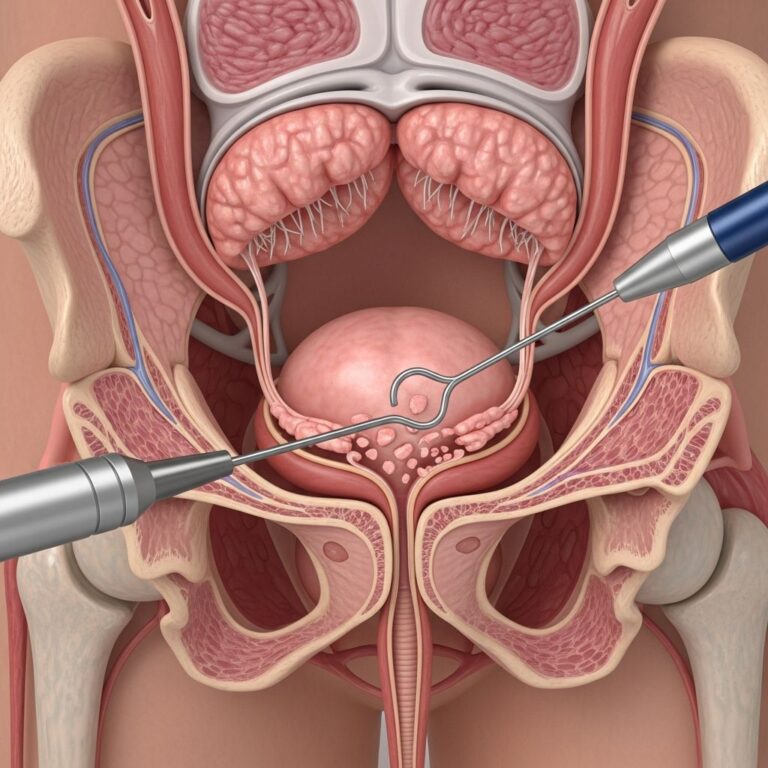
Laser Surgery Overview: Types, Uses, and Safety
Discover how laser surgery is transforming medical treatments for skin, eyes, and more.

What Is Laser Surgery?
Laser surgery is a medical procedure that uses focused light beams to cut, remove, or reshape tissue. The term ”laser” stands for Light Amplification by Stimulated Emission of Radiation. Lasers are used in a wide range of medical specialties, including dermatology, ophthalmology, oncology, and cosmetic surgery. The precision and control offered by lasers make them ideal for delicate procedures where minimizing damage to surrounding tissue is critical.
Types of Lasers Used in Surgery
There are several types of lasers, each with unique properties that make them suitable for specific medical applications. The most common types include:
- Carbon Dioxide (CO2) Laser: Used for cutting and vaporizing tissue, commonly in skin resurfacing and removing warts or tumors.
- Argon Laser: Used in eye surgery and for treating vascular lesions due to its ability to target blood vessels.
- Neodymium:YAG (Nd:YAG) Laser: Penetrates deeper into tissue, making it useful for procedures like prostate surgery and some types of cancer treatment.
- Excimer Laser: Used in eye surgery, such as LASIK, to reshape the cornea.
- Pulsed Dye Laser: Targets blood vessels and is often used for treating birthmarks and vascular lesions.
- Diode Laser: Used for hair removal, skin resurfacing, and some dental procedures.
Medical Uses of Laser Surgery
Laser surgery is used to treat a wide variety of medical conditions. Some of the most common applications include:
- Skin Conditions: Lasers can treat acne scars, wrinkles, birthmarks, tattoos, and unwanted hair. They are also used for skin resurfacing to improve texture and tone.
- Eye Surgery: LASIK and PRK use lasers to correct vision problems like nearsightedness, farsightedness, and astigmatism.
- Cancer Treatment: Lasers can be used to shrink or destroy tumors, especially in areas like the skin, cervix, and esophagus.
- Dental Procedures: Lasers are used for gum reshaping, cavity removal, and treating gum disease.
- ENT (Ear, Nose, and Throat) Surgery: Lasers are used to remove tumors, correct vocal cord issues, and treat sleep apnea.
- General Surgery: Lasers can be used for cutting and sealing blood vessels, reducing bleeding during surgery.
Benefits of Laser Surgery
Laser surgery offers several advantages over traditional surgical methods:
- Precision: Lasers allow for highly accurate targeting of tissue, minimizing damage to surrounding areas.
- Reduced Bleeding: Lasers can seal blood vessels as they cut, leading to less bleeding during and after surgery.
- Less Pain: Many laser procedures are less painful than traditional surgery, and patients often require less anesthesia.
- Faster Recovery: Because lasers cause less tissue damage, recovery times are often shorter.
- Lower Risk of Infection: The heat from the laser sterilizes the area, reducing the risk of infection.
Risks and Complications
While laser surgery is generally safe, there are some risks and potential complications:
- Scarring: Some laser procedures can cause scarring, especially if not performed correctly.
- Infection: Although the risk is lower than with traditional surgery, infection is still possible.
- Bleeding: While lasers reduce bleeding, it can still occur, especially in deeper procedures.
- Changes in Skin Color: Some patients may experience changes in skin pigmentation after laser treatment.
- Pain and Swelling: Mild pain and swelling are common after laser surgery, but severe pain is rare.
- Eye Damage: If proper eye protection is not used, laser surgery can cause eye injury.
Preparing for Laser Surgery
Preparation for laser surgery depends on the type of procedure and the area being treated. General steps may include:
Related Stories



- Consultation: Meet with your healthcare provider to discuss your medical history, expectations, and any concerns.
- Medical Evaluation: You may need blood tests or other evaluations to ensure you are a good candidate for laser surgery.
- Medication Review: Inform your provider about any medications you are taking, as some may need to be stopped before surgery.
- Smoking Cessation: If you smoke, you may be advised to quit before surgery to reduce the risk of complications.
- Follow Instructions: Follow any specific instructions provided by your healthcare team, such as fasting before surgery or avoiding certain skincare products.
What to Expect During Laser Surgery
The experience of laser surgery varies depending on the procedure, but most laser surgeries are outpatient procedures. Here’s what you can generally expect:
- Anesthesia: Local anesthesia is often used to numb the area being treated. For more extensive procedures, sedation or general anesthesia may be used.
- Procedure: The laser is directed at the target tissue, and the procedure may take anywhere from a few minutes to an hour, depending on the complexity.
- Monitoring: Your vital signs will be monitored throughout the procedure.
- Recovery: After the procedure, you may be observed for a short time before being discharged.
Recovery After Laser Surgery
Recovery after laser surgery is typically faster than with traditional surgery, but it still requires care. General recovery tips include:
- Rest: Take it easy for the first few days after surgery.
- Wound Care: Follow your provider’s instructions for cleaning and caring for the treated area.
- Medications: Take any prescribed medications as directed.
- Follow-Up: Attend all follow-up appointments to monitor your progress.
- Avoid Sun Exposure: Protect the treated area from the sun to prevent complications.
FAQs About Laser Surgery
What types of skin problems does laser surgery treat?
Laser surgery can treat a wide range of skin problems, including fine lines and wrinkles, discoloration, scars, birthmarks, tattoos, and unwanted hair.
Can multiple types of laser treatments be combined in one session?
Yes, multiple types of laser treatments can often be combined in one session to address different skin concerns, such as discoloration and skin tightening.
How many treatments are needed to see improvement?
The number of treatments needed varies depending on the skin condition and type of skin. For minor issues, one or two treatments may be sufficient, while more severe conditions may require several sessions.
Will my face look red and puffy after laser treatment?
It is common to experience some redness and puffiness after laser treatment. The duration and severity depend on the type of laser and the skin condition being treated.
Are there reasons why laser surgery may not be right for me?
Yes, there are cases where other treatments may be more appropriate. Factors such as skin type, medical history, and the specific condition being treated will influence the best treatment option.
Choosing the Right Laser Surgery Provider
It is important to choose a qualified and experienced provider for laser surgery. Consider the following when selecting a provider:
- Credentials: Ensure the provider is board-certified and has experience with the specific type of laser surgery you need.
- Facility: The procedure should be performed in a licensed medical facility.
- Consultation: A thorough consultation should be provided to discuss your goals, risks, and expectations.
- Reviews: Read reviews and ask for before-and-after photos to assess the provider’s results.
Conclusion
Laser surgery is a versatile and effective treatment option for a wide range of medical conditions. Its precision, reduced risk of complications, and faster recovery times make it an attractive choice for many patients. However, it is important to understand the risks and benefits and to choose a qualified provider to ensure the best possible outcome.
References
- Laser Surgery Overview — Johns Hopkins Medicine. 2023. https://www.hopkinsmedicine.org/health/treatment-tests-and-therapies/laser-surgery-overview
- Laser Skin Treatment | FAQ — Johns Hopkins Medicine. 2023. https://www.youtube.com/watch?v=vI4zKTYJwoE
- Types of Lasers in Medicine — National Institutes of Health. 2022. https://www.ncbi.nlm.nih.gov/books/NBK558944/
Similar Articles








Read full bio of Sneha Tete