Lasers in Dermatology: Uses, Types, and Benefits
Comprehensive guide to laser treatments in dermatology for skin rejuvenation and condition management.
Lasers in Dermatology: A Comprehensive Overview
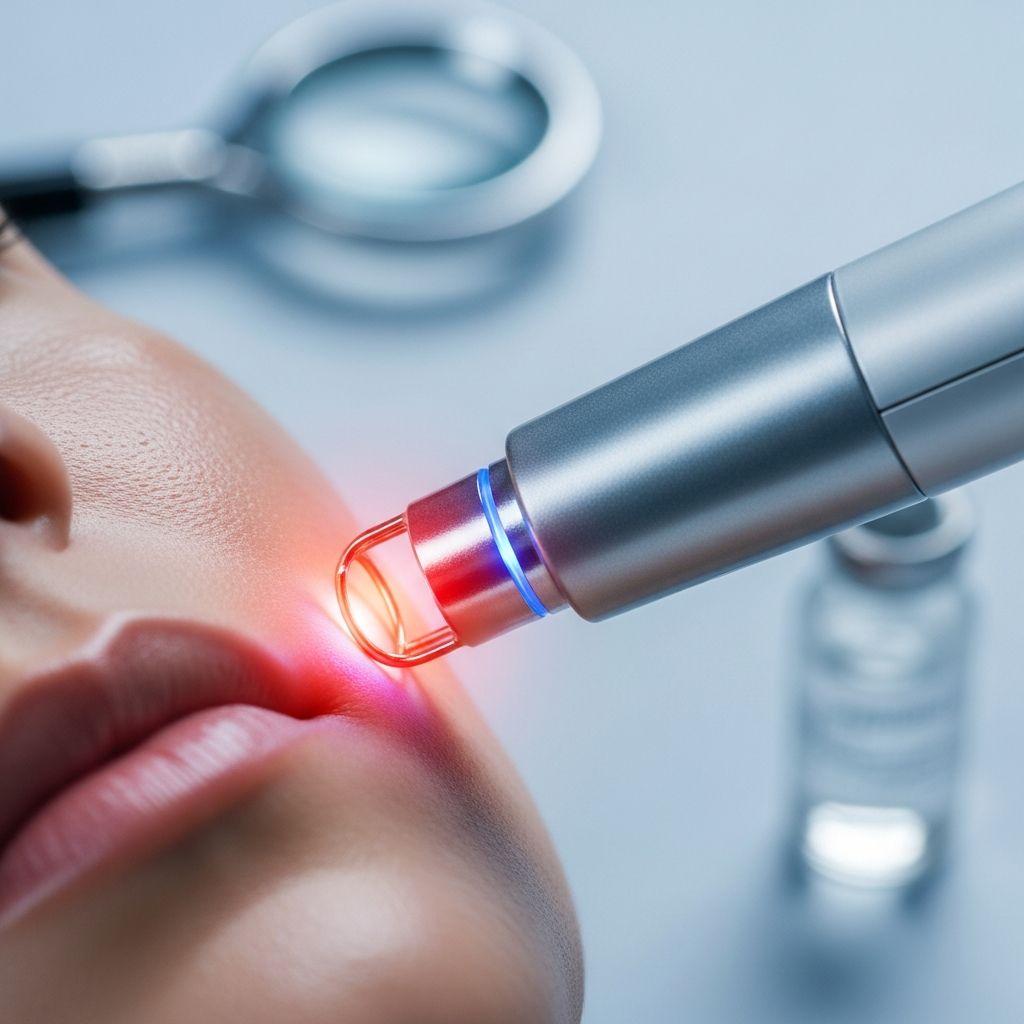
Laser treatments have revolutionized modern dermatology, offering precise and effective solutions for a wide variety of skin concerns. These advanced procedures use focused beams of light to target specific skin issues, allowing dermatologists to improve skin tone, texture, and overall appearance while minimizing damage to surrounding healthy tissues. By precisely controlling the intensity and wavelength of the laser, practitioners can effectively treat different layers of the skin, from the epidermis to deeper dermal structures. Over the past two decades, laser technology has evolved significantly, with innovations like fractional lasers delivering more effective results with substantially reduced downtime compared to historical approaches.
What Is Laser Skin Treatment?
Laser skin treatment, also known as laser resurfacing, represents one of the most effective and efficient ways to address common skin concerns. The procedure works by directing concentrated light energy to specific areas of skin, stimulating biological responses that improve appearance and skin health. The controlled heat energy from lasers stimulates collagen production, resulting in firmer and smoother skin over time. This makes laser skin rejuvenation a popular choice for individuals seeking a more youthful and radiant complexion with minimal downtime.
Unlike topical creams, which can be effective for many of the same skin concerns but take considerably longer to work, laser treatments provide rapid and noticeable results. The versatility of laser technology allows dermatologists to customize treatments according to individual skin types, issues, and aesthetic goals, ensuring optimal results for each patient.
Common Skin Conditions Treated with Lasers
Lasers have proven effective for treating numerous dermatological conditions. Ideal candidates for laser treatments generally include people with various skin concerns such as acne, pigmentation issues, wrinkles, rosacea, and vascular lesions, or those wanting to permanently remove hair on their face or body.
Acne and Acne Scars
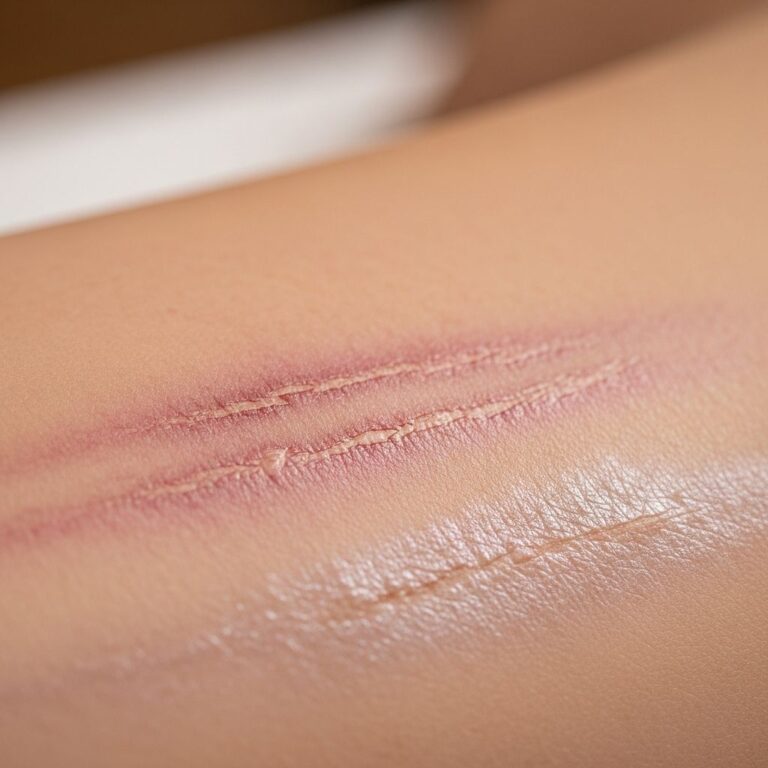
Laser therapy targets acne-causing bacteria and reduces inflammation, helping to clear active acne breakouts and minimize the appearance of scars. Fractional CO2 lasers create tiny controlled wounds in the skin to stimulate collagen production, effectively treating acne scars along with wrinkles and sun damage. Laser treatments can significantly reduce the appearance of acne scars by promoting collagen production and resurfacing the skin, resulting in smoother, clearer complexions.
Pigmentation Issues and Age Spots
Whether caused by sun damage, age spots, or melasma, lasers can lighten skin and remove dark spots, treat unwanted pigmentation, and promote a more even skin tone. Intense Pulsed Light (IPL) and other lasers reduce the visible signs of sun damage, age spots, sun spots, freckles, melasma, and other hyperpigmentations that make individuals look older. The customizable nature of laser treatments allows dermatologists to tailor approaches to different types of pigmentation concerns, ensuring optimal results for each individual.
Wrinkles and Fine Lines
Laser resurfacing stimulates collagen production, which helps smooth wrinkles and improves the skin’s firmness and appearance. These treatments can target signs of aging, such as fine lines, wrinkles, and sun damage, resulting in smoother, younger-looking skin. Fractional laser resurfacing reduces wrinkles by smoothing fine lines and deeper wrinkles for a rejuvenated appearance.
Vascular Lesions and Rosacea
Vascular lasers can effectively treat conditions like spider veins, broken capillaries, and rosacea. Conditions like rosacea, spider veins, and port-wine stains can be effectively treated with laser therapy. Pulsed-dye lasers are ideal for vascular issues like rosacea, port wine stains, and broken blood vessels.
Related Stories



Hair Removal
Laser hair removal offers a long-term solution to unwanted hair, especially among people who are sensitive to shaving or waxing. Lasers can remove hair on the face and different areas of the body with lasting results, providing a long-lasting solution that targets hair follicles and inhibits future growth.
Types of Laser Treatments in Dermatology
A number of different laser treatments exist that can be used to target specific skin issues. Understanding the different types helps patients and practitioners select the most appropriate treatment for individual needs.
Pulsed-Dye Lasers
Pulsed-dye lasers are ideal for vascular issues like rosacea, port wine stains, and broken blood vessels. These lasers work by emitting light pulses that are specifically absorbed by blood vessels and hemoglobin, making them particularly effective for treating vascular conditions. The Vbeam Prima represents a targeted FDA-cleared laser therapy that improves skin appearance and texture, treating various conditions including redness, acne, rosacea, venous lakes, poikiloderma, port wine stains, and spider veins.
Fractional CO2 Lasers
Fractional CO2 lasers create tiny wounds in the skin to stimulate collagen production and treat wrinkles, scars, and sun damage. These ablative lasers are among the most powerful resurfacing tools available, capable of addressing significant skin concerns. Fractional technology divides the laser beam into thousands of microscopic columns, treating only a fraction of the skin at a time while leaving surrounding tissue intact, which reduces recovery time compared to traditional CO2 laser resurfacing.
Intense Pulsed Light (IPL)
Though not technically a laser, IPL treatments address pigmentation issues, redness, and some signs of aging. IPL technology uses broad-spectrum light rather than a single wavelength, making it versatile for treating multiple skin concerns simultaneously. Sciton BBL, technically not a laser but rather a broadband light system, targets uneven pigment concerns like freckles, age spots, small facial veins, and rosacea, while also improving fine lines and wrinkles. Sciton BBL for Acne is an FDA-approved treatment that utilizes light filters to eliminate acne-causing bacteria and reduces inflammation and acne-associated redness.
Picosecond Lasers
Picosecond lasers are effective for tattoo removal and treating certain pigmentation issues. These advanced lasers deliver energy in extremely short bursts measured in picoseconds (trillionths of a second), allowing for precise targeting with minimal thermal damage to surrounding tissue.
Non-Ablative Fractional Lasers
Non-surgical and non-invasive treatments like Fraxel Dual combine the power of fractional laser technology to address skin issues like acne scars, clogged pores, uneven tone, and textured skin. Fraxel Dual is a non-ablative fractional laser that uses microscopic laser columns to penetrate the skin, with two different wavelengths (1550/1927) that can be used separately or together to stimulate collagen production, treating sun damage, aging skin, wrinkles, actinic keratosis, melasma, and acne scars.
Specialty Laser Systems
Advanced dermatology centers offer multifunctional laser systems like Spectrum, which includes a Diode laser for hair removal, an Intense Pulse Light (IPL) for acne reduction and pigmented lesion removal, a Long Pulsed Yag laser for vascular lesions, an Erbium Yag laser for skin resurfacing, and a Q-switched Yag laser with dual wavelengths for tattoo removal.
Benefits of Laser Treatments
Laser treatments in dermatology offer numerous advantages over traditional therapeutic approaches:
- Stimulates collagen production: Laser energy encourages the natural production of collagen, improving skin elasticity and firmness for long-lasting results.
- Removes damaged cells: Lasers effectively eliminate damaged or diseased skin cells while protecting healthy surrounding tissue from harm.
- Destroys hair follicles: Laser technology can target and destroy hair follicles, providing long-term hair removal solutions.
- Minimal downtime: Many modern laser treatments, particularly non-ablative options, require little to no downtime, allowing patients to return to normal activities immediately.
- Precision targeting: Lasers can target specific areas without harming the surrounding skin, making them ideal for localized concerns.
- Versatile application: Laser treatments are suitable for the face, neck, chest, and hands, targeting various skin issues across multiple body areas.
- Customizable treatment: Dermatologists can adjust laser parameters to match individual skin types and specific concerns.
- High patient satisfaction: Evaluations show high levels of patient satisfaction from diverse populations for conditions like melasma and acne scars.
Popular Laser Treatments and Their Applications
Laser Genesis
Laser Genesis is a favorite for its quick and noticeable results, known as a “lunchtime facial” treatment that takes about 15 minutes and leaves skin glowing and refreshed. Using a 1064 nm wavelength, Laser Genesis gently heats the skin to reduce redness and improve collagen production, addressing fine lines and wrinkles. Ideal for those with rosacea or dull skin, this treatment requires no downtime, making it perfect for individuals with busy lifestyles.
Fraxel and Other Fractional Treatments
Fraxel Dual and similar fractional lasers use microscopic laser columns to penetrate skin effectively. These treatments are particularly valuable for addressing sun damage, aging skin, wrinkles, actinic keratosis, melasma, and acne scars with excellent outcomes. The fractional approach allows for customizable treatment intensity and recovery times.
ClearSilk and MOXI Lasers
ClearSilk treatments are sought-after non-ablative laser procedures for wrinkles, age lines, and dull skin, offering visible improvements with minimal recovery time. MOXI and HFL lasers represent the latest advances in laser technology, providing dermatologists with tools to address diverse skin concerns effectively.
Considerations for Darker Skin Types
While laser technology has advanced significantly, it remains important to note that darker skin types continue to be susceptible to adverse effects like post-inflammatory hyperpigmentation. Experienced dermatologists understand these considerations and can select appropriate laser types, wavelengths, and settings to minimize risks while maximizing benefits for patients with darker skin tones. Proper patient selection and customized treatment protocols are essential for achieving optimal outcomes across all skin types.
What to Expect from Laser Treatments
Understanding what to expect before, during, and after laser treatment helps patients prepare appropriately and maintain realistic expectations about results.
Before Your Treatment
Prior to undergoing laser treatment, patients should consult with a dermatologist to determine the best treatment plan for their unique needs and skin type. The dermatologist will assess skin condition, discuss goals, review medical history, and explain the specific laser type that will be used. Patients may be advised to avoid sun exposure, discontinue certain medications, or prepare skin in specific ways before their appointment.
During Treatment
Laser treatments vary in duration depending on the size of the treatment area and the specific laser being used. Many treatments, like Laser Genesis, take only 15 minutes, while more intensive resurfacing procedures may require longer sessions. Patients typically feel a warming or tingling sensation as the laser energy is delivered to the skin. Most modern laser treatments are well-tolerated, though some patients may experience mild discomfort depending on the treatment intensity and their pain tolerance.
After Treatment
Recovery varies significantly based on the type of laser treatment used. Non-ablative treatments typically require no downtime, allowing patients to return to normal activities immediately. Ablative treatments may involve several days of redness, swelling, and peeling as the skin heals and new collagen forms. Results gradually improve over weeks to months as collagen remodeling occurs, with final results typically visible within three to six months of treatment.
Additional Dermatological Applications
Beyond the major skin concerns discussed, lasers can also effectively treat:
- Skin blemishes and growths, including skin tags, moles, warts, and bumps
- Birthmarks and other congenital skin lesions
- Pre-cancerous spots and actinic keratosis
- Skin conditions such as psoriasis, vitiligo, and atopic dermatitis
- Unwanted tattoos through selective photothermolysis
Frequently Asked Questions About Laser Dermatology
Q: Are laser treatments suitable for all skin types?
A: While laser treatments are effective across various skin types, some laser types work better for specific skin tones. Darker skin types may be more susceptible to post-inflammatory hyperpigmentation, so dermatologists carefully select appropriate laser wavelengths and settings. Consultation with an experienced dermatologist ensures safe and effective treatment regardless of skin type.
Q: How long do results from laser treatments last?
A: Results depend on the specific treatment and skin concern. Hair removal results can be long-lasting or permanent, while results for wrinkles and pigmentation may require maintenance treatments annually or as needed. Sun protection is essential to maintain results and prevent new damage.
Q: How much downtime is required after laser treatment?
A: Downtime varies significantly. Non-ablative treatments like Laser Genesis require no downtime, while fractional CO2 lasers may involve several days of visible healing. Most patients experience mild redness that resolves within hours to days depending on treatment intensity.
Q: Can laser treatments be combined with other procedures?
A: Yes, laser treatments can often be combined with other dermatological procedures to address multiple concerns simultaneously. Your dermatologist can recommend appropriate combinations based on your specific goals and skin condition.
Q: Are laser treatments painful?
A: Most modern laser treatments are well-tolerated. Patients typically describe a warming or tingling sensation rather than pain. Numbing creams or local anesthesia may be applied before more intensive treatments to minimize discomfort.
Q: How many laser treatments are needed to see results?
A: The number of treatments varies depending on the condition being treated and the specific laser used. Some conditions respond to a single treatment, while others may require multiple sessions spaced several weeks apart for optimal results.
Conclusion
Laser technology has transformed dermatology into a field offering powerful, precise, and versatile solutions for numerous skin concerns. From acne and scarring to pigmentation issues, wrinkles, vascular lesions, and unwanted hair, lasers provide effective alternatives to traditional treatments with customizable options for individual patient needs. The evolution of laser technology over the past two decades, particularly the development of fractional and non-ablative systems, has made these treatments safer and more accessible while delivering excellent results with minimal downtime. By consulting with an experienced dermatologist, patients can determine the most appropriate laser treatment for their specific concerns and achieve the clear, healthy, rejuvenated skin they desire.
References
- Laser Treatment for Skin: What is it Used For? — Stony Brook Medicine. 2024. https://health.stonybrookmedicine.edu/laser-treatment-for-skin-what-is-it-used-for/
- A comprehensive study of laser use in dermatology — PubMed/National Center for Biotechnology Information. 2024. https://pubmed.ncbi.nlm.nih.gov/40138057/
- Revitalize Your Skin with Laser Treatments: A Comprehensive Guide — John Vine, MD. 2024. https://www.johnvinemd.com/revitalize-your-skin-with-laser-treatments/
- Laser Treatments in Dermatology: Uses, Benefits, and What to Expect — All Dermatology. 2024. https://alldermatology.com/laser-treatements-in-dermatology/
- A Dermatology Guide to Lasers: Why They Are So Great for Your Skin — Skin Cancer Dermatology. 2024. https://skincancerderm.com/a-dermatology-guide-to-lasers-why-they-are-so-great-for-your-skin/
- Different Types of Laser Treatments for Skin and Hair — Pymble Dermatology. 2024. https://pymbledermatology.com.au/cosmetic-dermatology/different-types-of-laser-treatments-for-skin-and-hair/
- Best Cosmetic Laser & Energy Treatments — Advanced Dermatology & Cosmetic Surgery. 2024. https://www.advancedderm.com/services/cosmetic-dermatology/laser-energy-treatments
Similar Articles








Read full bio of medha deb