LASIK Complications: Evidence-Based Guide To Risks & Prevention
Understand the risks, rates, and management of LASIK complications to make informed decisions about vision correction surgery.
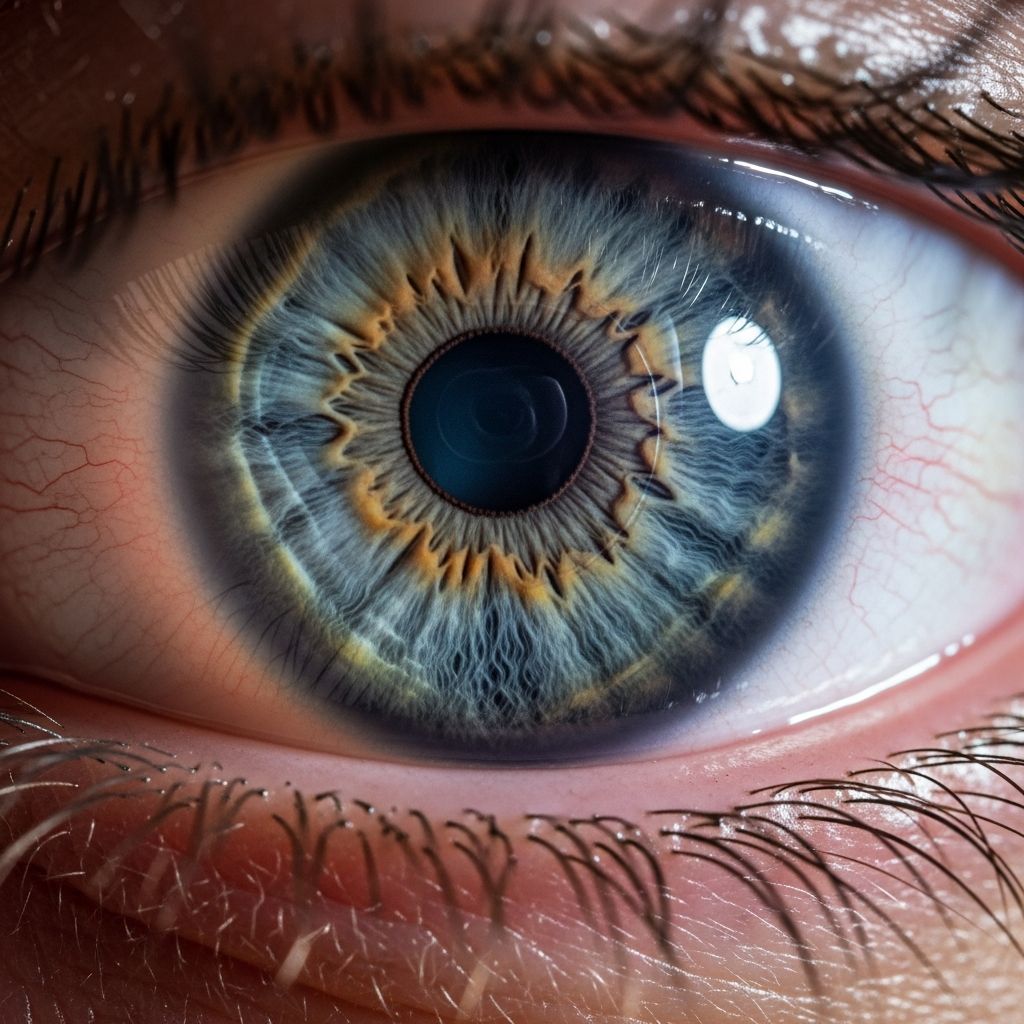
LASIK, or laser-assisted in situ keratomileusis, reshapes the cornea to correct refractive errors like myopia, hyperopia, and astigmatism. While highly effective with success rates over 95%, complications can occur, ranging from temporary discomfort to rare vision-threatening issues. This article examines these risks, drawing from peer-reviewed studies and authoritative guidelines to help patients weigh benefits against potential downsides.
Understanding the LASIK Procedure and Its Inherent Risks
The LASIK process involves creating a thin corneal flap using a microkeratome or femtosecond laser, lifting it to ablate underlying tissue with an excimer laser, then repositioning the flap. This alters corneal curvature for sharper vision. Though precise, the procedure disrupts corneal nerves, alters biomechanics, and introduces surgical variables that can lead to complications. Risk levels depend on patient factors like corneal thickness, prescription strength, and preoperative eye health.
Intraoperative challenges, such as suction loss or decentered ablation, occur infrequently but underscore the need for skilled surgeons and advanced technology. Postoperative healing varies, with most patients achieving 20/20 vision or better, yet up to 1% face serious issues requiring intervention.
Frequent Temporary Side Effects
Many patients experience short-term effects that resolve within weeks to months. These are not true complications but expected responses to surgical trauma.
- Dry Eyes: Disruption of corneal nerves reduces tear production, causing discomfort in 20-40% of cases initially. Known as surgical temporary ocular discomfort syndrome (STODS), it typically improves with lubricating drops. Risk factors include pre-existing dry eye disease (DED) and larger pupils.
- Visual Disturbances: Glare, halos, starbursts, and night vision issues affect 2-43% early on, often due to pupil size mismatch with treatment zone or healing irregularities. Wavefront-optimized lasers minimize these.
- Light Sensitivity and Fluctuating Vision: Common in the first week, these stem from epithelial healing and subside naturally.
Management involves artificial tears, anti-inflammatory drops, and avoiding irritants. Persistent cases may need punctal plugs or medications.
Intraoperative Challenges During LASIK
These occur during surgery and may halt the procedure or necessitate adjustments.
| Complication | Incidence | Risk Factors | Management |
|---|---|---|---|
| Suction Loss | 0.01-1% | Low intraocular pressure, eye movement | Reposition patient, restart suction |
| Free Cap or Buttonhole Flap | <0.5% | Thick epithelium, microkeratome issues | Convert to PRK or manual dissection |
| Decentration/Central Island | 1-5% | Eye tracking failure, debris | Enhancement surgery |
| Epithelial Defect | 0.6-14% | Older age, EBMD, contact lens use | Bandage contact lens, antibiotics |
Femtosecond lasers reduce flap-related errors compared to mechanical microkeratomes.
Early Postoperative Issues
Emerging within days to weeks, these demand prompt attention to prevent escalation.
- Flap Dislocation or Striae: Incidence 0.01-2.5%; trauma like rubbing eyes is a key trigger. Nasal hinges or thin flaps increase risk. Treatment: Lift and irrigate flap, smooth interface.
- Diffuse Lamellar Keratitis (DLK): Inflammatory response (Sands of Sahara) at 1-11%, graded I-IV. Causes: Debris, atopy. Steroids resolve most; severe cases need flap lift.
- Infection (Microbial Keratitis): Rare (1:5000), but vision-threatening. Risk from poor hygiene, immunocompromise. Presents with pain, infiltrate; treated aggressively with fortified antibiotics.
- Epithelial Ingrowth: Cells grow under flap (5-11% in retreats). Risk: EBMD, hyperopia. Monitor; excise if central.
Eye protection and follow-up visits are crucial in this phase.
Late-Onset and Vision-Impacting Complications
These develop months to years post-surgery and may require advanced interventions.
- Refractive Regression or Induced Astigmatism: 5-30% experience >0.25D shift, especially high myopes/hyperopes. Factors: Age, small optical zone, DED. Enhancements correct most.
- Corneal Ectasia: Progressive thinning (0.03-0.6%), mimicking keratoconus. Risks: Thin corneas, high myopia, abnormal topography. Screening via Randleman score prevents many. Treatment: Corneal cross-linking or transplants.
- Persistent Aberrations: Higher-order issues cause chronic halos/glare in large-pupil patients or small zones.
- Posterior Segment Problems: Rare (0.03-0.33%), including retinal detachment from suction stress in myopes.
Risk Factors That Heighten Complications
Not all eyes suit LASIK. Pre-screening identifies vulnerabilities:
Related Stories



- Patient-Related: High prescriptions, thin corneas, ectasia suspects, autoimmune diseases, pregnancy, eye rubbing.
- Surgery-Related: Microkeratome use, small treatment zones, retreats.
- Postop Behaviors: Non-compliance with drops or protection.
Contraindications include unstable refraction, severe DED, keratoconus.
Minimizing Risks: Surgeon and Technology Choices
Select experienced surgeons with high volumes; complication rates drop below 1% in such hands. Modern tools like femtosecond lasers, wavefront analysis, and topography-guided treatments enhance safety. Thorough preoperative exams, including pachymetry and tomography, are non-negotiable.
Patient education on symptoms warranting immediate care—pain, vision loss, redness—prevents escalation.
Overall Safety Profile and Patient Outcomes
Serious, sight-threatening issues affect <1% of patients. Satisfaction exceeds 95%, with Mayo Clinic noting vision loss as very rare. Enhancements resolve residual errors in 10-20%. Long-term data affirm stability for suitable candidates.
Frequently Asked Questions (FAQs)
Is LASIK safe for everyone?
No. Comprehensive screening excludes high-risk cases like thin corneas or unstable prescriptions.
How long do dry eyes last after LASIK?
Most resolve in 3-6 months; chronic DED patients may persist longer.
Can LASIK cause permanent vision loss?
Extremely rare (<0.1%), usually from untreated infection or ectasia.
What if I’m not happy with my results?
Enhancements or alternatives like PRK address under/over-correction.
Does age matter for LASIK complications?
Older patients risk more epithelial issues and regression.
Conclusion: Informed Choices for Better Vision
LASIK transforms lives for millions, but awareness of complications empowers realistic expectations. Consult board-certified ophthalmologists, review personal risks, and prioritize reputable centers for optimal outcomes.
References
- Complications of laser-assisted in situ keratomileusis — PMC/NCBI. 2021-08-01. https://pmc.ncbi.nlm.nih.gov/articles/PMC8374806/
- LASIK Risks and Complications | What You Need To Know — Vision Institute. 2023. https://www.vision-institute.com/lasik-risks-and-complications-what-you-need-to-know/
- Understanding Risks & Complications of LASIK Surgery — American Eye Associates. 2024. https://www.americaneyeassociates.com/lasik/risks-complications-of-lasik/
- What are the risks and how can I find the right doctor for me? — FDA. 2024-02-23. https://www.fda.gov/medical-devices/lasik/what-are-risks-and-how-can-i-find-right-doctor-me
- LASIK Complications — EyeWiki (AAO). 2025. https://eyewiki.org/LASIK_Complications
- LASIK Complication Rate & Side Effects — American Refractive Surgery Council. 2024. https://americanrefractivesurgerycouncil.org/lasik-complication-rate-side-effects/
Similar Articles








Read full bio of Sneha Tete