Latent Autoimmune Diabetes in Adults (LADA)
Understanding LADA: The slowly progressing autoimmune diabetes affecting adults.
About Latent Autoimmune Diabetes in Adults (LADA)
Latent Autoimmune Diabetes in Adults (LADA), commonly referred to as Type 1.5 diabetes, is a slowly progressive form of autoimmune diabetes that develops in adults. Unlike Type 1 diabetes, which appears suddenly and severely, LADA emerges gradually over time, often leading to initial misdiagnosis as Type 2 diabetes. This condition combines characteristics of both Type 1 and Type 2 diabetes, making it unique among diabetes types. Approximately 10 percent of people initially diagnosed with Type 2 diabetes actually have LADA. The delayed recognition of this condition can result in inappropriate treatment and increased risk of serious complications if not identified and managed properly.
What Causes LADA?
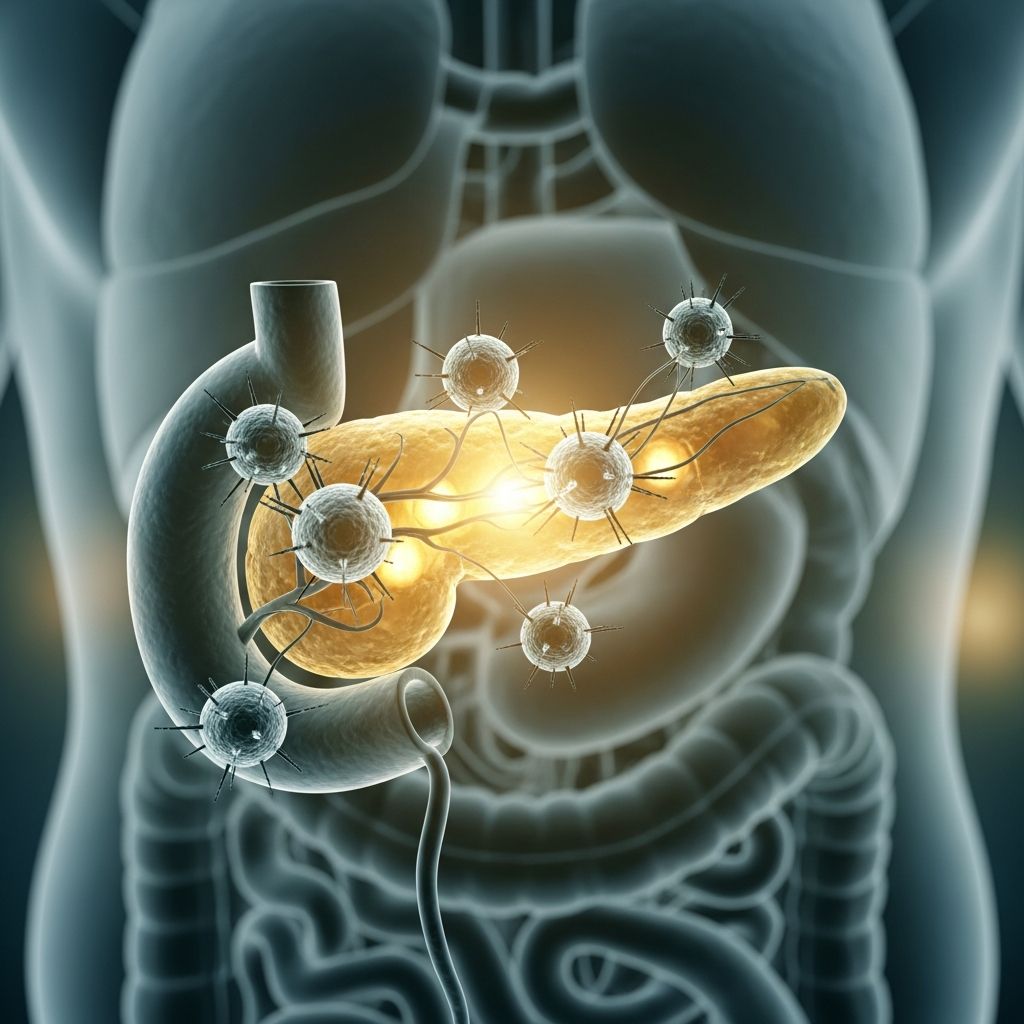
LADA is fundamentally an autoimmune condition in which the body’s immune system mistakenly attacks and destroys the insulin-producing beta cells in the pancreas. This autoimmune response is similar to that seen in Type 1 diabetes, but it occurs much more gradually. The exact mechanisms triggering LADA remain not fully understood, but research has identified several contributing factors:
- Genetic Predisposition: LADA has a strong genetic component, meaning susceptibility to the condition increases if biological parents or grandparents have autoimmune disorders or diabetes. Specific HLA (human leukocyte antigen) gene variants are associated with higher risk of developing LADA.
- Environmental Triggers: Certain environmental factors appear to activate the autoimmune response in genetically susceptible individuals. Viral infections have been identified as potential environmental triggers. Additionally, lifestyle and environmental factors such as obesity may play a role in disease development.
- Autoimmune Response: Unlike Type 2 diabetes, which involves insulin resistance, LADA involves the body’s immune system actively destroying pancreatic cells. This immune-mediated destruction is the fundamental pathological feature distinguishing LADA from other diabetes types.
Symptoms of LADA
Because LADA develops gradually, its symptoms often appear mild initially and worsen progressively over time. Many individuals experience subtle changes that may go unnoticed for months or even years. Common symptoms of LADA include:
- Increased thirst (polydipsia)
- Frequent urination, particularly at night
- Unexplained weight loss
- Persistent fatigue and exhaustion, especially after eating
- Blurred vision
- Slow-healing wounds and cuts
- Tingling sensations in the feet and nerves
- Brain fog and difficulty concentrating
- Feeling hungry soon after eating
- Stomach pain or vomiting (in some cases)
- Headaches
The gradual nature of LADA symptom development means that many people do not immediately recognize their condition as serious. Some individuals may experience no noticeable symptoms initially, as the pancreas may still produce enough insulin to prevent obvious blood sugar elevation. This silent progression contributes to delayed diagnosis and the common initial misclassification as Type 2 diabetes.
Diagnosing LADA
Diagnosis of LADA requires specific blood tests to identify autoimmune markers, distinguishing it from Type 2 diabetes. The key diagnostic approach involves:
- GAD Antibodies Test: The most important diagnostic test is the GAD Antibodies Test (glutamic acid decarboxylase antibodies). This blood test detects autoantibodies that specifically target glutamic acid decarboxylase, an enzyme present in pancreatic beta cells. The presence of these autoantibodies in an adult patient indicates an autoimmune disorder affecting the pancreas, strongly suggesting a LADA diagnosis.
- C-Peptide Test: Healthcare providers may also order a C-peptide test to measure how much C-peptide is present in the blood. C-peptides indicate how much insulin the pancreas is currently producing, helping clinicians assess the degree of beta cell dysfunction and remaining pancreatic function.
- Clinical Suspicion and Assessment: LADA should be suspected in patients who present with characteristics such as coexisting autoimmune disorders (like hypothyroidism), those who are not significantly overweight, and those experiencing deteriorating blood sugar control despite intensification of oral medications.
Related Stories



LADA diagnosis is often delayed because initial presentation mimics Type 2 diabetes, and many individuals are treated with Type 2 diabetes medications before autoimmune testing reveals the true condition. Early recognition through appropriate antibody testing can lead to timely insulin therapy and better long-term outcomes.
How LADA Differs from Type 1 and Type 2 Diabetes
| Feature | Type 1 Diabetes | Type 2 Diabetes | LADA (Type 1.5) |
|---|---|---|---|
| Age of Onset | Typically childhood or teens | Usually adults, particularly older adults | Adults, typically over 30 |
| Disease Progression | Rapid and severe | Gradual | Slow and progressive |
| Autoimmune Component | Yes, antibodies present | No autoimmune component | Yes, autoimmune destruction of beta cells |
| Insulin Requirement at Diagnosis | Required immediately from diagnosis | Usually late in disease progression | Not required at diagnosis, but develops over time |
| Ketoacidosis Risk | Rapid development without insulin | Usually absent | May develop when severely insulinopenic |
| Primary Pathology | Autoimmune destruction of pancreatic beta cells | Insulin resistance and reduced insulin secretion | Latent autoimmune destruction of beta cells |
Treatment and Management of LADA
Treatment of LADA is complex because the condition evolves over time, requiring adjustments in therapy as pancreatic function declines. Management typically progresses through stages:
- Initial Phase: Many individuals with LADA respond initially to oral diabetes medications such as metformin and lifestyle modifications including dietary changes and increased physical activity. During this phase, the pancreas still produces sufficient insulin to manage blood sugar levels without insulin injections.
- Transition Phase: As autoimmune destruction progresses, oral medications gradually become less effective. Blood sugar control deteriorates despite intensifying oral therapy, indicating the need for insulin initiation. This transition typically occurs over months to years, depending on the rate of beta cell loss.
- Advanced Phase: Eventually, the pancreas loses its ability to produce adequate insulin, necessitating insulin injections for survival. Unlike Type 2 diabetes patients who may never require insulin, individuals with LADA ultimately become insulin-dependent. Early and aggressive insulin treatment may help preserve remaining pancreatic beta cell function and reduce long-term complication risk, though this has not been definitively proven in prospective studies.
Healthcare providers should monitor LADA patients closely for deteriorating glycemic control and be prepared to transition to insulin therapy when oral medications and lifestyle modifications are no longer sufficient.
Complications of LADA
The most significant complication of LADA stems from delayed diagnosis and inappropriate treatment. Because many individuals are initially treated as Type 2 diabetes patients, they may not receive insulin therapy as early as needed. This delay increases the risk of serious health complications, including:
- Kidney Damage: Prolonged poor blood sugar control increases risk of diabetic kidney disease (nephropathy), potentially leading to kidney failure.
- Diabetic Ketoacidosis (DKA): This life-threatening condition can develop when the liver begins breaking down body fat for energy because insufficient glucose is available in cells. While DKA is absent at LADA diagnosis, it may emerge when individuals become severely insulinopenic (lacking insulin) without appropriate insulin therapy.
- Neuropathy: Research indicates that LADA patients experience small-fiber neuropathy (nerve damage) earlier and more frequently than Type 2 diabetes patients, particularly when HbA1c levels are elevated and blood sugar control is poor.
- Microvascular Complications: Like both Type 1 and Type 2 diabetes, LADA increases risk of retinopathy (eye damage), nephropathy (kidney damage), and neuropathy (nerve damage).
Prevention of these complications depends critically on early identification of LADA and timely initiation of appropriate insulin therapy.
Risk Factors and Who Develops LADA
LADA typically affects adults over 30 years of age, particularly those with personal or family histories of autoimmune diseases. Several characteristics increase LADA risk:
- Family history of diabetes or autoimmune diseases
- Personal history of other autoimmune conditions such as hypothyroidism or celiac disease
- Genetic susceptibility factors, particularly specific HLA gene variants
- Lifestyle factors such as obesity
- Environmental exposures including viral infections
Understanding these risk factors helps healthcare providers maintain appropriate clinical suspicion when evaluating adult patients with diabetes, particularly those who initially appear to have Type 2 diabetes but fail to respond adequately to standard Type 2 therapy.
Living with LADA
Successfully managing LADA requires ongoing collaboration between the individual and their healthcare team. Key aspects of LADA management include:
- Regular monitoring of blood sugar levels to detect deterioration requiring treatment changes
- Periodic testing of autoimmune markers to track disease progression
- Adaptation of medications as pancreatic function declines, transitioning from oral agents to insulin when necessary
- Lifestyle modifications including balanced nutrition, regular physical activity, and stress management
- Routine screening for diabetes-related complications including eye, kidney, and nerve damage
- Education about recognizing symptoms of severe complications such as diabetic ketoacidosis
With appropriate diagnosis and treatment, individuals with LADA can effectively manage their blood sugar levels and reduce complications risk.
Frequently Asked Questions
Q: How common is LADA?
A: Approximately 10 percent of people initially diagnosed with Type 2 diabetes actually have LADA, making it more common than many healthcare providers realize. This high prevalence emphasizes the importance of appropriate testing in patients with risk factors.
Q: Can LADA be prevented?
A: There is currently no proven way to prevent LADA. Because the condition involves genetic predisposition and uncontrollable autoimmune activation, prevention is not possible. However, early identification and appropriate treatment can prevent serious complications.
Q: Will I need insulin with LADA?
A: Eventually, yes. Unlike some Type 2 diabetes patients, individuals with LADA will ultimately require insulin therapy as their pancreatic beta cells are progressively destroyed by the immune system. The timing of insulin initiation varies, but may occur within months to years of diagnosis.
Q: How is LADA different from Type 1 diabetes?
A: While both involve autoimmune destruction of pancreatic beta cells, LADA develops much more slowly and typically appears in adults over 30, whereas Type 1 diabetes usually develops rapidly in children or young adults. At diagnosis, Type 1 patients immediately require insulin, while LADA patients may initially manage with oral medications.
Q: What should I do if I suspect I have LADA?
A: Discuss your concerns with your healthcare provider. Specifically mention if you have a family history of autoimmune diseases, are not significantly overweight, or are experiencing poor blood sugar control despite medications. Request GAD antibodies testing to confirm or rule out LADA diagnosis.
Q: Can oral medications control LADA indefinitely?
A: No. Although LADA initially responds to oral medications, the progressive autoimmune destruction of pancreatic cells means effectiveness gradually declines. Eventually, insulin therapy becomes necessary to maintain adequate blood sugar control.
Q: What happens if LADA is misdiagnosed as Type 2 diabetes?
A: Misdiagnosis as Type 2 diabetes can delay appropriate insulin therapy, potentially increasing the risk of serious complications such as kidney damage, nerve damage, and diabetic ketoacidosis. Early, accurate diagnosis through autoimmune antibody testing is essential for optimal outcomes.
References
- Latent Autoimmune Diabetes in Adults (LADA) — County Durham and Darlington NHS Foundation Trust. Accessed 2026. https://www.cddft.nhs.uk/services/diabetes-endocrinology/living-diabetes/LADA
- Latent Autoimmune Diabetes in Adults (LADA) – Cleveland Clinic — Cleveland Clinic. 2024. https://my.clevelandclinic.org/health/diseases/lada-diabetes
- Latent Autoimmune Diabetes in Adults — American Academy of Family Physicians. 2010-04-01. https://www.aafp.org/pubs/afp/issues/2010/0401/p843.html
- What Is LADA 1.5 (Latent Autoimmune Diabetes in Adults)? — Dexcom. 2024. https://www.dexcom.com/en-us/all-access/clinical-corner/what-is-lada
- Latent Autoimmune Diabetes — MD Searchlight. 2024. https://mdsearchlight.com/diabetes/latent-autoimmune-diabetes/
- LADA Diabetes – Everything You Need to Know about Type 1.5 — Type 1 Strong. 2024. https://www.type1strong.org/blog-post/lada-diabetes—everything-you-need-to-know
- Type 1.5 Diabetes: The “In-Between” Type You May Not Have Heard — Carilion Clinic. 2024. https://www.carilionclinic.org/health-and-wellness/article/type-15-diabetes-between-type-you-may-not-have-heard
Similar Articles








Read full bio of Sneha Tete