Lateral Internal Sphincterotomy: Surgery & Recovery
Learn about lateral internal sphincterotomy, a minimally invasive surgical treatment for chronic anal fissures with a 95% success rate.
Understanding Lateral Internal Sphincterotomy
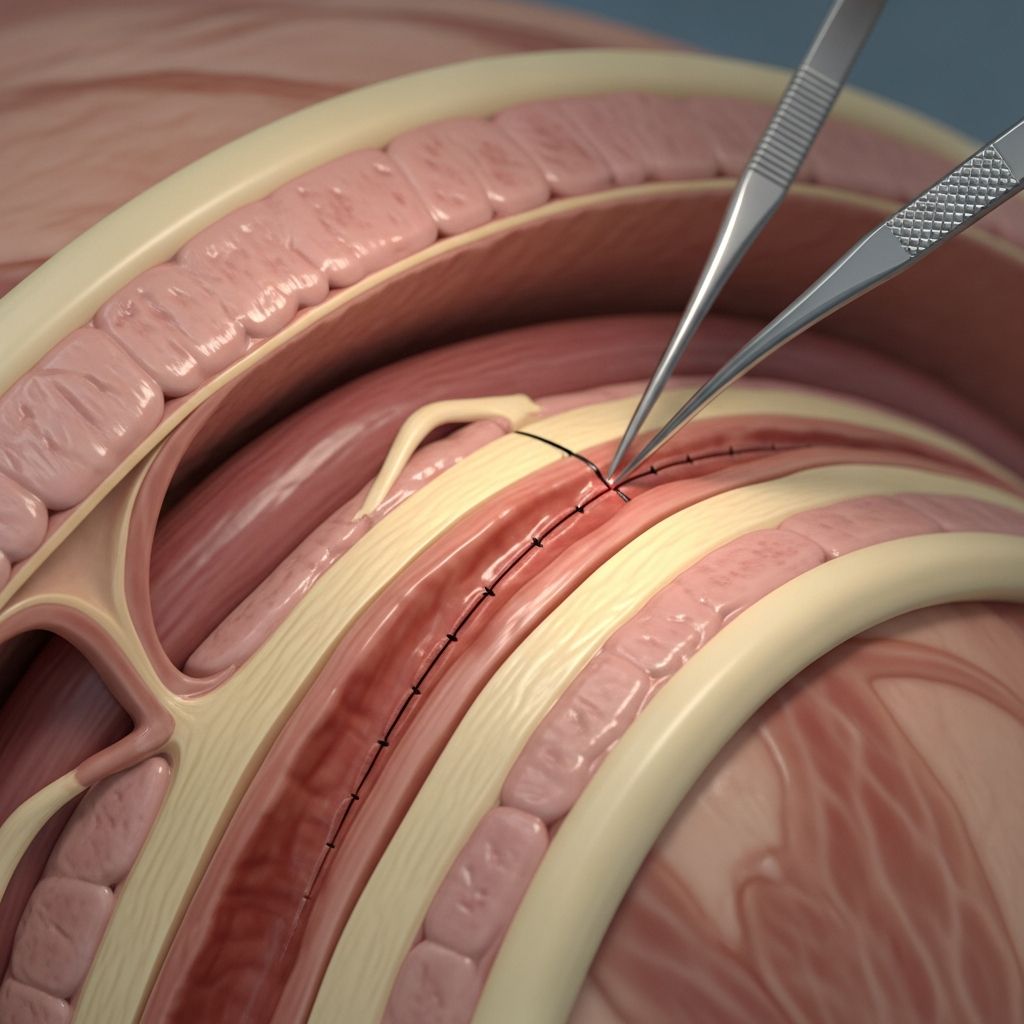
A lateral internal sphincterotomy (LIS) is a surgical procedure in which a surgeon makes a small incision into your internal anal sphincter muscle. This minimally invasive operation is designed to treat chronic anal fissures that have failed to heal with conservative treatment methods. The procedure works by relieving excess tension in the sphincter muscle, which is often the primary barrier preventing the fissure from healing properly. By cutting the muscle carefully, surgeons can reduce internal sphincter pressure by 20% to 50%, allowing blood flow to improve and the fissure to heal naturally.
Lateral internal sphincterotomy is classified as a myotomy, a surgical technique that involves making a small cut into muscle tissue to relieve tension and restore normal function. This procedure has become the gold standard surgical treatment for chronic anal fissures due to its proven effectiveness and relatively low complication rates. Most people undergo this procedure as an outpatient surgery, meaning they can return home the same day.
What Are Anal Fissures?
An anal fissure is a small tear or cut in the lining of your anal canal, typically causing significant pain, especially during and after bowel movements. While most anal fissures heal on their own within a few weeks with proper self-care and medical management, some become chronic when they fail to heal after at least eight weeks. Research suggests that up to 40% of anal fissures may resist healing and develop into chronic conditions that require medical intervention.
The primary reason anal fissures fail to heal is excessive tension in the internal anal sphincter muscle. This muscle is an involuntary ring of smooth muscle that surrounds your anal canal and helps control bowel movements. Unlike the external sphincter, which you can control consciously, the internal sphincter remains contracted by default and only relaxes during bowel movements. When this muscle maintains excessive tension, it restricts blood flow to the fissure, preventing the tissue from healing properly and perpetuating the cycle of pain and irritation.
Anatomy of the Anal Sphincters
Understanding the anatomy of your anal sphincters is important for comprehending how lateral internal sphincterotomy works. Your anal canal is surrounded by two distinct sphincter muscles that work together to maintain continence and control bowel movements.
The internal sphincter is the innermost muscular ring composed of smooth muscle. This muscle is involuntary, meaning you cannot consciously control it. It remains in a state of contraction at all times, only relaxing naturally during defecation. The internal sphincter is responsible for maintaining most of the resting pressure that prevents unintended passage of stool.
The external sphincter is the outermost muscular ring surrounding the internal sphincter. This muscle is composed of skeletal muscle and is under your voluntary control. You can consciously contract or relax this muscle, which gives you the ability to delay or control bowel movements.
During lateral internal sphincterotomy, the surgeon makes an incision specifically into the internal sphincter muscle. This targeted approach allows the surgeon to reduce the muscle’s resting pressure without affecting your ability to control bowel movements, as the external sphincter remains intact.
Related Stories



Why Lateral Internal Sphincterotomy Is Recommended
Healthcare providers recommend lateral internal sphincterotomy when conservative treatments have failed to resolve a chronic anal fissure. Most anal fissures respond well to non-surgical treatments, including topical medications, stool softeners, increased fiber intake, and sitz baths. However, when these approaches prove ineffective and the fissure persists beyond eight weeks, surgical intervention becomes necessary.
The decision to proceed with surgery is made when it becomes clear that the fissure will not heal without surgical relief of the excessive sphincter tension. Untreated chronic anal fissures can lead to significant complications, including persistent pain that affects quality of life, increased risk of infections, and the development of secondary complications such as anal stenosis or fistulas.
Lateral internal sphincterotomy offers definitive relief from chronic anal fissures with a remarkably high success rate. Studies show that this procedure achieves a 95% healing rate for chronic anal fissures, making it one of the most effective surgical interventions available for this condition.
The Surgical Procedure: Step-by-Step
Lateral internal sphincterotomy is a relatively straightforward outpatient procedure that typically takes about 30 minutes to complete, though your total appointment time will likely be two to three hours when accounting for preparation, anesthesia, recovery, and discharge instructions.
Anesthesia and Preparation
Before the procedure begins, you will receive anesthesia to ensure you remain comfortable and pain-free throughout the surgery. Most people receive general anesthesia, though other options are available and can be discussed with your surgical team. The type of anesthesia you receive will affect your ability to drive, so it’s essential to arrange transportation before your appointment.
Locating the Fissure
Once you are under anesthesia, the surgeon uses an anoscope, a specialized speculum designed for viewing the anal canal, to visualize the anal fissure and precisely identify its location. This visualization is critical for accurate surgical planning.
Making the Incision
The surgeon makes a small lateral incision—meaning the cut comes from the side of the anal canal—directly into the internal sphincter muscle. This lateral approach is preferred because it accesses the muscle from the side rather than from anterior or posterior positions. Using either a scalpel or electrocautery, the surgeon cuts through the muscle fibers to the length of the fissure, carefully controlling the depth and extent of the incision.
Tension Relief
The surgical goal is to reduce the constant pressure exerted by the internal sphincter by approximately 20% to 50%. This reduction in muscle tension prevents spasms, improves blood circulation to the fissure site, and enables the tissue to heal naturally.
Pain Management During Surgery
Because you are under anesthesia during the procedure, you will not feel pain. Additionally, your surgeon may apply a local anesthetic to the operative site during the procedure, which provides pain relief even after the general anesthesia wears off. This dual approach to pain management helps minimize postoperative discomfort.
Recovery and Aftercare
Lateral internal sphincterotomy is designed as an outpatient procedure, allowing you to return home on the same day as your surgery. However, you must arrange for someone else to drive you home, as the anesthesia will impair your ability to drive safely.
Immediate Postoperative Period
Most patients experience minimal pain after lateral internal sphincterotomy. Your surgeon will provide you with a prescription for pain relievers to manage any discomfort during the first few days of recovery. Many patients report that they don’t need pain medication beyond the first few days following the procedure.
Recovery Timeline
The recovery process from lateral internal sphincterotomy is relatively quick compared to many surgical procedures. Most patients can resume normal activities within one to two weeks. However, it’s important to follow your surgeon’s specific postoperative instructions, which typically include:
- Keeping the surgical area clean and dry
- Taking prescribed medications as directed
- Avoiding strenuous activity for the first week or two
- Gradually returning to normal diet and activity levels
- Attending follow-up appointments as scheduled
Wound Healing
The fissure typically begins healing within days to weeks after the procedure, as the reduced sphincter tension allows blood flow to return to the area. Most fissures are completely healed within four to six weeks following surgery.
Success Rates and Effectiveness
Lateral internal sphincterotomy boasts an impressive 95% success rate in curing chronic anal fissures, making it the most successful surgical option available for this condition. This high success rate has been consistently demonstrated across numerous studies and clinical practices worldwide.
Lateral internal sphincterotomy is considered the gold standard in surgical treatment for chronic anal fissures due to its solid history, proven effectiveness, and excellent long-term outcomes. The procedure has been refined over decades and remains the most commonly recommended surgical intervention for chronic fissures that have failed conservative treatment.
Potential Complications and Risks
Like all surgical procedures, lateral internal sphincterotomy carries certain risks, though serious complications are relatively rare.
Short-Term Complications
Short-term complications can occur in up to 50% of patients but typically resolve during the recovery period. These temporary complications may include:
- Mild bleeding from the incision site
- Temporary swelling and bruising
- Minimal pain or discomfort
- Temporary changes in bowel habits
Rare Surgical Risks
Any surgery carries a small risk of general complications such as:
- Infection at the surgical site
- Excessive bleeding requiring intervention
- Adverse reactions to anesthesia
These complications are uncommon and are managed appropriately when they occur.
Long-Term Complications
Long-term complications following lateral internal sphincterotomy are rare, with estimates suggesting less than 5% of patients experience persistent issues. The most significant potential long-term complication is incontinence—the inability to fully control bowel movements. However, long-term incontinence after LIS is uncommon and usually minimal when it does occur.
Most patients who experience any degree of long-term incontinence report only occasional mild symptoms, such as minor leakage of gas or occasional urgency. Severe incontinence is exceptional and occurs in less than 1% of cases. For patients who may be at higher risk of incontinence—such as those with preexisting sphincter dysfunction or multiple previous fissure surgeries—surgeons may recommend alternative procedures such as fissurectomy.
Alternative Treatment Options
Before recommending lateral internal sphincterotomy, your healthcare provider will typically suggest conservative treatment options first. These may include topical nitrates, calcium channel blockers, botulinum toxin injections, or dietary modifications. Only when these approaches have failed or proven insufficient will surgery be considered.
For select patients where LIS might not be appropriate, alternative surgical options exist, including fissurectomy (surgical removal of the fissure) combined with anoplasty (reconstruction of the anal opening). Your surgeon will discuss which option is most appropriate for your specific situation.
Preparing for Your Procedure
Proper preparation before your lateral internal sphincterotomy helps ensure the best possible outcome. Your surgical team will provide specific preoperative instructions, which typically include:
- Fasting for a specified period before surgery (usually 6-8 hours)
- Bowel preparation or enema to ensure a clean surgical field
- Reviewing all current medications and discussing which should be continued or discontinued
- Arranging transportation home after your procedure
- Planning time off work for recovery
Frequently Asked Questions
Q: Is lateral internal sphincterotomy painful?
A: No. You will be under anesthesia during the procedure, so you won’t feel pain. Your surgeon may also apply local anesthetic during the procedure, and you’ll receive pain medication for the first few days after surgery. Most patients report minimal postoperative pain.
Q: How long does the procedure take?
A: The actual surgical procedure takes about 30 minutes. Your total appointment time will be approximately two to three hours, including preparation, anesthesia, recovery, and discharge instructions.
Q: When can I return to normal activities?
A: Most patients can resume normal activities within one to two weeks. However, you should avoid strenuous activity during the first week and follow your surgeon’s specific postoperative instructions.
Q: What is the success rate of lateral internal sphincterotomy?
A: Lateral internal sphincterotomy has a 95% success rate in curing chronic anal fissures, making it the most successful surgical treatment available for this condition.
Q: What are the risks of incontinence after this procedure?
A: Long-term incontinence is rare, occurring in less than 5% of cases, and is usually minimal when it does occur. Severe incontinence is exceptional, affecting less than 1% of patients.
Q: Can my fissure come back after surgery?
A: Recurrence is rare due to the high success rate of the procedure. However, if a fissure does recur, repeat lateral internal sphincterotomy can be performed with excellent results and minimal risk of complications.
Q: Is this procedure covered by insurance?
A: Most insurance plans cover lateral internal sphincterotomy when it is performed for chronic anal fissures that have failed conservative treatment. Contact your insurance provider to verify coverage.
References
- Lateral Internal Sphincterotomy: Surgery & Recovery — Cleveland Clinic. 2024-01-10. https://my.clevelandclinic.org/health/procedures/lateral-internal-sphincterotomy
- Lateral internal sphincterotomy for surgically recurrent chronic anal fissure — Liang J, Church JM, et al. American Journal of Surgery. 2015-10. https://doi.org/10.1016/j.amjsurg.2015.05.005
- Anal Fissure: What It Is, Symptoms, Causes & Treatment — Cleveland Clinic. 2024. https://my.clevelandclinic.org/health/diseases/13177-anal-fissures
- Management of Anal Fissures (2023) — American Society of Colon and Rectal Surgeons. 2023. https://www.ascrsu.com
Similar Articles








Read full bio of Sneha Tete