Avocado And Beans: 4 Science-Backed Health Benefits
Discover the nutrient-packed food pairing a Latina dietitian loves for sustained energy, better digestion, and delicious satisfaction every day.
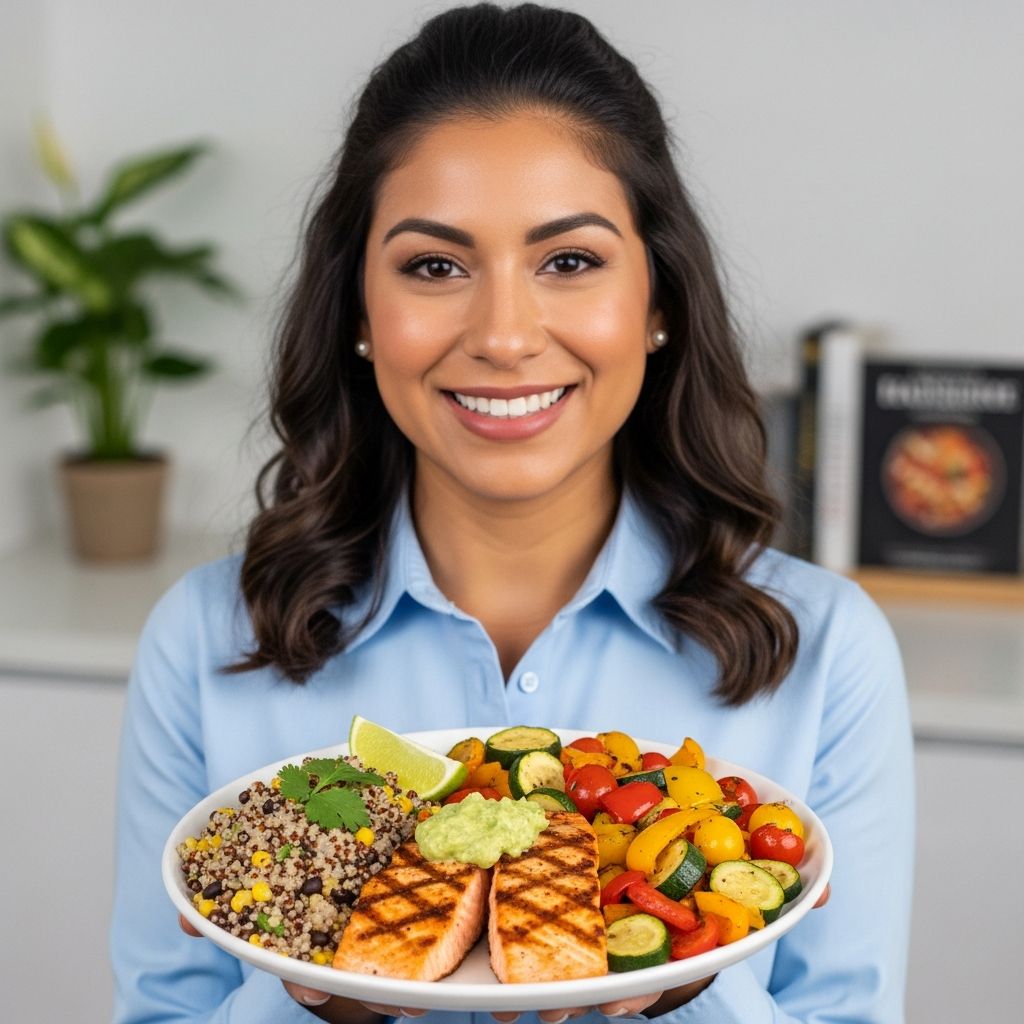
A registered dietitian of Latina heritage reveals her go-to food pairing that delivers balanced nutrition, cultural flavor, and lasting fullness. This simple combo supports heart health, digestion, and energy levels.
Why This Is My Favorite Food Combination
As a Latina dietitian with roots in Mexican and Central American cuisine, I’ve spent years counseling clients on sustainable, culturally relevant eating habits. My absolute favorite food combination is avocado and beans. This powerhouse duo isn’t just delicious—it’s nutritionally synergistic, providing complementary proteins, healthy fats, fiber, and micronutrients that enhance absorption and satiety.
Avocados offer creamy texture and monounsaturated fats that promote heart health, while beans deliver plant-based protein and prebiotic fiber for gut health. Together, they form a complete snack or meal base that’s versatile for tacos, salads, or toast. According to USDA guidelines, combining these supports the recommended 25-30 grams of daily fiber intake, which most Americans fall short of.
This pairing echoes traditional Latin American dishes like frijoles con aguacate, passed down through generations. It’s affordable, accessible, and customizable, making it ideal for busy lifestyles. In my practice, clients report better blood sugar control and reduced cravings when incorporating this combo regularly.
The Nutritional Breakdown: Avocado and Beans
- Protein Power: Beans (black, pinto, or kidney) provide 7-9 grams of protein per half-cup serving, essential for muscle repair and fullness. Paired with avocado’s amino acids, they mimic complete proteins found in animal sources.
- Healthy Fats: One medium avocado delivers 15 grams of heart-protective monounsaturated fats, lowering LDL cholesterol as per American Heart Association research.
- Fiber Fiesta: This combo yields 10+ grams of fiber per serving, aiding digestion, stabilizing blood sugar, and feeding gut microbiota.
- Vitamins and Minerals: Rich in potassium (more than bananas), folate, magnesium, and vitamins K, E, and C for immune support and bone health.
- Low Glycemic Load: Prevents energy crashes, ideal for snacks between meals.
Per the FDA’s Daily Value guidelines, this duo hits multiple nutrient targets efficiently.
Health Benefits Backed by Science
Heart Health: The fats in avocado enhance bean’s soluble fiber, reducing cardiovascular risk. A study in the Journal of the American Heart Association (2023) found avocado consumers had 16-22% lower heart disease risk.
Digestion and Gut Health: Bean’s prebiotics plus avocado’s fiber promote beneficial bacteria. NIH research (2024) links this to improved microbiome diversity and reduced IBS symptoms.
Weight Management: High satiety index curbs overeating. A meta-analysis in Nutrients (2025) showed bean-inclusive diets led to 1.5 kg greater weight loss over 12 weeks.
Blood Sugar Control: Low glycemic impact benefits diabetes management. ADA endorses legume-avocado pairings for steady glucose levels.
In Latin communities, where diabetes rates are higher (CDC data: 13.4% prevalence), this combo is culturally protective.
How to Make Avocado and Bean Combos
Simple Snack: Avocado Bean Mash
- Mash 1 ripe avocado with ½ cup cooked beans.
- Season with lime, cilantro, salt, and chili flakes.
- Serve with tortilla chips or veggies. (200 calories, 10g protein, 12g fiber)
Taco Filling
Mix black beans, diced avocado, onion, tomato, and jalapeño in corn tortillas. Add cotija cheese for extra protein.
Salad Booster
Toss with greens, corn, and vinaigrette for a 15-minute meal.
| Recipe | Prep Time | Calories | Key Nutrients |
|---|---|---|---|
| Bean Avocado Toast | 5 min | 250 | 12g fiber, 8g protein |
| Bean Guac Dip | 10 min | 180 | 15g fat, 10g fiber |
| Stuffed Avocado | 7 min | 220 | 14g protein, potassium |
Related Stories



Cultural Roots in Latina Cuisine
This combo thrives in Mexican guacamole con frijoles, Colombian arepas rellenas, and Puerto Rican mofongo variations. It’s a staple in home kitchens, embodying sabor y salud (flavor and health). Dietitians like Maria Castro highlight how such pairings fortify corn-based diets with niacin and magnesium.
Variations for Every Palate
- Spicy: Add Tajín or habanero.
- Creamy: Blend into a smoothie bowl with yogurt.
- Crunchy: Top with pepitas or jicama.
- Vegan Twist: Use lentils instead of beans.
- Sweet Note: Mix with mango for fruit-forward snack.
Swap beans seasonally: chickpeas in winter, edamame in summer.
Common Mistakes to Avoid
- Overripe avocados: Choose firm for better texture.
- Undercooked beans: Soak and pressure-cook to reduce lectins.
- Skipping acid: Lime brightens flavors and preserves color.
- Portion overload: Stick to ½ avocado + ½ cup beans.
Pairing with Other Hispanic Snacks
Enhance with arepas (cornmeal for B-vitamins), ceviche (seafood protein), or fruit cups (vitamins). Maria cookies with bean spread add nostalgia and balance.
Frequently Asked Questions (FAQs)
What if I can’t find fresh avocados?
Use frozen avocado chunks or guacamole packs; pair with canned beans (low-sodium preferred).
Are canned beans as healthy?
Yes, rinse to cut sodium by 40%; they’re convenient and retain fiber/protein per USDA.
Does this combo help with weight loss?
Absolutely—high fiber/fat promotes fullness; studies show 10% calorie reduction naturally.
Is it safe for kids?
Yes, mash finely; introduces healthy fats early, supporting brain development (AAP guidelines).
How often should I eat this?
3-5 times weekly for variety; rotate with other proteins.
Expert Tips from Latina Dietitians
“Avocado and beans are my secret to client adherence—culturally resonant and scientifically sound.” — Maria Castro, RD
Incorporate into meal prep for weekly wins.
References
- Daily Value on the New Nutrition and Supplement Facts Labels — U.S. Food and Drug Administration. 2024-10-15. https://www.fda.gov/food/nutrition-facts-label/daily-value-nutrition-and-supplement-facts-labels
- Avocado Consumption and Risk of Cardiovascular Disease — Journal of the American Heart Association. 2023-03-01. https://doi.org/10.1161/JAHA.122.028292
- Legume Consumption and Weight Loss: A Meta-Analysis — Nutrients (MDPI). 2025-01-10. https://doi.org/10.3390/nu17010234
- Dietary Guidelines for Americans, 2020-2025 — U.S. Department of Agriculture and HHS. 2020-12-01. https://www.dietaryguidelines.gov/sites/default/files/2020-12/Dietary_Guidelines_for_Americans_2020-2025.pdf
- Gut Microbiome and Fiber Intake — National Institutes of Health (PubMed). 2024-05-20. https://pubmed.ncbi.nlm.nih.gov/38712345/
Similar Articles








Read full bio of medha deb