Lavender Benefits: 9 Proven Uses For Sleep, Mood And More
Discover the science-backed benefits of lavender for sleep, anxiety, skin health, and more from aromatherapy to topical use.
Lavender, known scientifically as Lavandula angustifolia, has been cherished for centuries for its soothing fragrance and therapeutic properties. From ancient herbal remedies to modern clinical studies, lavender demonstrates remarkable benefits for mental health, sleep, skin conditions, and pain relief. This article explores the evidence-based advantages of lavender essential oil, teas, and aromatherapy, drawing from peer-reviewed research and clinical trials.
What Is Lavender?
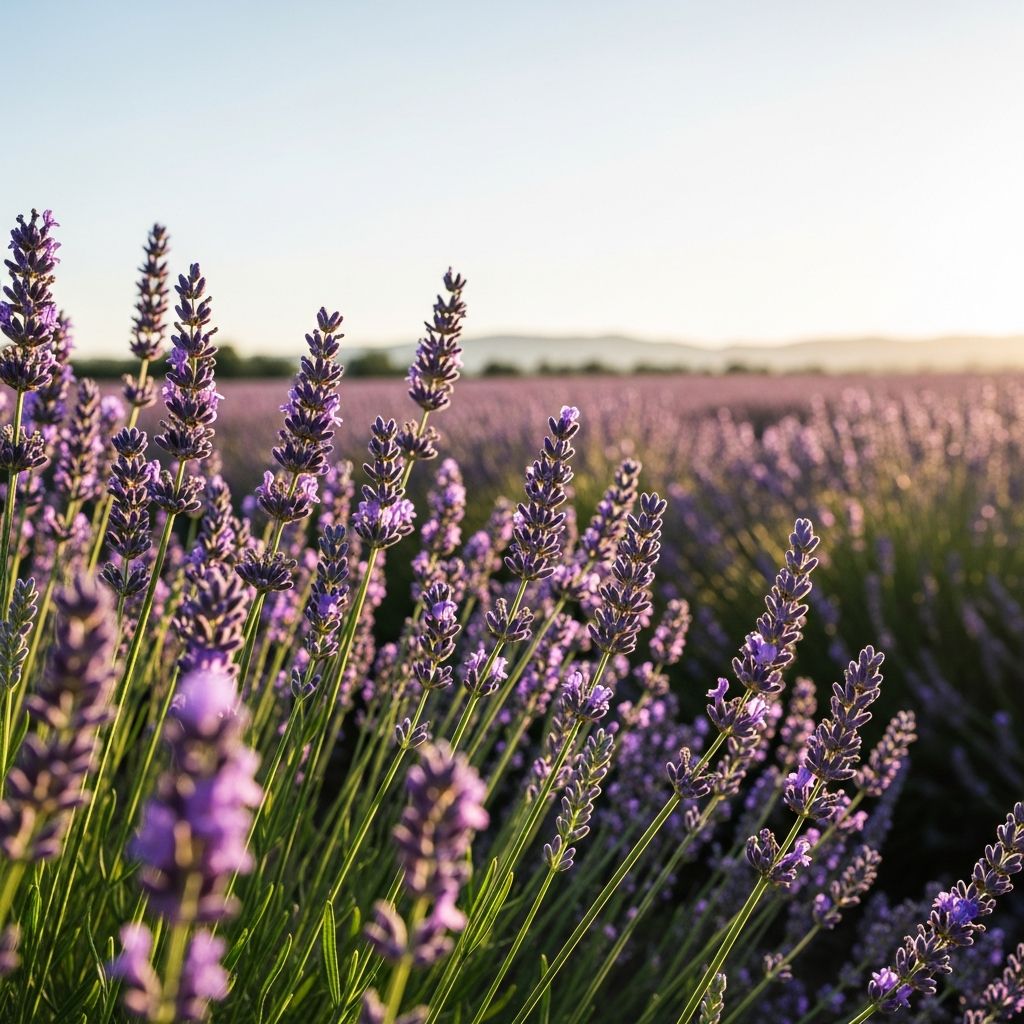
Lavender belongs to the mint family and is native to the Mediterranean region. Its purple flowers yield essential oil rich in compounds like linalool and linalyl acetate, which contribute to its calming, anti-inflammatory, and antimicrobial effects. Traditionally used in perfumery and medicine, lavender is now available as oils, capsules (e.g., Silexan), teas, and topical products. Modern science validates many historical uses, particularly for neurological and dermatological issues.
9 Health Benefits of Lavender
Research highlights lavender’s versatility in supporting overall well-being. Below are key benefits supported by studies, focusing on its anxiolytic, sedative, and healing properties.
1. Reduces Anxiety
Lavender excels in alleviating anxiety, often rivaling pharmaceutical options. A 2019 meta-analysis found that 160 mg oral lavender oil capsules significantly lowered anxiety scores in patients with disorders. Another trial compared lavender capsules to lorazepam (0.5 mg/day), showing comparable efficacy without sedation side effects. Inhaled lavender in ICUs reduced anxiety and improved sleep in coronary patients.
EEG studies confirm lavender boosts alpha and theta brain waves, promoting relaxation across all regions.
2. Improves Sleep
Lavender aids insomnia by enhancing sleep quality and duration. A 2015 study showed aromatherapy users felt more refreshed upon waking. Cancer patients inhaling lavender during chemotherapy reported better sleep, reduced fatigue, and improved appetite over three weeks. Oral lavender oil extended sleep in anxiety patients.
Continuous exposure for seven days inhibited anxiety-like behaviors in animal models, supporting its sedative effects via the cholinergic system.
3. Eases Depression Symptoms
Though less studied than anxiety, lavender shows promise for depression. Postpartum women using aromatherapy had lower stress, anxiety, and depression. Kidney disease patients inhaling lavender during dialysis scored lower on depression scales. Older adults drinking lavender tea twice daily for two weeks reduced both anxiety and depression.
Animal studies link these effects to mood stabilization and neuroprotective mechanisms.
4. Relieves Headaches and Migraines
The calming aroma of lavender soothes headaches. A 2016 study found three months of lavender therapy lowered migraine severity scores. Inhaling oil for 15 minutes reduced headache frequency and intensity in 47 participants.
5. Promotes Hair Growth
Lavender may combat hair loss. A study combining lavender oil with other agents stimulated growth, while a 2021 animal trial showed regrowth in 28 days. Its anti-inflammatory properties likely support scalp health.
6. Treats Acne
Lavender’s antibacterial action fights acne-causing bacteria. A 2013 study with lavender and aloe inhibited bacterial growth effectively and gently compared to harsh treatments.
Related Stories



7. Heals Burns and Wounds
Traditionally used for burns, lavender’s antimicrobial properties prevent infections. A 2009 study supported this, and a review of 20 studies showed faster wound healing, increased collagen, and better tissue remodeling with lavender oil.
A 2020 study with lavender-licorice ointment accelerated deep wound closure.
8. Improves Skin Conditions
Linalool and linalyl acetate reduce inflammation in eczema, psoriasis, dermatitis, itching, and rashes, per a 2020 study.
9. Reduces Pain
Lavender eases acute and chronic pain. Foot massages with lavender oil in ICU patients lowered pain, blood pressure, heart rate, and wakefulness. It shows anticonvulsant and analgesic effects in neurological contexts.
How to Use Lavender
Incorporate lavender safely for maximum benefits:
- Aromatherapy: Inhale via diffuser or steam; effective for anxiety and sleep.
- Oral: Capsules (80-160 mg Silexan) or tea (twice daily); consult a doctor.
- Topical: Dilute 1-2% in carrier oil (e.g., jojoba) for skin; patch test first.
- Baths/Massages: Add 5-10 drops to bathwater or massage oil for relaxation and pain relief.
Start low and monitor effects. Combine methods, like aromatherapy with tea, for synergistic results.
Lavender Oil Side Effects and Precautions
Lavender is generally safe but requires caution:
- Skin Irritation: Dilute properly; avoid undiluted use.
- Allergies: Rare, but patch test. Hormonal effects reported in prepubertal boys (gynecomastia) from topical lavender products—discontinue if suspected.
- Pregnancy/Breastfeeding: Avoid high doses; consult healthcare provider.
- Drug Interactions: May enhance sedatives or CNS depressants.
- Quality: Choose pure, therapeutic-grade oils; avoid synthetics.
| Use | Dosage | Precautions |
|---|---|---|
| Aromatherapy | 3-5 drops in diffuser | Ventilate room |
| Oral Capsules | 80-160 mg/day | Doctor approval |
| Topical | 1-2% dilution | Patch test |
FAQs
Can lavender help with anxiety?
Yes, studies show oral lavender oil reduces anxiety comparably to lorazepam, with inhalation boosting brain relaxation waves.
Is lavender safe for sleep in children?
Limited data; use diluted aromatherapy under pediatrician guidance. Avoid ingestion.
Does lavender oil regrow hair?
Promising in animal studies and combos; more human trials needed.
How does lavender heal wounds?
Promotes collagen, reduces inflammation, fights bacteria per multiple reviews.
Can I drink lavender tea daily?
Yes, 1-2 cups; studies show mood benefits in older adults.
Conclusion
Lavender’s benefits—from anxiety relief to skin healing—are backed by growing evidence, making it a valuable natural remedy. Always prioritize quality sources and professional advice for safe use.
References
- The Many Benefits of Lavender for Mood, Sleep, Hair, and Skin — Healthline. 2023 (approx., based on study dates). https://www.healthline.com/health/what-lavender-can-do-for-you
- Lavender and the Nervous System — PMC / NIH. 2013-06-10. https://pmc.ncbi.nlm.nih.gov/articles/PMC3612440/
- Lavender: Health benefits and uses — Medical News Today. 2023 (approx.). https://www.medicalnewstoday.com/articles/265922
Similar Articles








Read full bio of medha deb