Lavender for Eczema: Benefits, Safety, and Application
Explore how lavender oil may help manage eczema symptoms and improve skin health naturally.
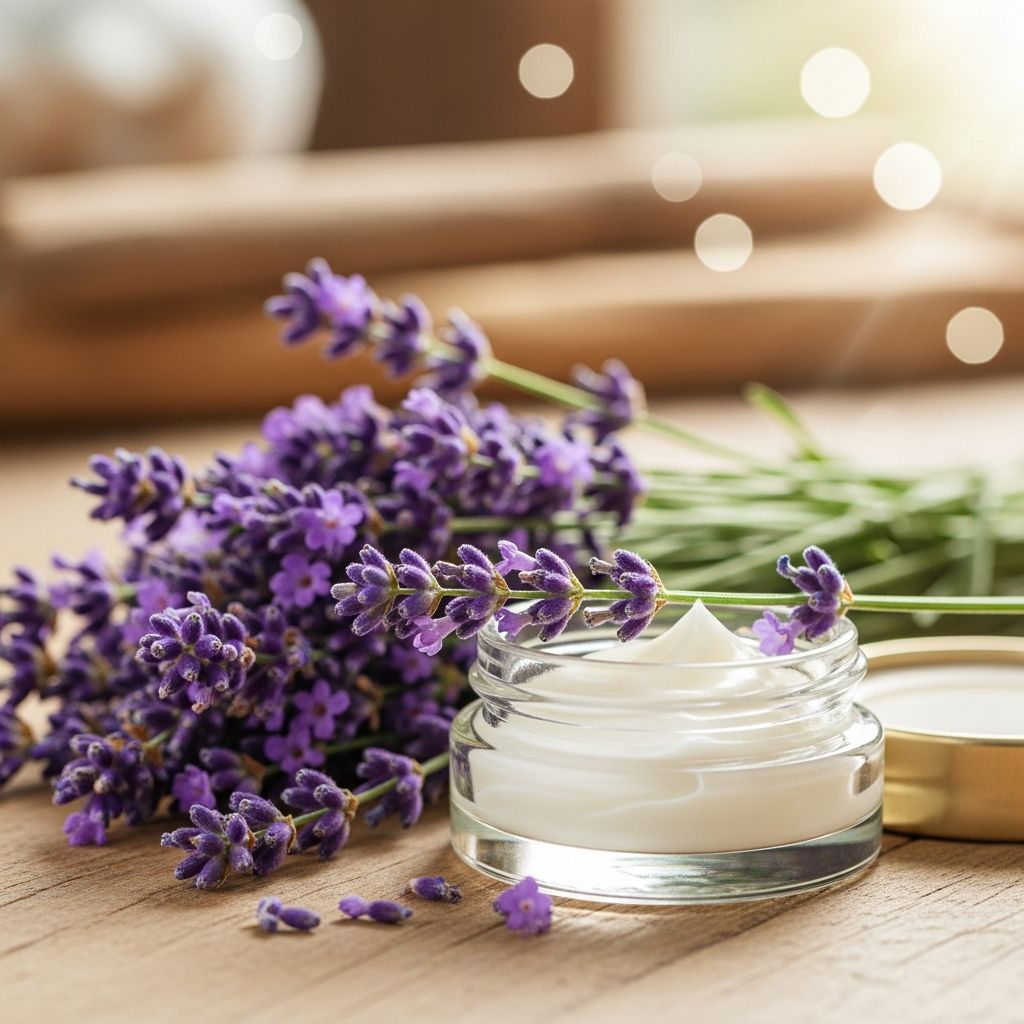
Eczema affects millions of people worldwide, causing uncomfortable itching, inflammation, and skin irritation. While conventional treatments exist, many individuals seek natural alternatives to complement their skincare routines. Lavender essential oil has emerged as a popular botanical remedy, with growing interest in its potential to address eczema symptoms. Understanding how lavender works, how to use it safely, and what the scientific evidence suggests can help you make informed decisions about incorporating it into your eczema management strategy.
Understanding Lavender and Its Botanical Origins
Lavender is a fragrant plant belonging to the mint family, with a long historical presence in traditional medicine and wellness practices. The essential oil derived from lavender plants contains numerous compounds that contribute to its therapeutic properties. The plant has been used across cultures for centuries, primarily in aromatherapy and topical applications. Modern extraction methods allow for concentrated forms of these beneficial compounds, making lavender oil accessible for various health and beauty applications.
The scientific community has increasingly investigated lavender’s biochemical composition to understand why traditional uses persist. Research has identified several active components in lavender essential oil, including linalyl acetate and linalool, which appear to contribute significantly to its therapeutic potential. These compounds interact with skin cells and the nervous system in ways that may explain lavender’s reported benefits for both physical and emotional wellness.
The Science Behind Lavender’s Anti-Inflammatory Effects
Anti-inflammatory properties represent one of lavender’s most significant characteristics for eczema management. When eczema flares up, the skin experiences excessive inflammation that triggers redness, swelling, and intense itching. Lavender oil works by reducing this inflammatory response at the cellular level.
Recent scientific investigations have demonstrated that lavender essential oil, particularly its component linalyl acetate, exerts suppressive effects on atopic dermatitis at the cellular level. Studies using specialized cell models have shown that lavender oil decreases inflammatory markers and reduces the expression of genes associated with dermatitis symptoms. In one clinical investigation, topical lavender oil application resulted in a 73.67% decrease in psoriasis symptoms, a chronic skin condition sharing some inflammatory characteristics with eczema.
The mechanism appears to involve inhibiting inflammatory cytokine production and reducing activation of immune cells that drive the inflammatory cascade. This biological action helps explain why people using lavender for eczema report decreased redness and reduced swelling in affected areas.
Addressing Itching and Providing Soothing Relief
The relentless itching associated with eczema significantly impacts quality of life, often disrupting sleep and daily activities. Lavender oil addresses this symptom through multiple mechanisms. The oil contains compounds with analgesic properties that provide a numbing or soothing effect on irritated skin. Additionally, lavender’s aromatherapeutic qualities contribute to overall relaxation, which can reduce the urge to scratch.
Antimicrobial protection also plays a role in relief provision. When eczema compromises the skin barrier, tiny breaks can create entry points for bacterial infections, which intensifies itching and inflammation. Lavender’s antimicrobial properties help prevent secondary infections that could complicate eczema symptoms.
Related Stories



Beyond direct skin application, the emotional and psychological aspects of lavender’s scent contribute to symptom relief. Inhaling lavender aroma has been shown to lower heart rate, body temperature, and blood pressure—physiological changes associated with relaxation. This calming effect indirectly supports eczema management by reducing stress-induced flare-ups.
Moisture Balance and Skin Barrier Support
One of eczema’s core problems involves a compromised skin barrier that fails to retain adequate moisture. Lavender oil addresses this issue through its ability to support the skin’s natural moisture-regulating mechanisms. Rather than making skin excessively oily or leaving it parched, lavender helps achieve equilibrium in the skin’s hydration status.
When used in combination with carrier oils like coconut or jojoba oil, lavender creates a synergistic effect that enhances moisture retention. The carrier oil forms a protective layer over the skin, preventing water loss while allowing lavender’s therapeutic compounds to penetrate deeper into the epidermis. This dual action—external protection and internal nourishment—makes the combination particularly effective for eczema-prone skin that requires both barrier support and healing compounds.
The Stress-Eczema Connection and Lavender’s Role
Scientific evidence establishes a clear relationship between stress and eczema flare-ups. Emotional stress triggers physiological responses that compromise the skin barrier and activate immune pathways associated with inflammation. Breaking this cycle becomes essential for long-term eczema management.
Lavender addresses the stress component through its well-documented anxiolytic properties. Research indicates that lavender is an effective treatment for anxiety, with multiple studies supporting its calming effects. By reducing stress and anxiety levels, lavender oil indirectly decreases the likelihood of stress-triggered eczema exacerbations. This makes lavender valuable not just for direct skin healing, but for addressing the underlying psychological factors that contribute to disease flares.
Practical Methods for Incorporating Lavender Into Your Routine
Safely using lavender for eczema requires understanding different application methods and their appropriate uses:
- Diluted Topical Application: Mix 2-3 drops of lavender essential oil with 2 teaspoons of carrier oil such as coconut, jojoba, or almond oil. This creates a safe concentration that minimizes irritation risk while delivering therapeutic benefits. Apply directly to affected areas twice daily or as needed.
- Bath Immersion: Add several drops of lavender essential oil to a warm bath along with bath salts for enhanced therapeutic effects. Soak for 15-20 minutes, ideally before bedtime to promote relaxation and sleep. The warm water aids absorption while the aromatherapy component provides stress relief.
- Moisturizer Integration: Use commercial lavender-infused creams or lotions formulated specifically for sensitive skin. These products typically contain appropriately balanced concentrations of lavender along with skin-nourishing ingredients.
- Aromatherapy Diffusion: Use an essential oil diffuser to disperse lavender scent throughout your environment. While this doesn’t provide direct skin treatment, the inhalation benefits can reduce stress and promote better sleep quality.
Creating a Customized Lavender Treatment Blend
For those interested in DIY approaches, creating a personalized blend allows for tailored treatment:
| Ingredient | Quantity | Purpose |
|---|---|---|
| Lavender Essential Oil | 2-3 drops | Anti-inflammatory and soothing |
| Coconut Oil | 2 teaspoons | Carrier and moisture barrier |
| Tea Tree Oil (optional) | 1-2 drops | Enhanced antimicrobial protection |
Combine ingredients thoroughly and test on a small inconspicuous area before broader application. This precaution helps identify potential sensitivities before treating larger affected regions.
Important Safety Considerations and Precautions
While lavender is generally regarded as safe for topical use, certain precautions apply, especially for individuals with eczema:
- Patch Testing: Always conduct a patch test before applying lavender oil to larger areas. Apply a small amount to unaffected skin and wait 24-48 hours to monitor for adverse reactions.
- Proper Dilution: Never apply undiluted essential oil directly to skin, as concentrated forms can cause irritation or sensitization. Appropriate dilution in carrier oils is essential.
- Individual Sensitivity: Some people may experience irritation from lavender oil despite its reputation for gentleness. Discontinue use immediately if redness, increased itching, or rash develops.
- Professional Consultation: Those with severe eczema or taking medications should consult healthcare providers before introducing new treatments. Essential oils can interact with certain medications or exacerbate specific skin conditions.
When Lavender May Not Be Appropriate
While many people benefit from lavender for eczema, it’s important to recognize that essential oils increase skin sensitivity in some individuals. People with highly reactive skin or those experiencing acute, severe flares may find their symptoms worsening rather than improving with lavender application. In these situations, conventional medical treatments should take priority, and lavender use should be postponed until inflammation has diminished.
Complementary Natural Approaches for Eczema
Lavender works best within a comprehensive eczema management strategy that may include other natural remedies:
- Aloe Vera: Possesses anti-inflammatory and moisturizing properties complementary to lavender’s effects
- Chamomile: Provides calming and healing benefits that pair well with lavender aromatherapy
- Calendula: Known for wound-healing and skin-soothing properties, particularly useful for broken skin
- Tea Tree Oil: Offers antimicrobial protection, particularly valuable when combined with lavender
Combining multiple natural remedies requires careful consideration to avoid overloading sensitive skin. Introduce one new treatment at a time, allowing several weeks to assess effectiveness before adding additional options.
What the Research Currently Tells Us
The scientific evidence for lavender in eczema management continues to develop. Studies have confirmed anti-inflammatory effects and shown promising results in cellular models of atopic dermatitis. Evidence also supports lavender’s traditional use for wound healing, anxiety reduction, and antimicrobial activity.
However, clinical trials specifically examining lavender’s efficacy in treating eczema in human populations remain limited. Most research supporting lavender’s benefits comes from laboratory studies, animal models, or small observational investigations. While these results are encouraging, larger, well-designed clinical trials would provide stronger evidence for recommending lavender as a primary eczema treatment.
Frequently Asked Questions
Can lavender completely cure eczema?
No. Lavender may help manage eczema symptoms and provide relief, but it is not a cure. Eczema is a chronic condition requiring comprehensive management. Lavender can be a helpful component of a broader treatment strategy that may include conventional medical treatments, skincare practices, and lifestyle modifications.
How long does it take to see results from lavender?
Results vary significantly between individuals. Some people report symptom improvement within days of beginning lavender treatment, while others require several weeks. Consistency in application and proper dilution contribute to outcomes.
Can I use lavender oil if I’m currently taking eczema medications?
This depends on your specific medications. Some medications may interact with essential oils or increase skin sensitivity. Always inform your healthcare provider about any new treatments, including natural remedies, before beginning use.
Is there a difference between lavender species for eczema treatment?
Yes. Lavender angustifolia appears in research as particularly effective for skin conditions due to its specific chemical composition and higher linalyl acetate content. When selecting lavender products, look for those specifying the species.
Making an Informed Decision
Lavender represents one option among many approaches to eczema management. Its anti-inflammatory properties, anxiolytic effects, and traditional use in skincare make it worthy of consideration for those seeking natural complementary treatments. However, individual responses vary considerably, and what works effectively for one person may not benefit another.
The safest approach involves starting with small, diluted applications, carefully monitoring skin responses, and maintaining realistic expectations about outcomes. Lavender may provide meaningful symptom relief as part of a comprehensive strategy that includes professional medical guidance, appropriate conventional treatments when necessary, and consistent skincare practices tailored to your specific needs.
References
- The Healing Power of Lavender Oil for Eczema Relief — Drought Skin. https://www.droughtskin.com/blog/lavendereczema
- 8 Best Essential Oils for Eczema Relief — Mudbrick Herb Cottage. https://www.herbcottage.com.au/blogs/aromatherapy/essential-oils-eczema
- The Calming Power of Lavender: Skin Benefits, Mood Boosts, and More — Waxelene. https://waxelene.com/blog/the-calming-power-of-lavender-skin-benefits-mood-boosts-and-more/
- Aromatic oil from lavender as an atopic dermatitis suppressant — National Center for Biotechnology Information. 2024. https://pmc.ncbi.nlm.nih.gov/articles/PMC10769034/
- 5 Essential Oils for Eczema: Do They Work? — GoodRx. https://www.goodrx.com/conditions/eczema/essential-oils-for-eczema-treatment
- Itchy skin? Possible atopic dermatitis? Lavender essential oil might be just what you’re looking for — News Medical. 2024-01-08. https://www.news-medical.net/news/20240108/Itchy-skin-Possible-atopic-dermatitis-Lavender-essential-oil-might-be-just-what-youre-looking-for.aspx
- Eczema and essential oils — Pierre Fabre Eczema Foundation. https://www.pierrefabreeczemafoundation.org/en/support/useful-advice/eczema-and-essential-oils
Similar Articles








Read full bio of medha deb