Lavender Usefulness And Safety: An Evidence-Based Guide
Explore lavender's therapeutic potential, evidence-based uses, and safety considerations for wellness.
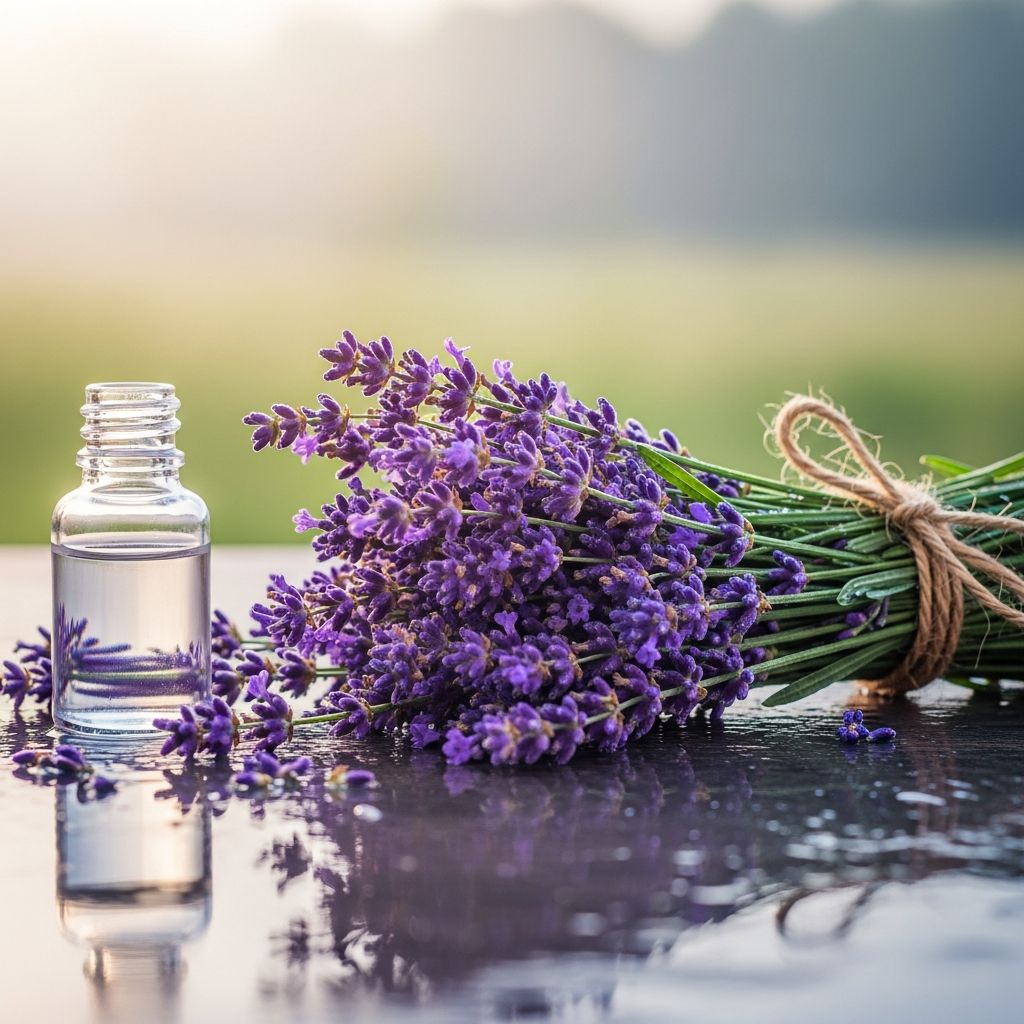
Lavender: Usefulness and Safety
Lavender is an aromatic, evergreen plant that has been valued for centuries in traditional medicine and wellness practices. This comprehensive guide explores what research reveals about lavender’s potential benefits, current scientific understanding, safety considerations, and practical applications based on the latest evidence from complementary health research.
Background on Lavender
Origins and Botanical Information
Lavender is an aromatic, evergreen plant native to the Mediterranean region, including France, Spain, Andorra, and Italy. The name lavender derives from the Latin verb “lavare,” meaning “to wash,” reflecting its historical use in bathing and cleansing rituals. The genus Lavandula includes more than 30 species, dozens of subspecies, and hundreds of hybrids and cultivars, with the most commonly studied being Lavandula angustifolia.
Traditional Uses and Modern Applications
Lavender’s distinctive and popular scent has long been incorporated into bath products, perfumes, and aromatherapy preparations. In traditional medicine, lavender has been recognized for its therapeutic properties in treating pain and infections, and as a relaxant and sedative. Modern applications include:
– Oral dietary supplements for anxiety, stress, and related conditions- Aromatherapy through inhalation of essential oils- Topical applications applied directly to the skin- Incorporation into bath products and personal care items
Today, lavender is promoted for a wide range of health concerns, making it one of the most popular herbal remedies in complementary and alternative medicine (CAM) practices.
Understanding the Research Evidence
How Much Do We Know About Lavender’s Effectiveness?
While lavender has been extensively studied, researchers emphasize that more high-quality research is needed to reach reliable conclusions about its effectiveness for most conditions. Current evidence shows varying levels of support for different applications:
Anxiety and Mood-Related Conditions
Studies have suggested that a lavender oil product taken orally might be beneficial for anxiety, including anxiety with co-occurring symptoms of depression. Research examining lavender essential oil’s mechanisms reveals its affinity for both the glutamate NMDA-receptor and the serotonin transporter (SERT), suggesting that its anxiolytic and antidepressant properties may be achieved through these neurological pathways. However, the strength of evidence remains preliminary, and additional rigorous studies are needed to confirm these effects.
Sexual Function and Menopause
One preliminary study with seventy-two postmenopausal women aged 50-65 years suggested that a lavender oil product taken orally might offer some relief for menopause-related sexual dysfunction. Despite these promising findings, more reliable evidence is required to confirm these effects and establish appropriate dosing guidelines.
Sleep Quality and Insomnia
Systematic reviews examining lavender’s effects on sleep quality and insomnia show statistically significant improvements in both pregnant and non-pregnant populations when lavender essential oil was administered either by inhalation or topical application. However, the evidence base remains limited, and researchers continue to call for larger, well-designed studies to establish definitive recommendations.
Related Stories



Pain Management
While lavender is promoted for some types of pain, the evidence for its effectiveness remains unclear. Research on specific pain conditions, including postherpetic pain, shows promise but requires further investigation with larger participant groups and longer study durations.
Respiratory Conditions
One preliminary study suggested that lavender syrup might reduce cough severity in people with COVID-19; however, more reliable evidence is needed to confirm any effects. This emerging area of research highlights lavender’s potential antispasmodic properties but underscores the need for larger clinical trials.
Quality of Life and General Wellness
It remains unclear whether aromatherapy with lavender oil provides significant benefits for anxiety, stress, symptoms of depression, sleep quality, insomnia, or other conditions based on rigorous scientific criteria. However, some people have reported feeling a sense of improved quality of life from aromatherapy with lavender oil, suggesting potential subjective wellness benefits that warrant further investigation.
Safety and Potential Side Effects
Safety Profile of Lavender
Oral Consumption
It is likely safe to consume lavender in the amounts typically used in foods. Oral lavender products appear to be safe in the short-term and in the amounts tested in studies of anxiety or other conditions. However, some individuals may experience adverse effects including:
– Diarrhea- Headache- Nausea- Burping
Long-term safety data remain limited, and individuals considering prolonged use should consult with healthcare providers.
Aromatherapy Applications
Aromatherapy with lavender oil is considered possibly safe, but it may cause headache or coughing in some individuals. The inhalation of essential oil vapors can trigger respiratory responses in sensitive individuals, particularly those with asthma or other respiratory conditions.
Topical Applications
Topical products containing lavender may cause allergic skin reactions in some people. A few cases of swelling of breast tissue have been reported in children who used topical products containing lavender. However, it remains unclear whether lavender was responsible for the breast swelling, as this condition can result from numerous causes.
Drug and Herb Interactions
There are theoretical reasons to suspect that lavender might interact with some sedative drugs or herbs. This consideration is especially important if you have an upcoming surgical procedure. If you take any type of medication, it is essential to consult with your healthcare provider before using lavender or other herbal products, as some herbs and medicines can interact in harmful ways.
Pregnancy and Breastfeeding
Little is known about whether it is safe to use lavender during pregnancy or while breastfeeding. While some preliminary studies suggest potential benefits for stress and anxiety in pregnant women during the second and third trimester, caution should be exercised. Pregnant women and breastfeeding mothers should discuss any potential use of lavender with their healthcare providers before beginning supplementation.
Evidence-Based Research on Special Populations
Pregnancy and Prenatal Wellness
A systematic review examining lavender essential oil use during pregnancy identified six clinical trials comprising a total of 413 pregnant women who used lavender essential oil during the second or third trimester. These studies measured outcomes including sleep quality, anxiety, and stress levels. All studies reported significant (at least p < 0.05) improvement in the respective conditions and no adverse effects. However, given the small number of participants and lack of strong scientific literature, more comprehensive studies are needed to provide further evidence and establish clinical guidelines for this population.
Key Considerations for Users
Important Mental Health Considerations
Depression can be a serious illness. If you or someone in your family may have depression, it is critical to consult a healthcare provider. While lavender may provide complementary support for mood-related concerns, it should never replace professional mental health evaluation and treatment when needed.
Comprehensive Health Management
Take charge of your health by discussing any complementary health approaches with your healthcare providers. Together with your medical team, you can make shared, well-informed decisions about incorporating lavender or other herbal products into your wellness routine. This collaborative approach ensures that complementary therapies are safely integrated with conventional medical care and do not interfere with prescribed medications or treatments.
Frequently Asked Questions About Lavender
Q: What is the most common form of lavender used for health purposes?
A: Lavender is available in multiple forms including essential oils for aromatherapy, oral supplements in capsule or liquid form, topical creams and oils, dried flower products, and herbal teas. The most frequently studied form is lavender essential oil, particularly from the Lavandula angustifolia species.
Q: How long does it take to notice effects from lavender?
A: The timeframe for experiencing benefits varies by individual and application method. Some people report immediate calming effects from aromatherapy, while oral supplements may require several weeks of consistent use. Research studies have varied in duration from single-dose applications to several weeks of regular use.
Q: Can lavender be used safely with prescription medications?
A: Lavender may interact with sedative medications and other drugs. Before combining lavender with any prescription medications, consult your healthcare provider to ensure there are no harmful interactions, particularly before surgical procedures.
Q: Is lavender safe for children?
A: While lavender is generally recognized as safe, caution should be exercised with children. Topical products containing lavender should be used cautiously, and internal use should only occur under medical supervision. Always consult a pediatrician before giving lavender products to children.
Q: What does the research say about lavender for anxiety?
A: Studies suggest that oral lavender oil products may provide some benefit for anxiety, including anxiety with depressive symptoms. However, more high-quality research is needed to establish definitive effectiveness, appropriate dosages, and long-term safety profiles.
Resources for Additional Information
NCCIH Clearinghouse
The National Center for Complementary and Integrative Health (NCCIH) Clearinghouse provides comprehensive information on complementary and integrative health approaches, including publications and searches of Federal databases of scientific and medical literature. The Clearinghouse does not provide medical advice, treatment recommendations, or referrals to practitioners but serves as an excellent resource for evidence-based information.
Contact information: Toll-free in the U.S.: 1-888-644-6226 | Email: info@nccih.nih.gov | Website: https://www.nccih.nih.gov
PubMed
PubMed, a service of the National Library of Medicine, contains publication information and brief summaries of articles from scientific and medical journals. This resource provides access to peer-reviewed research on lavender and other complementary health topics. Website: https://pubmed.ncbi.nlm.nih.gov/
Conclusion
Lavender represents a widely used complementary health approach with promising preliminary evidence for anxiety, stress, and sleep-related concerns. However, more rigorous, high-quality research is essential to establish definitive effectiveness, optimal dosing, safety profiles for long-term use, and specific applications for various populations. Users should approach lavender supplementation with appropriate caution, particularly regarding potential drug interactions, use during pregnancy and breastfeeding, and topical applications in sensitive individuals. By working collaboratively with healthcare providers and staying informed about the latest research, individuals can make well-informed decisions about incorporating lavender into their comprehensive health management strategy.
References
- Lavender: Usefulness and Safety — National Center for Complementary and Integrative Health (NCCIH), National Institutes of Health. 2025-02. https://www.nccih.nih.gov/health/lavender
- Efficacy of Lavender Essential Oil in Reducing Stress, Insomnia, and Anxiety in Pregnant Women: A Systematic Review — National Center for Biotechnology Information (NCBI), National Institutes of Health. 2024. https://pmc.ncbi.nlm.nih.gov/articles/PMC11641599/
- Lavender (Lavandula angustifolia) and its major components on postherpetic pain: a randomized blinded controlled trial — BMC Complementary Medicine and Therapies. 2024;24(1):54. https://www.ncbi.nlm.nih.gov/pubmed/
- Lavender (Lavandula angustifolia) syrup as an adjunct to standard care in patients with mild to moderate COVID-19: an open-label, randomized, controlled clinical trial — Avicenna Journal of Phytomedicine. 2023;13(4):400-411. https://pubmed.ncbi.nlm.nih.gov/
- Lavender – LiverTox — National Center for Biotechnology Information (NCBI) Bookshelf, National Institutes of Health. https://www.ncbi.nlm.nih.gov/books/NBK548221/
Similar Articles








Read full bio of Sneha Tete