Lazy Eye (Amblyopia): Causes, Symptoms & Treatment
Understanding amblyopia: comprehensive guide to lazy eye causes, symptoms, diagnosis, and effective treatment options.
Understanding Lazy Eye (Amblyopia)
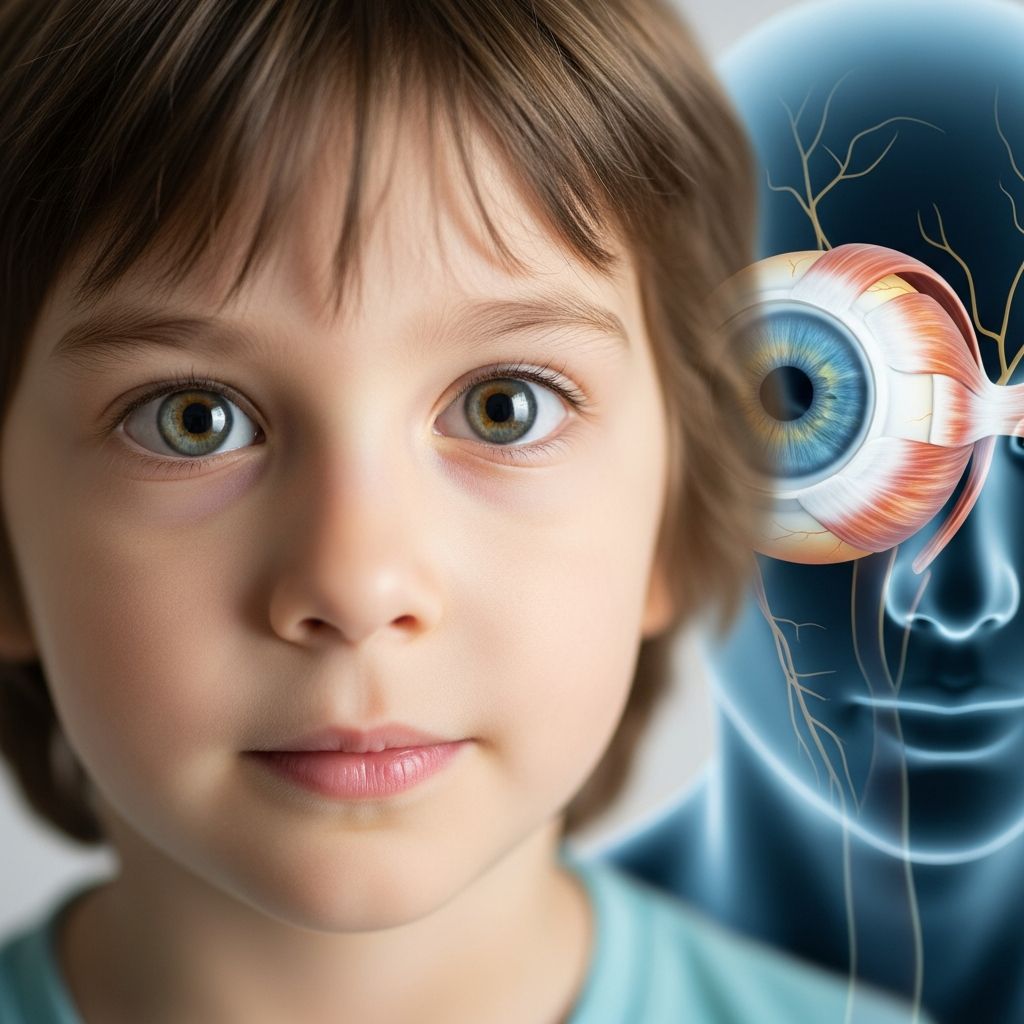
Lazy eye, medically known as amblyopia, is a condition characterized by reduced vision in one eye due to abnormal visual development early in life. The condition occurs when the brain and eye are not working together properly, causing the brain to favor one eye over the other. This is the most common cause of decreased vision in children, affecting a significant portion of the pediatric population. However, lazy eye is not limited to children—it can also affect teenagers and adults, though early detection and treatment during childhood yield the most favorable outcomes.
In amblyopia, the weaker or “lazy” eye often wanders inward or outward as the brain increasingly relies on the stronger eye for vision. Unlike other eye conditions that affect the structure of the eye itself, amblyopia is fundamentally a problem with how the brain processes visual information. The condition typically develops from birth up to age seven years, making early screening and diagnosis crucial for preventing long-term vision problems.
Causes of Lazy Eye
Amblyopia develops when the nerve pathways between the retina and the brain become altered, preventing the two eyes from working together effectively. The brain responds by ignoring the input from the weaker eye and focusing exclusively on the healthy eye. Understanding the specific causes helps in early identification and appropriate treatment.
Refractive Errors
Refractive errors are among the most common causes of amblyopia. These include nearsightedness (myopia), farsightedness (hyperopia), and astigmatism. When one eye has a significantly different refractive error than the other, the images from the affected eye appear blurry compared to the other eye. Over time, the brain learns to ignore the blurry image from the weaker eye, leading to amblyopia development. This form of amblyopia, called refractive amblyopia, can often be successfully treated with corrective eyewear when caught early.
Eye Misalignment (Strabismus)
Eye misalignment is the most common cause of amblyopia. When both eyes are not aimed in the same direction, the developing brain perceives two different images, which can result in double vision. To avoid this confusion, the brain suppresses the image from the misaligned eye. If this condition persists for even a few weeks, the eye will not connect properly to the visual cortex of the brain, resulting in amblyopia.
Obstructive Disorders
Various eye disorders that obstruct light from entering the eye can cause obstructive amblyopia. These include cataracts (cloudiness of the lens), cloudy corneas, drooping eyelids (ptosis), and eyelid tumors. When the normally clear eye tissues become cloudy or obstructed, a clear image cannot be focused on the retina, preventing proper visual development. Obstructive amblyopia often results in the most severe form of the condition and requires surgical intervention to remove the obstruction before other treatments can be effective.
Other Contributing Factors
Additional causes of amblyopia include trauma to one eye, corneal ulcers, and other eye diseases affecting the optic nerve or retina. These conditions disrupt normal visual development and require prompt medical attention to prevent permanent vision loss.
Symptoms and Signs of Lazy Eye
Recognizing the symptoms of amblyopia is essential for early intervention. Parents and caregivers should watch for the following signs in children:
- Head tilting or abnormal head positioning
- Covering or closing one eye frequently
- Eye squinting or straining
- Eye wandering inward (esotropia) or outward (exotropia)
- Double vision
- Poor depth perception or difficulty with coordination
- Bumping into objects on one side
- Difficulty reading or poor school performance
- Visible eye misalignment
Related Stories



It is important to note that children with amblyopia may not complain about their vision problems, as they have adapted to relying on their stronger eye. This makes parental observation and regular eye examinations critical for early detection.
Diagnosis of Amblyopia
Accurate diagnosis of lazy eye requires comprehensive eye examinations performed by qualified eye care professionals. Diagnosis typically includes:
- Visual acuity testing to determine the clarity of vision in each eye
- Ocular preference assessment to identify which eye the brain prefers
- Eye alignment evaluation using various tests
- Detailed examination of eye structures and function
- Assessment of depth perception
Vision screening should be performed at 6 months and 3 years of age and during preschool years to identify amblyopia early. Early detection is particularly important for conditions like anisometropia (significant difference in refractive error between eyes), which can be difficult to detect since both eyes may appear normal.
Treatment Options for Lazy Eye
Amblyopia treatment focuses on retraining the brain to use the weaker eye properly. The treatment approach depends on the underlying cause and severity of the condition. Most children require amblyopia treatment for at least several months, and success depends on early intervention and consistent treatment adherence.
Corrective Eyewear
Glasses or contact lenses can correct refractive errors such as nearsightedness, farsightedness, or astigmatism that contribute to amblyopia. By providing clear images to both eyes, corrective eyewear helps the brain receive equally sharp visual input from each eye. This is often the first treatment step and may be used alone or in combination with other therapies.
Eye Patching
Eye patching remains one of the most effective and commonly used treatments for amblyopia. The patch is worn over the eye with better vision for two to six or more hours daily, forcing the brain to rely on and strengthen the weaker eye. Over time, as the weaker eye is used more frequently, its connection to the visual cortex strengthens, improving vision. While effective, wearing a patch too long can occasionally cause reverse amblyopia in the patched eye, though this is usually reversible.
Bangerter Filter
A Bangerter filter is a special filter placed on the eyeglass lens of the stronger eye. This filter blurs the stronger eye’s vision without completely blocking it, encouraging the brain to use the weaker eye while maintaining some visual input from the stronger eye. This approach can be an effective alternative to patching, particularly for children who resist wearing patches.
Atropine Eye Drops
Atropine eyedrops (Isopto Atropine) offer a pharmaceutical approach to amblyopia treatment. A once-daily drop temporarily blurs near vision in the stronger eye, encouraging the brain to use the weaker eye. The drops are typically prescribed for use on weekends or daily, depending on the treatment plan. Some parents find this method easier than patching, as young children may resist or remove eye patches. Potential side effects include light sensitivity and eye irritation.
Surgical Intervention
Surgery may be necessary in cases of eye misalignment (strabismus) or to remove obstructions such as cataracts or cloudy corneas. Once the underlying structural problem is corrected, other treatments like patching or glasses are typically used to retrain the brain to properly use the previously weaker eye.
Vision Therapy
Vision therapy involves specialized activities and exercises designed to strengthen the connection between the eye and brain. This therapy can be used to treat people of all ages but is particularly effective in young children and young adults. Therapists use lenses, filters, prisms, and other specialized tools tailored to each patient’s specific needs. Treatment duration varies from a few weeks to several months depending on the extent of the condition.
Treatment Outcomes and Prognosis
Amblyopia is highly treatable when diagnosed and treated early in childhood. Children who receive treatment early in life are significantly more likely to achieve improved vision and experience fewer long-term effects. However, untreated amblyopia can result in permanent vision problems and reduced quality of life.
While amblyopia can be treated in teenagers and adults, treatment becomes increasingly difficult and typically requires longer duration with less favorable outcomes compared to early childhood treatment. Some patients may require vision correction lenses such as glasses or contact lenses throughout their lives.
When to Seek Professional Help
Parents and caregivers should consult an eye care professional immediately if they notice any of the following:
- Reduced vision in one eye
- Frequent head tilting or tilting to view objects
- Regular covering or closing of one eye
- Persistent eye squinting
- Eyes that appear misaligned or wandering
- Signs of eye trauma or injury
- Difficulty with depth perception or coordination
Prompt diagnosis and treatment can prevent the worsening of eye conditions and preserve vision for the future.
Frequently Asked Questions About Lazy Eye
Q: At what age does amblyopia develop?
A: Amblyopia typically develops from birth up to age seven years. The critical period for visual development makes early detection and treatment essential during this timeframe. After age seven, the visual system becomes less plastic, making treatment progressively more difficult.
Q: Can amblyopia be cured completely?
A: With early detection and appropriate treatment, amblyopia can be significantly improved or reversed in many cases. However, some children may require glasses or contact lenses long-term for optimal vision. The earlier treatment begins, the better the prognosis.
Q: How long does amblyopia treatment take?
A: Treatment duration varies depending on the severity of the condition and the type of treatment used. Most children require treatment for at least several months. Vision therapy may take a few weeks to several months. Consistency and adherence to the treatment plan significantly impact outcomes.
Q: Can adults develop or recover from amblyopia?
A: While amblyopia primarily develops in childhood, it can be treated in adults, though treatment takes longer and is generally less effective than in children. The adult visual system is less adaptable, making early childhood treatment preferable.
Q: What is the success rate of amblyopia treatment?
A: Treatment success is highest when amblyopia is diagnosed early and treatment is initiated during the critical developmental period. Children who receive prompt treatment have significantly better outcomes. Success depends on consistent adherence to the prescribed treatment plan.
Q: Can wearing an eye patch cause problems?
A: In rare cases, wearing an eye patch for excessive periods can cause reverse amblyopia in the patched eye; however, this is usually reversible. Following the ophthalmologist’s prescribed patching schedule helps prevent this complication.
Q: What role does vision screening play in detecting amblyopia?
A: Regular vision screening at recommended ages (6 months, 3 years, and preschool) is crucial for early detection. Early identification allows for prompt intervention before permanent vision loss occurs, significantly improving treatment outcomes.
References
- Amblyopia (Lazy Eye) | Optometrist in Sandy Springs, GA — Eye 1st Vision Center. Accessed December 2025. https://eye1stvision.com/amblyopia-lazy-eye
- Lazy Eye (Amblyopia) – Diagnosis & Treatment — Mayo Clinic. 2024. https://www.mayoclinic.org/diseases-conditions/lazy-eye/diagnosis-treatment/drc-20352396
- Amblyopia (Lazy Eye) – Symptoms and Causes — Penn Medicine, University of Pennsylvania. 2024. https://www.pennmedicine.org/conditions/amblyopia-lazy-eye
- Amblyopia (Lazy Eye) — National Eye Institute, National Institutes of Health. 2024. https://www.nei.nih.gov/learn-about-eye-health/eye-conditions-and-diseases/amblyopia-lazy-eye
- Lazy Eye (Amblyopia): Symptoms, Causes & Treatment — Cleveland Clinic. 2024. https://my.clevelandclinic.org/health/diseases/10707-amblyopia-lazy-eye
- Amblyopia (Lazy Eye) — University of Michigan Health. 2024. https://www.uofmhealth.org/our-care/specialties-services/amblyopia-lazy-eye
- Lazy Eye (Amblyopia) – Symptoms, Causes & Treatment — Lions Eye Institute. Accessed December 2025. https://www.lei.org.au/services/eye-health-information/amblyopia-lazy-eye/
Similar Articles








Read full bio of Sneha Tete