Understanding Lazy Eye: Causes, Symptoms & Treatment
Complete guide to recognizing and treating amblyopia in children
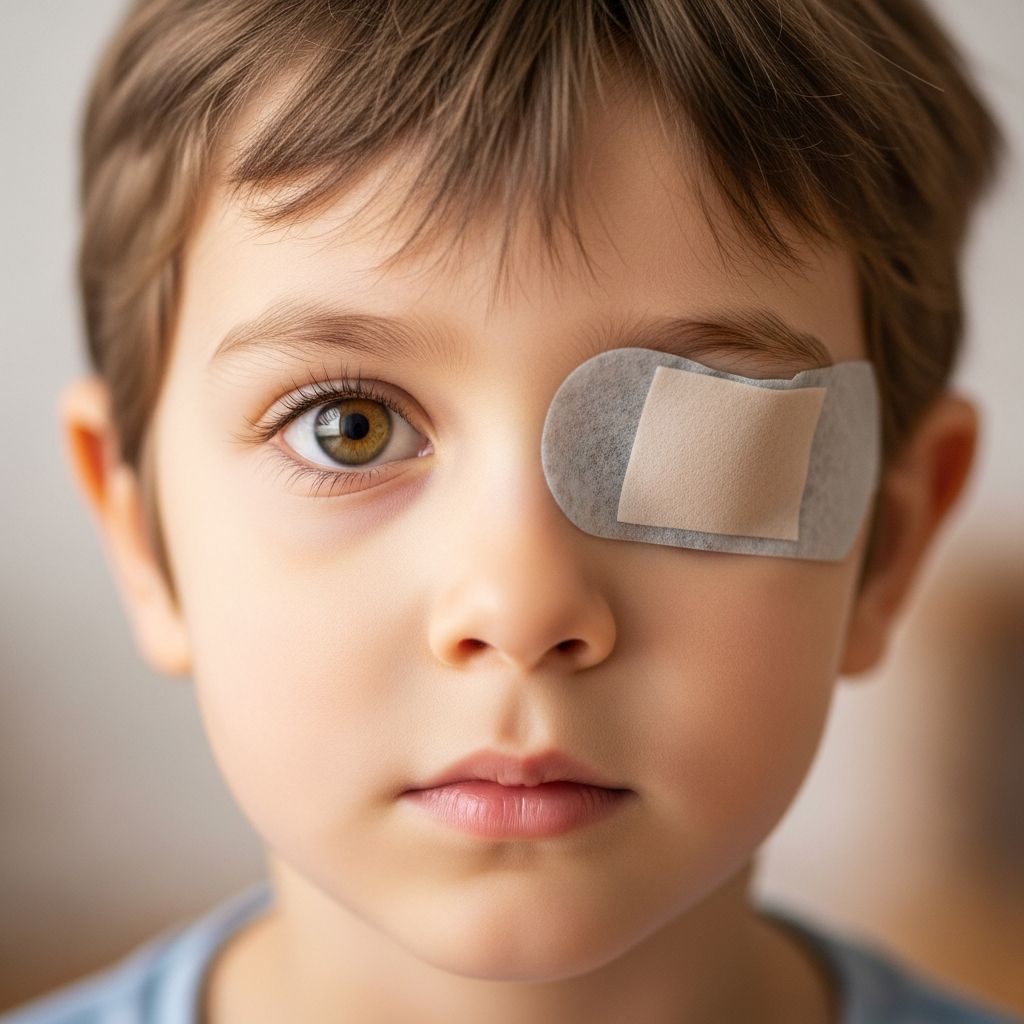
Lazy eye, medically known as amblyopia, represents one of the most common vision disorders affecting children today. Unlike conditions that result from eye damage or disease, amblyopia develops during the critical early years when the visual system is still forming. During this developmental window, the brain gradually learns to rely more heavily on one eye while suppressing input from the other, leading to permanently reduced vision if left unaddressed.
The condition typically emerges between birth and age seven, with early intervention being crucial for preserving functional vision throughout life. Understanding the mechanisms behind lazy eye, recognizing its subtle warning signs, and knowing about available treatment options can help parents and caregivers take prompt action to protect their child’s visual future.
What Happens During the Development of Amblyopia
The human visual system does not function fully from birth. Instead, the eyes and brain undergo a sophisticated developmental process throughout infancy and early childhood. During these formative years, neural pathways between the retina and the visual cortex of the brain are being established and strengthened based on the visual experiences the child encounters.
When a child experiences abnormal visual input during this critical period, the brain’s development can be disrupted. If one eye consistently sends blurry, misaligned, or otherwise inferior images compared to the other eye, the developing brain begins to favor the clearer-seeing eye. Over time, the brain literally suppresses or ignores signals from the weaker eye, progressively weakening its connection to the visual processing centers. This neural suppression is the hallmark of amblyopia.
The severity and permanence of vision loss depend primarily on how early the abnormal visual condition began and how long it persisted without correction. A child whose eyes are misaligned for just a few weeks during infancy can develop significant amblyopia, while the same misalignment corrected quickly may result in minimal vision loss. This time-sensitive nature of visual development underscores why early detection and treatment are absolutely critical.
Primary Causes of Lazy Eye
Amblyopia does not arise spontaneously. Instead, it develops as a consequence of specific visual problems that create unequal or inadequate visual stimulation during early development. Understanding these underlying causes helps explain why each case may require a different treatment approach.
Eye Misalignment (Strabismus)
The most common trigger for lazy eye is strabismus, a condition where the two eyes do not aim in the same direction. One eye may turn inward toward the nose, outward toward the temple, or in other directions, while the other maintains proper alignment. This misalignment creates a fundamental problem: the brain receives two different images from the two eyes, which would normally result in double vision.
To resolve this uncomfortable double vision, the developing brain employs a strategy of simply ignoring the image from the misaligned eye. While this eliminates the diplopia, it comes at a cost. The eye that is being ignored fails to develop proper connections with the visual cortex, and its vision remains permanently impaired if the misalignment is not corrected.
Related Stories



Refractive Errors and Image Clarity
The eye functions similarly to a camera, focusing light rays onto the retina to create a clear image. When the eye’s focusing power does not match its length, refractive errors result. These include nearsightedness (myopia), farsightedness (hyperopia), and astigmatism (uneven curvature of the cornea or lens).
While refractive errors are usually easily corrected with glasses or contacts, a significant difference in refractive error between the two eyes creates a problematic situation during early development. If one eye is substantially more nearsighted or farsighted than the other, the images reaching the brain from each eye will have different clarity levels. The brain preferentially processes the sharper image from the less affected eye, leaving the more blurred eye underdeveloped. This disparity-driven form of amblyopia is sometimes called anisometropia when referring to the underlying refractive difference.
Physical Obstruction of Vision
Any condition that prevents clear light from reaching the retina can trigger amblyopia. A congenital cataract, which is a clouding of the eye’s lens present from birth, represents the most serious example. Other obstructive conditions include corneal scarring, drooping eyelids that block the visual axis, or tumors affecting the eyelid.
Deprivation amblyopia, as this form is called, often produces the most severe vision loss because the eye receives essentially no usable visual information during the critical developmental period. Even after the obstruction is surgically removed or treated, the damage to visual development may be partially or entirely irreversible depending on how long the obstruction persisted.
Risk Factors That Increase Susceptibility
While any child can develop amblyopia, certain characteristics make some children more vulnerable. Recognizing these risk factors can help families ensure their children receive appropriate screening and early detection.
- Premature birth: Infants born significantly before their due date face increased risk, as their visual systems had less time to develop in the womb and require careful monitoring in early infancy.
- Low birth weight: Children born smaller than average often have associated developmental considerations that increase amblyopia risk.
- Family history: Lazy eye tends to run in families, suggesting genetic factors influence susceptibility to both the underlying causes of amblyopia and the condition itself.
- Developmental delays or disabilities: Children with diagnosed developmental conditions face higher rates of vision problems, including amblyopia.
Recognizing the Symptoms of Lazy Eye
Unlike many eye conditions that cause obvious symptoms, amblyopia often develops silently without attracting parental attention. This invisibility is precisely why routine vision screening is so important. However, several signs may indicate a child has reduced vision in one eye.
Behavioral and Observable Signs
Children with lazy eye may exhibit subtle behavioral patterns that hint at their vision problem. A child might consistently tilt or turn their head to one side when viewing objects, effectively using their better eye preferentially. Some children squint with the affected eye or seem to have difficulty judging distances, resulting in clumsiness or frequent stumbling.
In cases where one eye wanders due to strabismus, the misalignment itself is often visible, though this is not always the case. Parents may notice that their child favors one eye, closing or avoiding use of the other eye when possible.
Vision-Related Performance Changes
As children begin school, teachers or parents may notice difficulties with tasks requiring clear vision. A child with amblyopia may struggle to see the blackboard clearly, have trouble reading, or show less interest in activities requiring detailed visual processing. Some children complain of headaches or eye strain, particularly after visual work.
The Challenge of Silent Diagnosis
Many children with mild to moderate amblyopia show no obvious symptoms in everyday life because they function reasonably well using their better eye. The weaker eye’s reduced vision may go completely unnoticed by parents and even teachers until formal vision screening reveals the problem. This highlights why standardized vision screening at ages 6 months, 3 years, and during preschool evaluation is essential for early detection.
Diagnostic Evaluation and Testing
Identifying amblyopia requires more than a simple vision check asking whether a child can read letters on a chart. Eye care professionals employ several specialized techniques to detect lazy eye, particularly in young children who cannot yet communicate clearly about their vision.
For infants and toddlers, eye specialists use techniques such as preferential looking tests, where the child’s natural tendency to look at patterns or objects is observed. Cover tests, where one eye is covered while the specialist observes the other eye’s movement and fixation, help detect both vision loss and eye misalignment. Visual acuity testing methods are adapted for the child’s developmental level, sometimes using pictures or symbols rather than letters.
A comprehensive eye examination also includes evaluation of eye alignment, focusing ability, and the health of internal eye structures. Imaging studies may be ordered if cataracts or other media opacities are suspected. The key to successful diagnosis is thorough evaluation performed by an eye care professional experienced in pediatric vision assessment.
Treatment Approaches and Intervention Strategies
The fundamental principle underlying all amblyopia treatment is the same: improve the quality of the image reaching the brain from the affected eye and then force the brain to use that eye. The brain’s remarkable neuroplasticity during early childhood allows vision to improve substantially even after months or years of deprivation, provided treatment is initiated before the critical developmental window closes.
Correcting Underlying Vision Problems
When refractive errors contribute to amblyopia, the first step is correcting these errors with appropriately prescribed glasses or contact lenses. By providing the previously blurred eye with a clear image, the optical foundation for recovery is established. In some cases, particularly mild refractive amblyopia, improving image clarity alone may be sufficient for vision to improve as the brain is given the opportunity to use the previously disadvantaged eye.
Contact lenses may be preferred over glasses in some situations because they provide a wider field of clear vision and avoid the optical distortions that glasses can create. For very young children, glasses are typically the more practical option.
Eye Patching Therapy
Patching remains one of the most effective and widely used treatments for amblyopia. A patch is placed over the child’s stronger eye, forcing the brain to rely on visual input from the weaker eye. As the weaker eye is used more intensively, its neural connections to the visual cortex strengthen, and vision gradually improves.
The duration of daily patching required varies based on the severity of amblyopia, the child’s age, and how well the brain responds to the therapy. Young children typically benefit from several hours of patching daily, while older children may require longer periods. Treatment duration can span weeks to months, with gradual improvement expected during this time.
Compliance with patching therapy is often challenging, as children naturally resist covering their better eye. Strategies to improve adherence include involving the child in patch selection, making the patch visually interesting, and emphasizing the temporary nature of treatment. Some children respond well to reward systems, while others benefit from understanding that the patching will help their eye become stronger.
Pharmaceutical Treatment with Atropine
Atropine eye drops offer an alternative or supplement to patching for some children. A specially formulated atropine drop, typically administered once daily, temporarily blurs near vision in the stronger eye by temporarily paralyzing the focusing muscle. This blurring makes the stronger eye less useful for near tasks, encouraging the brain to rely more on the weaker eye for both distant and near vision activities.
For some children and families, atropine drops prove more acceptable than patching because they avoid the visible patch that some children resist. Additionally, atropine allows the stronger eye to retain useful distance vision, which some specialists believe may accelerate improvement in the weaker eye. Research suggests that atropine can be as effective as patching for many cases of amblyopia.
Vision Therapy and Rehabilitation Exercises
Structured vision therapy programs involve specialized exercises designed to improve visual function and eye coordination. These may include activities such as tracing dot-to-dot patterns, coloring within lines, playing video games specifically designed for vision development, or using the Brock string (a string with beads at various distances used to develop binocular skills).
While vision therapy alone is not sufficient to treat amblyopia, it may enhance outcomes when combined with patching or optical correction. The exercises provide intensive practice using the weaker eye and can help develop improved eye tracking and focusing abilities.
Surgical Intervention
When eye misalignment (strabismus) is contributing to amblyopia, corrective eye muscle surgery may be recommended. By realigning the eyes, surgery eliminates the double vision that causes the brain to suppress one eye. Early surgical correction of strabismus can prevent amblyopia from developing or can halt its progression and allow recovery to begin.
Similarly, surgical removal of cataracts or other obstructing lesions must sometimes precede other amblyopia treatments to allow light to reach the retina properly.
Timeline and Expected Outcomes
The timeline for improvement in amblyopia varies considerably based on several factors. Age at initiation of treatment is perhaps the most important predictor of success. Children treated early in infancy may show rapid vision improvement, sometimes within weeks. Older children, particularly those over age seven, show slower improvement and often achieve less complete recovery.
The severity of the initial vision loss also influences prognosis. Children with mild to moderate amblyopia typically respond well to treatment, while those with more severe vision loss may experience slower improvement and might not achieve perfect vision in the affected eye. Compliance with prescribed treatment is another crucial factor—children who adhere consistently to patching or drops generally show better outcomes than those with intermittent compliance.
Most children continue to show improvement for several months of treatment, though plateau may eventually occur. The goal of treatment is not always to restore perfect vision to the affected eye, but rather to achieve functional binocular vision and reduce the risk of vision loss if something happens to the stronger eye later in life.
Prevention and Screening Recommendations
Since amblyopia develops as a consequence of specific vision problems, the best prevention strategy is early detection and treatment of conditions that cause it. This requires consistent vision screening during infancy and early childhood, ideally at 6 months, 3 years of age, and during preschool evaluation.
Parents who have family histories of lazy eye, strabismus, or refractive errors should ensure their children receive comprehensive eye exams even if they show no obvious symptoms. Children born prematurely or with low birth weight warrant earlier and more frequent vision screening than low-risk children.
Long-Term Management and Follow-Up Care
Even after amblyopia treatment concludes and vision has improved, ongoing follow-up care remains important. The eye specialist will monitor the child’s vision development, ensure that the treated eye maintains its improvement, and watch for any recurrence of the condition. Regular eye examinations throughout childhood help ensure that new vision problems are detected promptly.
Children who have experienced amblyopia should understand the importance of protecting their vision in both eyes throughout life. If injury or disease ever affects their stronger eye in adulthood, the previously amblyopic eye becomes crucial for maintaining functional vision.
References
- Lazy Eye (Amblyopia): Symptoms & Causes — Mayo Clinic. 2024. https://www.mayoclinic.org/diseases-conditions/lazy-eye/symptoms-causes/syc-20352391
- Amblyopia (Lazy Eye) — National Eye Institute, National Institutes of Health. 2024. https://www.nei.nih.gov/eye-health-information/eye-conditions-and-diseases/amblyopia-lazy-eye
- Amblyopia (Lazy Eye) – Symptoms and Causes — Penn Medicine. 2024. https://www.pennmedicine.org/conditions/amblyopia-lazy-eye
- Amblyopia (Lazy Eye) — Cincinnati Children’s Hospital Medical Center. 2024. https://www.cincinnatichildrens.org/health/a/amblyopia
- Amblyopia (Lazy Eye) — University of Michigan Health. 2024. https://www.uofmhealth.org/our-care/specialties-services/amblyopia-lazy-eye
- Amblyopia: Symptoms, Risks, and Effective Treatments — Vision Specialists. 2024. https://vision-specialists.com/blog/amblyopia-symptoms-and-treatments/
- Lazy Eye (Amblyopia) – Symptoms, Causes & Treatment — Lions Eye Institute for Transplant & Research. 2024. https://www.lei.org.au/services/eye-health-information/amblyopia-lazy-eye/
Similar Articles








Read full bio of Sneha Tete