Lazy Eye Surgery: Essential Guide To Procedures & Recovery
Discover when surgery is needed for amblyopia, what procedures involve, recovery tips, and long-term vision outcomes for kids and adults.
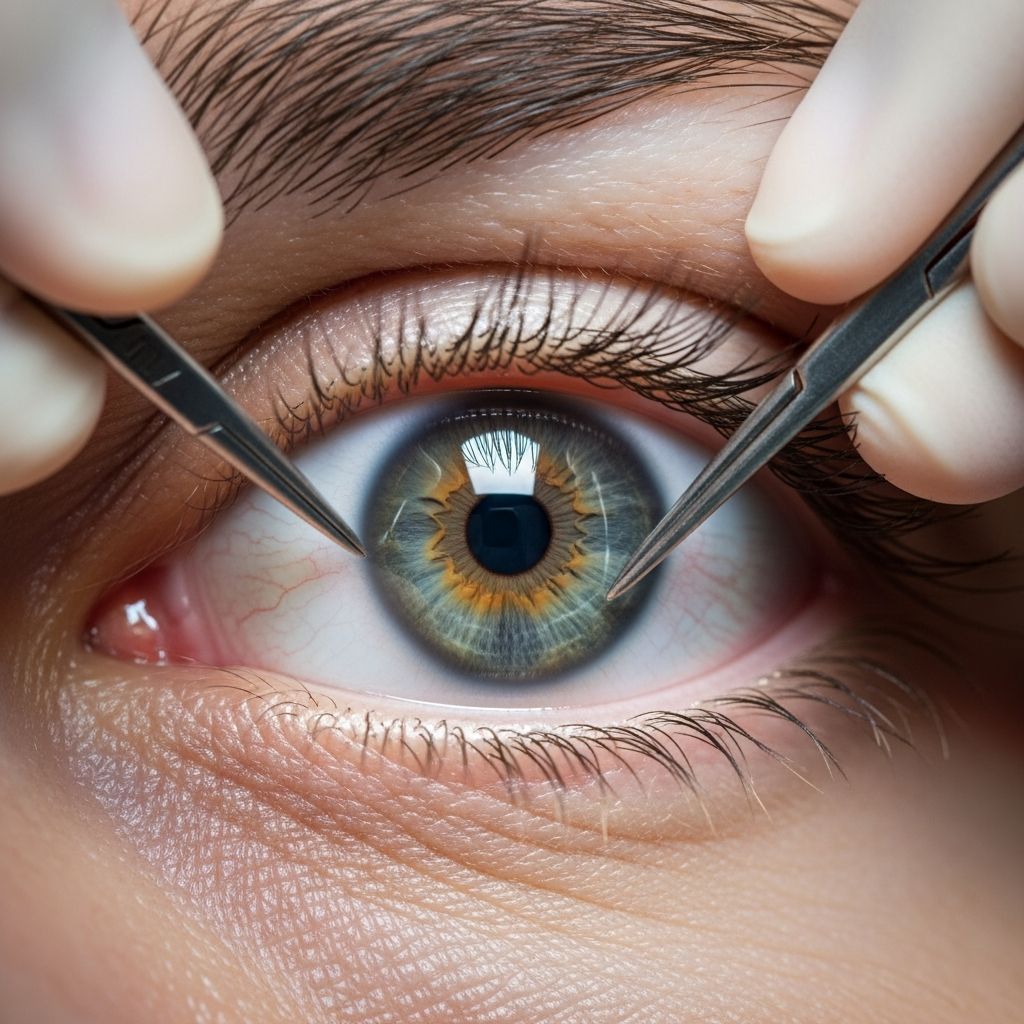
Lazy eye, medically termed amblyopia, arises when the brain favors one eye over the other, leading to underdeveloped vision in the weaker eye. While patching and glasses often suffice, surgery becomes essential for underlying issues like misaligned eyes or clouded lenses. This guide delves into surgical interventions, drawing from expert insights to clarify procedures, candidacy, and expectations.
Understanding Amblyopia and Surgical Triggers
Amblyopia disrupts normal visual development, typically in childhood, due to strabismus (eye misalignment), refractive errors, or vision blockers like cataracts. Non-surgical options like corrective lenses or atropine drops aim to force use of the weak eye. However, surgery intervenes when these fail or structural problems persist, such as crossed eyes preventing binocular vision or congenital cataracts clouding sight.
- Strabismus-related amblyopia: Misaligned eyes signal the brain to suppress input from one side, fostering laziness.
- Deprivation amblyopia: Cataracts or droopy lids block light, stunting retinal growth.
- Refractive amblyopia: Rarely surgical unless paired with misalignment.
Pediatric ophthalmologists assess severity via exams; surgery is prioritized in infants to harness neural plasticity before age 7-8.
Primary Surgical Procedures for Lazy Eye
Surgery targets root causes rather than amblyopia directly, realigning eyes or clearing blockages to enable vision therapy success. Key operations include strabismus repair, cataract extraction, and eyelid corrections.
Strabismus Surgery: Realigning Eye Muscles
This outpatient procedure adjusts extraocular muscles controlling eye position. Surgeons perform muscle recession (loosening overactive muscles by reattaching farther back) or resection (shortening weak muscles by excising segments).
| Procedure Type | Description | Typical Duration | Anesthesia |
|---|---|---|---|
| Muscle Recession | Detaches and reattaches muscle posteriorly to weaken pull | 30-60 min per eye | General |
| Muscle Resection | Removes muscle portion, reattaches anteriorly to strengthen | 30-60 min per eye | General |
In children, it improves alignment for patching efficacy; adults gain cosmetic benefits and potential depth perception. A lid speculum holds the eye open during conjunctival incisions, minimizing scarring.
Cataract Surgery in Infants and Children
Congenital cataracts cloud the lens, prompting urgent removal to avert permanent amblyopia. For infants under 6 months, the lens is excised and focus achieved via contacts or glasses; older children receive intraocular lens (IOL) implants.
Performed under general anesthesia, the procedure replaces the opaque lens, restoring light passage to the retina. Timing is critical—delays risk irreversible vision loss.
Addressing Ptosis and Other Blockers
Drooping eyelids (ptosis) can reinduce amblyopia by obstructing vision. Eyelid lift surgery repositions tissues, often by facial specialists, complementing primary treatments.
Less common: surgeries for corneal issues or trauma-related obstructions.
Who Qualifies for Lazy Eye Surgery?
Candidacy hinges on diagnosis. Children with persistent strabismus post-patching or uncorrectable cataracts qualify. Adults benefit if misalignment recurs or cosmetics matter, though vision gains are limited post-critical period.
Related Stories



- Infants with cataracts: Immediate surgery recommended.
- Strabismic kids: If glasses/patches fail after 3-6 months.
- Adults: Recurrent strabismus, ptosis impacting prior corrections.
Contraindications include stable mild cases responsive to non-invasive care. Comprehensive exams rule out neurological issues.
Preparation and What to Expect on Surgery Day
Pre-op involves fasting, medication reviews, and baseline vision tests. Parents receive child-specific instructions; adults may need driver arrangements post-anesthesia.
Day-of: General anesthesia induces sleep; adjustable muscles are precisely manipulated via microscope. Bilateral cases extend time but allow single recovery.
Recovery Timeline and Post-Op Care
Most return home same day, with redness/swelling peaking at 48 hours. Vision stabilizes in weeks, though full alignment may take months.
- Days 1-3: Antibiotic/steroid drops prevent infection; avoid rubbing eyes.
- Weeks 1-4: Follow-up checks alignment; resume patching if prescribed.
- Months 1-6: Vision therapy monitors amblyopia progress.
Activities: No swimming for 2 weeks; screen time limited initially.
Potential Risks and Complication Management
Complications are rare (<5%), encompassing under/over-correction, double vision (diplopia), infection, or muscle slippage.
- Diplopia: Often transient; prisms or reoperation if persistent.
- Infection/Bleeding: Mitigated by drops.
- Scarring: Minimal due to conjunctival access.
Repeat surgeries occur in 20-30% for optimal alignment, enhancing vision therapy odds.
Effectiveness: Realistic Outcomes and Success Rates
Surgery straightens eyes in 70-90% initially, but amblyopia resolution requires combined therapy. Children under 7 see best gains; adults improve alignment (80% satisfaction) with modest vision boosts.
Strabismus surgery doesn’t rewire brain pathways directly—patching post-op is key. Cataract removal yields high success if early.
Non-Surgical Alternatives Before Considering Surgery
Primary treatments: Patching (2-6 hours/day), atropine drops blurring strong eye, vision therapy. Surgery follows failure.
| Treatment | Age Suitability | Success Rate |
|---|---|---|
| Patching | Children primarily | 70-90% improvement |
| Atropine Drops | 3-12 years | Comparable to patching |
| Vision Therapy | All ages | Adjunctive |
Life After Surgery: Long-Term Vision Management
Post-op, regular ophthalmology visits track progress. Many achieve functional binocular vision; others manage with glasses. Adults report enhanced confidence from straighter eyes.
Ongoing care prevents recurrence, especially in growing kids.
Frequently Asked Questions (FAQs)
Is lazy eye surgery painful?
No, general anesthesia ensures comfort; post-op discomfort is mild, controlled by drops.
How long does recovery take for children?
Back to school in 3-7 days; full activity in 2 weeks.
Can adults benefit from strabismus surgery?
Yes, for alignment and depth perception, though full vision recovery is unlikely.
Does insurance cover lazy eye surgery?
Often yes for medical necessity; cosmetic adult cases vary.
What if surgery doesn’t fix vision?
Combine with patching/therapy; revisions possible.
Choosing the Right Specialist
Seek pediatric ophthalmologists or strabismus experts at centers like NYU Langone or Mayo Clinic affiliates. Board certification and experience in adjustable sutures boost outcomes.
References
- Surgery for Lazy Eye | NYU Langone Health — NYU Langone. 2023. https://nyulangone.org/conditions/lazy-eye/treatments/surgery-for-lazy-eye
- How to Fix a Lazy Eye: Treatment Options and Costs — CareCredit. 2024. https://www.carecredit.com/well-u/health-wellness/how-to-fix-lazy-eye/
- Treating Lazy Eyes In Adults | Henry Ford Health — Henry Ford Health. 2024-08. https://www.henryford.com/Blog/2024/08/Treating-Lazy-Eyes-In-Adults
- Fixing a Lazy Eye: Your Best Options in 2025 — NVISION Eye Centers. 2025. https://www.nvisioncenters.com/conditions/lazy-eye/
- Lazy eye (amblyopia) – Diagnosis & treatment — Mayo Clinic. 2023. https://www.mayoclinic.org/diseases-conditions/lazy-eye/diagnosis-treatment/drc-20352396
Similar Articles








Read full bio of medha deb