LDL Cholesterol: What It Is & How to Manage It
Understanding LDL cholesterol and effective strategies to lower your cardiovascular risk.
Understanding LDL Cholesterol: The Basics
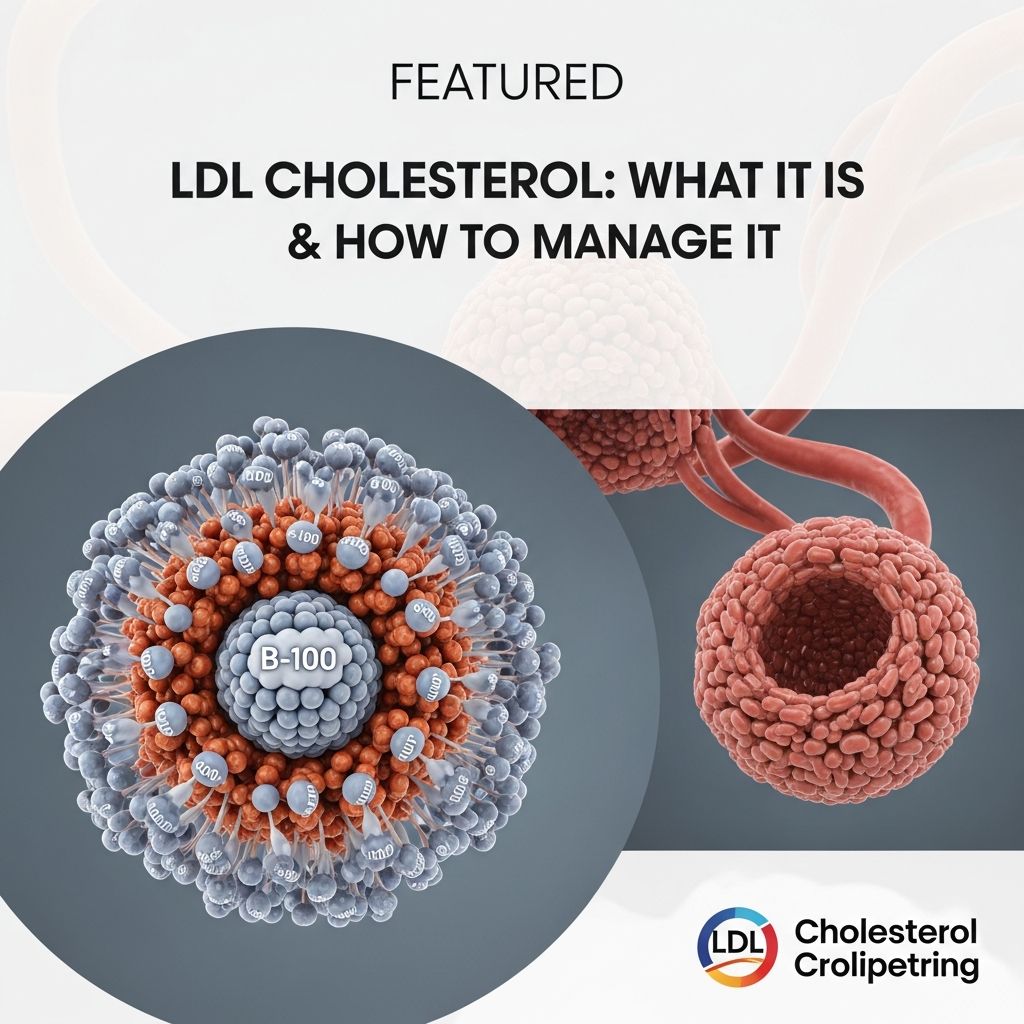
Low-density lipoprotein (LDL) cholesterol has earned the nickname “bad cholesterol” for good reason. Unlike other forms of cholesterol your body needs to function properly, excess LDL cholesterol in your bloodstream can accumulate in your arteries, leading to serious health complications. Understanding what LDL cholesterol is and how it affects your body is the first step toward managing your cardiovascular health effectively.
LDL cholesterol is a type of lipoprotein—a particle that transports fats throughout your body. When your LDL levels are elevated, these particles deposit cholesterol on your artery walls, forming plaques in a process called atherosclerosis. This buildup narrows your arteries and reduces blood flow, increasing your risk of heart attacks and strokes. The good news is that you have significant control over your LDL cholesterol levels through lifestyle modifications and, when necessary, medical treatment.
Why LDL Cholesterol Matters for Your Health
Maintaining healthy LDL cholesterol levels is crucial for preventing cardiovascular disease, which remains a leading cause of death and disability worldwide. Research demonstrates that for every 1.0-mmol/L (18-mg/dL) decrease in LDL cholesterol, there is a 22% relative risk reduction in major vascular events. This means that even modest reductions in your LDL levels can significantly improve your long-term health outcomes.
High LDL cholesterol can contribute to several serious conditions:
- Plaque buildup in your arteries (atherosclerosis)
- Narrowing of blood vessels, reducing oxygen flow to your heart
- Blood clots that can trigger heart attacks or strokes
- Coronary artery disease and other cardiovascular complications
The relationship between LDL cholesterol and atherosclerosis is well-established and causal. This means that elevated LDL cholesterol directly causes the disease progression, making cholesterol management essential for everyone, regardless of age.
What Are Healthy LDL Cholesterol Levels?
Understanding the target ranges for LDL cholesterol helps you know whether your levels are healthy. Most adults should aim to keep their LDL cholesterol below 100 mg/dL (milligrams per deciliter). However, if you have a history of atherosclerosis or other cardiovascular disease, your healthcare provider may recommend an even lower goal of below 70 mg/dL.
Here is a breakdown of LDL cholesterol categories:
| LDL Cholesterol Level | Category |
|---|---|
| Below 100 mg/dL | Optimal |
| 100-129 mg/dL | Near Optimal |
| 130-159 mg/dL | Borderline High |
| 160-189 mg/dL | High |
| 190 mg/dL or higher | Very High |
An LDL level above 100 mg/dL raises your risk of cardiovascular disease. Your individual target may vary based on your age, sex, overall health status, and cardiovascular risk profile. It’s important to discuss your personal LDL goals with your healthcare provider, as they can assess your complete health picture and recommend appropriate targets for you.
Factors That Influence Your LDL Cholesterol Levels
Multiple factors affect your LDL cholesterol levels, and understanding them can help you take targeted action. Some factors are within your control, while others are determined by genetics and aging.
Related Stories



Controllable factors include:
- Diet—Foods high in saturated fat and trans fat raise LDL cholesterol
- Physical activity—Regular exercise helps lower LDL levels
- Weight management—Excess weight can increase LDL cholesterol
- Smoking—Quitting smoking improves cholesterol profiles
- Stress management—Chronic stress can affect cholesterol levels
Non-controllable factors include:
- Genetics—Your family history influences your cholesterol levels
- Age—LDL cholesterol tends to increase as you get older
- Sex—Hormonal changes affect cholesterol, particularly after menopause
- Existing health conditions—Diabetes and thyroid disease can raise LDL cholesterol
People who have gone through menopause and adults over 40 are particularly at risk for high LDL levels. As you age, your metabolism slows and your liver becomes less efficient at removing bad cholesterol from your body. Even children can develop cholesterol problems, often due to genetic factors or lifestyle habits established early in life.
How to Check Your Cholesterol Levels
Healthcare providers use a simple blood test called a lipid panel to measure your cholesterol levels, including LDL. This test typically requires fasting for 9-12 hours beforehand for the most accurate results. Your lipid panel will report several important numbers: your total cholesterol, LDL cholesterol, HDL cholesterol, and triglycerides.
When you receive your cholesterol results, it’s crucial to understand what the numbers mean. Your healthcare provider should explain not just your LDL level, but also your HDL (the “good” cholesterol) and how these numbers together indicate your cardiovascular risk. Generally, healthcare providers encourage lower LDL cholesterol levels and higher HDL cholesterol levels to reduce your disease risk.
Understanding HDL: The Good Cholesterol
While LDL cholesterol is often called “bad cholesterol,” HDL cholesterol deserves the title “good cholesterol” because it actually helps remove excess LDL cholesterol from your blood. HDL acts like a cleanup crew, transporting cholesterol back to your liver where it can be processed and eliminated from your body.
Ideally, you want your HDL cholesterol levels to be 60 mg/dL or higher, though a standard range is 40-59 mg/dL. When your HDMI levels fall below 40 mg/dL, you’re at significantly increased risk for heart disease. The combination of low HDL and high LDL creates a particularly dangerous scenario for your cardiovascular health, which is why healthcare providers focus on improving both numbers.
Lifestyle Changes to Lower Your LDL Cholesterol
The foundation of LDL cholesterol management is making healthy lifestyle choices. Many people can significantly reduce their LDL levels through diet and exercise modifications without requiring medication.
Dietary Changes: To lower your cholesterol, you should limit foods high in saturated fat and avoid foods containing trans fat, as these raise your LDL cholesterol. Focus on eating plenty of fruits, vegetables, whole grains, and lean proteins. Fish rich in omega-3 fatty acids, nuts, and plant-based oils can all help improve your cholesterol profile. Reducing your intake of processed foods, fatty meats, and full-fat dairy products is equally important.
Physical Activity: Regular exercise plays a crucial role in managing LDL cholesterol. Aim for at least 150 minutes of moderate-intensity aerobic activity per week, combined with strength training exercises. Physical activity helps raise your HDL cholesterol and can lower your LDL levels and triglycerides.
Weight Management: If you’re overweight, losing even 5-10% of your body weight can improve your cholesterol levels. Excess weight contributes to higher LDL and lower HDL cholesterol levels.
Smoking Cessation: If you smoke, quitting is one of the most important steps you can take for your cholesterol and overall cardiovascular health. Smoking damages your blood vessels and worsens your cholesterol profile.
Medical Treatments for High LDL Cholesterol
When lifestyle changes alone aren’t sufficient to achieve your LDL goals, your healthcare provider may recommend medication. Statins are the most commonly prescribed cholesterol-lowering medications and have a decades-long track record of safety and effectiveness. They work by reducing the amount of cholesterol your liver produces.
For patients who cannot tolerate statins or who don’t achieve adequate results with statin therapy alone, several nonstatin options are available. PCSK9 monoclonal antibodies, which are administered through injections, can reduce LDL cholesterol by approximately 50% when used alone, and by approximately 70% when combined with statin therapy. These fully human monoclonal antibodies bind to proteins that regulate LDL receptor function, leading to increased removal of LDL cholesterol from the bloodstream.
Other nonstatin therapies include bempedoic acid and ezetimibe, which work through different mechanisms to lower LDL cholesterol. Some patients benefit from combination therapy, using multiple medications to achieve their target LDL levels. Your healthcare provider will work with you to determine the most appropriate treatment based on your individual risk factors, tolerance for medications, and treatment goals.
Cholesterol Management in Children
High cholesterol isn’t just an adult concern. In children, LDL cholesterol should be below 110 mg/dL, and levels of 130 mg/dL or above are considered high. High LDL levels in children can contribute to plaque buildup in their arteries, potentially leading to cardiovascular problems later in life. Children with family histories of high cholesterol or premature heart disease should be screened, and those with elevated levels should be monitored closely and counseled on healthy habits.
Working With Your Healthcare Provider
Managing your LDL cholesterol is a collaborative process between you and your healthcare team. Your provider will consider your complete health picture, including your cardiovascular risk factors, family history, existing conditions, and personal preferences when developing your cholesterol management plan. Rather than applying a one-size-fits-all approach, modern cholesterol management emphasizes individualized target LDL levels based on shared decision-making between patients and providers.
Regular monitoring through lipid panels helps ensure that your treatment plan is working effectively. Most people being treated for high cholesterol should have their lipid levels checked periodically to assess their response to therapy and make any necessary adjustments.
Frequently Asked Questions
Q: What’s the difference between LDL and total cholesterol?
A: Total cholesterol is the sum of all cholesterol in your blood, including LDL, HDL, and other lipoproteins. LDL cholesterol is specifically the “bad” cholesterol that contributes to plaque buildup. Your total cholesterol number alone doesn’t tell the complete story—you need to know your LDL and HDL levels to fully understand your cardiovascular risk.
Q: Can I lower my cholesterol through diet alone?
A: Many people can significantly improve their cholesterol levels through dietary changes, exercise, and weight loss. However, genetics plays a major role in cholesterol levels, and some people with familial hypercholesterolemia require medication to achieve healthy levels. Your healthcare provider can help determine whether lifestyle changes alone will be sufficient for your situation.
Q: How often should I have my cholesterol checked?
A: Adults should generally have their cholesterol checked at least once every 4-6 years starting at age 20. If you have high cholesterol or are taking cholesterol-lowering medications, your provider may recommend more frequent testing to monitor your progress and adjust treatment as needed.
Q: Are there any natural supplements that can lower LDL cholesterol?
A: Some supplements like plant sterols and red yeast rice have shown modest effects on cholesterol levels, but they are not substitutes for proven medical treatments. Always discuss any supplements you’re considering with your healthcare provider, as some may interact with cholesterol medications or have side effects.
Q: Can stress affect my LDL cholesterol levels?
A: Yes, chronic stress can negatively affect your cholesterol profile and increase your cardiovascular risk. Managing stress through relaxation techniques, exercise, and other coping strategies can help improve your overall health and cholesterol levels.
References
- Nonstatin therapy to reduce low-density lipoprotein cholesterol and cardiovascular events — Cleveland Clinic Journal of Medicine. 2024-01-15. https://www.ccjm.org/content/91/1/53
- LDL Cholesterol: What It Is & How to Manage It — Cleveland Clinic. 2024. https://my.clevelandclinic.org/health/articles/24391-ldl-cholesterol
- The Difference Between HDL and LDL Cholesterol — Cleveland Clinic. 2024. https://health.clevelandclinic.org/hdl-vs-ldl-cholesterol
- Lipoproteins: What They Are, Function & Importance — Cleveland Clinic. 2024. https://my.clevelandclinic.org/health/articles/23229-lipoprotein
- Cholesterol Diet: How Nutrition & Foods Impact Levels — Cleveland Clinic. 2024. https://my.clevelandclinic.org/health/articles/16867-cholesterol–nutrition-tlc
- High Cholesterol in Children Symptoms, Causes & Treatment — Cleveland Clinic. 2024. https://my.clevelandclinic.org/health/diseases/12113-high-cholesterol-in-children
- Hyperlipidemia (High Cholesterol): Levels, Causes, Symptoms — Cleveland Clinic. 2024. https://my.clevelandclinic.org/health/diseases/21656-hyperlipidemia
Similar Articles








Read full bio of medha deb