Lead In Protein Powder: 5 Safer Brands And How To Choose
Consumer Reports reveals lead contamination in protein powders: Safer choices, expert insights, and what you need to know for safe supplementation.
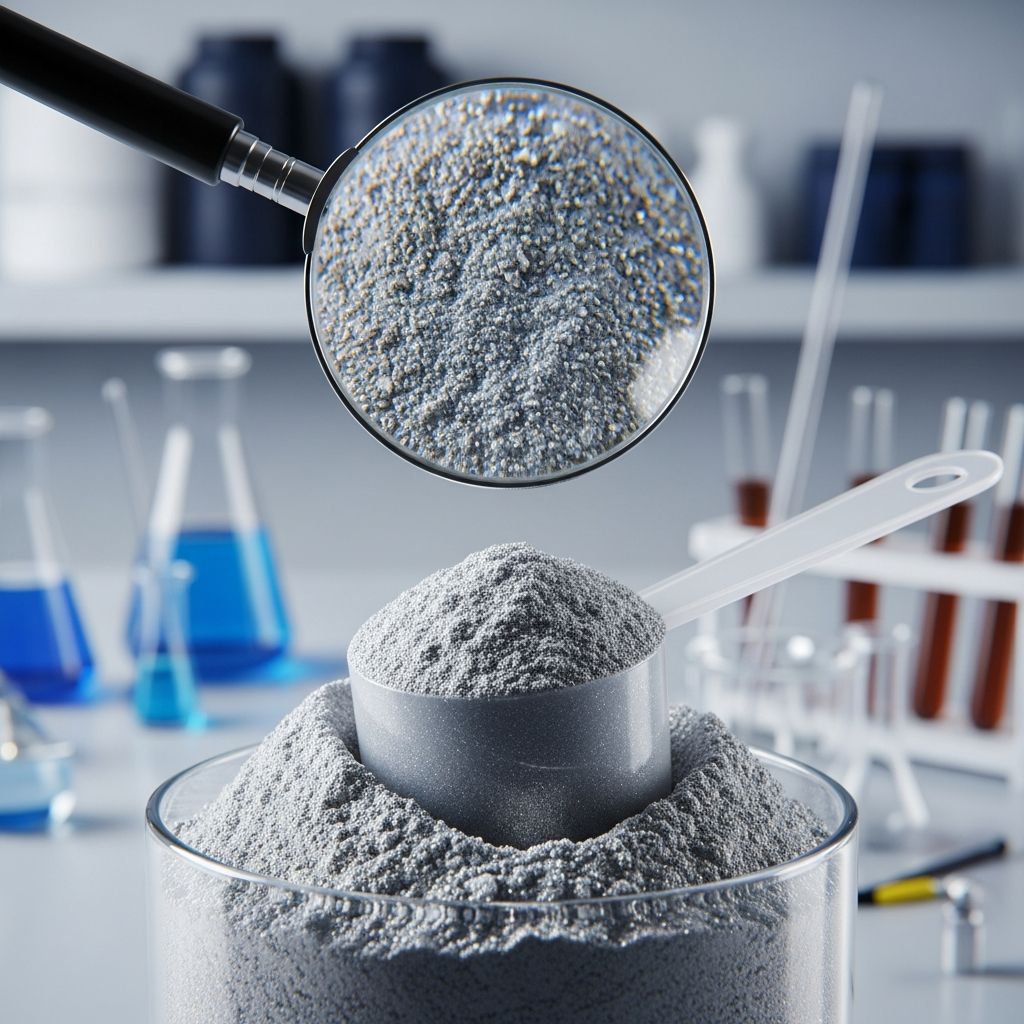
Recent testing by Consumer Reports has uncovered concerning levels of lead in popular protein powders and shakes, raising alarms about heavy metal contamination in dietary supplements. While protein powders are a convenient way to boost intake, the presence of lead—even in trace amounts—prompts questions about long-term safety, especially for daily users. This article breaks down the test results, expert perspectives, safer alternatives, and regulatory gaps, helping you make informed choices.
What Consumer Reports Found in Protein Powders
Consumer Reports conducted rigorous lab testing on 23 popular protein powders and shakes, revealing that most contained elevated levels of lead. The organization’s food safety experts set a
level of concern
at 0.5 micrograms of lead per daily serving, a threshold based on California’s Proposition 65 warning standard, which is more stringent than federal guidelines.Key findings include:
- Nearly all
plant-based
products showed elevated lead, with some exceeding CR’s limit by 1,200-1,600% per serving. - **Dairy-based** powders generally had lower levels, about nine times less lead than plant-based on average.
- Lead levels have risen since CR’s 2010 tests, with fewer products showing undetectable amounts.
- Out of 23 tested, only one had no detectable lead: Muscle Tech 100% Mass Gainer (Vanilla).
The highest offender, Naked Nutrition’s Vegan Mass Gainer, contained nearly twice the lead of the worst product from 2010. Plant-based powders like Garden of Life’s Sport Organic Plant-Based Protein and Momentous’ 100% Plant Protein hit 400-600% of the limit, warranting weekly use only.
Protein Powders CR Recommends Avoiding or Limiting
Two products were flagged as too risky for any consumption due to extreme lead levels:
- Naked Nutrition Vegan Mass Gainer: 1,200-1,600% of CR’s daily lead limit per serving.
- MuscleMeds Carnivor Mass: Over 200% (non-plant-based outlier).
CR advises limiting these to once a week:
- Garden of Life Sport Organic Plant-Based Protein
- Momentous 100% Plant Protein
Six other plant-based, five dairy-based, and one beef powder exceeded the limit but could be used occasionally. Always check labels and prioritize whole foods like eggs, yogurt, and lean meats for protein.
Safer Protein Powders: CR’s Follow-Up Testing
In response to reader demand, Consumer Reports tested five popular chocolate-flavored powders not in the initial study. All passed with lead levels below 0.5 micrograms per serving, proving safer manufacturing is achievable—even for chocolate varieties, which are prone to contamination from cocoa sourcing.
| Product | Lead per Serving (mcg) | % of CR Limit | Recommended Use |
|---|---|---|---|
| Optimum Nutrition Gold Standard 100% Whey | 0.30 | 60% | Daily |
| Premier Protein Powder | 0.38 | 77% | Daily/Near-Daily |
| Truvani Plant-Based (Pea) | 0.46 | 93% | Daily/Near-Daily |
| Orgain Organic Protein | <0.5 | <100% | Daily |
| Quest Protein Powder | <0.5 | <100% | Daily |
Truvani tests every lot 162 times annually for heavy metals, rejecting non-compliant ingredients. Whey-based options like Optimum Nutrition consistently showed lower contamination.
Why Plant-Based Protein Powders Have More Lead
Plant-based proteins, derived from peas, rice, hemp, and cocoa, absorb heavy metals from contaminated soil more readily than animal sources. Cocoa in chocolate flavors exacerbates this, as cacao plants hyperaccumulate lead from soil and air. Dairy-based whey, from cow’s milk, benefits from stricter animal feed regulations and processing that reduces contaminants.
Related Stories



CR’s data confirms plant-based powders averaged nine times more lead than dairy-based. A 2020 study on heavy metals in supplements echoed this, linking soil uptake in crops to higher risks in vegan products.
Expert Reactions: Should You Panic?
Experts urge calm. Brian Ronholm of CR notes no immediate harm from detected levels, but long-term exposure matters. Dr. Pieter Cohen from Harvard highlights industry variability: some brands invest in purity, others cut corners due to lax oversight.
Critics like Dr. Love question CR’s methodology—small sample sizes, lack of peer review, and Prop 65 basis over FDA standards (blood lead <5-10 mcg/dL). Still, CR’s Tunde Akinleye stands by results, noting reproducibility across tests.
The Council for Responsible Nutrition argues CR’s threshold misleads, as it exceeds no federal limits. FDA monitors via compliance programs and plans targeted actions post-CR review.
FDA Oversight and the Need for Stricter Regulations
Dietary supplements fall under FDA’s purview but lack mandatory heavy metal limits, unlike baby foods. CR’s petition for standards has 43,000+ signatures. An FDA spokesperson confirmed reviews and inspections, but enforcement lags.
Without uniform rules, contamination persists. NIH data shows even low chronic lead exposure risks neurological effects, hypertension, and kidney issues—critical for athletes and daily users.
How to Choose Safer Protein Powders
- Opt for NSF Certified or USP Verified: Third-party testing ensures purity.
- Prioritize whey over plant-based if supplementing daily.
- Check brands like those in CR’s safe list: Optimum Nutrition, Truvani.
- Test your own: Some companies offer lot-specific heavy metal reports.
- Limit use: Get protein from food first (aim 0.8g/kg body weight daily).
CR emphasizes: Most don’t need supplements. A 150lb person needs ~55g protein/day from diet alone.
Frequently Asked Questions (FAQs)
What is the safe level of lead in protein powder?
CR uses 0.5 mcg/day; FDA has no specific limit for supplements. Consult blood tests for personal risk.
Are all plant-based proteins unsafe?
No, but they average higher lead. Choose tested brands like Truvani.
Can I still use my protein powder?
If below CR limits, daily OK. Avoid high-lead ones; switch to food sources.
Why no arsenic or cadmium mentions?
CR focused on lead this round; prior tests showed variable heavy metals.
Will FDA regulate protein powders soon?
Agency is reviewing CR data for enforcement, but no timeline announced.
Takeaways for Safe Supplementation
Protein powders offer convenience but aren’t risk-free. CR’s tests spotlight industry inconsistencies, pushing for better practices. While not all brands fail, opting for certified, low-lead options minimizes exposure. Whole foods remain ideal—pair with exercise for gains without worry. Stay informed as FDA responds.
References
- Consumer Reports Found Lead In Protein Powders—What This Means for Safety — Women’s Health Mag. 2024-10-15. https://www.womenshealthmag.com/health/a69193973/consumer-reports-lead-in-protein-powders-safety/
- CR Tested These Protein Powders. All Had Low Levels of Lead — Consumer Reports. 2024-11-20. https://www.consumerreports.org/health/food-safety/these-five-protein-powders-had-low-lead-levels-a1151050701/
- Protein Powders and Shakes Contain High Levels of Lead — Consumer Reports. 2024-10-10. https://www.consumerreports.org/lead/protein-powders-and-shakes-contain-high-levels-of-lead-a4206364640/
- National Institutes of Health Lead Exposure Guidelines — NIH.gov. 2023-05-01. https://www.niehs.nih.gov/health/topics/agents/lead
- A human health risk assessment of heavy metal ingestion among consumers of protein powder supplements — PMC (PubMed Central). 2020-09-15. https://pmc.ncbi.nlm.nih.gov/articles/PMC7509468/
- FDA Dietary Supplements Oversight — FDA.gov. 2024-12-01. https://www.fda.gov/food/dietary-supplements
Similar Articles








Read full bio of medha deb