Leaky Gut Symptoms: What You Need To Know
Recognizing the signs of leaky gut syndrome and understanding its impact on your overall health and well-being.
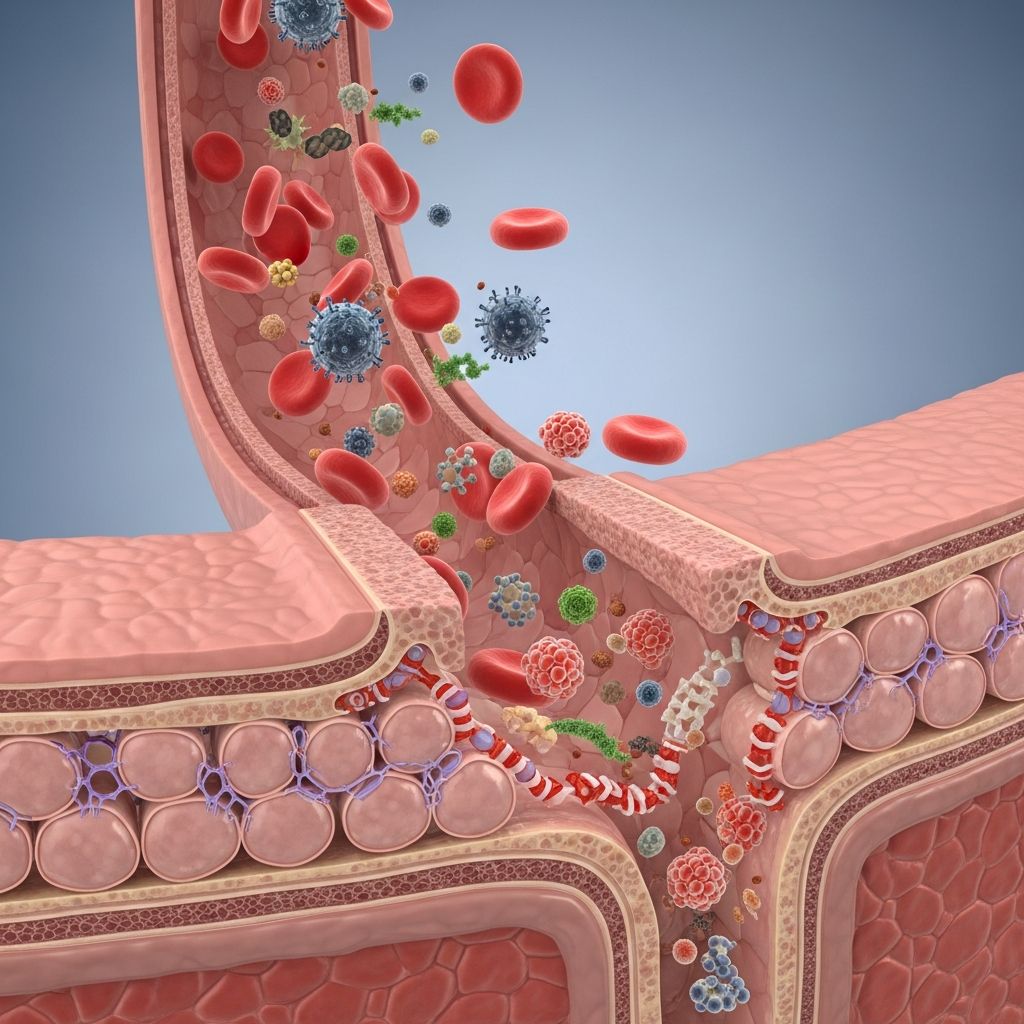
Leaky gut syndrome, also known as increased intestinal permeability, refers to a condition where the lining of the small intestine becomes damaged, allowing undigested food particles, toxins, and bacteria to leak into the bloodstream. This triggers inflammation and a range of symptoms affecting digestion, immunity, and overall health. While not a formal medical diagnosis, it’s linked to various gastrointestinal issues and chronic conditions.
What Is Leaky Gut Syndrome?
The intestinal lining acts as a selective barrier, permitting nutrients and water to pass into the bloodstream while blocking harmful substances like bacteria and toxins. In leaky gut, this barrier becomes compromised, leading to hyperpermeability. Harmful elements enter the blood, provoking an immune response and systemic inflammation.
Scientifically termed intestinal permeability, this phenomenon is observed in conditions like celiac disease, Crohn’s disease, and IBS, where inflammation damages tight junctions between intestinal cells. Everyday factors such as poor diet, chronic stress, and infections can contribute to this erosion over time.
Everyone’s gut is semi-permeable by design, but excessive permeability may exacerbate symptoms in susceptible individuals. Studies show elevated gut bacteria products in the blood of those with GI diseases, worsening inflammation.
Leaky Gut Syndrome Symptoms
Symptoms of leaky gut overlap with many GI disorders, making diagnosis challenging. Common signs include:
- Bloating and gas: Due to impaired digestion and fermentation of undigested food.
- Abdominal pain and diarrhea: From inflammation and mucosal damage.
- Fatigue and brain fog: Linked to systemic inflammation and nutrient malabsorption.
- Food sensitivities: Immune reactions to leaked particles.
- Skin issues like eczema or acne: Inflammatory responses beyond the gut.
- Joint pain and autoimmune flares: Triggered by immune activation.
Other reported symptoms encompass headaches, mood swings, recurrent infections, and nutrient deficiencies from poor absorption. These arise because inflammation prevents small nutrients from entering the blood while allowing large, toxic compounds through.
Causes of Leaky Gut Syndrome
Several factors damage the gut lining:
- Poor diet: High intake of processed foods, sugar, and alcohol erodes the mucosa.
- Chronic stress: Elevates cortisol, weakening tight junctions.
- Infections and dysbiosis: Overgrowth of harmful bacteria like in SIBO disrupts balance.
- Medications: NSAIDs and antibiotics irritate the lining.
- Underlying diseases: Celiac, IBD increase permeability as a feature.
The theory posits cumulative injury from these leads to persistent permeability, though scientists note inflammation often precedes it.
Leaky Gut Syndrome vs. Increased Intestinal Permeability
Leaky gut syndrome is a popular term for a hypothetical condition where permeability causes diverse diseases independently. Increased intestinal permeability is a measurable phenomenon in established GI diseases.
Related Stories



| Aspect | Leaky Gut Syndrome | Increased Intestinal Permeability |
|---|---|---|
| Status | Hypothetical, not diagnosable | Observed in diseases like Crohn’s |
| Symptoms | Broad: fatigue, skin issues | GI-focused: bloating, pain |
| Cause | Diet/stress theorized | Disease-driven inflammation |
Permeability may worsen symptoms but isn’t always causal.
Who Gets Leaky Gut Syndrome?
Anyone can experience gut barrier dysfunction, especially those with:
- Chronic GI conditions (IBS, IBD)
- Poor diets high in processed foods
- High stress lifestyles
- Autoimmune diseases
- Antibiotic overuse
It’s increasingly recognized in inflammatory disorders.
How to Test for Leaky Gut Syndrome
No standard test exists, but options include:
- Zonulin test: Measures protein regulating tight junctions; elevated in permeability.
- Lactulose-mannitol test: Assesses absorption of sugar molecules; ratio indicates permeability.
- Calprotectin or lactoferrin: Markers of gut inflammation.
Consult a doctor; symptoms alone can’t diagnose.
Treatment for Leaky Gut Syndrome
Management focuses on underlying causes:
- Diet: Anti-inflammatory like Mediterranean; avoid triggers.
- Probiotics/prebiotics: Restore microbiota balance.
- Supplements: L-glutamine, zinc for barrier repair (under guidance).
- Stress reduction: Mindfulness, exercise.
- Medications: For associated conditions like PPIs for ulcers.
Treat root issues like SIBO or celiac.
Prevention of Leaky Gut Syndrome
- Eat whole foods rich in fiber.
- Manage stress.
- Limit NSAIDs/alcohol.
- Support microbiome with fermented foods.
Complications of Leaky Gut Syndrome
Untreated, it may contribute to chronic inflammation, autoimmunity, metabolic issues like obesity/diabetes, and liver disease via bacterial translocation.
Frequently Asked Questions (FAQs)
What are the main symptoms of leaky gut?
Bloating, gas, abdominal pain, diarrhea, fatigue, food sensitivities, and skin problems.
Is leaky gut a real medical condition?
Not a formal diagnosis, but increased permeability is real in GI diseases.
Can diet cause leaky gut?
Yes, poor diets high in sugar/processed foods damage the lining.
How do you fix leaky gut?
Through diet changes, probiotics, stress management, and treating underlying issues.
Who is at risk for leaky gut?
Those with IBS, stress, poor diet, or autoimmune conditions.
References
- What Leaky Gut is and Why You Should Care? — Neurohealth Services. 2023. https://www.neurohealthservices.com/neurohealth-blog/what-leaky-gut-is-and-why-you-should-care/
- What You Should Know About Leaky Gut Syndrome — ABC News. 2016-01-12. https://abcnews.go.com/Health/leaky-gut-syndrome/story?id=32527399
- Leaky Gut Syndrome: Myths and Management — PMC (PubMed Central). 2024. https://pmc.ncbi.nlm.nih.gov/articles/PMC11345991/
- Leaky Gut Syndrome: Symptoms, Diet, Tests & Treatment — Cleveland Clinic. 2023-08-02. https://my.clevelandclinic.org/health/diseases/22724-leaky-gut-syndrome
- Poor diet one suspected cause of leaky gut syndrome — UCLA Health. 2022. https://www.uclahealth.org/news/article/poor-diet-one-suspected-cause-of-leaky-gut-syndrome
- Leaky gut: What’s real, what’s not, and what you need to know — Oshi Health. 2024. https://oshihealth.com/leaky-gut/
Similar Articles








Read full bio of medha deb