Leaky Gut: What Is It and What Does It Mean for You?
Understanding leaky gut syndrome: causes, symptoms, and practical approaches to gut health.
Understanding Leaky Gut: A Comprehensive Guide
The concept of “leaky gut” has gained considerable attention in recent years, prompting many people to wonder whether this condition might be affecting their health. Despite its growing popularity in wellness circles, leaky gut remains a somewhat controversial topic in mainstream medicine. Understanding what leaky gut actually is, how it develops, and what evidence suggests about managing it can help you make informed decisions about your digestive health. This guide provides an evidence-based overview of leaky gut syndrome and its implications for your wellbeing.
What Exactly Is Leaky Gut?
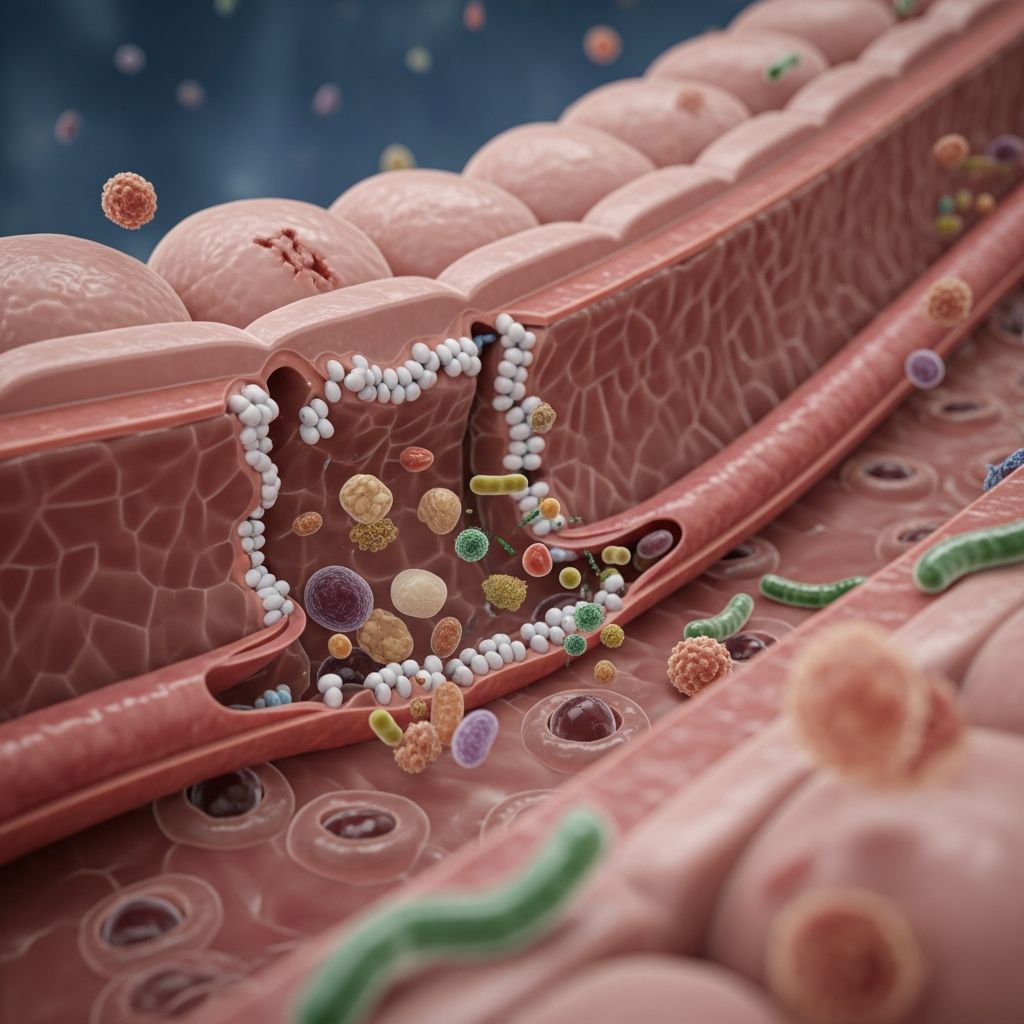
To understand leaky gut, it helps to first recognize how your intestines normally function. Your digestive tract is approximately 25 feet long and lined with a highly selective barrier designed to protect your body while allowing beneficial substances through. This intestinal lining acts like a sophisticated filter, permitting water, nutrients, and other essential molecules to pass into the bloodstream while preventing harmful bacteria, toxins, and undigested food particles from crossing.
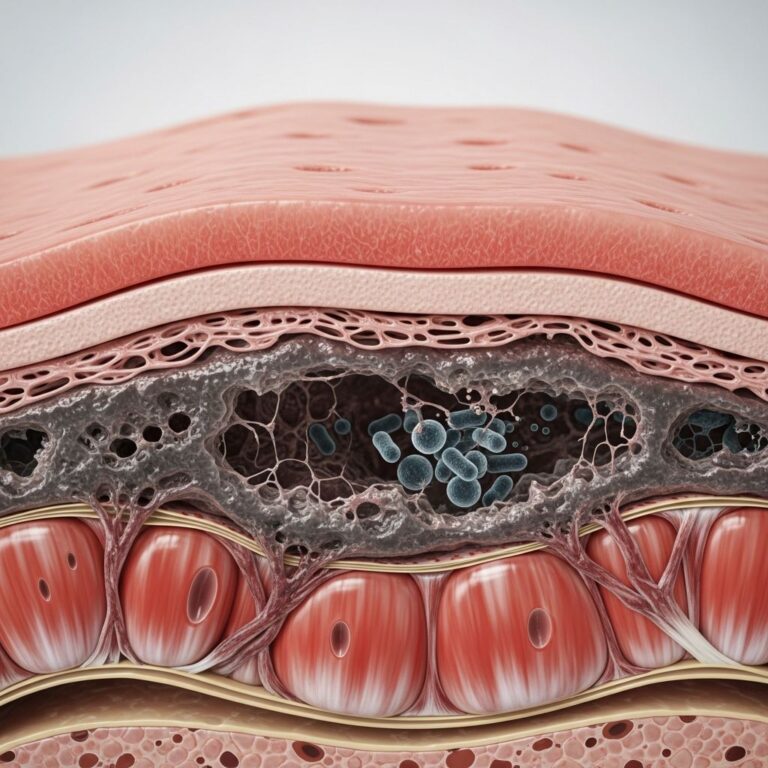
Leaky gut syndrome, more formally known as increased intestinal permeability, describes a condition in which this protective barrier becomes excessively permeable. When the tight junctions that hold intestinal cells together become compromised, larger gaps develop in the intestinal wall. This allows substances that normally would be blocked—such as bacteria, bacterial toxins, and partially digested food particles—to “leak” through the intestinal lining into the bloodstream and surrounding tissues.
It’s important to note that some level of intestinal permeability is normal and necessary. Your gut isn’t supposed to be completely impenetrable; it must allow nutrients and water to pass through for proper nutrition. However, when permeability increases beyond the normal range, it can trigger inflammatory responses and potentially contribute to various health concerns.
The Role of the Gut Microbiome
Recent research has highlighted the critical importance of the gut microbiome—the community of microorganisms living in your digestive tract—in maintaining intestinal barrier function. A healthy microbiome is characterized by a diverse population of beneficial bacteria that produce short-chain fatty acids (SCFAs) and support immune function. Species such as Bifidobacterium, Faecalibacterium, and Roseburia play particularly important roles in protecting gut health.
When the balance of your gut microbiota becomes disrupted—a condition called dysbiosis—harmful bacteria such as Escherichia coli, Staphylococcus aureus, and Clostridium difficile may proliferate. This microbial imbalance can directly contribute to increased intestinal permeability, creating a cycle in which dysbiosis leads to a leaky gut, which in turn perpetuates dysbiosis. The microbiota imbalance also triggers the body’s immune response, resulting in gut inflammation and further weakening of the intestinal barrier.
Common Causes and Risk Factors
While experts don’t yet fully understand all the mechanisms behind leaky gut development, numerous factors have been identified that can disrupt the intestinal barrier and contribute to increased permeability.
Dietary Factors
The foods you consume have a significant impact on your gut health and intestinal barrier function. Diets high in processed foods, refined sugars, and unhealthy fats can promote dysbiosis and damage the intestinal lining. Conversely, fiber-rich whole foods, fermented products, and foods containing beneficial compounds support a healthy microbiome and stronger gut barriers.
Lifestyle and Environmental Factors
Several lifestyle elements contribute to leaky gut development. Chronic stress activates the gut-brain axis in ways that compromise intestinal barrier integrity. Alcohol consumption can damage the protective mucin layer and disrupt the microbiota. Poor sleep quality and lack of physical activity further compromise gut health. Additionally, infections and prolonged use of certain medications can damage the intestinal lining and alter microbial balance.
Related Stories



Underlying Health Conditions
Certain medical conditions significantly increase the risk of leaky gut. Inflammatory bowel diseases such as Crohn’s disease and ulcerative colitis are associated with increased intestinal permeability. Celiac disease, diabetes, autoimmune disorders, obesity, and food allergies all represent risk factors for developing leaky gut. Interestingly, it remains unclear in many cases whether leaky gut is a cause or consequence of these conditions—this distinction is an active area of research.
Recognizing Symptoms
The symptoms associated with leaky gut are nonspecific and overlap considerably with other gastrointestinal and systemic conditions, which partly explains why diagnosis remains challenging. Common symptoms that individuals with leaky gut may experience include:
- Indigestion and stomach pain
- Burning sensations in the digestive tract
- Bloating and excessive gas
- Chronic diarrhea or constipation
- Nutritional deficiencies despite adequate intake
- Unexplained fatigue and irritability
- Headaches and brain fog
- Difficulty concentrating
- Skin problems including acne, rashes, or eczema
- Joint pain and widespread inflammation
The constant irritation from gastrointestinal symptoms can lead to secondary effects such as fatigue and mood disturbances. However, it’s crucial to recognize that these symptoms can result from many different conditions. Having these symptoms does not necessarily mean you have leaky gut, which is why discussing your symptoms with a healthcare provider is essential.
Leaky Gut and Associated Health Conditions
While the causal relationships remain incompletely understood, increased intestinal permeability has been linked to numerous health conditions. Leaky gut commonly occurs in patients with inflammatory bowel diseases, obesity, diabetes, and cancer survivors, as well as those with neurodegenerative conditions like Alzheimer’s disease. Some research suggests that increased intestinal permeability may contribute to the development of these conditions, though more definitive evidence is needed.
In conditions like celiac disease and inflammatory bowel disease, the relationship appears more direct. When these underlying conditions are treated effectively, the intestinal lining often repairs itself and permeability returns to normal. This suggests that in these cases, treating the primary condition addresses the leaky gut as a secondary manifestation.
The Challenge of Diagnosis
A significant complication in discussing leaky gut is that it currently lacks official medical recognition as a diagnosable condition in mainstream medicine. No FDA-approved diagnostic tests specifically identify leaky gut syndrome, and it is not formally recognized in standard medical diagnostic criteria. This diagnostic gap exists partly because measuring intestinal permeability in clinical practice remains technically challenging and costly.
While researchers have developed laboratory measures of intestinal permeability for research purposes, these tests are not routinely available or standardized in clinical practice. The Cleveland Clinic notes that while intestinal permeability is a real physiological phenomenon, establishing it as a disease in itself remains controversial. This uncertainty has created a disconnect between popular interest in leaky gut and its acceptance in conventional medicine.
Practical Approaches to Supporting Gut Health
Although there is no specific medical cure for leaky gut, numerous evidence-based strategies can support intestinal barrier function and promote a healthy microbiome. These approaches focus on addressing the underlying factors that compromise gut health.
Dietary Modifications
Eating foods that foster gut health represents one of the most powerful interventions available. A healthy, balanced diet rich in fiber, whole grains, fruits, and vegetables promotes a more diverse and resilient microbiome. Fermented foods like yogurt, kefir, sauerkraut, and kimchi contain beneficial bacteria that support intestinal health. Prebiotic foods such as garlic, onions, asparagus, and bananas feed beneficial bacteria. Simultaneously, avoiding or minimizing foods that irritate your gut—such as highly processed items, excessive sugar, and foods to which you have sensitivities—helps reduce intestinal inflammation.
Lifestyle Modifications
Multiple lifestyle factors significantly influence gut barrier function. Regular exercise, typically recommended as at least 150 minutes of moderate activity weekly, promotes healthy microbial diversity and reduces inflammation. Quality sleep plays a crucial role in gut repair and immune function; most adults benefit from seven to nine hours of consistent sleep nightly. Stress reduction through meditation, yoga, deep breathing exercises, or other relaxation techniques helps normalize the gut-brain axis and supports intestinal barrier integrity.
Microbiome-Supporting Interventions
Emerging evidence suggests that certain compounds may specifically support gut barrier function. Probiotics and prebiotics can improve gut barrier function and inhibit bacterial invasion, though quality and strain selection matter considerably. Urolithin A, a microbial metabolite derived from polyphenol-rich foods, shows promise in upregulating tight junction proteins and reducing inflammatory responses. These interventions work by supporting the microbiota’s ability to maintain barrier integrity.
Addressing Underlying Conditions
If your healthcare provider has diagnosed an underlying condition such as celiac disease or inflammatory bowel disease, treating that condition directly can repair intestinal lining damage and normalize permeability. Specific treatments for these conditions have demonstrated effectiveness in repairing the intestinal barrier in affected individuals.
The Importance of Medical Guidance
Because leaky gut is not currently a recognized medical diagnosis and because symptoms overlap with numerous other conditions, consulting with a healthcare provider is essential before pursuing treatment. Your doctor can help identify whether your symptoms result from leaky gut, another gastrointestinal condition, or a completely different health issue. This distinction is important because the appropriate management differs significantly depending on the underlying cause.
Your healthcare provider can also help you identify any underlying conditions contributing to intestinal permeability and recommend targeted treatments. Additionally, they can guide you toward evidence-based dietary and lifestyle modifications appropriate for your individual situation.
Frequently Asked Questions
Q: Is leaky gut a real medical condition?
A: Leaky gut describes a real physiological phenomenon—increased intestinal permeability—that has been documented in research settings. However, it is not currently recognized as an official medical diagnosis by mainstream medicine, partly due to diagnostic challenges and incomplete understanding of its role in disease development.
Q: Can I test for leaky gut?
A: Currently, no FDA-approved clinical tests specifically diagnose leaky gut. While researchers have developed laboratory measures of intestinal permeability for research purposes, these tests are not standardized or routinely available in clinical practice.
Q: Are probiotics helpful for leaky gut?
A: Emerging evidence suggests that probiotics can improve gut barrier function and support intestinal health. However, quality varies significantly among products, and different strains have different effects. Consult your healthcare provider about which probiotics might be appropriate for your situation.
Q: How long does it take to heal leaky gut?
A: There is no established timeline for healing leaky gut, as the condition is not officially recognized and mechanisms remain incompletely understood. Supporting gut health through dietary and lifestyle modifications typically requires weeks to months of consistent effort.
Q: Can I have leaky gut symptoms without actually having leaky gut?
A: Yes, absolutely. The symptoms associated with leaky gut—bloating, digestive discomfort, fatigue, and others—can result from many different conditions including food sensitivities, irritable bowel syndrome, infections, and other gastrointestinal issues. This is why professional evaluation is important.
Moving Forward With Your Gut Health
While leaky gut remains a concept with more questions than definitive answers, the underlying research on intestinal permeability, microbiome health, and gut barrier function continues to advance. Regardless of whether you’ve been told you have leaky gut, supporting your digestive health through evidence-based dietary and lifestyle modifications benefits your overall wellbeing. These same strategies that address leaky gut also support management of various gastrointestinal conditions and promote general health.
Focus on consuming a diverse diet rich in whole foods, managing stress effectively, maintaining regular physical activity, prioritizing sleep, and limiting alcohol consumption. These foundational approaches support intestinal barrier integrity and microbiome health. If you experience persistent digestive symptoms, consult your healthcare provider to identify the specific cause and receive appropriate guidance tailored to your individual needs.
References
- Treating Leaky Syndrome in the Over 65s: Progress and Challenges — National Center for Biotechnology Information (NCBI/PMC). 2023. https://pmc.ncbi.nlm.nih.gov/articles/PMC10476862/
- What is leaky gut? Causes, symptoms and treatments explained — CBS News. 2024. https://www.cbsnews.com/news/leaky-gut-syndrome-symptoms-treatments/
- What is Leaky Gut Syndrome? — Crohn’s and Colitis Foundation of Canada. https://cdhf.ca/en/what-is-leaky-gut-syndrome/
- What is a leaky gut and how might it relate to ME/CFS symptoms? — ME Research UK. https://www.meresearch.org.uk/what-is-a-leaky-gut-and-how-might-it-relate-to-me-cfs-symptoms/
Similar Articles








Read full bio of medha deb