29 Lean Protein Foods To Eat Every Day, Dietitian-Backed
Boost your health with these 29 lean protein foods that support muscle building, weight management, and overall wellness every day.
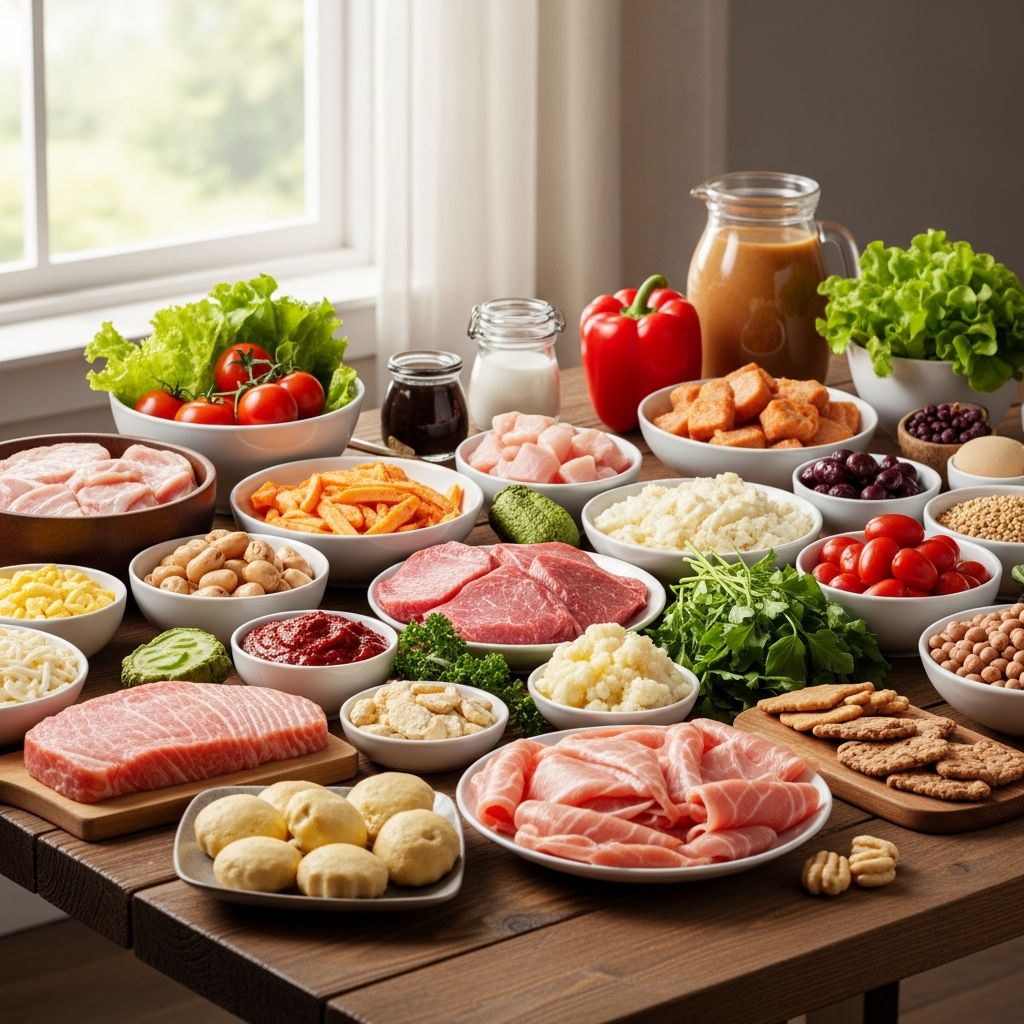
Lean proteins are essential for building and repairing tissues, supporting immune function, and promoting satiety to aid weight management. Choosing foods high in protein but low in saturated fat and calories helps maintain heart health while meeting daily nutritional needs. According to MyPlate.gov, protein foods include seafood, meats, poultry, eggs, beans, peas, lentils, nuts, seeds, and soy products, forming one of the five key food groups. This article highlights 29 top lean protein options, complete with nutritional data, benefits, and practical tips from dietitians.
What Is Lean Protein?
Lean protein refers to foods that deliver high-quality protein with 10 grams or less of total fat, 4.5 grams or less of saturated fat, and fewer than 95 milligrams of cholesterol per 100 grams, per USDA guidelines. These foods minimize excess calories from fat while providing amino acids crucial for muscle synthesis, hormone production, and enzyme function. Unlike fatty cuts of meat or full-fat dairy, lean options support cardiovascular health and sustainable weight loss by keeping you fuller longer.
Benefits of Eating Lean Protein Foods
- Muscle Maintenance: Protein supplies amino acids that repair muscle fibers after exercise, preserving lean mass during calorie deficits.
- Weight Control: High-protein meals increase satiety hormones like peptide YY and reduce ghrelin, curbing hunger and overeating.
- Blood Sugar Stability: Protein slows carbohydrate digestion, preventing spikes and crashes that lead to fatigue or cravings.
- Heart Health: Low-fat proteins lower LDL cholesterol and inflammation markers when replacing red or processed meats.
- Bone Strength: Adequate protein intake, paired with calcium, supports bone density and reduces osteoporosis risk.
29 Best Lean Protein Foods
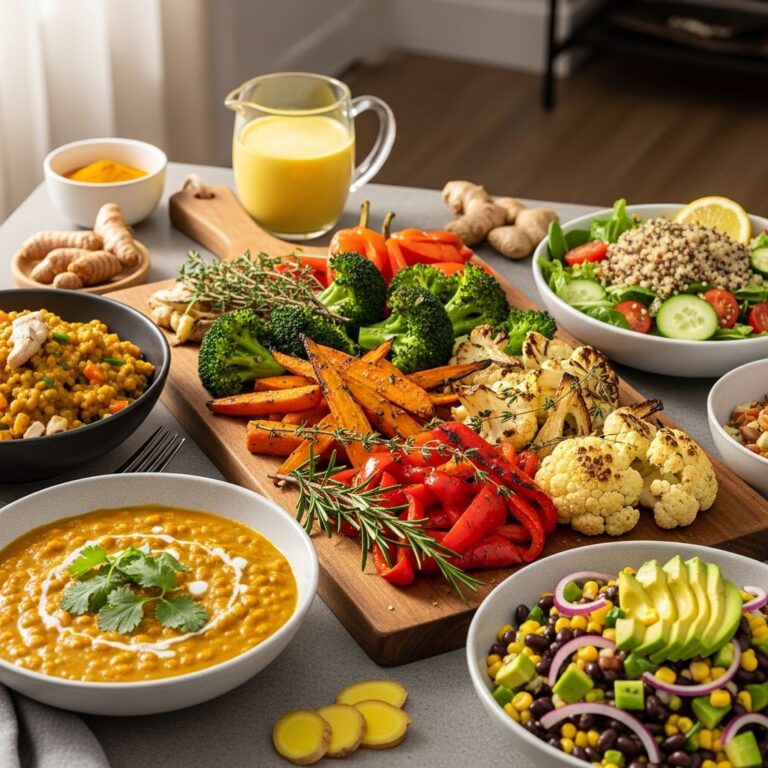
Here are 29 lean protein foods ranked by versatility, nutrient density, and accessibility. Each includes protein per serving, key nutrients, and meal ideas. Aim for 20-30 grams of protein per meal from varied sources for optimal health.
1. Chicken Breast
Skinless chicken breast tops the list for its ultra-low fat content and complete amino acid profile. A 3-ounce cooked serving provides 26 grams of protein, 140 calories, and just 3 grams of fat. It’s rich in B vitamins for energy metabolism. Grill, bake, or stir-fry with veggies for salads or bowls.
2. Turkey Breast
Similar to chicken, 3 ounces of skinless turkey breast offers 25 grams of protein and 135 calories. High in selenium, it supports thyroid function. Use in sandwiches, chili, or lettuce wraps.
3. Cod
This mild white fish delivers 20 grams of protein per 3-ounce fillet with only 90 calories and 1 gram of fat. Omega-3s reduce inflammation. Bake with lemon and herbs.
4. Tuna (Canned in Water)
A 3-ounce can provides 20 grams of protein for 100 calories. Packed with vitamin D and selenium. Mix into salads or eat straight from the can.
5. Tilapia
Mild and affordable, 3 ounces yield 23 grams of protein and 110 calories. Good phosphorus source for bones. Pan-sear with spices.
6. Shrimp
Low-calorie at 85 per 3 ounces, shrimp packs 20 grams of protein and astaxanthin antioxidants. Sauté in garlic or add to skewers.
7. Salmon (Wild-Caught, Skinless)
Though fattier, wild salmon’s healthy omega-3s justify inclusion: 22 grams protein per 3 ounces, 120 calories. Grill or broil.
Related Stories



8. Egg Whites
Three whites equal 11 grams of protein for 50 calories, minus yolks’ cholesterol. Ideal for omelets or baking.
9. Greek Yogurt (Nonfat)
One cup boasts 20 grams of protein, probiotics for gut health, and calcium. Top with berries for breakfast.
10. Cottage Cheese (Low-Fat)
One cup low-fat version has 28 grams protein, 160 calories. Casein provides slow-release amino acids. Eat with fruit or tomatoes.
11. Tofu
Firm tofu: 10 grams protein per 100 grams, versatile for vegans. Marinate and grill.
12. Tempeh
Fermented soy: 19 grams per 100 grams, plus fiber and probiotics. Crumble into tacos.
13. Lentils
One cup cooked: 18 grams protein, iron-rich for energy. Use in soups or salads.
14. Black Beans
One cup: 15 grams protein, antioxidants. Blend into burgers.
15. Chickpeas
One cup: 15 grams protein, manganese for metabolism. Roast for snacks.
16. Edamame
One cup shelled: 17 grams protein, folate. Steam as appetizer.
17> Quinoa
One cup cooked: 8 grams protein, complete plant protein. Base for bowls.
18. Seitan
Wheat gluten: 25 grams per 100 grams, meat-like texture. Stir-fry substitute.
19. Ground Turkey (93% Lean)
3 ounces: 21 grams protein. Form into patties.
20. Pork Tenderloin
3 ounces: 26 grams protein, thiamine-rich. Roast whole.
21. Bison
3 ounces: 24 grams protein, lower fat than beef. Grill steaks.
22. 95% Lean Ground Beef
3 ounces: 22 grams protein. Taco filling.
23. Scallops
3 ounces: 17 grams protein, magnesium. Sear quickly.
24. Halibut
3 ounces: 23 grams protein, selenium. Poach gently.
25. Albacore Tuna Steak
3 ounces: 25 grams protein. Rare sear.
26. Clams
3 ounces: 22 grams protein, iron. Steam with garlic.
27. Soy Milk (Unsweetened)
One cup: 7 grams protein, vitamin B12 fortified. Smoothie base.
28. Almond Milk (Protein-Fortified)
One cup: 8 grams protein. Cereal milk.
29. Pumpkin Seeds
One ounce: 7 grams protein, zinc for immunity. Sprinkle on salads.
Lean Protein Foods Nutrition Comparison
| Food | Serving Size | Protein (g) | Calories | Fat (g) |
|---|---|---|---|---|
| Chicken Breast | 3 oz | 26 | 140 | 3 |
| Greek Yogurt | 1 cup | 20 | 100 | 0 |
| Lentils | 1 cup cooked | 18 | 230 | 1 |
| Tofu | 100g | 10 | 80 | 4 |
| Egg Whites | 3 large | 11 | 50 | 0 |
This table compares top picks; full data varies by preparation.
How Much Lean Protein Do You Need Daily?
The RDA is 0.8 grams per kg body weight (46g for women, 56g for men), but active individuals need 1.2-2.0g/kg. Divide across meals: breakfast 20-30g, lunch 25-35g, dinner 25-35g, snacks 10-15g. MyPlate recommends 5-6.5 ounces equivalents daily, adjusted for age and activity.
Tips for Incorporating Lean Proteins
- Batch-cook chicken or turkey for salads and wraps.
- Swap red meat for fish twice weekly.
- Blend Greek yogurt into smoothies.
- Roast chickpeas for crunchy snacks.
- Use tofu in stir-fries for plant-based meals.
Potential Downsides and Considerations
Over-reliance on animal proteins may strain kidneys in those with pre-existing issues; balance with plants. Watch sodium in canned tuna/beans. Consult a doctor for personalized needs, especially if pregnant or athletic.
Frequently Asked Questions (FAQs)
What are the best lean protein foods for weight loss?
Greek yogurt, chicken breast, and egg whites excel due to high protein-to-calorie ratios promoting fullness.
Are plant-based lean proteins complete?
Quinoa and soy are complete; combine others like beans and rice for all amino acids.
Can I eat lean protein before bed?
Yes, slow-digesting options like cottage cheese aid overnight muscle recovery.
How do I make lean proteins tastier?
Marinate, use herbs/spices, or pair with healthy fats like avocado.
Is canned tuna a healthy lean protein daily?
Limit to 2-3 servings weekly due to mercury; choose light tuna.
References
- Protein Foods Group – One of the Five Food Groups — MyPlate.gov (USDA). 2023. https://www.myplate.gov/eat-healthy/protein-foods
- Dietary Guidelines for Americans, 2020-2025 — USDA. 2020-12-01. https://www.dietaryguidelines.gov/sites/default/files/2020-12/Dietary_Guidelines_for_Americans_2020-2025.pdf
- Protein Intake — How Much Protein Should You Eat per Day? — Harvard T.H. Chan School of Public Health. 2023-11. https://nutritionsource.hsph.harvard.edu/protein/
- USDA FoodData Central — USDA Agricultural Research Service. 2024-01-15. https://fdc.nal.usda.gov/
- Seafood Nutrition Overview — National Institutes of Health (NIH). 2023-05. https://ods.od.nih.gov/factsheets/Omega3FattyAcids-HealthProfessional/
Similar Articles








Read full bio of medha deb